EN
EN
What is the role of laser technology in anti-counterfeiting foil development?
2026/09/11
See how UV and femtosecond lasers write covert codes into anti-counterfeiting foils, plus CO2 demetallization limits and real-time process control.
2026/08/28
2026/08/28
Choose it when the printed design must remain visible under a moving optical layer
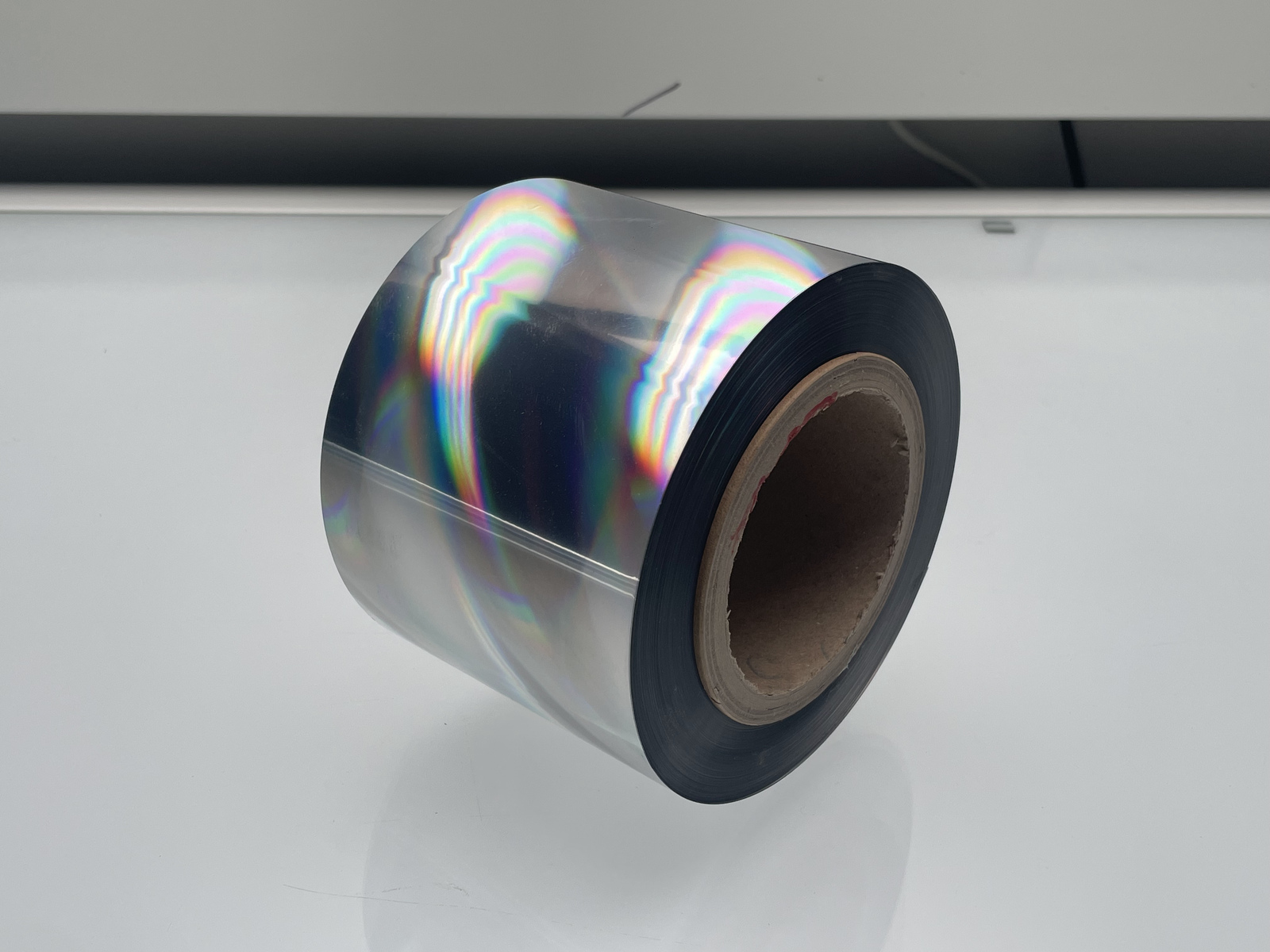
Transparent holographic foil solves a specific packaging problem: how to add changing rainbow diffraction without covering the color, illustration or typography that already carries the brand. Unlike an opaque silver or gold foil, the transparent optical layer behaves more like a moving finish over the printed design. The base artwork remains visible, while the holographic structure appears and disappears as the viewing angle changes.
That subtle behavior is useful, but it also makes specification more demanding. A transparent sample viewed on white paper does not predict how it will look over a dark blue label, a skin-tone illustration or a clear film. The final effect depends on the base color, pattern scale, lighting, adhesive laydown, substrate clarity and any varnish or lamination applied afterward. Buyers should therefore evaluate the complete layer stack, not the foil in isolation.
Opaque holographic foil replaces the visual information beneath it with a reflective silver, gold or colored diffractive surface. It is effective for logos, borders and high-contrast focal points. Transparent holographic foil keeps the underlying print visible and adds an optical wash on top. The result is better suited to full illustrations, gradients, brand colors and areas where readability must be preserved.
A third route is to transfer silver cold foil and then overprint it with transparent inks. That construction creates colored metallic areas, but it is not the same as applying a transparent holographic layer over normal printing. In the overprint route, the metallic base drives brightness and the ink modifies its color. In the transparent holographic route, the printed substrate remains the color source and the optical layer adds movement. Defining which layer should provide color prevents the design team from approving the wrong sample.
Transparent foil is most effective when the brand already has strong artwork that should not be hidden. Cosmetics, beverage labels, personal-care packaging, clear labels and promotional graphics can use it to add a secondary signal that appears under retail lighting without turning the entire design into a mirror surface.
The same transparent holographic foil can look quiet on a light matte background and much stronger over a dark, glossy color. Dark areas create contrast for the diffracted rainbow, while very pale areas can make the effect appear softer. Highly detailed backgrounds may compete with a dense holographic pattern, especially when text and diffraction occupy the same visual scale.
Pattern scale should match the viewing distance and artwork hierarchy. A fine, tight pattern can create texture over small labels but may interfere with small type or barcodes. A broader rainbow or lens-like structure is easier to read at arm's length, yet it can dominate a compact package. Keep codes, mandatory information and critical fine text outside the most active optical zones unless physical tests prove readability.
Digital mockups are inadequate for final approval because a screen cannot reproduce angular diffraction. Request a physical swatch on the intended substrate, then view it under diffuse daylight, direct retail lighting and the likely shelf angle. Approval should be based on the real printed base color and the real pattern repeat, not a generic foil roll sample.
For narrow-web flexographic cold foiling, a UV-curable adhesive is printed in the selected areas, the foil contacts the wet adhesive, the construction is cured, and the carrier is stripped away. No heated die is required. The quality of the transparent effect therefore depends heavily on adhesive film uniformity, UV energy, nip pressure, web tension and surface treatment.
Uneven adhesive laydown can break the optical structure into dull or patchy areas. Too much adhesive may squeeze beyond the graphic edge, while insufficient or poorly cured adhesive can weaken transfer. Films such as PE and PP normally require confirmed surface treatment and a stable surface-energy level. Coated paper, synthetic paper, PET, pearlized films and other non-absorbent label stocks also need testing because the coating and ink sequence influence wetting and cure.
The transparent layer makes some defects more visible than they would be under an opaque metallic finish. Dust, coating haze, scratches and inconsistent varnish can interrupt the clean optical effect. Web cleanliness and final surface quality should therefore be treated as design requirements, not only production housekeeping.
Decide whether the transparent holographic foil sits over printed ink, under additional ink, below a varnish or inside a laminated structure. Each added layer changes gloss, refraction and adhesion. A matte varnish can soften glare and make the effect more controlled; a gloss varnish can intensify reflections. Lamination may protect the surface but can also reduce or distort the pattern depending on film clarity, adhesive and thickness.
If later printing or varnishing crosses the foil, test ink anchorage and curing on the actual transferred surface. If the package will be folded, squeezed, chilled or exposed to alcohol, oils or abrasion, include those conditions in the qualification plan. A visually successful label sample is not enough when the end use places mechanical or chemical stress on the optical layer.
Prepress files should contain a separate, clearly named foil layer with vector artwork. Define knockouts, overlap and registration tolerance deliberately. Do not allow the holographic layer to sit behind barcodes, QR codes or small reverse type by accident. The converter should receive the substrate specification, printing order, adhesive route, foil pattern code, varnish map, dieline and finishing notes as one production package.
| Selection question | What to define before approval |
|---|---|
| Should the base artwork stay visible? | Approve the effect over the final printed colors, not white paper |
| How active should the hologram appear? | Match pattern scale and density to label size and viewing distance |
| Which process will transfer it? | Confirm flexo cold-foil adhesive, curing, nip and web-tension capability |
| Which substrate is used? | Identify coating, film type, surface treatment and surface-energy condition |
| What comes after foiling? | Test ink, varnish, lamination, folding and real-use resistance |
| What must remain readable? | Keep codes and critical small text clear of strong optical interference |
Use transparent holographic foil when preserving the printed design is more important than achieving maximum metallic opacity. It is particularly suitable for layered brand graphics, clear or colored labels, cosmetic tubes, beverage labels and promotional packaging that needs movement without losing the original palette.
Choose an opaque holographic or metallic foil instead when the design requires a solid mirror-like focal point, strong hiding power over dark or inconsistent backgrounds, or a clearly separated logo. Choose registered security structures when a fixed optical image or authentication function must align to the artwork. These products solve different visual and production problems even when they all appear under the broad term holographic foil.
GL Foils' transparent holographic flexo cold foil route is specified around the actual substrate, adhesive, print sequence and pattern requirement. Sharing the printed sample, press configuration, planned speed and finishing stack allows the optical effect and transfer construction to be evaluated together before production.
Transparent holographic foil works best when it is treated as part of the printed design rather than an accessory added at the end. The base color, optical pattern, adhesive, substrate and finishing sequence create one visual system. A physical proof of that complete system is the most reliable way to protect both the brand concept and the production result.
For product specifications and application options, review Transparent Holographic Flexo Cold Foils and Holographic Flexo Cold Foils.
2026/09/11
See how UV and femtosecond lasers write covert codes into anti-counterfeiting foils, plus CO2 demetallization limits and real-time process control.
2026/09/11
Hologram foil uses electron beam lithography, kinematic holography, dot matrix diffraction, and nanofabrication for secure high-definition packaging.
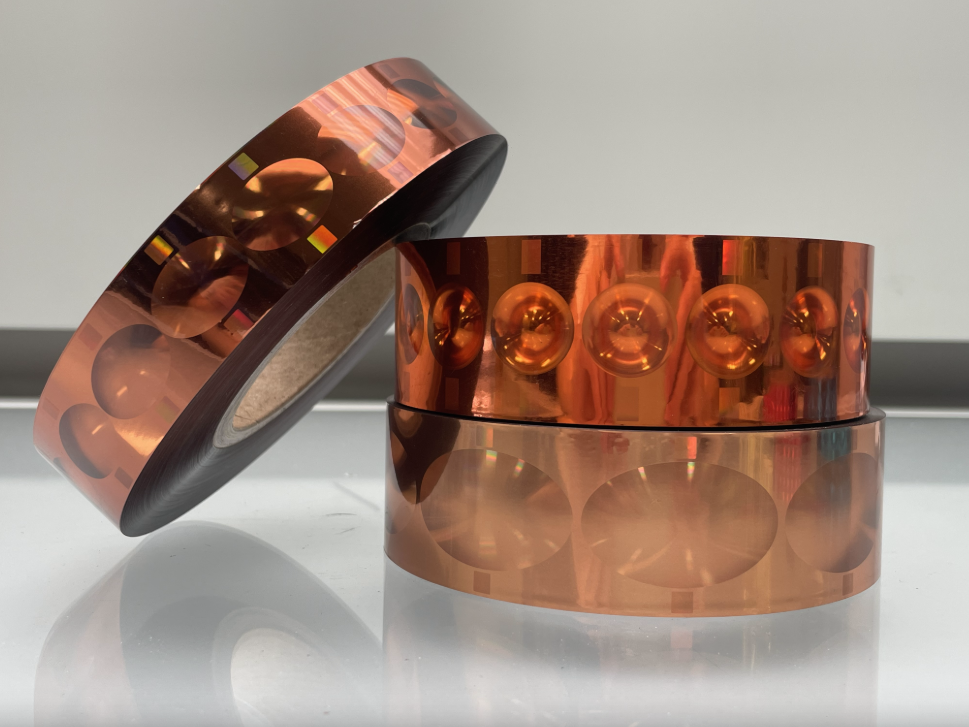
2026/09/11
See how light shifts color and motion, adding secure visual effects that resist copying on printed cartons and retail labels for brands worldwide today.
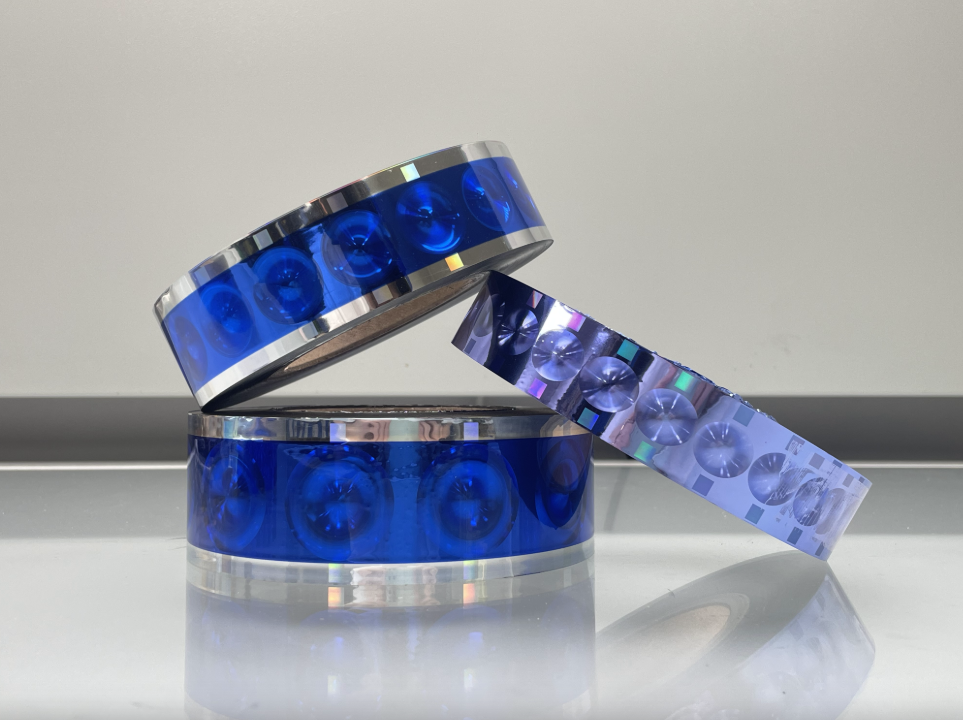
2026/09/11
Security holograms and holographic labels add overt protection. Learn optics, foil, design, pitfalls, limits, and fake risks in real world use.
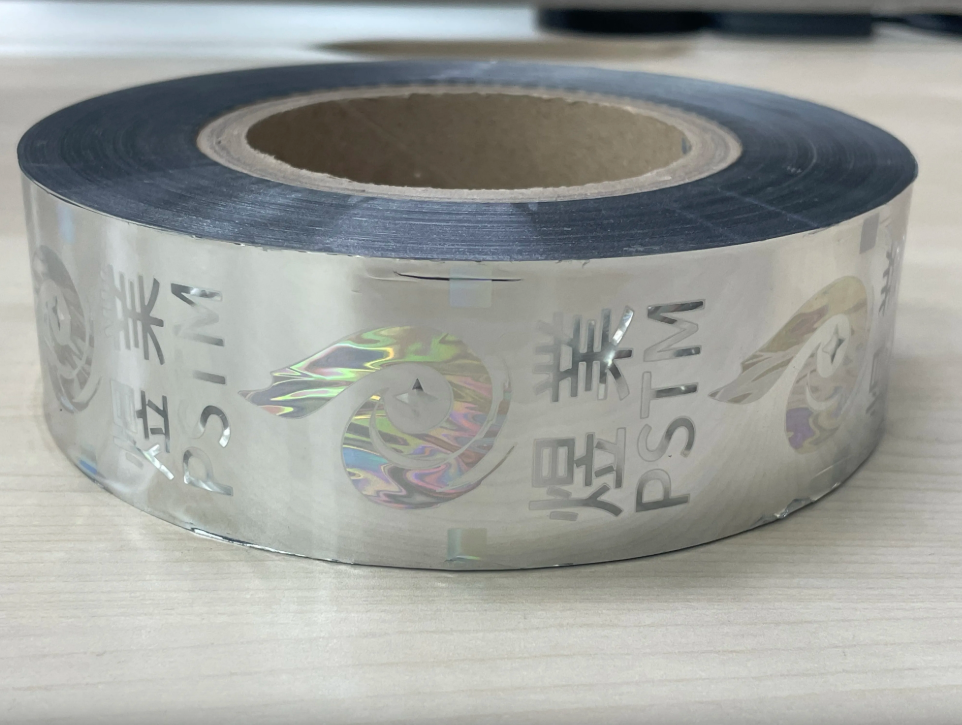
2026/09/11
Learn how metal decoration works without heated dies, plus substrate limits and inline setup costs, quality control and output plans for packaging lines.
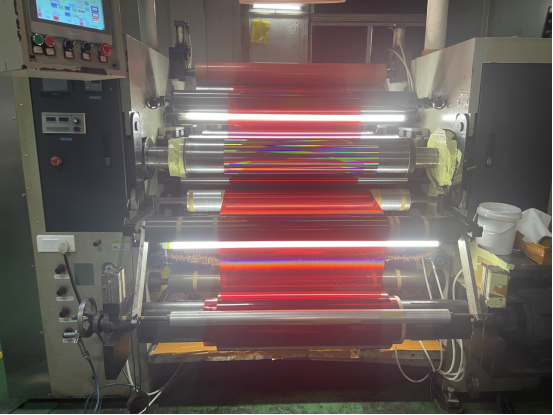
2026/09/11
Hot stamping foil uses heated dies; metallic ink prints via a printing process. Compare brilliance, adhesion, rub resistance, cost, substrate for decoration