EN
Hot Stamping Foil on UV-Varnished Cartons: What Buyers Should Check
2026/10/28
Gold foil can be stamped on selected UV-varnished cartons, but the surface and foil must match. Learn what to check before approving a finished box.
2026/10/26
2026/10/26
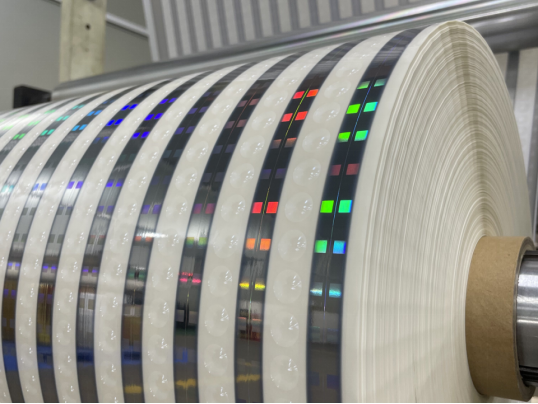
Hologram technology often gets dismissed as decoration. A rainbow patch on a carton can look cosmetic. That view misses the point. A well engineered hologram is an optical authentication layer that changes with viewing angle, lighting direction, and reproduction method. For teams running a brand protection program against diverted goods, refilled containers, and copycat packaging, appearance is not the main issue. The real question is whether the mark gives distributors, inspectors, and consumers a practical verification signal.
A hologram does not make a package unbreakable. It raises the cost and skill required to imitate the package convincingly. That distinction matters. Counterfeiters rarely copy one feature in isolation. They copy the easiest path to market. When a hologram is tied to a controlled foil supply chain and a known application process, the easiest path becomes narrower.
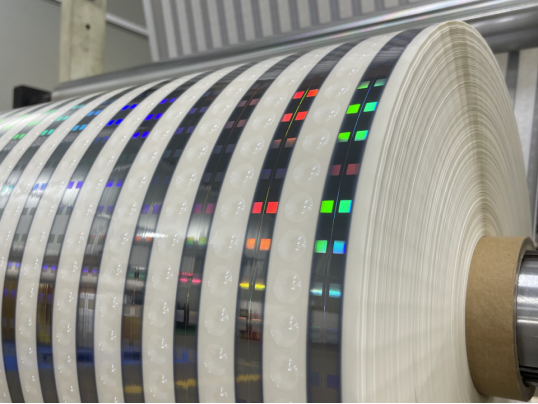
Most commercial holograms rely on surface relief microstructures. These structures diffract light into specific angles. In a stamping foil, the holographic layer is combined with release coatings, protective layers, and a metallized reflective layer. The finished mark may show movement, depth, or fine micro-text that only resolves at a defined viewing angle or under directed light.
Copying such a mark is not simply a matter of scanning and printing. A desktop scanner captures a flat image rather than the angular behavior, and a photocopier turns the color shift into a dull static print. Reproducing a diffractive feature means rebuilding an entire production chain instead of copying an image. The interference pattern has to be generated, converted into an embossing tool, replicated in an optical coating at consistent relief depth, and combined with a release system and adhesive that survive the press. Each stage introduces tolerances that a scanner never sees. The practical barrier is therefore economic and organizational as much as optical, because equipment, reference artwork and coating knowledge all have to line up before a usable copy exists.
The barrier is strongest when the hologram carries features that have to be read rather than merely seen, such as registered imagery positioned against pre-set coordinates and microtext that can be compared with an approved reference.
No single authentication feature carries the whole burden. A sensible program works in layers, each serving a different audience, from shoppers at the shelf to inspectors and customs officers clearing a shipment. Hologram technology can sit across those layers, depending on design and reading conditions.
Visible overt elements: a holographic patch or hot stamped seal that shifts under normal retail light, so a shopper can tilt the pack in hand.
Covert optical elements: a hidden image, fine micro-text, or low-visibility grating that trained inspectors read at a defined viewing angle or under directed light.
Registered and serialized elements: registration aligns an optical motif with the artwork; serialization uses a unique code for each item and a system for checking it. They can be combined, but a registered pattern alone is not a unique item identifier.
Visible graphics support quick recognition. Covert optical information supports a closer secondary check. Registered, serialized or digital controls can be added when risk demands stronger control. The value comes from how the layers connect. A hologram on its own may be copied in a low-quality way, but a hologram tied to a serialized code and a controlled converter network can make abuse more difficult to conceal when the codes and distribution records are actively checked. The same layered logic shows up across typical deployments, from premium tobacco cartons and premium spirits to luxury goods and cosmetics packaging, pharmaceutical anti-counterfeit labels.
A visible hologram is checked by tilting the package under the specified light. Its optical behavior should match the approved reference; a generic rainbow pattern alone is a weak basis for authentication.
A covert feature requires its intended reading method, such as a defined angle, magnification or specialist illumination. Inspectors need to know exactly what to look for.
A registered motif is placed at an agreed position. A serialized feature carries a unique identifier linked to a verification system. These are complementary controls, not interchangeable terms.
Plain metallic foil can provide a strong decorative effect, but it does not by itself give the pack a unique optical identity or a digital traceability record.
ISO 22383:2020 provides guidelines for performance criteria and an evaluation methodology for authentication solutions used to combat counterfeiting of material goods. The guidelines help teams to define what a solution must do, how it will be verified, and how repeatable that verification is. This takes the assessment beyond appearance. A hologram that looks impressive but cannot be checked consistently by a customs officer at a busy port is not doing much work.
Repeatability starts on the press rather than at the port. A hologram is a system, not a sticker. Substrate, adhesive, pressure, temperature, and environmental control all affect whether the optical mark remains readable in the field. A foil that performs well in a lab sample may still struggle when line speed, substrate, and shop floor conditions change.
Historical data illustrates the scale of the problem. In their 2019 report, OECD and EUIPO estimated, using 2016 trade data, that counterfeit and pirated goods accounted for up to 3.3 percent of world trade, or roughly USD 509 billion. For cosmetics, drugs, auto parts, and luxury goods, the damage runs past lost sales to include safety risk, brand erosion, and recalls.
Hologram technology is not a cure for every counterfeiting channel. It struggles when the supply chain is fragmented or when nobody checks the feature. It also loses value if one hologram design is reused across too many products without a serialized link. The honest position is that a hologram works best inside a brand protection program built around verification, not as a standalone talisman.
A holographic foil project lives or dies on coating control. The optical layer may be designed well, but inconsistent release, poor adhesion, or unstable metallization can turn a strong authentication feature into a production headache. Teams comparing suppliers should ask about coating formulation, release control, inline inspection, and how a candidate construction behaves when the substrate or line speed changes. A partner that only trades material without understanding coating chemistry will struggle once press conditions move.
For teams building that kind of program, GL Foils supplies holographic and conventional foil grades for packaging, including fine-line, overprintable and security-oriented paper hot-stamping grades. Its manufacturing capability, quality control, and comprehensive pre-sales to after-sales technical support help keep the optical result aligned with the brand's intent from the first sample through repeat orders. The right partner helps build a verification layer that holds up in production, logistics, and inspection.
2026/10/28
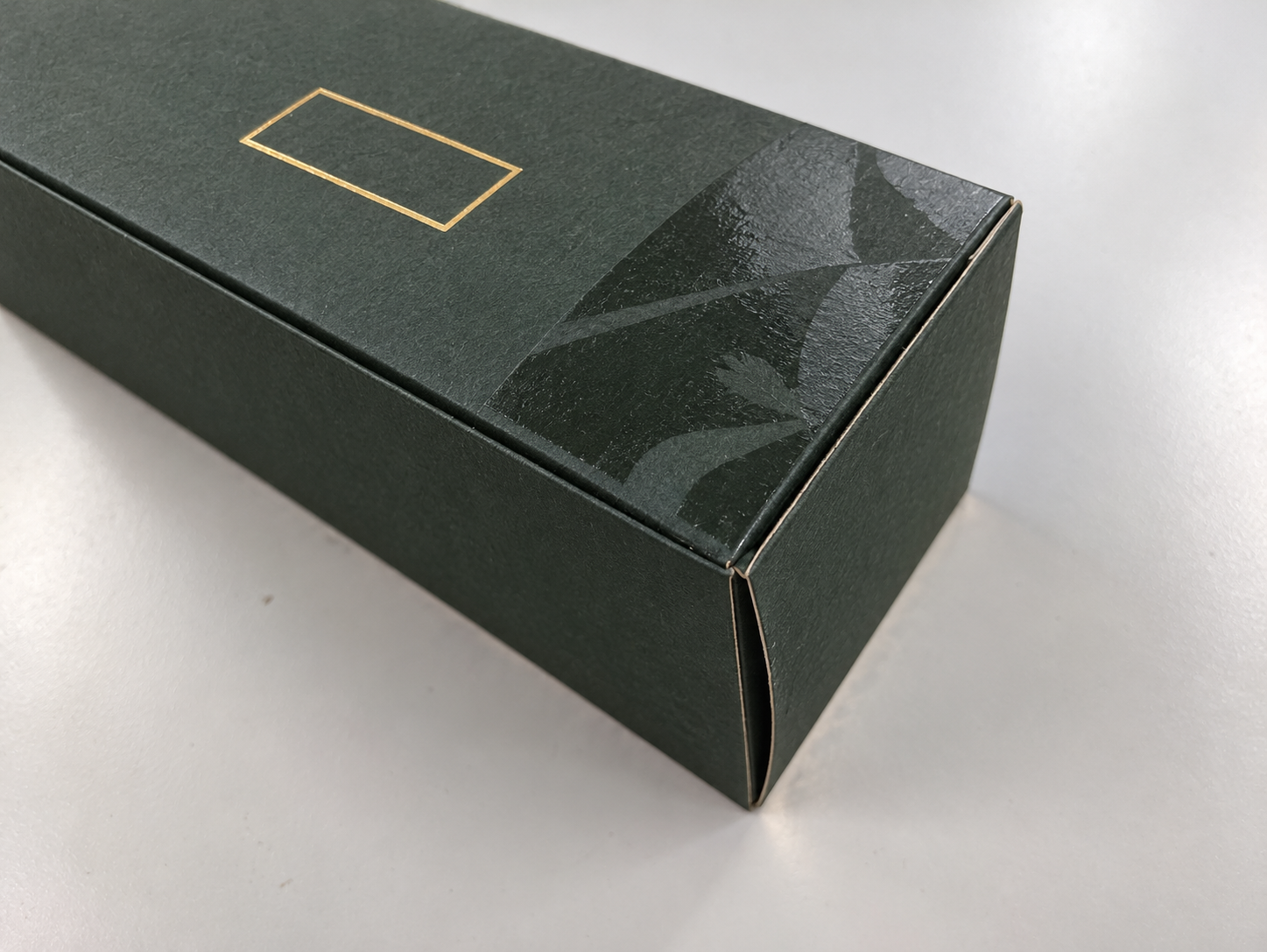
Gold foil can be stamped on selected UV-varnished cartons, but the surface and foil must match. Learn what to check before approving a finished box.

2026/10/26
Gold foil can look perfect on a flat carton and crack after folding. See what to check in the artwork, board, crease and finished sample.
2026/10/27
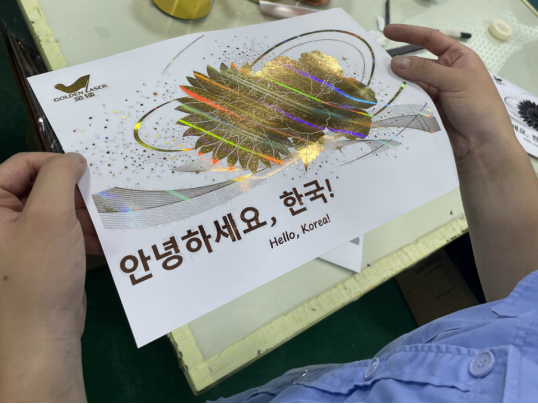
Hot stamping foil delivers metallic and holographic decoration for packaging, with reliable release, adhesion, and press performance.
2026/10/23
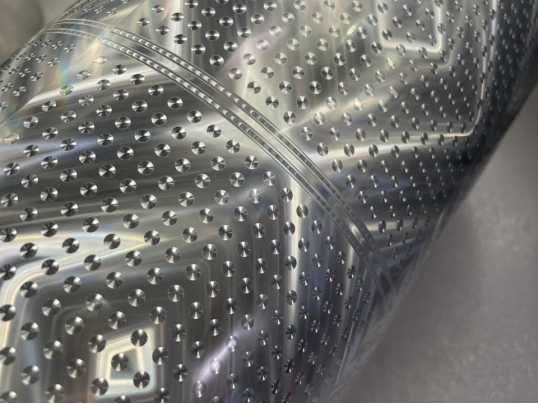
Holographic foil and hot stamping elevate packaging perceived value with consistent optical effects for premium cartons.
2026/10/22
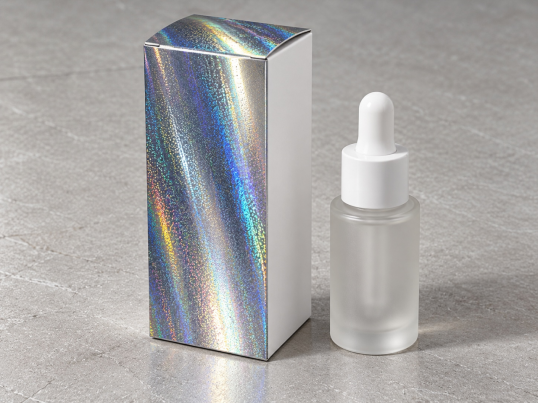
Holographic paper for cosmetic cartons adds light-shifting effects, foil stamping performance, and premium shelf appeal for beauty packaging.