EN
EN

What is the role of laser technology in anti-counterfeiting foil development?
2026/09/11
See how UV and femtosecond lasers write covert codes into anti-counterfeiting foils, plus CO2 demetallization limits and real-time process control.
2026/08/11
2026/08/11
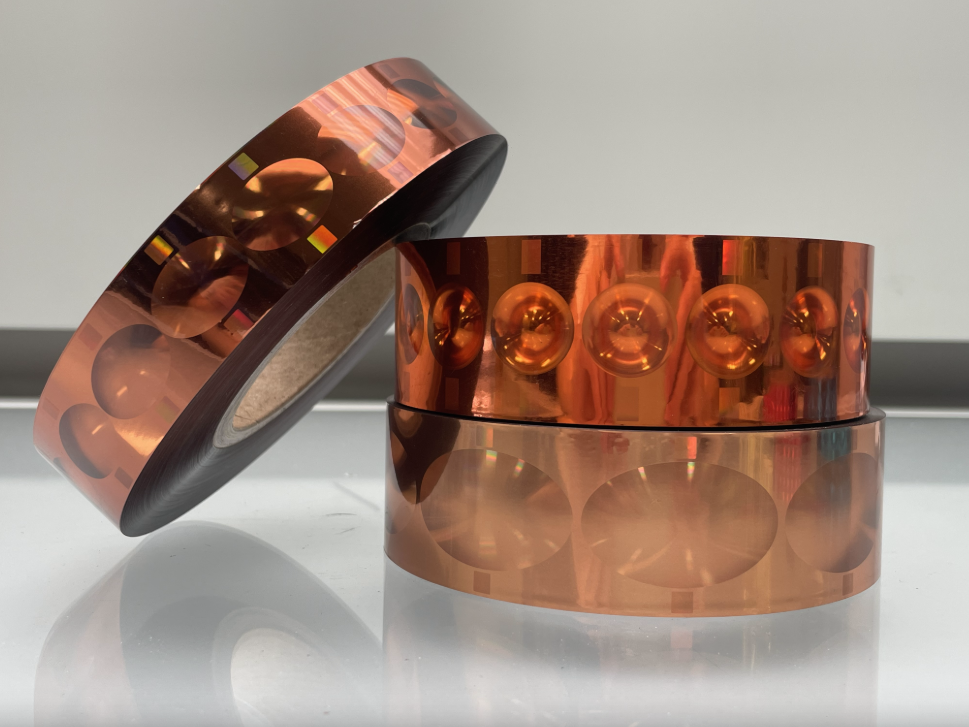
Registered holographic foil is designed for applications where the optical pattern must align with a defined position on the printed artwork. Instead of allowing the visual effect to appear as an uncontrolled repeating background, the production layout and registration reference are planned together. This is useful for a logo, framed emblem, repeating brand mark or other graphic area that must appear in a consistent relationship with the package design.
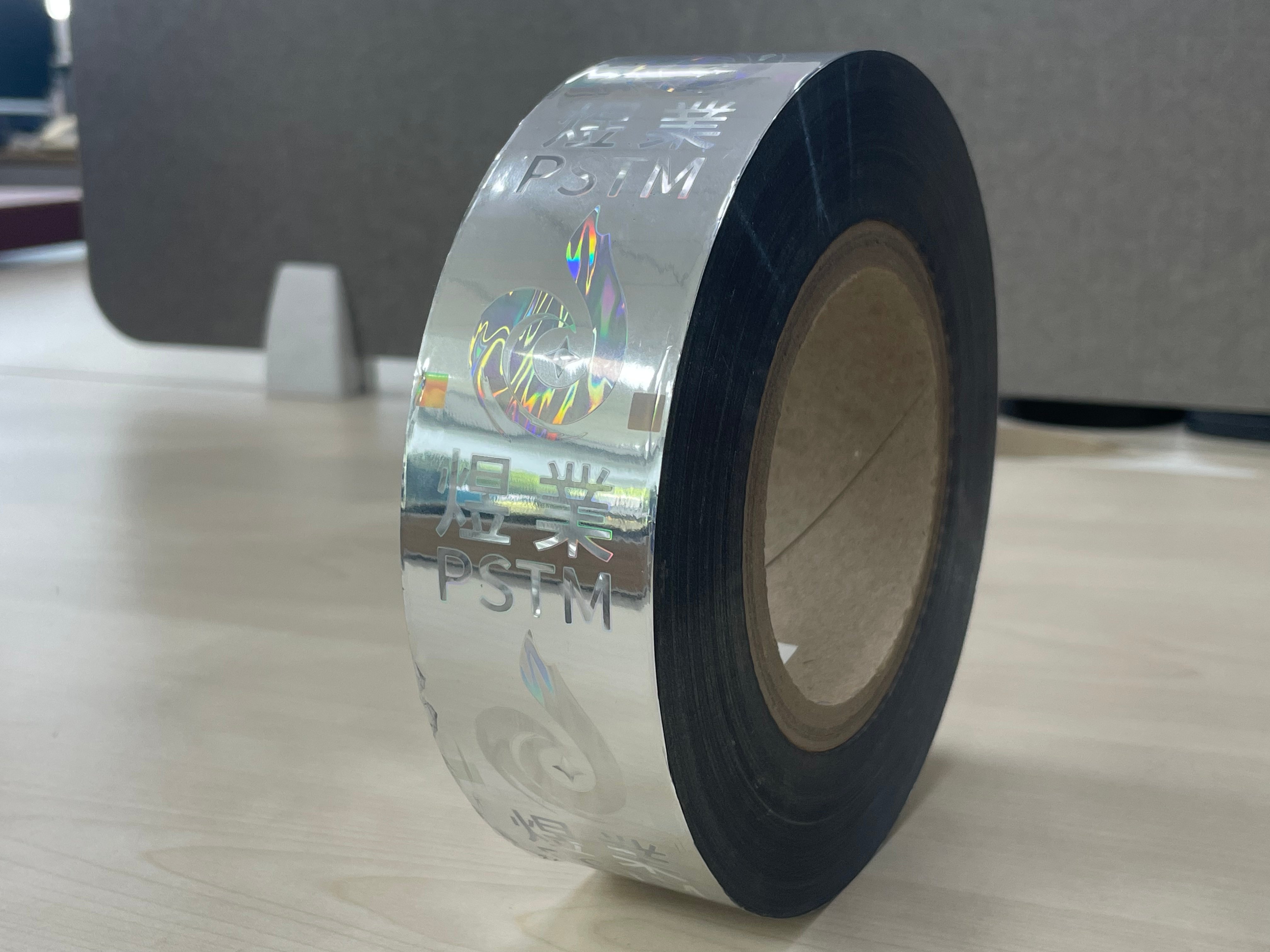
A holographic effect can be attractive even when it is randomly positioned, but random placement is not suitable for every design. When an optical mark crosses a border, misses a printed logo or moves differently from one package to the next, the result can look unfinished. Registration helps the converter control the relationship between the foil pattern, print layout and die position. It is especially relevant when the holographic feature is part of the visual identity rather than a general decorative field.
The foil, artwork, plate or die, press and registration control must work as one system. The foil construction needs an appropriate registration reference or repeat relationship, while the press must be able to detect or control the intended position. Artwork scale, repeat length, web handling, die pressure and production speed all affect the final alignment. The registration function therefore cannot be judged from the foil roll alone; it must be evaluated in the intended converting process.
A registered custom pattern can support a recognizable brand feature and add a visual barrier to casual copying. A brand operator may compare the position, shape or optical behavior of the feature during packaging inspection. However, registered holographic foil should be described as one layer of a broader protection strategy, not as a complete guarantee against counterfeiting. The protection value increases when the pattern, artwork, supply control and inspection method are managed consistently.
Coated paperboard, paper labels and selected plastic packaging may require different foil constructions and process conditions. Surface coating, print ink, curvature, heat response and the size of the registered area all matter. Fine micro-details can be visually impressive but may be more sensitive to plate quality, web movement and transfer conditions. A clear production brief should identify the substrate, surface treatment, artwork dimensions, repeat length, press type and any later lamination or overprinting.
Registration adds value when the pattern has a defined visual position. It may be unnecessary for a broad random texture, a general metallic background or a design where the optical effect can move freely across the surface. Choosing a standard repeating holographic foil in those situations may simplify production and control material cost. The decision should follow the artwork requirement, not the assumption that a more complex construction is always better.
Registered holographic foil is a precision decoration option for packaging that needs controlled alignment between a holographic feature and the printed design. Its success depends on coordinated artwork, material, press and registration control. For a useful quotation, provide the substrate, artwork, repeat requirements, registered area, process, production format and any security-oriented design objective. That information allows the supplier to assess whether registered, custom or standard holographic foil is the more practical route.
What is the main difference between registered and random holographic foil? Registered foil is intended to place the optical pattern in a controlled relationship with the artwork. Random foil allows the repeating effect to appear without a fixed position.
How much extra production leadtime does registered holographic foil require? Registered foil needs customcalibrated foil rolls and press registration setup compared with standard random holographic foil. Extra leadtime is required for reference mark creation, preproduction sampling and process validation. Actual turnaround depends on pattern complexity, substrate matching and press conditions.
Will fine graphic details shift when using registered holographic foil? Minor positional deviation can still occur caused by web tension, die pressure and substrate stretching during converting. Ultrafine microelements need proper tolerance setting in the artwork. Preproduction sampling on real substrate is strongly recommended to verify visual performance.
2026/09/11
See how UV and femtosecond lasers write covert codes into anti-counterfeiting foils, plus CO2 demetallization limits and real-time process control.
2026/09/11
Hologram foil uses electron beam lithography, kinematic holography, dot matrix diffraction, and nanofabrication for secure high-definition packaging.
2026/09/11
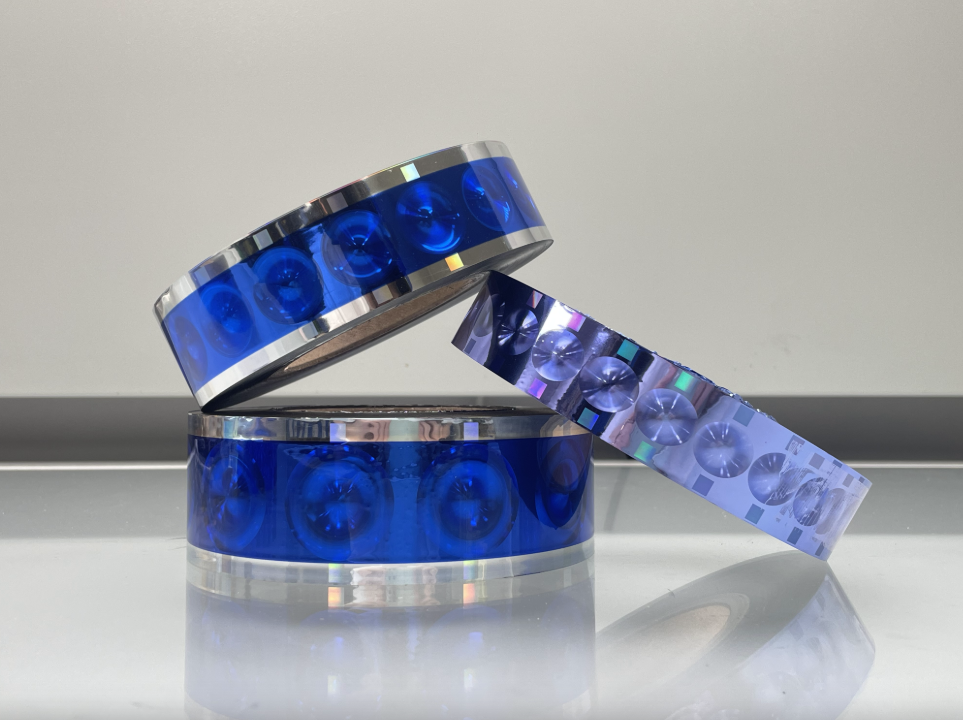
See how light shifts color and motion, adding secure visual effects that resist copying on printed cartons and retail labels for brands worldwide today.
2026/09/11
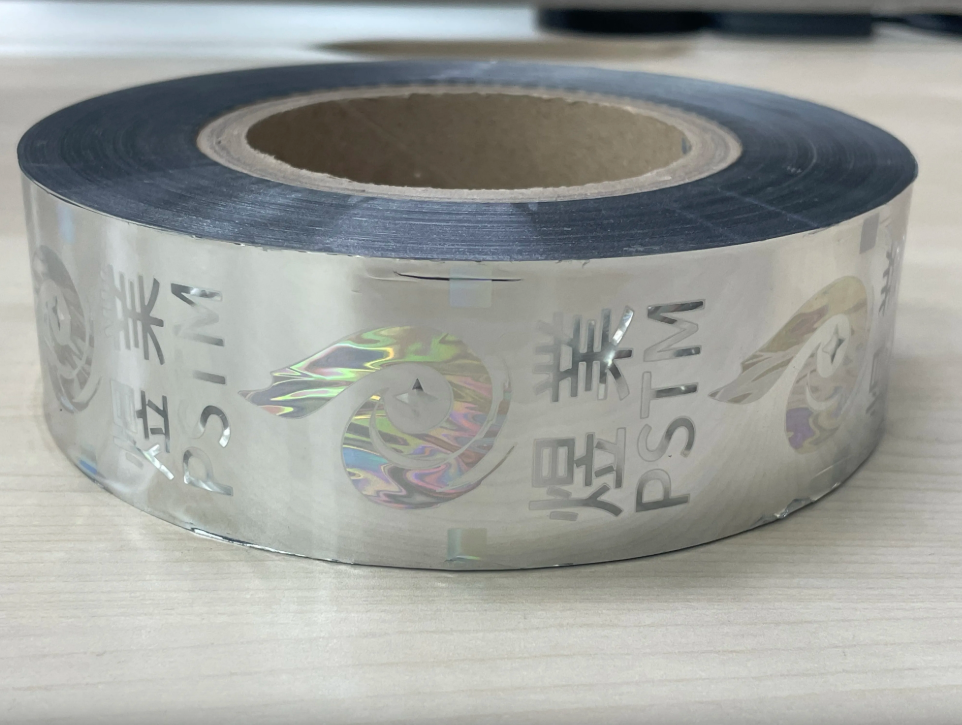
Security holograms and holographic labels add overt protection. Learn optics, foil, design, pitfalls, limits, and fake risks in real world use.
2026/09/11
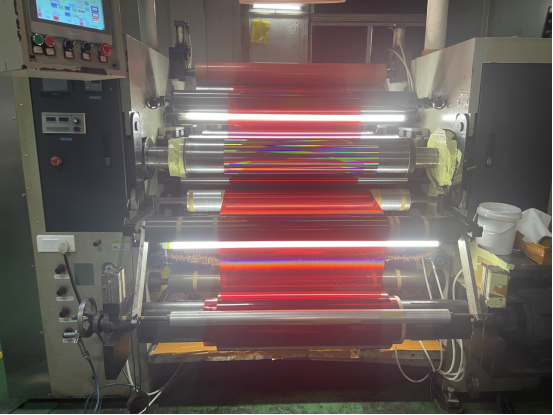
Learn how metal decoration works without heated dies, plus substrate limits and inline setup costs, quality control and output plans for packaging lines.
2026/09/11
Hot stamping foil uses heated dies; metallic ink prints via a printing process. Compare brilliance, adhesion, rub resistance, cost, substrate for decoration