custom-registered-holographic-cold-foils, custom-registered-holographic-cold-foils, /custom-registered-holographic-cold-foils383custom-registered-holographic-cold-foils-series
Inquiry
custom-registered-holographic-cold-foils, custom-registered-holographic-cold-foils, /custom-registered-holographic-cold-foils383custom-registered-holographic-cold-foils-series
custom-registered-holographic-cold-foils, custom-registered-holographic-cold-foils, 
Inquiry

Custom Registered Holographic Cold Foils

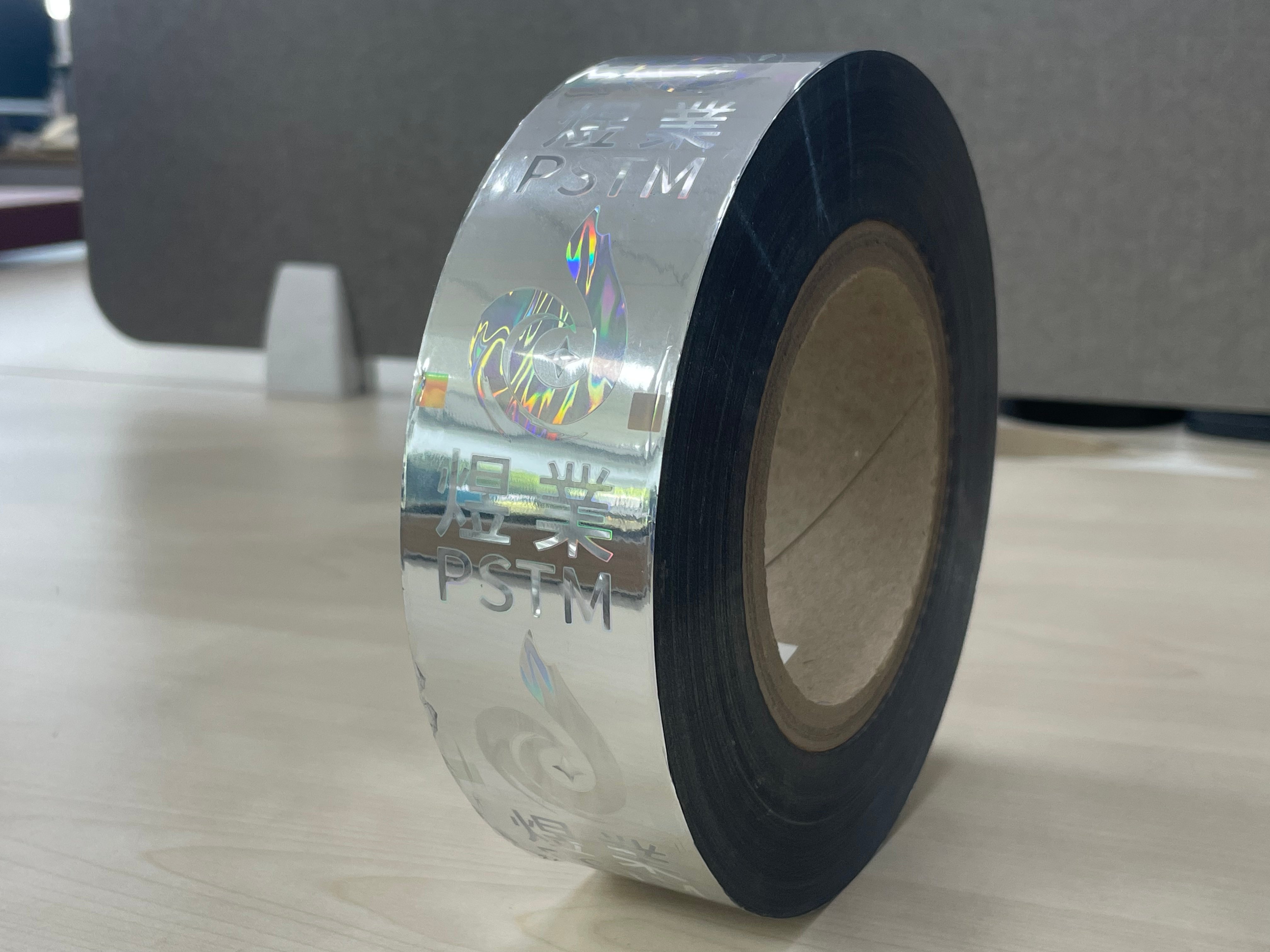
A custom registered flexo cold foil solution for brand-specific holographic patterns on labels and flexible packaging. Designed for custom registered holographic artwork for flexo cold foiling, it is matched to the actual substrate, machine, graphic area and downstream converting sequence. Available finishes include Holographic gold, silver, colored optical effects and custom registered patterns. Typical applications include premium labels, cosmetics, spirits, personal-care packaging, brand-protection labels and security-oriented narrow-web print.

Request a Quote
  • Overview

Overview

Product Brief

Custom Registered Holographic Cold Foils are designed for flexographic cold-foil projects that need a brand-specific optical image to land in a defined position on a label or flexible packaging web. Instead of treating holographic foil as a general metallic decoration, the construction is matched to the artwork repeat, receiving material, UV adhesive route and register-control capability of the selected press. This supports premium packaging programs where the effect must follow a logo, panel, border or security-oriented graphic with controlled placement.

The product can be specified in holographic gold, silver, colored optical effects and custom registered patterns. The final appearance is influenced by the printed background, substrate gloss, adhesive coverage and viewing angle, so the foil should be approved on the intended production material rather than from a free-standing sample alone. It is suitable for converters that need a practical route to differentiated label and narrow-web packaging decoration without using a heated stamping die.

Technical Specifications & Parameters

Parameter Attribute Technical Specification / Production Value
Product Category Custom registered holographic cold foil
Application Method Registered flexo cold foiling with a compatible UV adhesive and sensor-based repeat control
Transfer Principle No heated die; transfer depends on adhesive cure, nip contact, web tension and registration stability
Carrier Low-stretch PET carrier selected for the registered transfer process
Available Effects Holographic gold, silver, colored optical effects and custom registered patterns
Suitable Receiving Surfaces Coated label paper, compatible films and non-absorbent label structures used in flexo cold foiling
Supply Format Custom width, repeat layout and roll length according to artwork and press format
Storage Keep sealed, cool, dry and protected from sunlight, heat and humidity; recommended storage 5-35°C and use within 12 months from shipment

How Registered Cold Foiling Is Controlled

In a registered flexo cold-foil workflow, the adhesive image is applied first and the foil transfers only where the adhesive has been laid down and cured correctly. The press must keep the artwork repeat, sensor mark, adhesive image and foil repeat synchronized. Small changes in web tension, substrate stretch, sensor response or adhesive coverage can show as a shifted optical panel, a broken edge or incomplete coverage. For that reason, registration is planned from the artwork and press layout stage, not corrected only after the foil has been selected.

Custom Registered Holographic Cold Foils are particularly useful when the optical element is part of the design rather than a background effect. A logo may need a holographic highlight within a printed border, a label may require a repeating pattern to align with its die-cut area, or a brand-protection graphic may need a consistent position relative to printed information. The approved artwork should define the repeat, orientation and any critical visual boundaries before production sampling begins.

Material and Artwork Matching

Receiving surfaces that look similar can behave differently in cold foiling. Coating chemistry, surface energy, texture, film treatment and residual release agents affect how the adhesive wets and how cleanly the foil releases. Coated label papers, compatible films and non-absorbent label constructions are common starting points, but the actual material and adhesive system should be reviewed together. Dust, oil, moisture or an incompletely cured coating can create pinholes, patchy coverage and weak graphic edges.

Artwork structure also changes the required balance. Fine type, small symbols and narrow borders need clean release and stable register. Broad solids need even adhesive coverage and controlled contact across the full image. Mixed artwork may require a balanced construction that handles both detailed and solid areas on the same label. The foil should therefore be specified with the dominant graphic requirement, not only the desired color.

Key Product Features

  • Brand-specific holographic patterns coordinated with the label or packaging repeat.
  • Cold-foil route without a heated stamping die for suitable flexographic workflows.
  • Optical effects that can be positioned around logos, borders, panels and controlled decorative areas.
  • Custom roll width and repeat arrangement for the selected narrow-web press format.
  • Selection based on substrate, adhesive route, artwork detail and downstream conversion requirements.

Applications and Project Selection

Typical uses include premium cosmetics and personal-care labels, spirits and beverage labels, promotional packaging, specialty consumer products, brand-protection labels and security-oriented narrow-web printing. The strongest fit is a project where the registered optical effect has a defined design job: drawing attention to a brand mark, establishing a repeatable shelf signature or adding an optical layer that must align with printed graphics.

For sample matching or quotation, provide the receiving material and surface treatment, press and adhesive system, artwork file, repeat length, graphic coverage, expected production format, required effect and every downstream operation such as overprinting, varnishing, lamination, die-cutting or label conversion. A sample on the intended substrate is the right basis for color and brightness approval because a white paper, a printed film and a matte-coated structure can show the same optical foil differently.

Quality, Handling and Storage

Approval should evaluate placement accuracy, optical orientation, transfer continuity, fine-edge definition, foil coverage and the finished label after its planned converting steps. Store rolls in the original sealed packaging, support long rolls horizontally and protect roll edges from pressure damage. Before use, allow the material to acclimate to the production environment when warehouse and press-room conditions differ significantly. Keep the approved substrate, artwork revision, foil reference and process route with the purchasing record for repeat-order consistency.

Frequently Asked Questions

What information is needed for a registered cold-foil sample?
Provide the substrate, surface treatment, flexo press and adhesive route, artwork repeat, optical effect, roll format and all downstream converting steps. Those details determine the appropriate construction more reliably than color alone.

Does this product require a heated stamping die?
No. The process uses a cold-foil transfer route with compatible UV adhesive, curing and register control. The working window is established around the actual press, material and artwork.

Can the holographic pattern follow a logo or die-cut label shape?
Yes, provided the artwork repeat, sensor tracking and foil orientation are defined for the production route. The achievable result depends on the selected equipment and approved registration conditions.

Which surfaces should be considered first?
Coated label paper, compatible films and non-absorbent label constructions used in flexo cold foiling are the normal starting range. Exact suitability depends on coating, treatment and adhesive compatibility.

How should the rolls be stored?
Keep them sealed in the original packaging, away from direct sunlight, heat and humidity. Store at 5-35°C where possible, use within 12 months from shipment and protect the roll edges during handling.

Commercial Specification Checklist

Before placing an order, confirm the receiving substrate, adhesive system, artwork repeat and orientation, required optical effect, web width, roll length and downstream conversion route. This keeps visually similar but technically different jobs from being grouped under one foil reference and makes repeat production easier to control.

Custom Registered Holographic Cold Foils

A custom registered flexo cold foil solution for brand-specific holographic patterns on labels and flexible packaging. Designed for custom registered holographic artwork for flexo cold foiling, it is matched to the actual substrate, machine, graphic area and downstream converting sequence. Available finishes include Holographic gold, silver, colored optical effects and custom registered patterns. Typical applications include premium labels, cosmetics, spirits, personal-care packaging, brand-protection labels and security-oriented narrow-web print.

Request a Quote
custom registered holographic cold foils-2

Get a Free Quote

Our representative will contact you soon.
Email
Name
Company Name
Message
0/1000