EN
EN

What is the role of laser technology in anti-counterfeiting foil development?
2026/09/11
See how UV and femtosecond lasers write covert codes into anti-counterfeiting foils, plus CO2 demetallization limits and real-time process control.
2026/09/10
2026/09/10
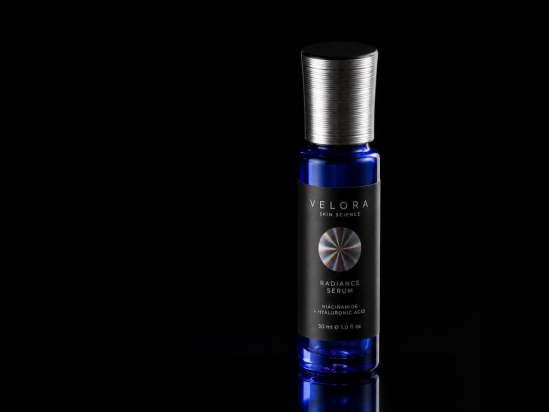
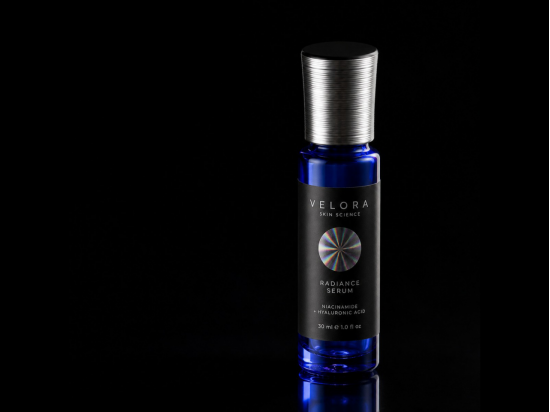
Metallic decoration is common on premium skincare, fragrance and color-cosmetic packaging because it creates a clear visual focal point under retail lighting. Gold, silver, rose-gold and holographic accents can distinguish a logo, product name or limited-edition element without covering the entire design. The effect should be treated as a design and production choice rather than proof of product efficacy or luxury on its own.
Hot stamping foil can produce a continuous, highly reflective metallic area that looks different from metallic ink, while cold foil may be preferable for inline printing and larger variable coverage. For cosmetic packaging, the decision should be based on the required reflectivity, edge definition, tactile construction, substrate, run size and finishing sequence. Foil contributes to perceived value only when the physical result remains consistent across the approved package components.
Metallic inks have their place. They are fast, they print inline, and they cost less per sheet than foil stamping. But place a metallic ink print next to a hot stamped carton and the difference is immediately visible. Metallic inks rely on aluminum or bronze pigment flakes suspended in a clear vehicle. Those flakes lie flat and scatter light in multiple directions, producing a sparkle rather than a coherent reflection. The result reads as "metallic-colored" rather than genuinely metallic.
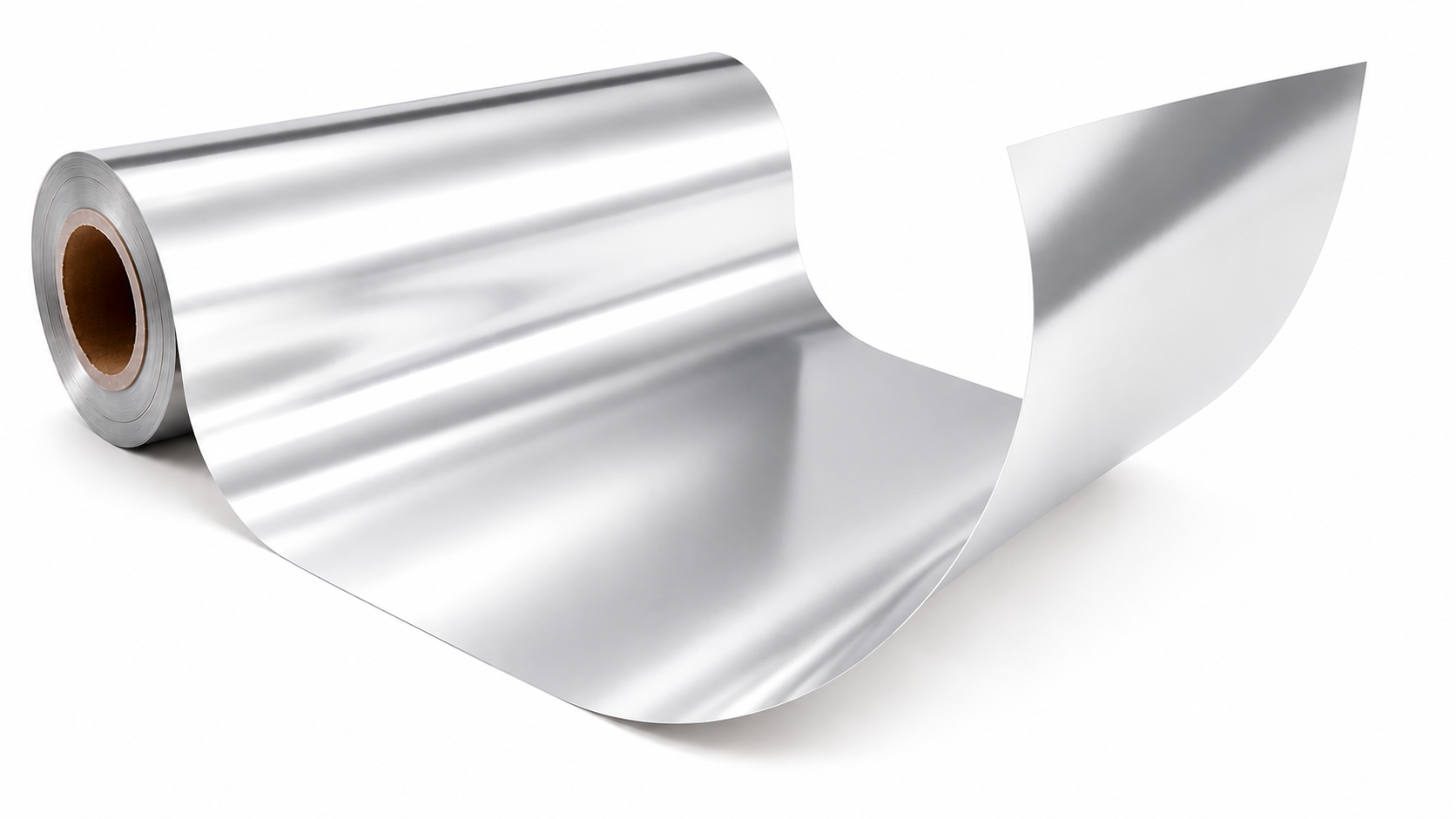
Hot stamping foil transfers a continuous vacuum-metallized layer from its carrier under heat and pressure. On a smooth, compatible surface this can create more directional reflection than metallic ink, whose pigment flakes scatter light through a printed binder. The comparison table below focuses on production-relevant differences without assuming that one process is best for every cosmetic pack.
| Selection factor | Hot stamping foil | Metallic ink |
| Metallic reflection | Continuous metallized layer can create directional, mirror-like highlights | Metallic pigment flakes usually create a more diffuse sparkle |
| Physical relief | Flat unless combined with embossing or debossing | Normally flat; texture depends on ink film and substrate |
| Fine detail | Depends on die, release, pressure and make-ready | Depends on plate, screen, ink rheology and press control |
| Production workflow | Separate die-based transfer step or combination press | Can be integrated into the selected printing process |
| Substrate matching | Requires a foil grade matched to substrate and coating | Requires a compatible ink, pretreatment and cure |
| Best approval method | Stamped proof on the final component | Printed proof with final coating and cure |
The difference between directional and diffuse reflection is a major reason brands evaluate foil for premium accents. However, gloss also depends on substrate smoothness, coating, die condition and the selected foil grade. Physical samples under the intended lighting are more reliable than a screen rendering or a generic color swatch.
E-commerce has transformed how cosmetics are sold, but the physical retail experience still drives discovery and premium positioning. When a shopper picks up a fragrance box or a skincare carton in a store, the fingers make a judgment before the eyes fully process the design. Weight, texture, and surface relief combine into an instantaneous quality signal.
Standard hot stamping transfers a thin metallic layer and is normally flat. A tactile raised or recessed effect requires a separate embossing, debossing or sculpted-die construction. When foil and embossing are combined, the visual highlight and physical relief can reinforce each other, but registration, board strength, cracking and fold position must be tested on the final carton.
A common challenge in multi-component cosmetic packaging arises when the same hot stamping foil must perform consistently across different substrates within a single product set. A brand might specify matching gold foil on a coated SBS outer carton, an uncoated or textured inner tray, and a promotional insert card, each with different surface characteristics. The expectation is that the same foil will deliver identical visual results across all three.
The result is more complicated than using one foil code across every component. Surface smoothness, coating chemistry, substrate color and heat response can change apparent gloss and color. Even when the same foil is specified, a sealed carton board, a textured insert and a coated plastic cap may not present an identical finish or use the same compatible grade.
Color approval on only one substrate leaves the remaining components unverified. The practical approach is to proof the intended foil or equivalent matched grades on every real surface, then compare them under the same lighting. If a common visual standard is required, the supplier and converter can adjust grade, surface preparation or process settings for each component rather than assuming that a heavier coating will solve every difference.
Decorative metallic foil can increase reproduction difficulty, but a standard color or logo should not be presented as an authentication system. Brand protection requires a deliberately designed feature such as a registered holographic image, covert element, serialisation or another verification method, together with controlled artwork and supply-chain management.
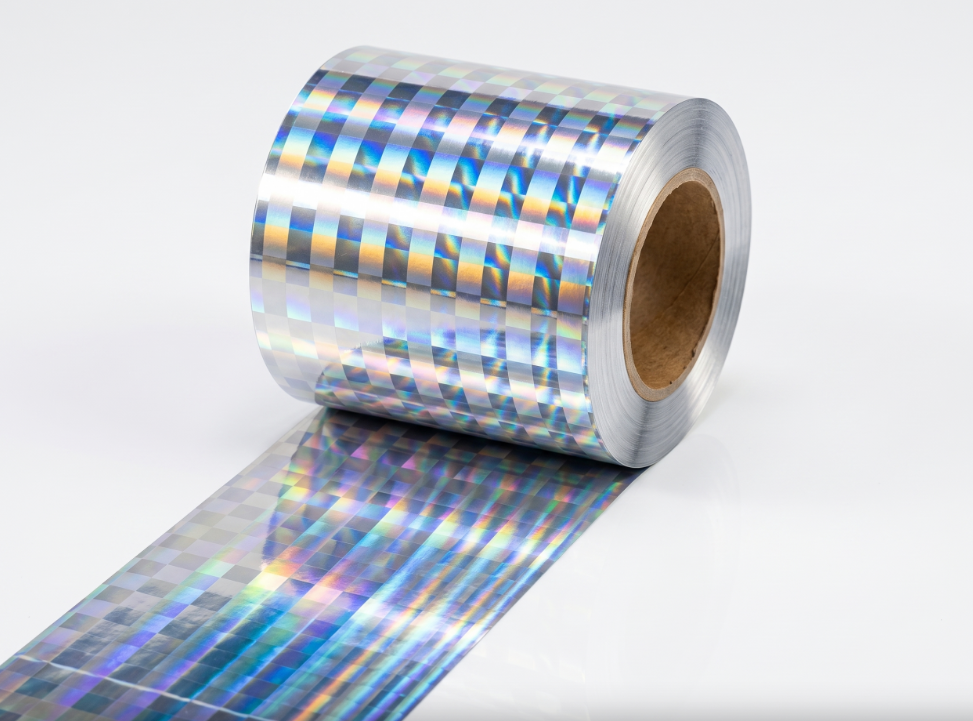
Custom colors and holographic patterns can support brand recognition, while registered or covert optical structures can add a security function when they are designed and controlled for that purpose. These routes have different artwork, registration and approval requirements. A decorative rose-gold foil is not automatically anti-counterfeiting simply because its color is difficult to match.
Hot stamping is not ideal for every cosmetic packaging application. Very small isolated text, broad solids on heat-sensitive structures and graphics crossing folds can require special dies, make-ready or alternative decoration methods. Tooling and setup also affect short-run economics. Digital metallic decoration or cold foil may be more practical for some short runs or frequently changing designs, while hot stamping remains strong for repeatable, defined accents.
Sustainability must be assessed for the complete package. Hot stamping leaves a PET carrier waste stream, and recycling compatibility depends on the substrate, coatings, adhesives, foil coverage and the rules of the receiving recycler. The transferred metallic layer is thin, but that fact alone is not a universal recyclability claim. Buyers should obtain material declarations and confirm the finished construction with their packaging and recycling requirements.
Consistent cosmetic-packaging results require controlled foil manufacture and a repeatable conversion process. GL Foils selects plastic grades by substrate, coating, graphic area and required alcohol or abrasion performance. The buyer should approve a physical standard and retain the foil code, substrate batch, coating, machine settings and resistance results so later production runs can be compared against the same reference.
2026/09/11
See how UV and femtosecond lasers write covert codes into anti-counterfeiting foils, plus CO2 demetallization limits and real-time process control.
2026/09/11
Hologram foil uses electron beam lithography, kinematic holography, dot matrix diffraction, and nanofabrication for secure high-definition packaging.

2026/09/11
See how light shifts color and motion, adding secure visual effects that resist copying on printed cartons and retail labels for brands worldwide today.
2026/09/11
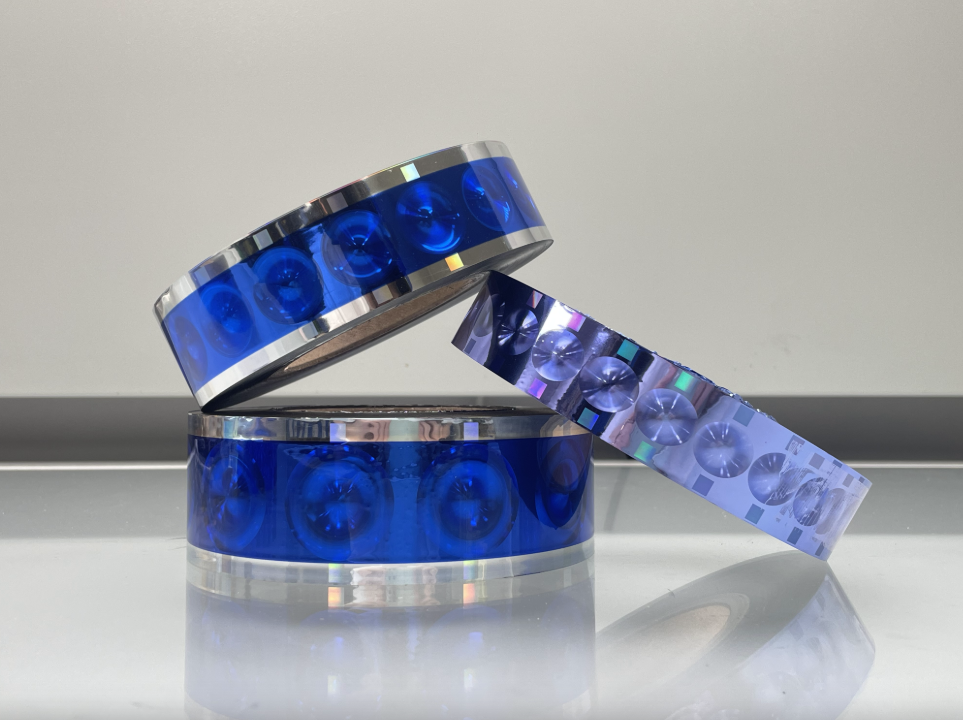
Security holograms and holographic labels add overt protection. Learn optics, foil, design, pitfalls, limits, and fake risks in real world use.
2026/09/11
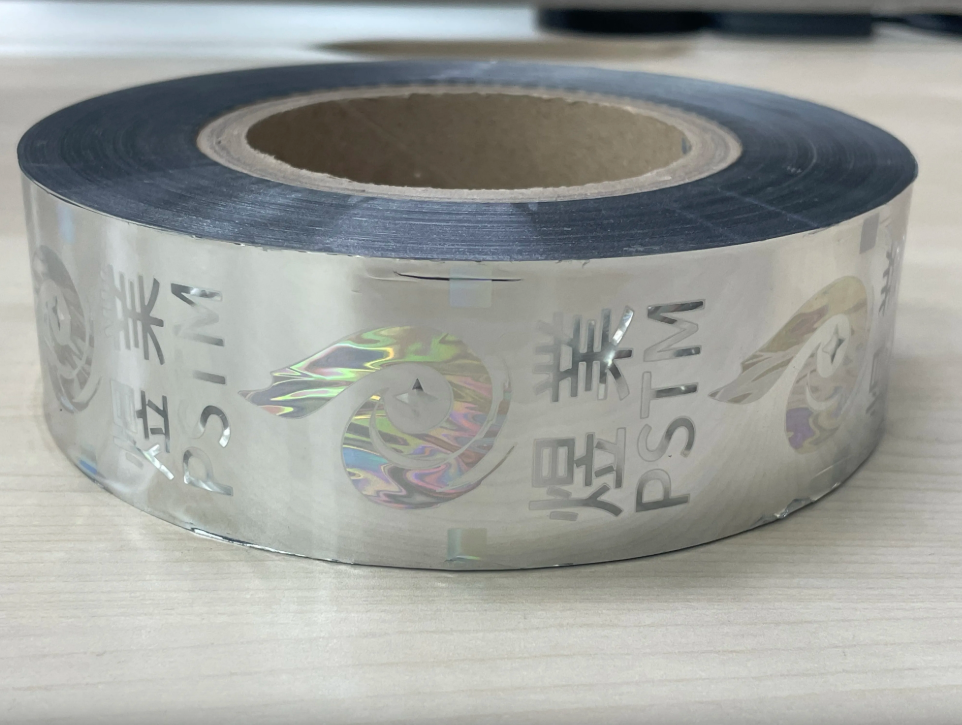
Learn how metal decoration works without heated dies, plus substrate limits and inline setup costs, quality control and output plans for packaging lines.
2026/09/11
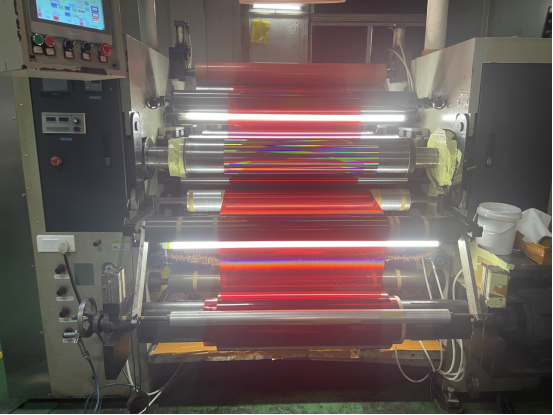
Hot stamping foil uses heated dies; metallic ink prints via a printing process. Compare brilliance, adhesion, rub resistance, cost, substrate for decoration