EN
EN

What is the role of laser technology in anti-counterfeiting foil development?
2026/09/11
See how UV and femtosecond lasers write covert codes into anti-counterfeiting foils, plus CO2 demetallization limits and real-time process control.
2026/08/19
2026/08/19
On a modern flexographic press running at full production speed, the cold foil process looks almost like magic. A UV-curable adhesive is printed onto the substrate in the exact pattern required, and then a roll of foil is nipped against the wet adhesive under controlled pressure. The UV lamp fires through the foil backing, instantly curing the adhesive and bonding the metallic layer to the printed areas. The spent polyester carrier is stripped away, leaving a crisp metallic design behind. All of this happens inline, at press speed, without ever slowing down.
The physics here matters more than most operators realize. Because curing happens from behind the foil, through the transparent carrier film, the adhesive crosslinks in milliseconds. There is no separate offline stamping station, no heated dies, no dwell time. The entire metallic transfer is completed between two rotating rollers. That inline nature is the foundation for everything cold foil achieves in high-volume work.
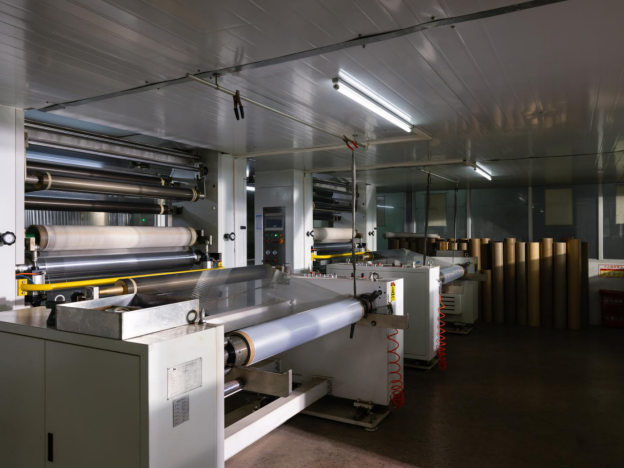
Production planners face a hard ceiling with traditional hot stamping. A heated brass or steel die must press foil against the substrate under high temperature and dwell pressure, which inherently limits cycle speed. Most standalone hot foil machines operate comfortably in the 2,500 to 4,500 sheets per hour range. Even sophisticated cylinder-based systems rarely exceed 6,000 sheets per hour on high-coverage metallic work.
Cold foil integrates directly into compatible printing equipment and can run as an inline process. GL Foils' flexo cold foil TDS gives a typical flexographic range of approximately 30-150 m/min, with actual output depending on substrate, adhesive, UV curing, artwork and press conditions. The value for large-volume work is the combination of inline transfer, stable web handling and fewer separate stamping steps.
One underappreciated advantage of cold foil lies in what does not happen. Traditional hot stamping introduces significant thermal energy into the substrate, particularly on large solid coverage areas. Paper and film substrates expand, contract, and sometimes permanently distort under the combination of heat and pressure. That thermal movement plays havoc with tight registration tolerances, especially on multi-color jobs that require subsequent printing passes.
Cold foil operates at ambient temperature. The UV curing reaction generates negligible heat in the substrate itself. With no thermal expansion to compensate for, registration remains stable throughout the entire run. For long runs, this thermal stability can support more consistent registration when the press, substrate, adhesive and UV system are properly matched. It should still be evaluated against the converter's own equipment and artwork tolerance.
Because the transfer point does not use a heated stamping die, cold foil can be considered for selected heat-sensitive films and label materials when the adhesive, surface treatment and curing system are compatible.
Cold foil transfers and cures without heating the substrate in the same way as a hot stamping die. This can give converters more flexibility across compatible label stocks, coated papers and selected films, but the adhesive, surface energy, UV system and end-use requirements must still be checked for each substrate.
Hot stamping dies represent a real capital line item. A high-quality engraved brass die for a folding carton layout can cost several thousand dollars, with lead times stretching to two weeks or more. Every design change means a new die, new setup time, and new temperature and pressure profiling on press.
Cold foil uses photopolymer or flexographic plates that cost a fraction of brass dies and can be produced in hours rather than weeks. Setup requires adjusting adhesive laydown and UV intensity, not mechanical alignment of heated tooling. The comparison table below illustrates typical resource requirements for a medium-complexity folding carton job with 50% metallic coverage, based on industry benchmarks from label and packaging converters:
| Comparison point | Hot foil stamping | Flexo cold foiling |
| Tooling cost per design | Higher upfront die cost | Lower plate cost; confirm by artwork and supplier |
| Tooling lead time | Depends on die machining and delivery | Typically shorter plate preparation |
| Makeready time per job change | Includes heated tooling and pressure setup | Inline adhesive, UV and web setup |
| Typical production route | Separate hot stamping operation | Inline flexographic cold foil transfer |
| Film compatibility | Depends on heat response and foil grade | Requires compatible adhesive, surface treatment and UV curing |
The economic comparison should be made from the converter's own die, plate, setup, waste and press-time costs. Cold foil can reduce dependence on heated dies and separate stamping steps, while the foil cost, adhesive system and UV setup remain part of the total calculation.
No technology fits every application perfectly, and cold foil has real limitations. The metallic brilliance achievable with cold foil depends heavily on the smoothness of the adhesive layer and the substrate surface. On uncoated, highly absorbent papers, the adhesive can soak in before UV cure, producing a duller metallic finish than a well-executed hot stamp on the same stock. Some luxury packaging brands deliberately specify hot foil precisely because the heat and pressure polish the foil surface to a glass-like reflectivity that cold foil cannot replicate.
Cold foil also requires a UV-curable adhesive, which introduces chemistry into the process. Certain food packaging applications with direct product contact demand careful adhesive selection and migration testing. Printers unfamiliar with UV flexo or offset may face a learning curve in dialing in adhesive coat weight and cure parameters. And on extremely coarse substrates like heavily textured uncoated boards, neither cold nor hot foil produces satisfactory results without a primer or coating step.
Acknowledging these tradeoffs matters because honest assessment helps converters pick the right tool for each job rather than forcing a single solution onto every project. Cold foil dominates in high-speed, high-volume, tight-registration scenarios with reasonably smooth substrates. It is not a universal replacement for hot stamping, just a vastly superior option where its strengths align with the job requirements.
In the broader landscape of foil decoration, selecting the right supplier affects cold foil performance because release, metallization and adhesive compatibility must match the actual process. GL Foils provides flexo cold foil options for packaging and label applications, with the final grade selected against the substrate, adhesive, UV system and artwork.
2026/09/11
See how UV and femtosecond lasers write covert codes into anti-counterfeiting foils, plus CO2 demetallization limits and real-time process control.
2026/09/11
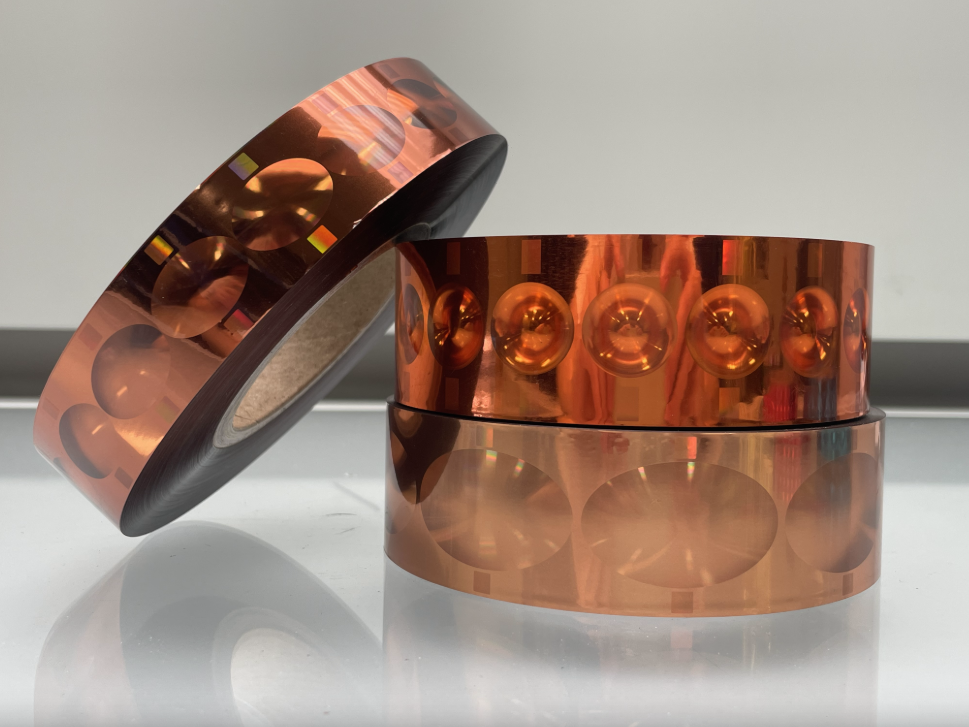
Hologram foil uses electron beam lithography, kinematic holography, dot matrix diffraction, and nanofabrication for secure high-definition packaging.
2026/09/11
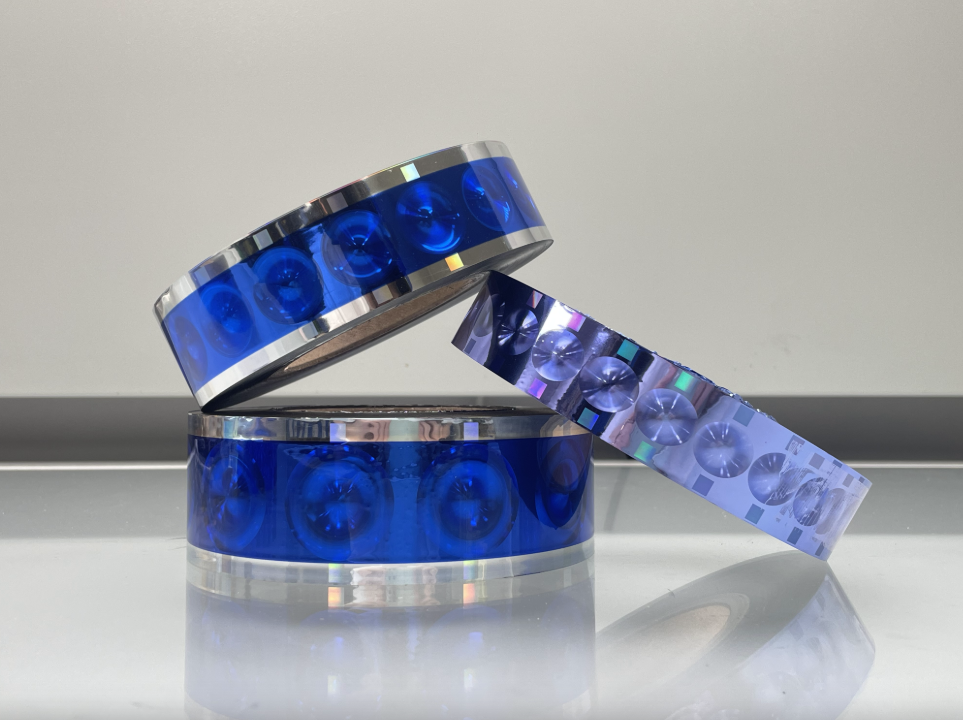
See how light shifts color and motion, adding secure visual effects that resist copying on printed cartons and retail labels for brands worldwide today.
2026/09/11
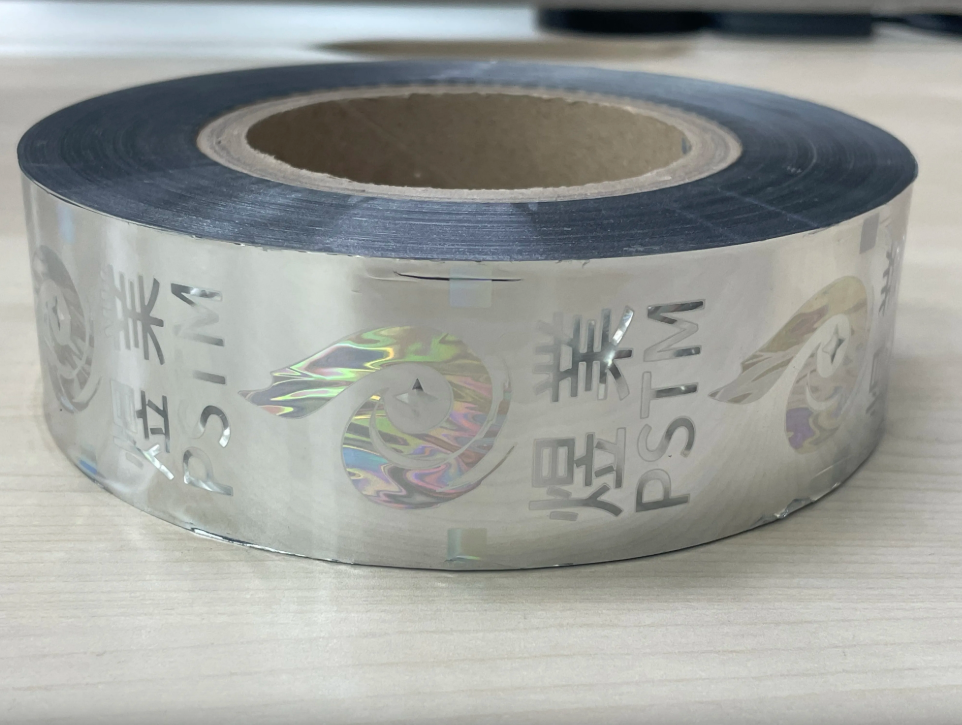
Security holograms and holographic labels add overt protection. Learn optics, foil, design, pitfalls, limits, and fake risks in real world use.
2026/09/11
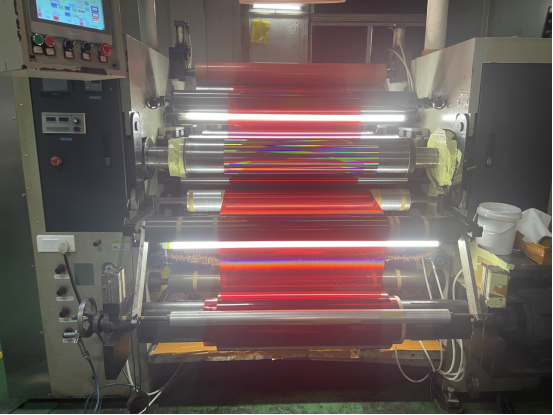
Learn how metal decoration works without heated dies, plus substrate limits and inline setup costs, quality control and output plans for packaging lines.
2026/09/11
Hot stamping foil uses heated dies; metallic ink prints via a printing process. Compare brilliance, adhesion, rub resistance, cost, substrate for decoration