EN
EN
What is the role of laser technology in anti-counterfeiting foil development?
2026/09/11
See how UV and femtosecond lasers write covert codes into anti-counterfeiting foils, plus CO2 demetallization limits and real-time process control.
2026/08/13
2026/08/13
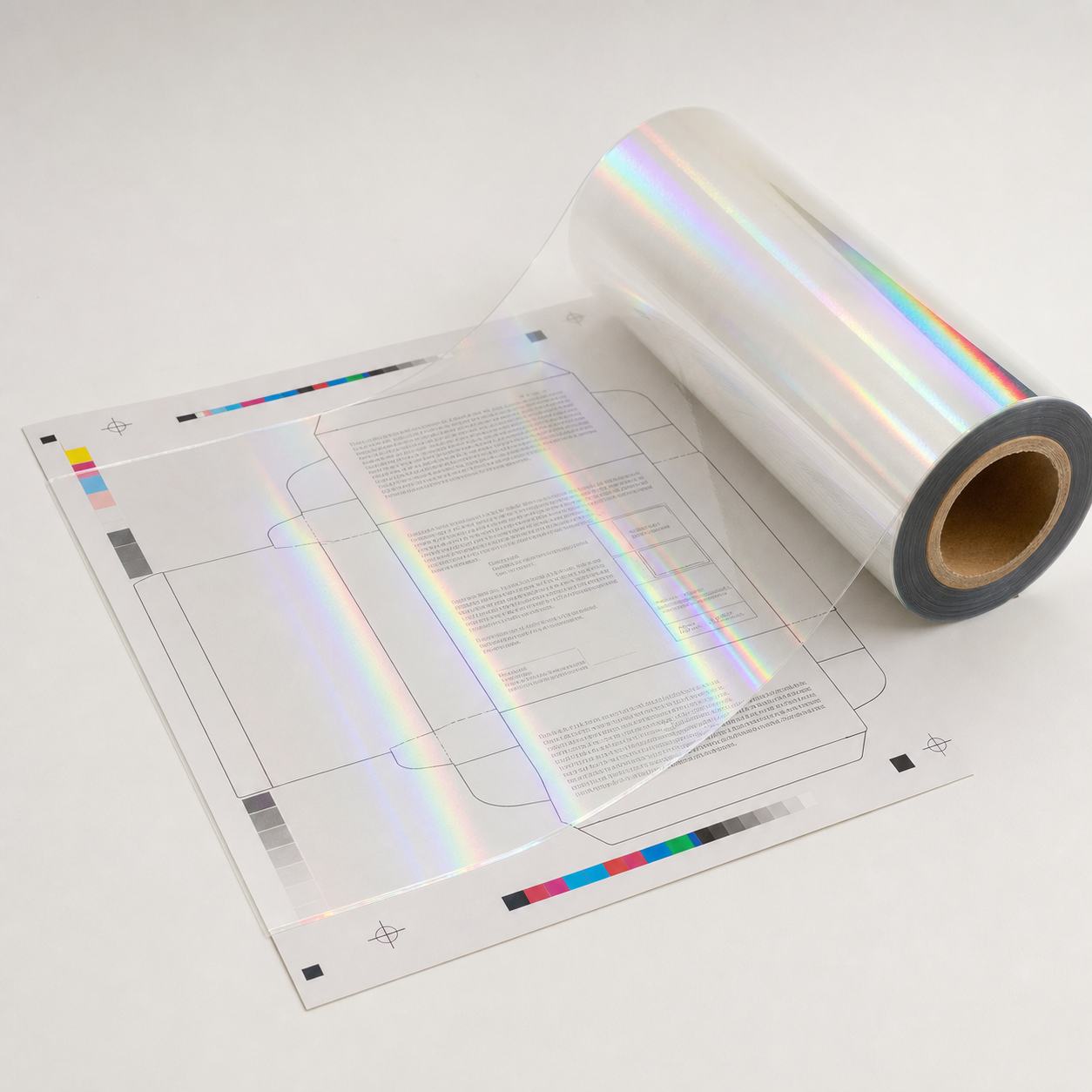
A limited-edition package has a short opportunity to communicate that it is different from the permanent product line. Holographic foil for luxury packaging can create changing light and patterned detail that is immediately visible on a shelf or during unboxing. The effect is especially useful when the design needs a focal point for a logo, edition mark, decorative emblem or selected border. It should support the story of the release rather than become decoration without a clear purpose.
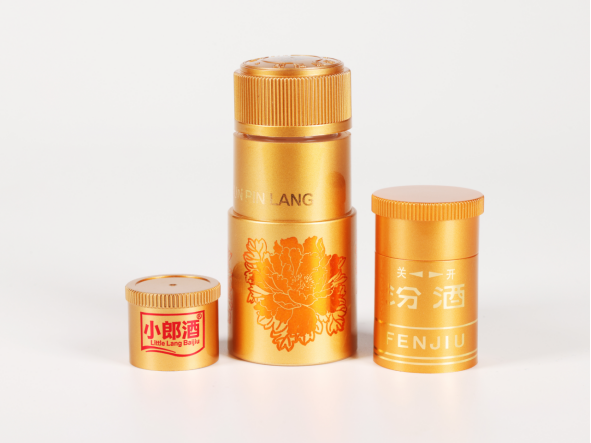
Gold and silver metallic finishes communicate value, but they are also familiar across many packaging categories. A holographic pattern can give a seasonal or collectible package a more specific visual identity. A standard repeating pattern may be sufficient for a short campaign, while a custom pattern can connect the release to a brand mark, anniversary, collaboration or special collection. This distinction helps the design team balance preparation time with the expected life of the packaging.
Luxury packaging often benefits from contrast. A soft-touch or matte paper surface can provide a quiet background while a holographic emblem or narrow foil area supplies movement. A fully covered holographic surface may reduce hierarchy if the base printing is already complex. The artwork should reserve enough unfoiled space for the package shape, color system and typography to remain clear. In many cases, a small, well-positioned feature has more brand value than a large area with weak registration or visual noise.
Custom holographic foil patterns can be designed around a brand monogram, geometric language or repeat motif. Registered placement can further control how the pattern relates to the printed artwork. These features can make a package easier for brand teams and distributors to recognize, and they can raise the effort required to imitate the visual treatment casually. They should still be presented as brand-identification or security-oriented features, not as a standalone guarantee against counterfeiting.
Luxury packaging may use coated paperboard, matte-coated paper, UV-varnished surfaces, specialty paper and selected plastic components. Each surface changes the way the foil releases, bonds and reflects light. Folding, embossing, lamination, overprinting and die-cutting can also affect the approved result. A realistic sample should use the actual paper, coating, artwork and downstream sequence so the team can judge both appearance and production stability.
Limited packaging can involve smaller quantities, frequent artwork changes and more than one package format. The approval record should retain the selected foil identification, pattern, color, substrate, stamping route and sample appearance. This makes a seasonal reorder easier to reproduce and helps prevent a visually different substitute from being used without review. Where the package is distributed across several locations, consistent artwork and material control are particularly important.
Luxury brands use holographic foil for limited-edition packaging because it can communicate distinction quickly, create a recognizable visual feature and support a more memorable unboxing experience. The strongest result comes from a disciplined combination of pattern, substrate, artwork and process. Decide first what the limited edition needs to communicate, then choose the simplest foil construction that delivers that result reliably.
Why is holographic foil suitable for limited-edition packaging? Its changing optical effect can create a clear visual difference from the permanent product line and support a distinctive release identity.
Does substrate affect the final holographic effect on luxury limited packaging? Yes. Different paper textures, surface coatings and plastic materials change foil adhesion, light reflection and overall finesse. Real packaging substrate is required for accurate color and optical evaluation.
Can custom holographic patterns prevent casual imitation for limited editions? Yes. Exclusive custom and registered holographic details raise visual uniqueness and imitation difficulty, serving as effective brand identification and security-oriented features for short-run premium releases.
2026/09/11
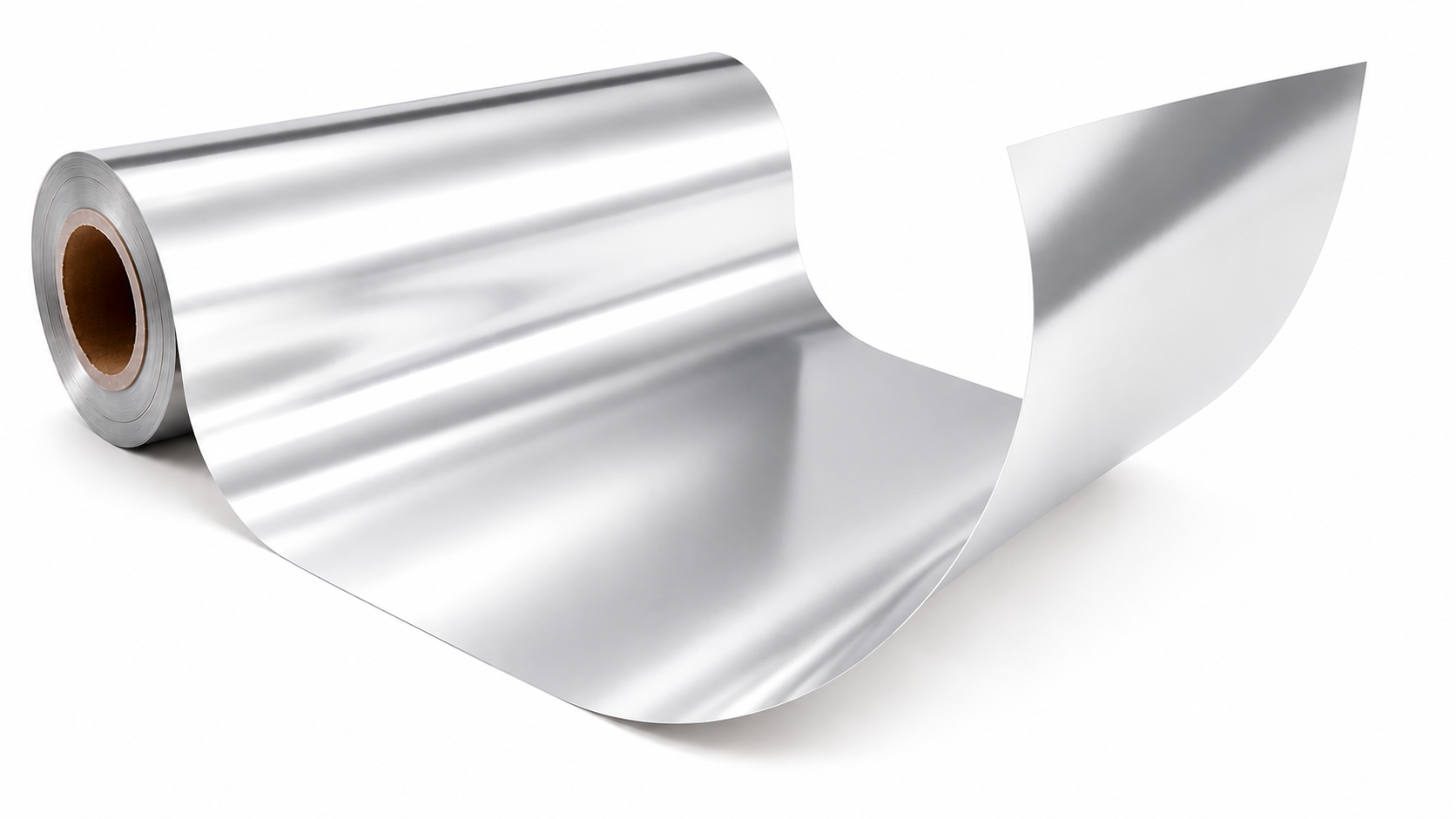
See how UV and femtosecond lasers write covert codes into anti-counterfeiting foils, plus CO2 demetallization limits and real-time process control.
2026/09/11
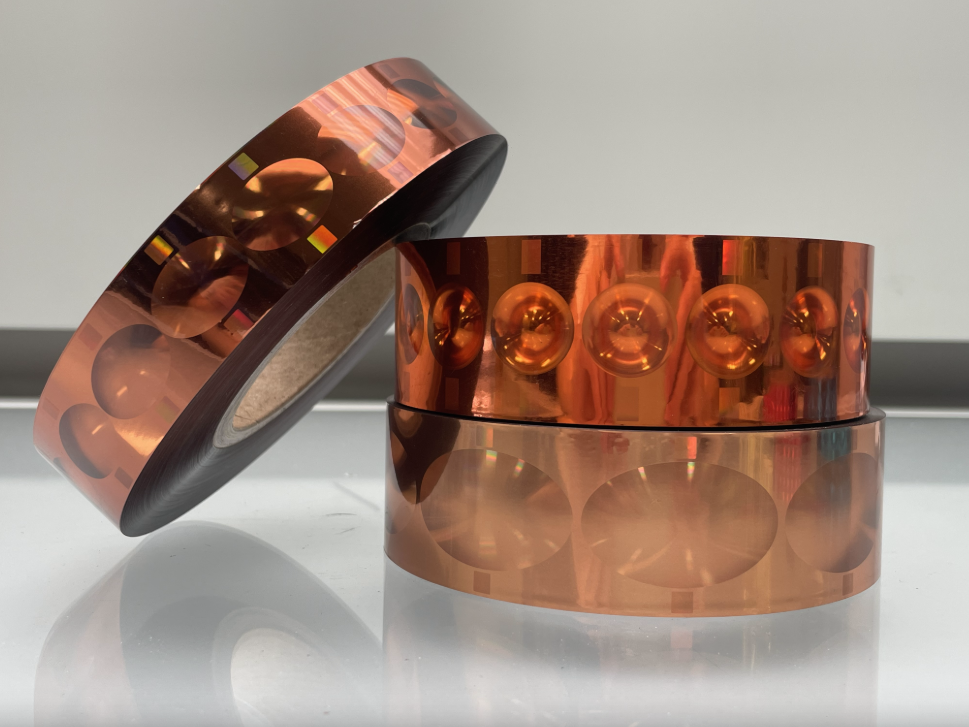
Hologram foil uses electron beam lithography, kinematic holography, dot matrix diffraction, and nanofabrication for secure high-definition packaging.
2026/09/11
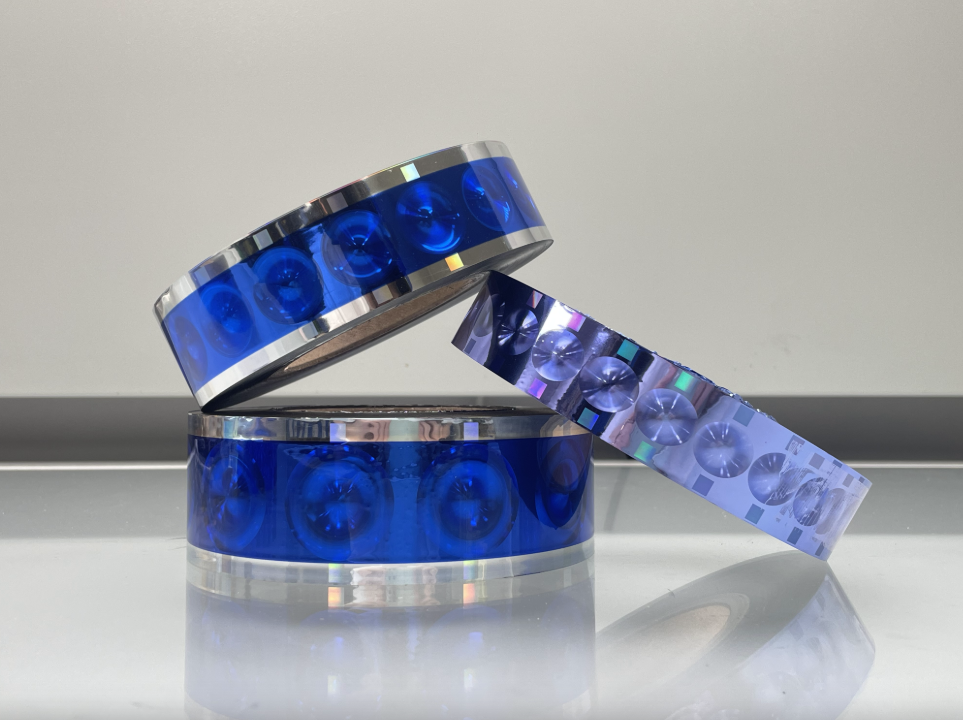
See how light shifts color and motion, adding secure visual effects that resist copying on printed cartons and retail labels for brands worldwide today.
2026/09/11
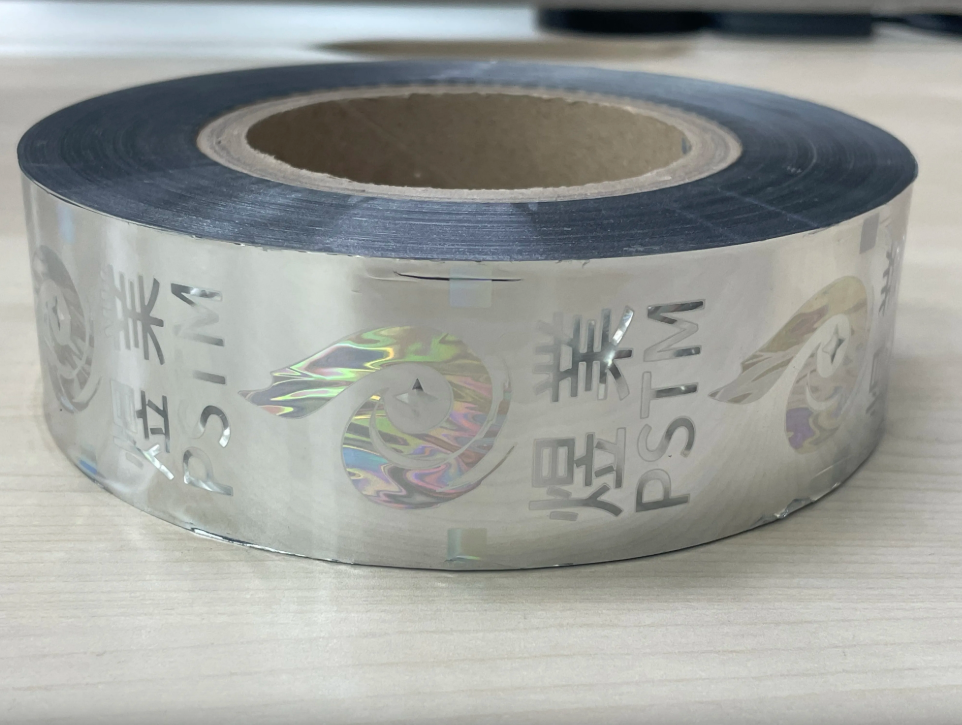
Security holograms and holographic labels add overt protection. Learn optics, foil, design, pitfalls, limits, and fake risks in real world use.
2026/09/11
Learn how metal decoration works without heated dies, plus substrate limits and inline setup costs, quality control and output plans for packaging lines.
2026/09/11
Hot stamping foil uses heated dies; metallic ink prints via a printing process. Compare brilliance, adhesion, rub resistance, cost, substrate for decoration