EN
EN

What is the role of laser technology in anti-counterfeiting foil development?
2026/09/11
See how UV and femtosecond lasers write covert codes into anti-counterfeiting foils, plus CO2 demetallization limits and real-time process control.
2026/07/30
2026/07/30
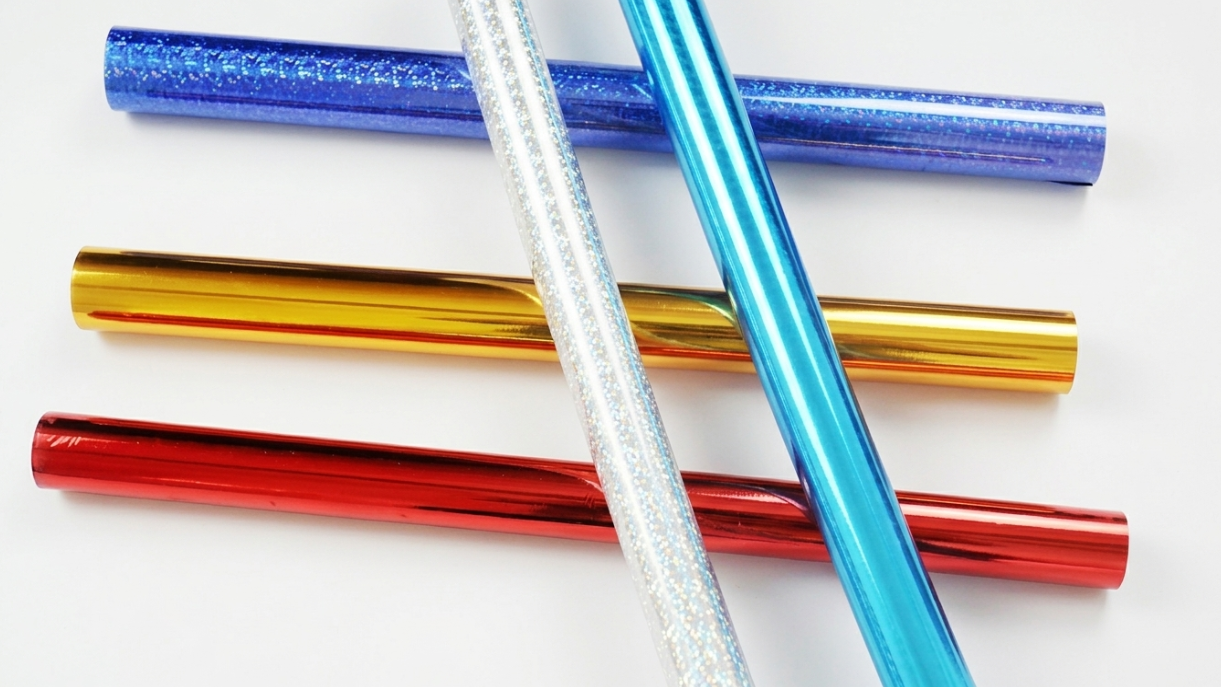
Modern fashion marketing relies heavily on unboxing reels, street style snapshots and short video content shared across TikTok, Instagram and Pinterest. Conventional metallic hot stamping provides only static metallic shine, whereas specialty functional stamping foils including iridescent rainbow holographic options deliver dynamic shifting color spectrums that achieve superior performance in digital footage. For fashion packaging, the practical advantage is visual differentiation: angle-dependent color shifts can make hang tags, boxes, and inserts more distinctive in store photography and short-form video. The actual response depends on the creative execution, audience, and campaign distribution.
Such visual advantages translate clearly into real-world fashion packaging applications. Rainbow foiling on apparel hang tags and packaging inserts creates eye-catching variable colour effects that resonate strongly with social media audiences. Shortly after seasonal product rollouts, many shoppers share unsponsored visual content capturing the dynamic colour shift under natural and indoor lighting. This changing visual characteristic can create more distinctive product imagery than static printing alone, giving seasonal campaigns additional content to use across social channels. It should support the campaign rather than be treated as a guaranteed source of organic reach.

Seasonal fashion lines need visual cues that instantly communicate collection themes, and rainbow foiling acts as a flexible design tool to translate abstract seasonal moods into tangible packaging details. Spring pastel-focused lines use low-density micro-prism rainbow foiling for soft, muted iridescent shifts, while summer festival collections deploy high-brightness variants with bold cyan, magenta and gold color transitions. Autumn and winter limited runs often pair dark matte cardstock with subtle rainbow edge stamping to contrast warm earth-toned garment palettes.
Unlike fixed printed gradients or pre-mixed metallic inks, the light-reactive nature of rainbow foiling delivers multiple color moods within one single material. Shoppers view the packaging differently in store window sunlight, indoor fluorescent retail lighting and home ambient light, creating layered sensory impressions that deepen connection to seasonal brand narratives.
Fashion retail spaces are highly saturated. Numerous brand collections occupy similar display racks during seasonal new product launches. Consumers rapidly check hangtags and outer packaging while choosing clothing. Striking specialty stamping foils deliver instant visual highlights to influence purchase decisions.
|
Finish Type |
Shelf Attention Capture Performance |
Relative Material Cost |
Counterfeit Difficulty Level |
|
Plain gold hot stamping |
Short attention window |
Baseline cost |
Low |
|
Matte silver foil stamping |
Slightly improved attraction |
Slightly above baseline |
Low |
|
Matte silver foil stamping |
Strong visual draw on shelf |
Moderately higher than baseline |
Medium-High |
|
Standard rainbow foiling |
Outstanding visual differentiation |
Significantly higher than baseline |
Very High |
The comparison highlights that rainbow foiling delivers far stronger visual traction and holds consumer attention longer than conventional gold foil, forming a vital competitive advantage amid crowded seasonal collections vying for shoppers’ limited attention. Mass-market fast fashion brands adopt standard rainbow foiling to distinguish their garments amid visually similar merchandise, while luxury brands deploy custom patterned holographic rainbow finishes to differentiate limited seasonal releases from permanent core product lines.
Limited seasonal packaging may also benefit from visible optical features that are harder to reproduce with ordinary printing. Rainbow foil creates angle-dependent color shifts through its diffraction structure, but it should be presented as one layer of brand protection rather than a complete anti-counterfeiting system.
Many mid-tier and luxury fashion brands add subtle custom micro-patterns embedded within rainbow foiling layers for seasonal authentication markers. During routine packaging quality audits for high-end seasonal capsule collections, inspectors often detect counterfeit hang tags that fail to replicate the precise prism holographic overlay required for stable rainbow light refraction — a delicate optical feature only identifiable under angled retail lighting. This optical feature can support visual inspection by brand and quality teams, but its effectiveness depends on the registered artwork, production consistency, and the wider authentication system.
Seasonal fashion campaigns deploy branded elements across far more surfaces than just paper hang tags, ranging from plastic apparel zip lock bags, coated fabric woven labels, PU accessory boxes and coated paper gift cartons. Rainbow foiling can be developed for selected paper and plastic packaging substrates. Adhesion and durability depend on the foil grade, substrate surface, artwork, and production conditions, so sampling on the final material is required.
Standard single-purpose metallic foils often fail to transfer cleanly onto smooth plastic or flexible fabric substrates, forcing brands to source separate finishing materials for each packaging component. Multi-compatible rainbow foiling eliminates the need for split material orders, streamlining supply chain planning for short-turnaround seasonal production schedules.
Rainbow foiling carries documented drawbacks that design teams must weigh before full seasonal rollout, preventing unrealistic production expectations. Two key limitations affect long-term seasonal merchandise display:
1.Extended direct UV exposure gradually degrades the micro-prism layers, weakening the dynamic rainbow color shifting effect over prolonged outdoor window display. Indoor retail storage and short-term consumer use effectively prevent such performance degradation.
2.Extremely fine graphic lines face incomplete transfer during hot stamping. Designers should appropriately adjust logo and pattern stroke widths to secure clear, intact rainbow foil coverage for intricate seasonal artwork.
These constraints do not rule out rainbow foiling for seasonal collections, but they guide practical design choices such as limiting large foil areas on window-facing retail displays and simplifying tiny decorative graphic elements before press setup.
Experienced foil manufacturers maintain specialty stamping-foil ranges for different visual effects and substrate requirements. GL Foils can evaluate suitable foil grades for paper and selected plastic packaging applications based on the customer’s artwork and production conditions. As a leading supplier of holographic hot stamping foils, GL Foils boasts stable large-scale annual output to guarantee reliable lead times for rushed seasonal collection packaging orders. GL Foils operates full in-house R&D and testing centers, where professional teams fine-tune foil adhesion performance and holographic brightness to match custom substrate combinations exclusive to each fashion brand.
2026/09/11
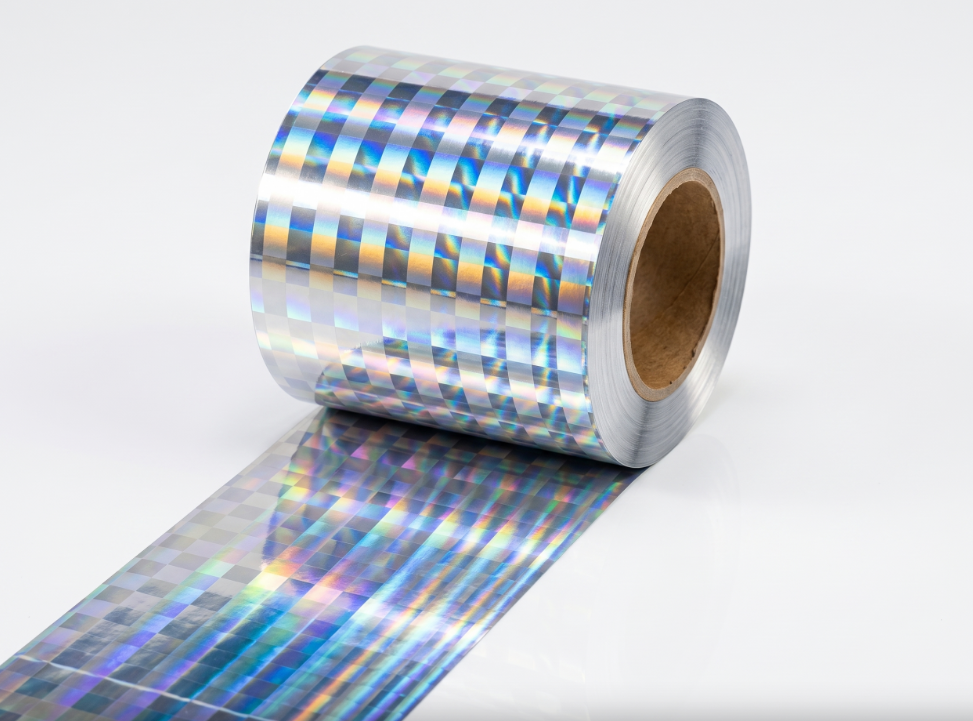
See how UV and femtosecond lasers write covert codes into anti-counterfeiting foils, plus CO2 demetallization limits and real-time process control.
2026/09/11
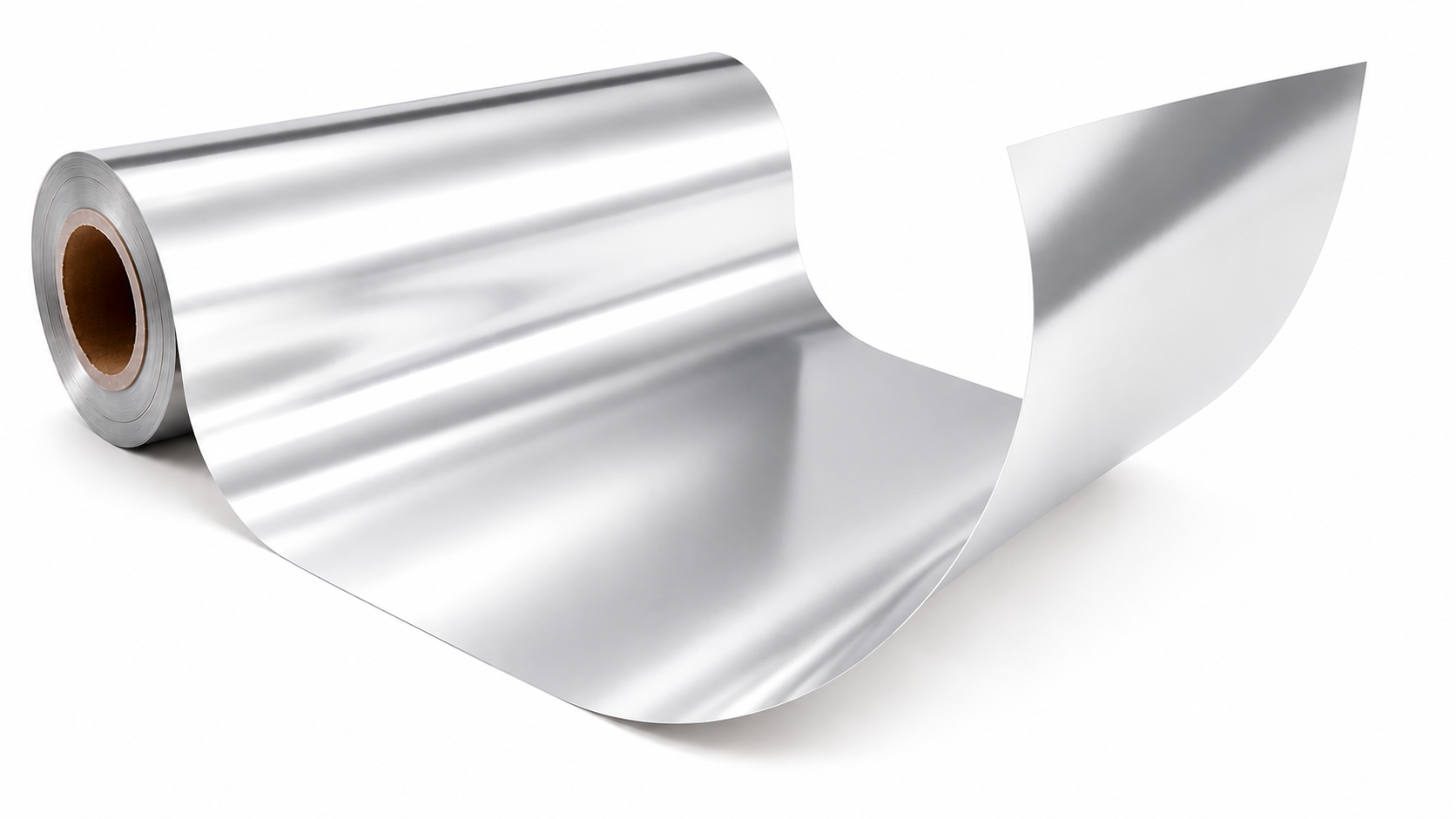
Hologram foil uses electron beam lithography, kinematic holography, dot matrix diffraction, and nanofabrication for secure high-definition packaging.
2026/09/11
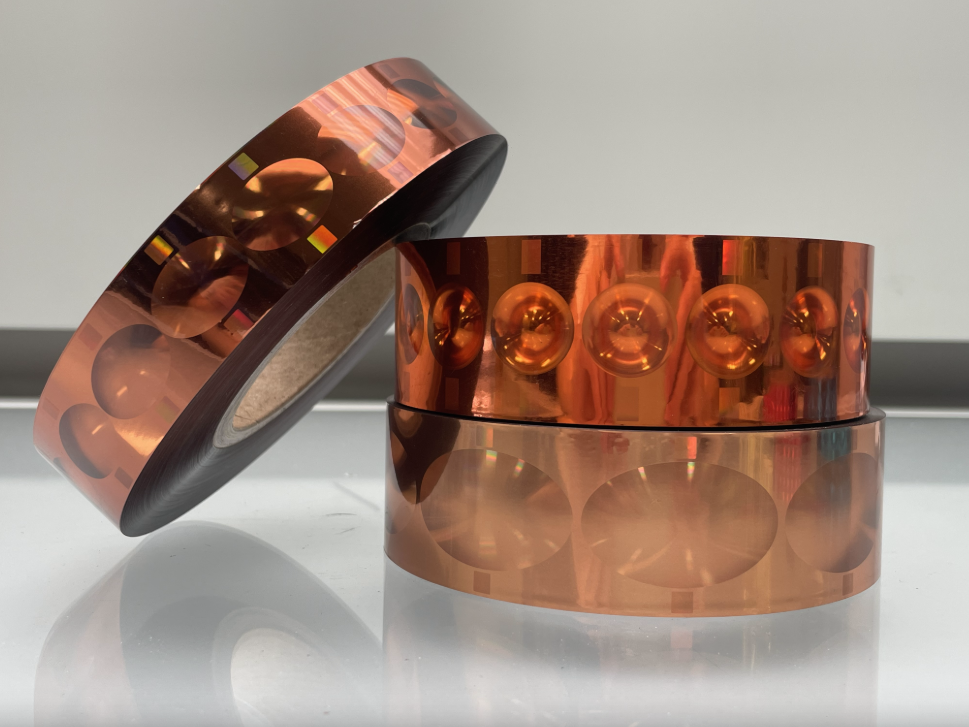
See how light shifts color and motion, adding secure visual effects that resist copying on printed cartons and retail labels for brands worldwide today.
2026/09/11
Security holograms and holographic labels add overt protection. Learn optics, foil, design, pitfalls, limits, and fake risks in real world use.
2026/09/11
Learn how metal decoration works without heated dies, plus substrate limits and inline setup costs, quality control and output plans for packaging lines.
2026/09/11
Hot stamping foil uses heated dies; metallic ink prints via a printing process. Compare brilliance, adhesion, rub resistance, cost, substrate for decoration