EN
EN
What is the role of laser technology in anti-counterfeiting foil development?
2026/09/11
See how UV and femtosecond lasers write covert codes into anti-counterfeiting foils, plus CO2 demetallization limits and real-time process control.
2026/09/11
2026/09/11
Hot stamping foil creates graphics without depositing liquid ink. A heated die applies pressure through the foil carrier, activating release and adhesive layers so the selected coating transfers only in the die area. Offset, flexo and gravure printing deposit ink through plates or cylinders and control color through ink formulation, film weight and screening. The key distinction is therefore the decoration system: hot stamping transfers a pre-manufactured metallic or pigment coating, while printing builds the image from ink on press. Both still depend on substrate surface, curing and process control.
Metallic ink is often considered when a metallic color must be printed inline or over a large area. Its pigment flakes normally create a more diffuse reflection than a continuous vacuum-metallized foil layer. Durability is not automatically higher for either route: it depends on the ink binder or foil grade, substrate, coating, cure and required rub, solvent or aging test. A fair comparison uses the same production substrate and the same acceptance criteria.
The table below compares practical selection factors for hot stamping, offset, flexo and gravure. These are process characteristics rather than universal laboratory rankings; equipment, ink system, foil grade and substrate can change the result.
| Method | How the image is formed | Metallic-character note | Typical production fit |
| Hot stamping foil | A heated die transfers a prepared coating from a carrier | Often directional and mirror-like on a suitable smooth surface | Defined accents, repeat jobs and optional embossing |
| Offset printing | Ink transfers from plate to blanket and then to the substrate | Metallic ink is normally more diffuse | Sheet-fed or web printing, mainly paper and board |
| Flexo printing | A flexible relief plate and anilox deposit ink | Metallic ink is normally more diffuse | Inline labels and flexible packaging |
| Gravure printing | Engraved cylinder cells deposit ink | Metallic ink is normally more diffuse | Long-run web printing |
Use physical proofs and job-specific tests to make the final decision. Visual gloss, line quality, adhesion and resistance should be checked on the actual substrate instead of inferred from a generic process comparison.
Shelf stability depends on the complete decoration system. Metallic ink can lose gloss or abrade when the binder, cure or protective coating is not matched to use conditions. Hot stamping foil can provide a durable metallic surface when the foil grade and substrate are compatible, but it can still fail through edge lift, scratching, solvent exposure or poor coating cure. Compare both routes with the required rub, alcohol, fold, humidity or aging test rather than assuming a fixed durability advantage.
Each decoration method has substrate and equipment limits. Offset is strongest on paper and board, while flexo and gravure are widely used for labels and films with suitable inks and pretreatment. Hot stamping foil also requires grade-specific matching: GL Foils HP1/HP2 ranges target paper and paperboard, while separate plastic grades cover selected PP, PC, ABS, PVC, PET/PETG and coated components. No route should be described as universal across all materials.
Visual effect should not be the only selection criterion. Tooling, setup, press availability, run length, artwork changes, required finishing and quality testing all affect total production cost. Three comparisons are especially useful:
1. Tooling and change cost: hot stamping needs a die and make-ready; offset, flexo and gravure require their own plates or cylinders. Any design change can affect tooling in either route, so compare the actual repeat length, plate life and revision frequency.
2. Auxiliary processing: metallic ink may or may not need a protective varnish, while foil may need embossing, primer or a matched coating depending on the design. Include every required station rather than assuming one route eliminates secondary processing.
3. Order volume and workflow: inline printing can be efficient for continuous designs, while hot stamping can be effective for defined accents and repeat orders once the die and setup are established. Short-run economics depend on local equipment, waste, tooling and changeover time, not one universal break-even quantity.
GL Foils supports hot stamping foil selection by substrate, coating, artwork and resistance requirement. Buyers comparing foil with printing should share the real package construction and acceptance tests so the converter can evaluate gloss, edge definition, durability, cost and production speed on the same basis.
Build the comparison around one artwork and one approved substrate. Define the metallic area, minimum line width, target gloss, registration tolerance and required resistance test before requesting samples. Ask the hot stamping converter to record foil grade, die, temperature, pressure and speed; ask the printer to record ink system, film weight, curing condition and any protective coating. Viewing two uncontrolled samples side by side may show a visual preference, but it does not explain whether the result can be repeated in production.
Then compare total workflow rather than material price alone. Include die or plate cost, make-ready waste, press time, curing or varnish stations, changeover frequency, inspection and the consequences of a failed batch. Hot stamping may be preferred when directional metallic brilliance, defined accents or optional embossing justify a separate finishing step. Metallic ink may be preferred when the design must run inline, cover larger areas or change frequently. The decision is strongest when appearance, durability, speed and total converted cost are measured on the same finished package.
2026/09/11
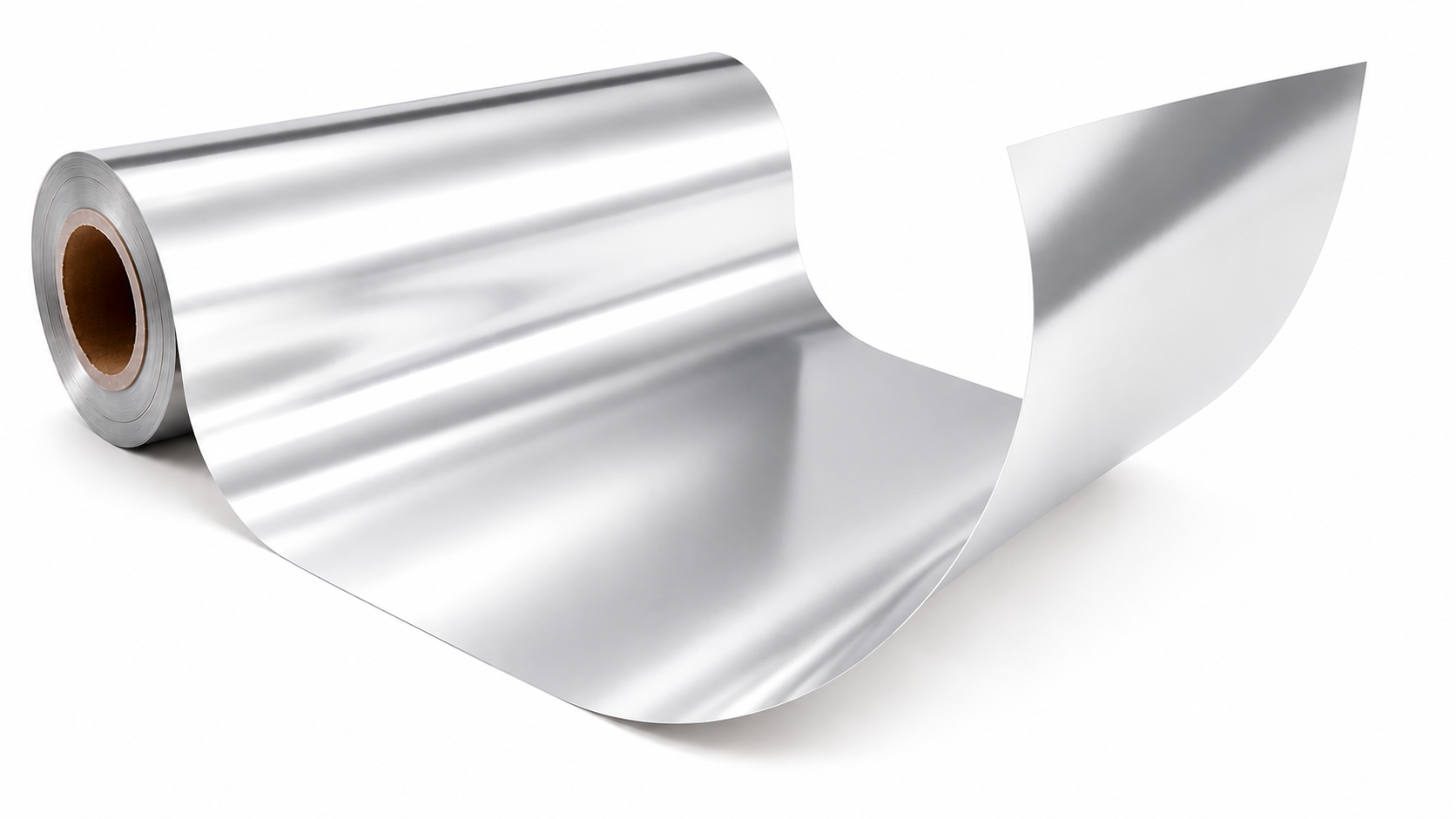
See how UV and femtosecond lasers write covert codes into anti-counterfeiting foils, plus CO2 demetallization limits and real-time process control.
2026/09/11
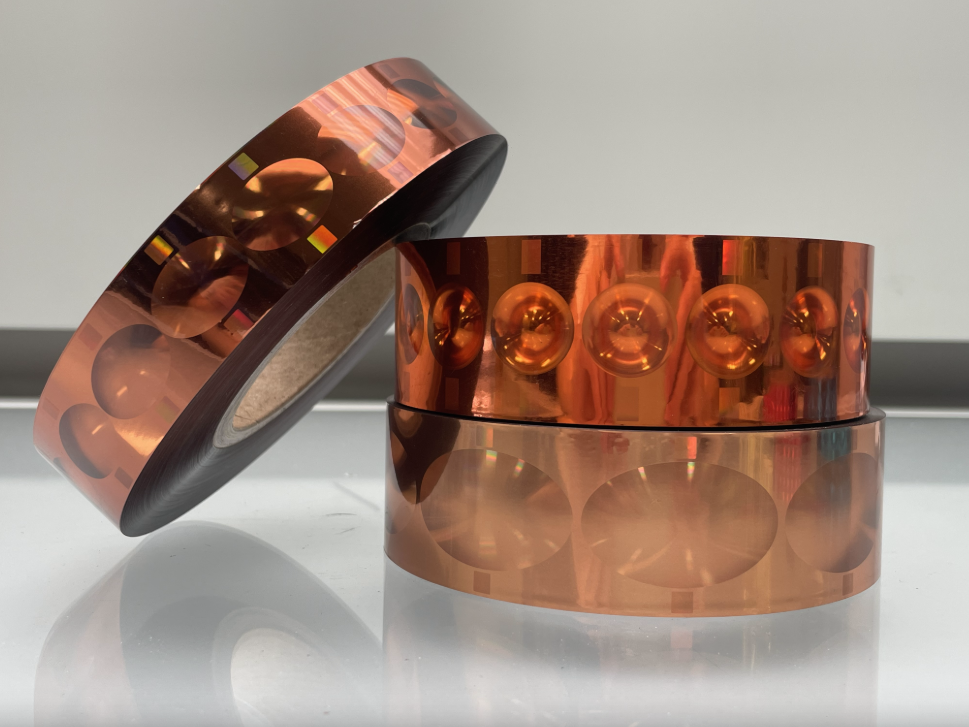
Hologram foil uses electron beam lithography, kinematic holography, dot matrix diffraction, and nanofabrication for secure high-definition packaging.
2026/09/11
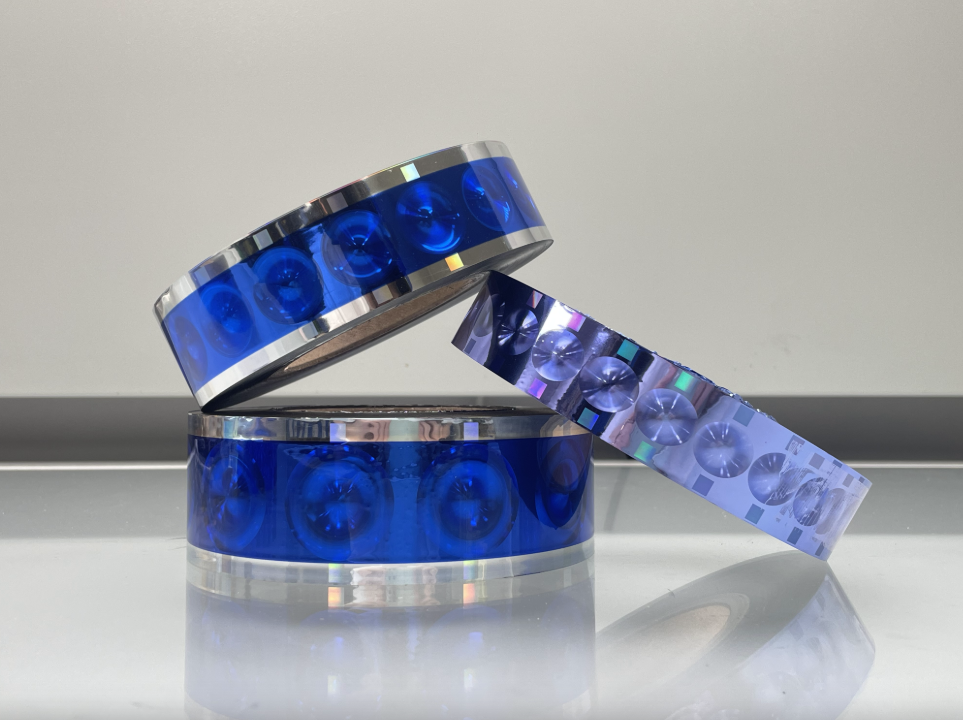
See how light shifts color and motion, adding secure visual effects that resist copying on printed cartons and retail labels for brands worldwide today.
2026/09/11
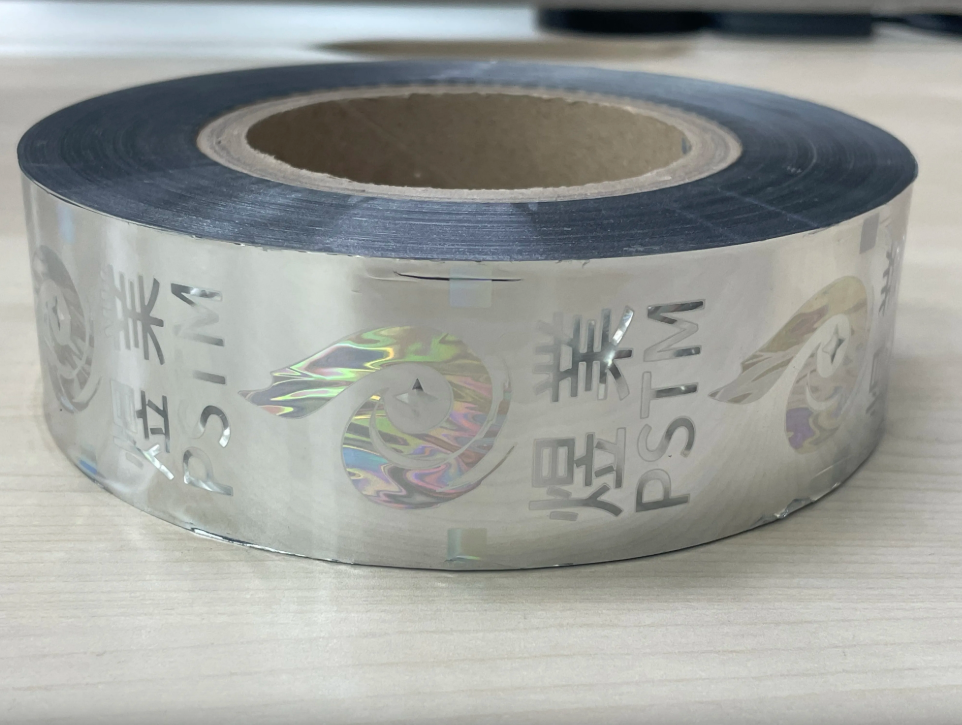
Security holograms and holographic labels add overt protection. Learn optics, foil, design, pitfalls, limits, and fake risks in real world use.
2026/09/11
Learn how metal decoration works without heated dies, plus substrate limits and inline setup costs, quality control and output plans for packaging lines.