EN
EN

What is the role of laser technology in anti-counterfeiting foil development?
2026/09/11
See how UV and femtosecond lasers write covert codes into anti-counterfeiting foils, plus CO2 demetallization limits and real-time process control.
2026/08/05
2026/08/05
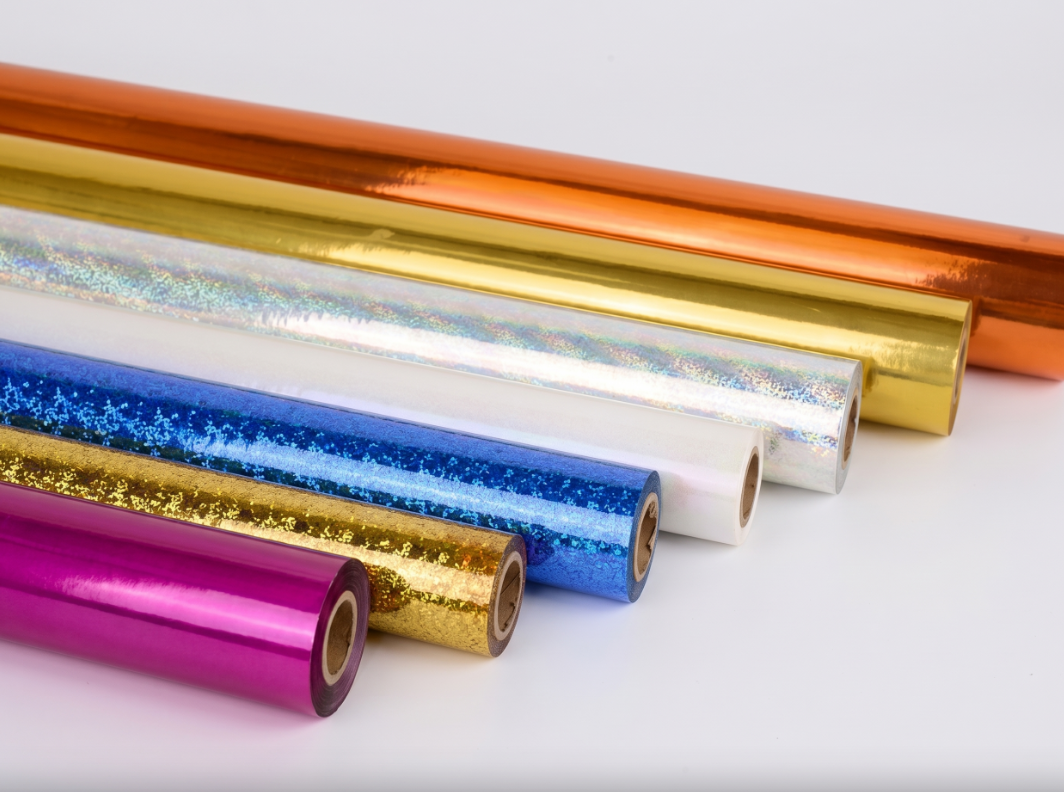
Hot stamping is a finishing process that transfers a decorative foil layer onto a prepared surface with heat, pressure and a die or compatible transfer system. In packaging, the process is used for metallic accents, fine borders, logos, typography and selected holographic or special-effect details. The material is commonly called hot stamping foil or foil stamping foil. Its value is not simply that it looks shiny. A suitable foil creates a controlled visual contrast between the decorated area and the surrounding substrate, which helps a package communicate its position and brand identity quickly.
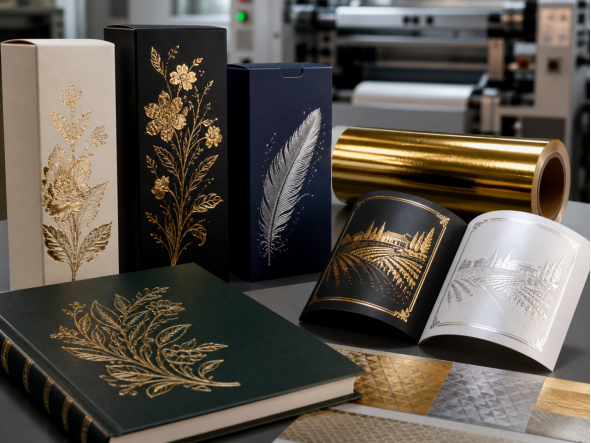
Ahot stamping foilis a layered material. A carrier film supports the release layer, decorative or optical layer and a heat-activated adhesive system. During production, the release system allows the required surface layer to separate from the carrier while the adhesive bonds it to the receiving material. The result depends on the relationship between the foil construction, the substrate coating, the die or press, the artwork and the production settings. That is why a foil should be selected for the actual paper, board, plastic or specialty surface rather than by color alone.
Plain ink can reproduce color and graphics, but a metallic foil introduces directional reflection and a stronger light-dark contrast. Bright gold and silver can support a classic premium position, while matte metallic, pigment and holographic effects create different visual languages. Fine lines, borders and small brand marks can help a product look more deliberate without covering the entire package. The best result is usually selective: the foil highlights the parts that should be noticed first, while the rest of the design keeps its readability.
The first question is the receiving surface. Coated paper, folding boxboard, art paper, laminated paper, UV-varnished paper and plastic surfaces do not behave identically during transfer. The second question is the artwork. Small text and narrow rules need clean release and sharp transfer; large solid areas need even coverage and stable contact; mixed graphics need a balanced construction. The third question is the production route, such as flat-bed, flat-to-round, rotary or a compatible inline process. The fourth question is what happens after foiling: printing, overprinting, lamination, embossing, cutting, folding and handling can all influence the final selection.
Hot stamping foil is widely considered for wine and spirits cartons, cosmetics boxes, gift packaging, premium labels, greeting cards, book covers and other branded paper goods. Plastic-compatible foil grades can be considered for selected profiles and packaging plastics when the substrate and process are within the specified product range. Registered holographic orcustom-pattern solutionscan add a distinctive identity and a security-oriented visual layer, but they should not be described as finished stickers or as a guaranteed anti-counterfeiting system without a suitable product design and application route.
Hot stamping is not a universal replacement for every printing or coating process. Very rough surfaces, incomplete curing, dust, oil, unsuitable surface energy or a mismatch between foil and substrate can cause incomplete transfer, weak edges or uneven coverage. Extremely fine artwork also needs realistic line widths and appropriate plate quality. A production team should compare the actual substrate, artwork and downstream process during sample approval before finalizing a mass-production specification. This step protects both visual quality and repeatability.
Hot stamping foil enhances brand perception when the visual effect, material construction and production route are aligned. The strongest projects do not use foil as decoration added at the end; they plan the foil area together with the packaging substrate, artwork and converting sequence. For buyers, a useful enquiry should include the substrate, surface treatment, artwork type, press or process, preferred finish and roll requirements. That information allows the foil supplier to recommend a practical construction instead of offering a generic metallic film.
What is hot stamping foil used for?It is used to transfer metallic, pigment, holographic or other decorative effects onto compatible paper, board, selected plastics and other specified surfaces.
Is hot stamping the same as printing?No. Printing deposits ink, while hot stamping transfers a foil layer through heat and pressure. The two processes can also be combined in one packaging design.
Can one foil work on every substrate?No. Foil selection depends on the substrate, coating, surface treatment, press and downstream process.
Does holographic foil always provide anti-counterfeiting protection?A holographic effect can support brand recognition and security-oriented design, but the protection level depends on the pattern, registration, production control and application system.
Do I need samples before mass‑producing hot‑stamped packaging? Yes. Sample testing verifies foil performance on your actual substrate, artwork and production setup. It helps avoid quality defects and unstable results during mass production.
2026/09/11
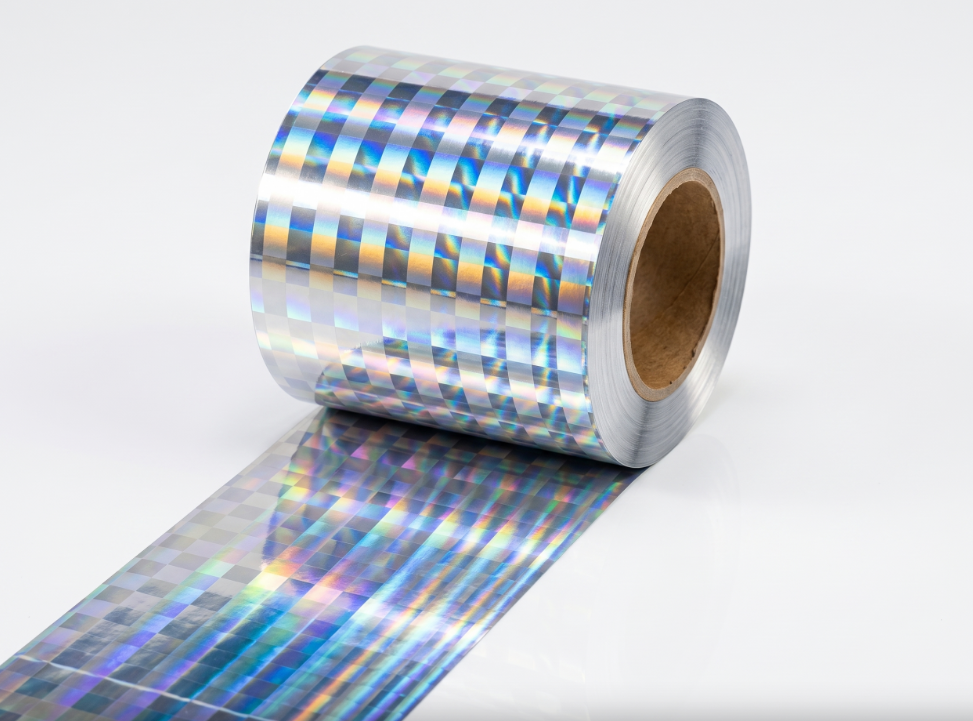
See how UV and femtosecond lasers write covert codes into anti-counterfeiting foils, plus CO2 demetallization limits and real-time process control.
2026/09/11
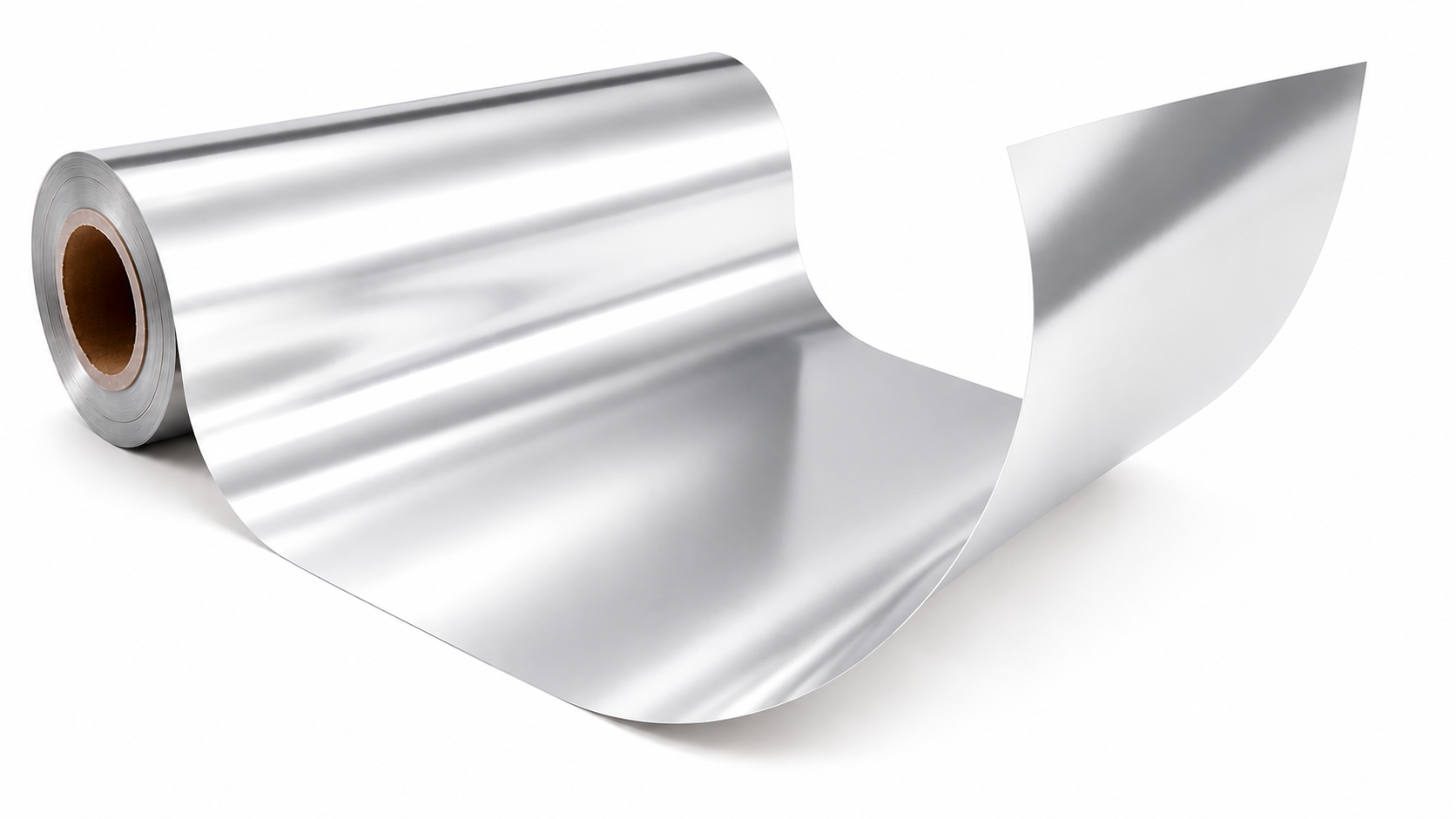
Hologram foil uses electron beam lithography, kinematic holography, dot matrix diffraction, and nanofabrication for secure high-definition packaging.
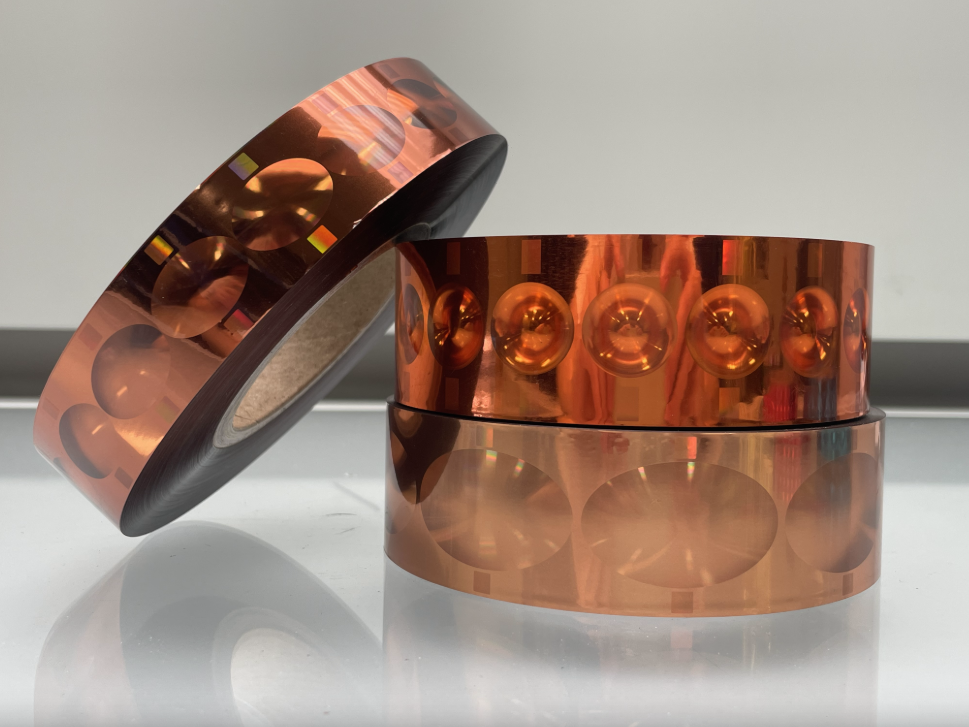
2026/09/11
See how light shifts color and motion, adding secure visual effects that resist copying on printed cartons and retail labels for brands worldwide today.
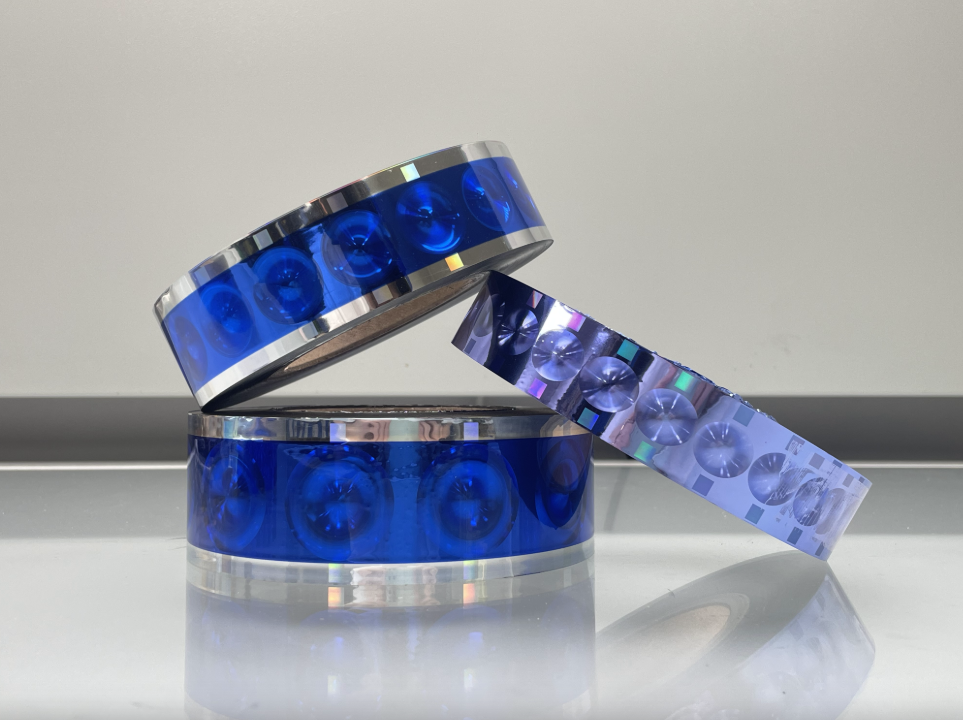
2026/09/11
Security holograms and holographic labels add overt protection. Learn optics, foil, design, pitfalls, limits, and fake risks in real world use.
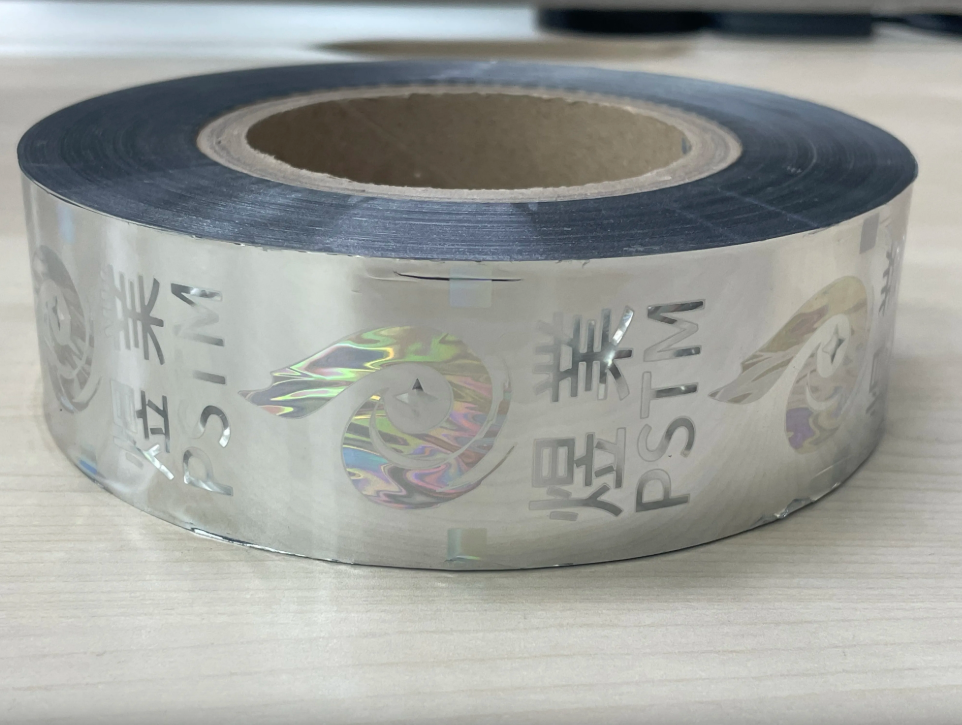
2026/09/11
Learn how metal decoration works without heated dies, plus substrate limits and inline setup costs, quality control and output plans for packaging lines.
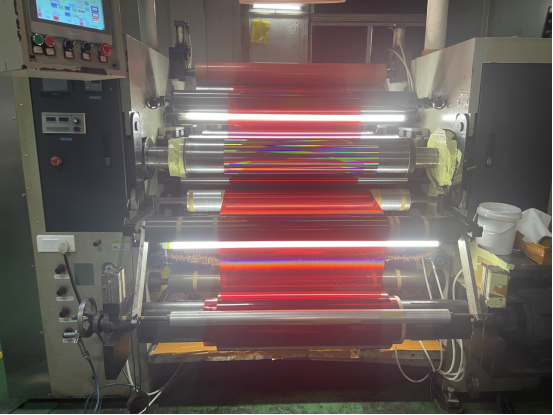
2026/09/11
Hot stamping foil uses heated dies; metallic ink prints via a printing process. Compare brilliance, adhesion, rub resistance, cost, substrate for decoration