EN
EN

What is the role of laser technology in anti-counterfeiting foil development?
2026/09/11
See how UV and femtosecond lasers write covert codes into anti-counterfeiting foils, plus CO2 demetallization limits and real-time process control.
2026/09/11
2026/09/11
The early days of hologram technology on packaging were defined by a single, predictable effect. A basic diffraction grating would split white light into a standard spectrum, and that was the extent of the visual toolkit. The latest advancements have completely dismantled those limitations. Modern origination techniques now allow for pixel level control over diffractive structures. Instead of a uniform grating across an entire design, each microscopic dot can be assigned a unique optical frequency and angular orientation. This means a single stamping foil can contain multiple, distinct visual zones that activate at different viewing angles. A brand logo might flare into a brilliant metallic gold when viewed straight on, then dissolve into a deep cobalt blue as the package is tilted sideways.
This shift is driven by the maturation of electron beam lithography. Older optical mastering methods relied on laser interference patterns that were difficult to control at the sub micron level. Electron beam tools write structures directly onto a photoresist with a beam diameter measured in nanometers. The result is a dramatic increase in available grating resolutions. Where a legacy foil might offer two or three distinct color zones, a current generation design can pack dozens into the same surface area. The visual payoff is a level of optical complexity that is functionally impossible to reverse engineer with conventional scanning or printing equipment. This has pushed these foils far beyond simple decoration and firmly into the realm of brand security.
Static color shifts are no longer the ceiling. The concept of kinematic holography has introduced programmed motion into foil designs. By sequencing diffractive elements in precise spatial arrangements, an image can appear to move laterally, rotate, or pulse when the package is handled. The mechanism behind this exploits the same binocular disparity that gives depth perception to human vision. A set of gratings is arranged so that the left eye and right eye receive slightly offset phases of the light signal. The brain interprets this phase difference as motion or depth, even though the foil surface is physically flat.
The engineering reality behind these effects is demanding. To achieve a clean, fluid sense of motion rather than a jittery flutter, the master shim used for embossing must be nearly flawless. Subtle vibrations in an electroforming bath, ambient temperature fluctuations, or impurities in the plating solution can introduce aperiodic noise into the nickel surface. This noise disrupts the precise phase relationships between adjacent gratings, and the intended smooth animation breaks down into visual static. A common observation during process troubleshooting is that a foil sample viewed under a point light source will show intermittent dead spots or erratic jumps in the animated sequence. The root cause often traces back to uncontrolled current ramping during the early stages of nickel growth on the master. Mitigating this requires damped plating fixtures and tightly regulated power supplies. The central lesson is that kinematic effects are as much a feat of precision electroforming as they are of optical design. The optical file can be perfect, but without commensurate control inside the plating tank, the physical foil will never deliver the intended illusion.
Another significant leap forward comes from dot matrix origination systems. These platforms divide a design into a grid of tiny diffractive pixels, each measuring anywhere from roughly ten to several dozen microns across. Every pixel carries its own grating, with independently defined pitch, orientation, and depth. A skilled origination engineer can stitch these pixels together to create photorealistic portraits, micro text, or complex geometric animations that shift between two entirely different images depending on the tilt angle. The technique is sometimes referred to as two channel or multi channel holography.
This approach delivers an exceptionally high degree of optical density. A design can encode multiple hidden layers of information within the same physical patch of foil. Under a point light source, the primary image dominates. Shift the angle past a specific threshold, and a secondary image materializes while the first one vanishes. This binary switching effect is particularly valuable for anti tamper seals and tax stamp applications. Border inspection agencies can verify a product in seconds by checking for the presence of a specific flip image, a process that requires no batteries, scanners, or training beyond a quick visual check. The limitation is that these effects demand a strong, collimated light source. Under heavily diffused ambient lighting, the multi channel switching can soften and lose its crisp binary character.
No advancement in foil performance happens without a corresponding leap in tooling precision. The master shims that emboss diffractive structures into foil are now produced through a tightly integrated chain of nanofabrication steps. The process typically begins with a glass plate coated in a photoresist layer only a few hundred nanometers thick. An electron beam or ultra precise laser writes the optical pattern directly into this layer. After development and washing, the fragile photoresist pattern is rendered conductive, often through a vacuum deposition of silver or nickel. From there, it enters an electroforming bath where nickel is grown atom by atom into a robust metal shim capable of withstanding millions of stamping impressions.
The critical advancement here is the control over crystal grain structure during electroforming. Older baths often produced nickel shims with uneven internal stress and coarse grain boundaries. These imperfections transferred directly into the embossed foil as micro scale haze, killing the brilliance of fine gratings. Modern baths use pulse plating waveforms and chemical brighteners to create a much finer, more uniform nickel structure. The difference in optical clarity between a shim from an older bath and one from a precision controlled process is immediately visible. An inadequately controlled shim can produce foil with a hazy, milky appearance that washes out delicate color transitions. A properly engineered shim, by contrast, yields a foil with a crisp, dark background and highly saturated diffractive colors. The table below outlines the general trends seen when moving from conventional to advanced tooling methods.
2026/09/11
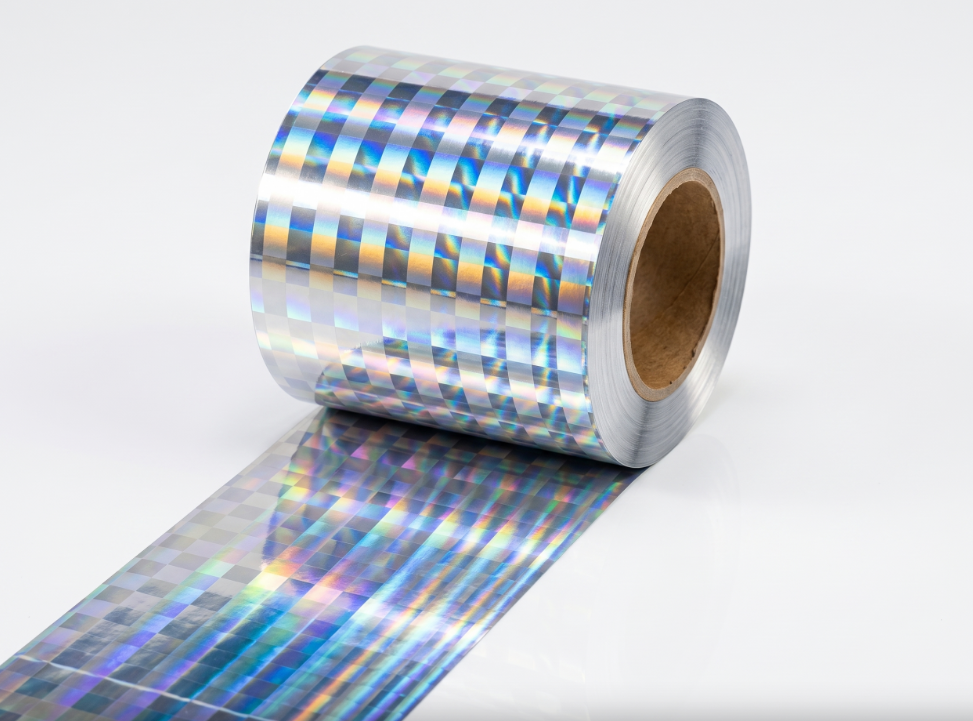
See how UV and femtosecond lasers write covert codes into anti-counterfeiting foils, plus CO2 demetallization limits and real-time process control.
2026/09/11
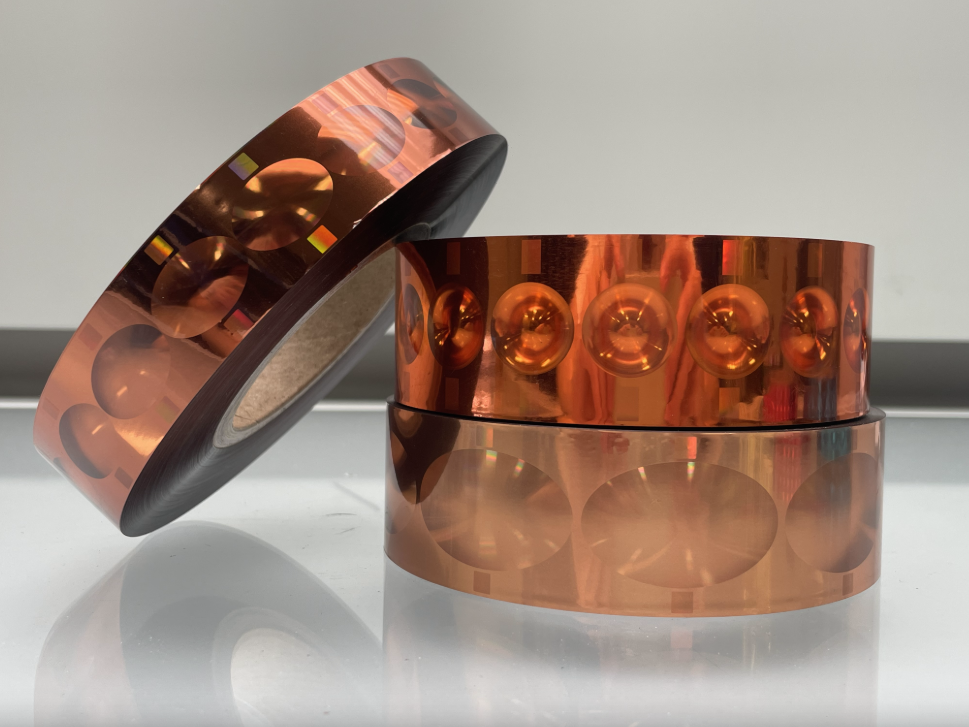
See how light shifts color and motion, adding secure visual effects that resist copying on printed cartons and retail labels for brands worldwide today.
2026/09/11
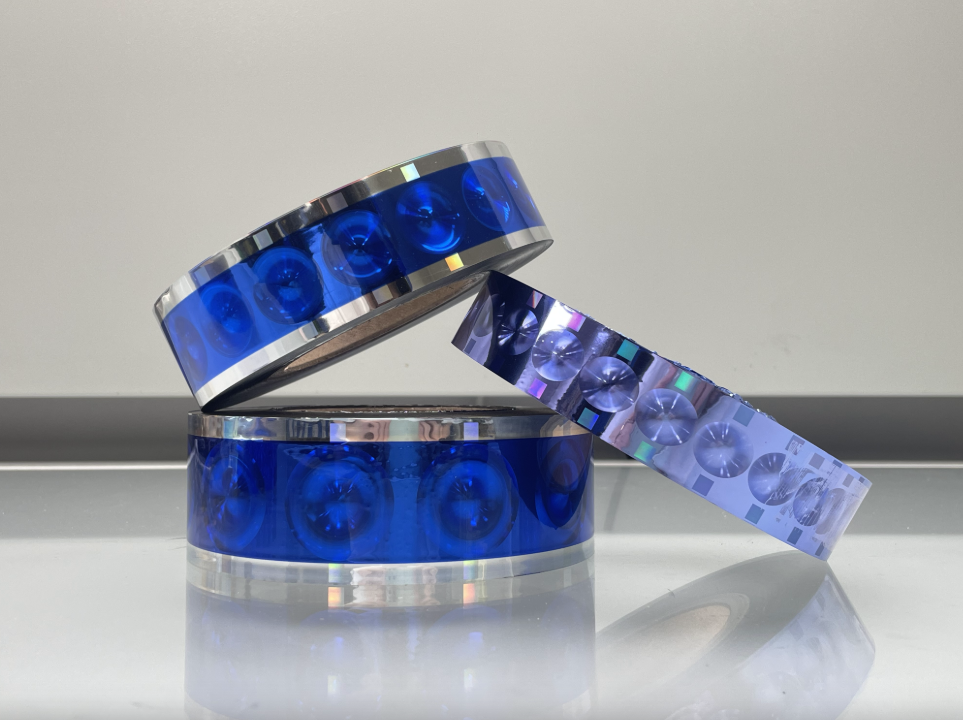
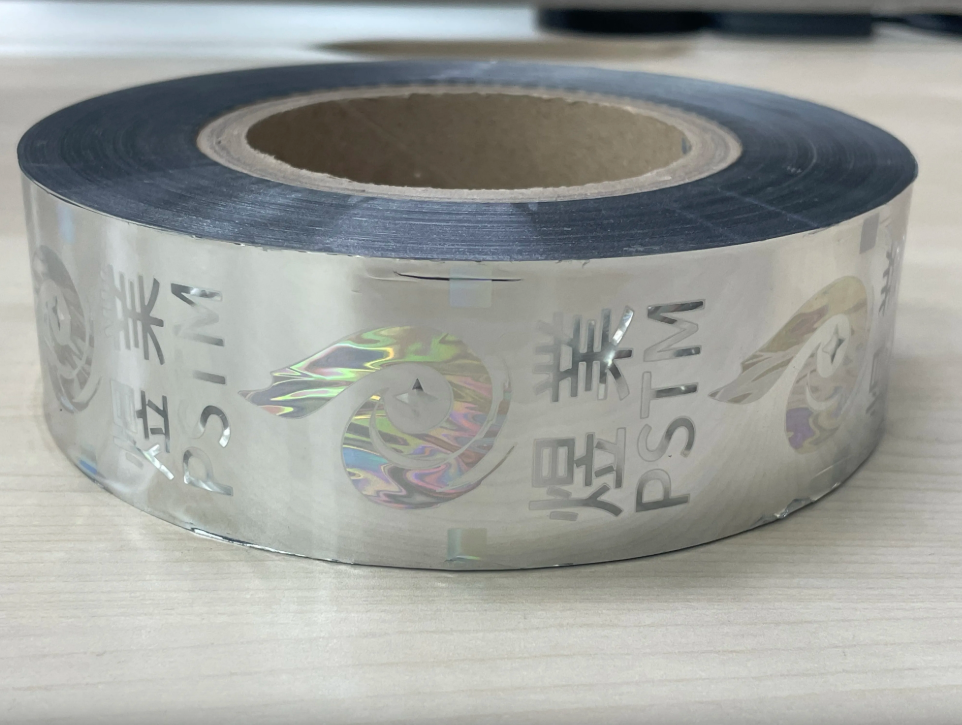
Security holograms and holographic labels add overt protection. Learn optics, foil, design, pitfalls, limits, and fake risks in real world use.
2026/09/11
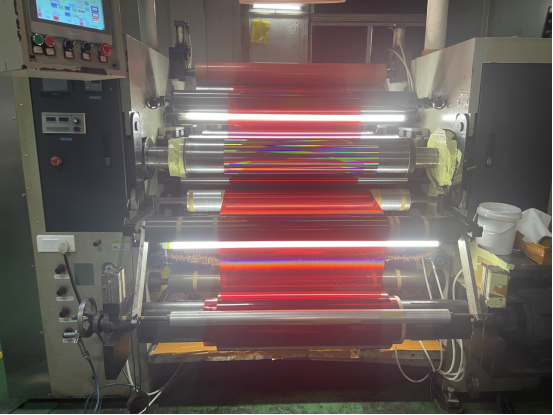
Learn how metal decoration works without heated dies, plus substrate limits and inline setup costs, quality control and output plans for packaging lines.
2026/09/11
Hot stamping foil uses heated dies; metallic ink prints via a printing process. Compare brilliance, adhesion, rub resistance, cost, substrate for decoration