EN
EN

What is the role of laser technology in anti-counterfeiting foil development?
2026/09/11
See how UV and femtosecond lasers write covert codes into anti-counterfeiting foils, plus CO2 demetallization limits and real-time process control.
2026/07/29
2026/07/29
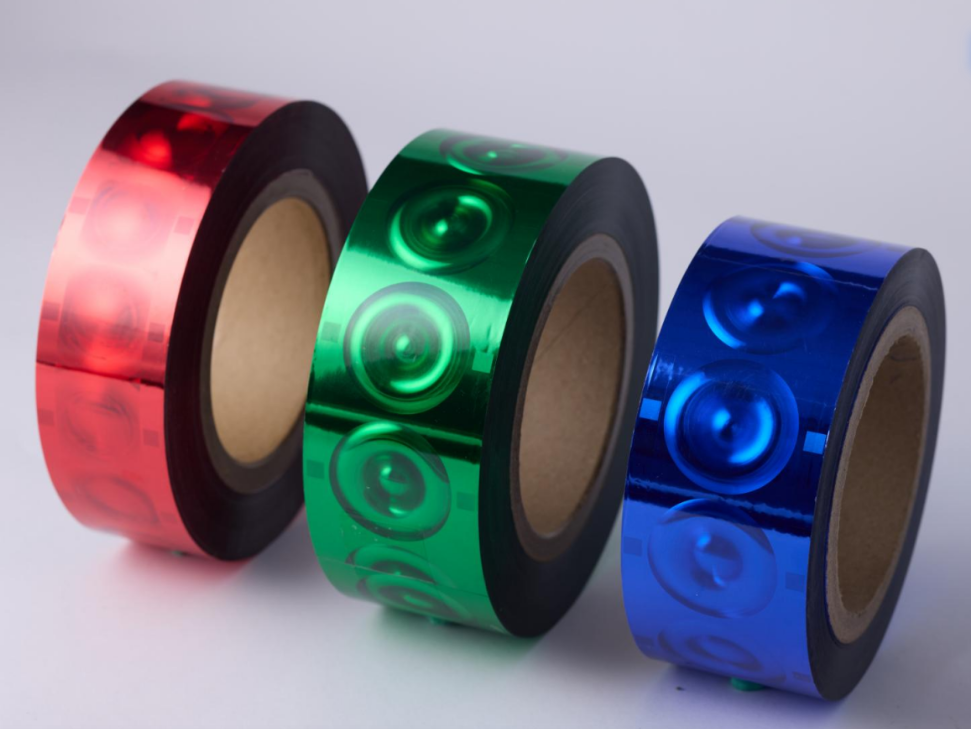
Most conversations around holographic technology begin and end with retail packaging, for obvious reasons. Shelf appeal matters. But behind that eye-catching finish on the store shelf sits a whole chain of technical decisions that rarely get talked about. Holographic foils are not just decoration. They are thin, multi-layer material systems that have to release cleanly, transfer completely, and bond durably across a wide range of coated papers, films, and specialty boards. The real engineering challenge is not making a single sample look good. It is making the ten thousandth carton look identical to the first, across different press speeds, ambient humidity levels, and substrate batches. That kind of consistency demands far tighter control over coating formulation and process variables than casual observers would ever imagine. When the foil runs without interruption through a full shift, when the holographic brightness stays uniform from the start of the roll to the core, and when the finished piece survives downstream converting without delamination, those are not accidents. They are the direct result of disciplined coating R&D applied to real-world production conditions.
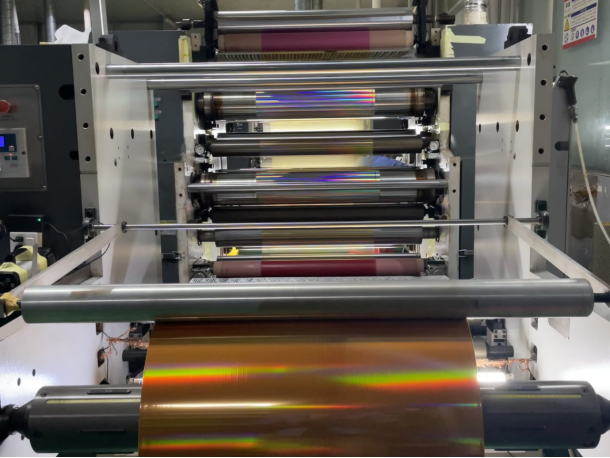
In a typical converting environment, a single holographic foil might be asked to perform on coated duplex board in the morning and on a thin-gauge flexible film in the afternoon. Each substrate brings its own surface energy, porosity, and thermal response, and the foil has to adapt without a complete process overhaul between jobs. When the substrate is a low-energy surface, the adhesive system must anchor reliably without relying on aggressive primers that could affect downstream print receptivity. When the line speed climbs, the release layer needs to let go instantaneously and cleanly, leaving no haze or residue on the stamped area. And when the finished piece enters post-press operations like creasing, die-cutting, or lamination, the metallized layer has to stretch and flex without fracturing. These are the unglamorous realities that separate a lab-grade sample from a production-ready foil. Achieving this kind of substrate-to-substrate consistency demands that the coating architecture, from release coat to size coat, is engineered with real-world converting stress in mind, not just tested on a flat coupon under ideal conditions.
A printed sheet looks static on the loading table, but the moment it hits the stamping station, a whole chain of mechanical and thermal events fires off in milliseconds. The foil must release from its carrier at exactly the right temperature window, transfer onto a surface that might be coated, varnished, or lightly textured, and then lock down hard enough to survive everything that follows. When converters shift between substrates, say from a standard coated duplex board to a stock with higher recycled content, the surface energy can shift noticeably. A foil that ran perfectly on the first substrate may suddenly show edge lifting or incomplete transfer on the second. The fix is rarely found in adjusting the stamping machine alone. It sits further upstream, in how the adhesion layer was formulated to handle surface energy variation without demanding a narrow, brittle processing window. This is the kind of substrate-level adaptability that separates a foil built on fundamental coating research from one that only works under ideal conditions.
Anti-counterfeit features in packaging are often associated with tax stamps or security labels, but the broader industrial reality is that holographic foils serve a much wider range of functions on everyday production floors. When matched with the correct grade and validated process conditions, holographic foils can support folding cartons, selected flexible packaging, and label face stocks. Performance should be assessed against the actual press speed, substrate, converting steps, and required resistance before a full production run. The real test is not a single dramatic failure, but the slow accumulation of small process deviations that cause rejects to pile up over an eight-hour shift. When a foil releases too early or too late, when the adhesion window narrows under ambient humidity swings, or when the metallized layer thins out mid-roll, the result is measurable waste that eats directly into margin. That is the kind of grinding industrial demand that pushes coating formulation and process control far beyond what off-the-shelf foils can handle.
A holographic foil on a cosmetics carton or a spirits label is not just a decorative accent. It is a material layer that must endure die-cutting without cracking, creasing without delamination, and shrink-wrapping without losing its optical depth. The metallic finish that catches the eye on shelf is the result of decisions made far upstream, in how the embossed coating was structured, how the metallization was deposited, and how the adhesive layer was formulated to bond with coated or varnished board stocks. When a converter runs a full shift without stopping the press to clean buildup from the stamping die, that is not luck. It means the release layer was engineered with a processing window wide enough to absorb the normal fluctuations in temperature, speed, and substrate surface conditions that happen across eight hours of continuous production. A well-controlled coating structure can help reduce surface defects and improve optical consistency. This is a production-quality consideration rather than a standalone marketing claim, and the result still depends on the substrate, artwork, equipment, and operating conditions. On a high-gloss folding carton, that kind of optical consistency is what keeps a premium brand looking premium from the first sample to the last shipment.
Designing a holographic foil that performs on a glossy folding carton, a high-speed label press, and a delicate tipping paper line requires disciplined coating engineering rather than a one-size-fits-all formula. The table below maps several demanding use cases against the foil attributes they truly depend on.
|
Industrial Application |
Key Substrate Challenge |
Critical Holographic Foil Demand
|
|
Folding carton cosmetics packaging |
High-gloss coated board, sharp creasing |
Clean fine-line transfer, no cracking along folds |
|
Tobacco tipping paper |
Thin, porous substrate, high line speed |
Low-temperature fast release, consistent register |
|
Flexible film labels |
Surface energy variation, tension fluctuation |
Edge-lock adhesion, uniform hologram brightness |
|
Coated confectionery packaging |
Moisture, folding, and handling requirements |
Solvent-free formulation, high stretch tolerance |
|
High-speed label stamping lines |
Rapid cycle times, minimal setup waste |
Instant clean release, wide processing window
|
A single weak layer anywhere in the foil stack can bring down an entire application. That is why fundamental coating R&D, not simple product catalog matching, determines whether a holographic solution holds up in the field. GL Foils, running a dedicated R&D and testing facility led by over 20 senior engineering experts and holding 23 national patents, has built its process around precisely these layer-by-layer variables. With an annual capacity exceeding 1.5 million standard rolls, the company supports the kind of supply chain consistency that converters and printers require, whether they are stamping a high-end folding carton for cosmetics or running kilometers of tipping paper at full production speed.
2026/09/11
See how UV and femtosecond lasers write covert codes into anti-counterfeiting foils, plus CO2 demetallization limits and real-time process control.
2026/09/11
Hologram foil uses electron beam lithography, kinematic holography, dot matrix diffraction, and nanofabrication for secure high-definition packaging.
2026/09/11
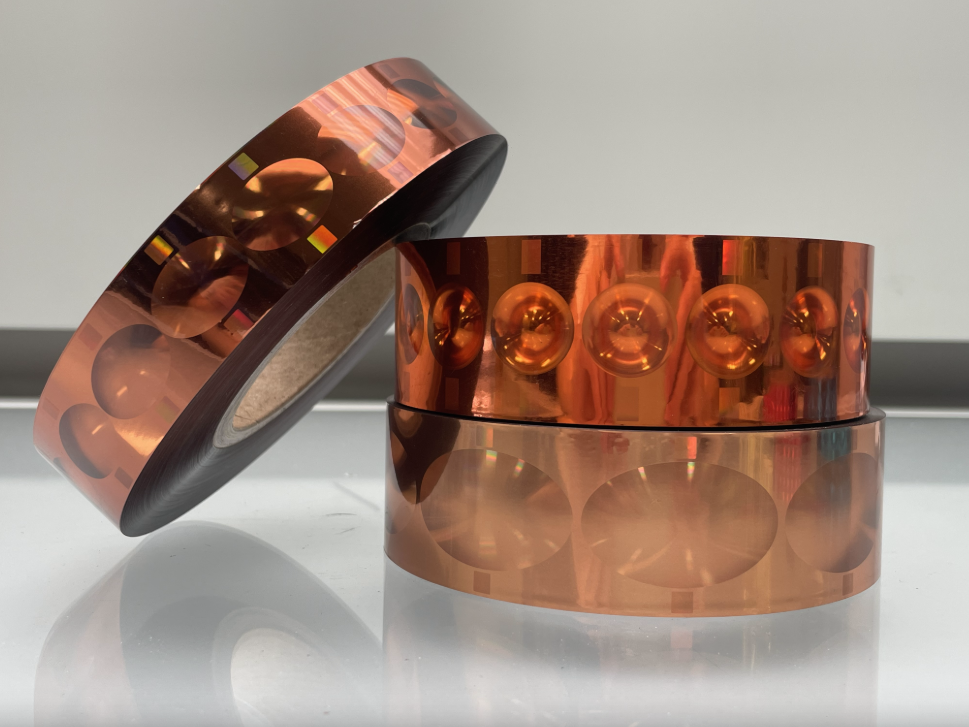
See how light shifts color and motion, adding secure visual effects that resist copying on printed cartons and retail labels for brands worldwide today.
2026/09/11
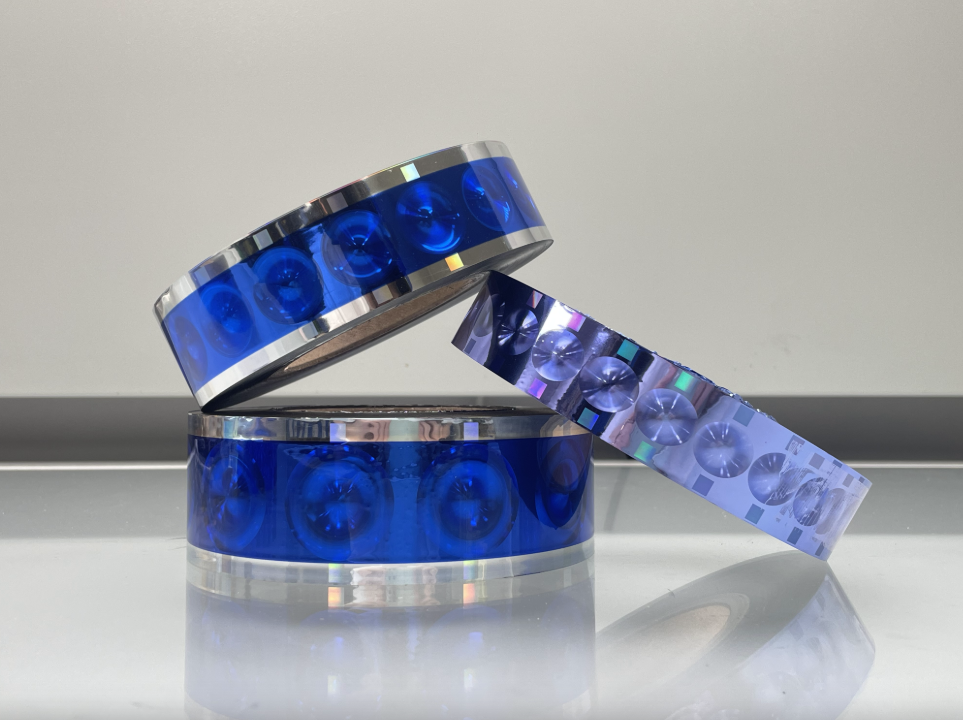
Security holograms and holographic labels add overt protection. Learn optics, foil, design, pitfalls, limits, and fake risks in real world use.
2026/09/11
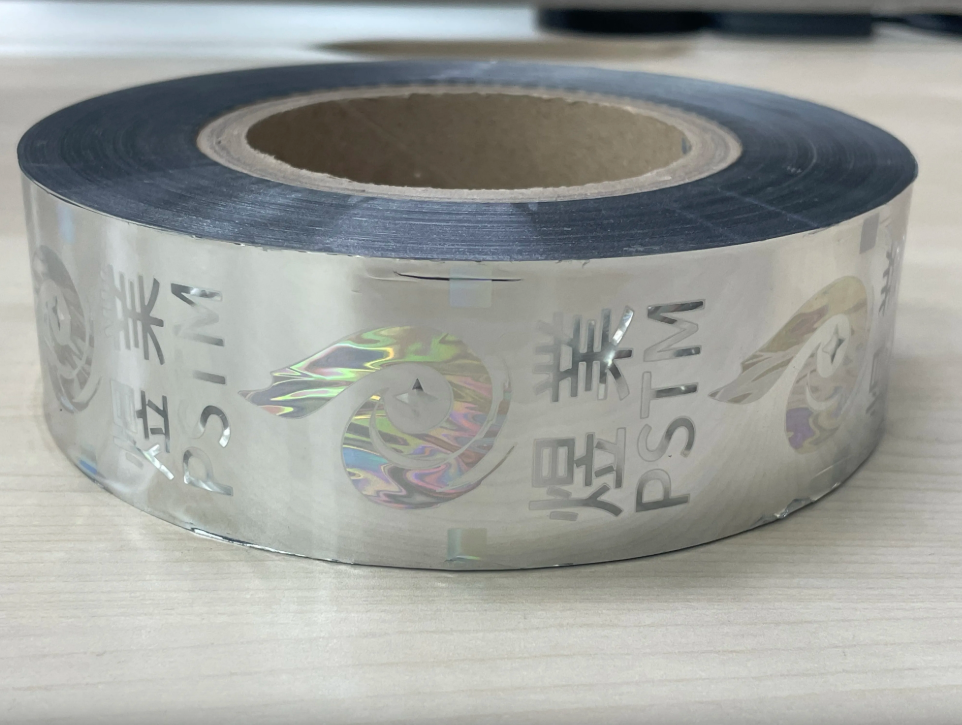
Learn how metal decoration works without heated dies, plus substrate limits and inline setup costs, quality control and output plans for packaging lines.
2026/09/11
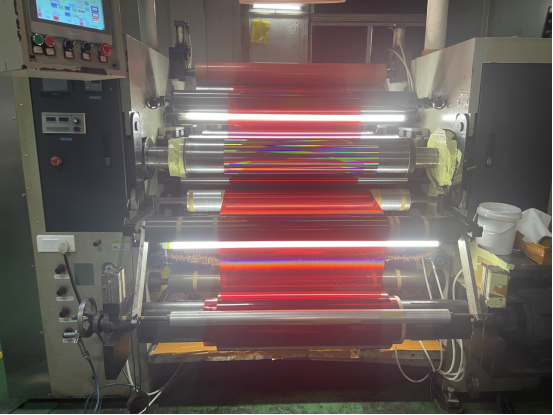
Hot stamping foil uses heated dies; metallic ink prints via a printing process. Compare brilliance, adhesion, rub resistance, cost, substrate for decoration