EN
EN
What is the role of laser technology in anti-counterfeiting foil development?
2026/09/11
See how UV and femtosecond lasers write covert codes into anti-counterfeiting foils, plus CO2 demetallization limits and real-time process control.
2026/08/10
2026/08/10
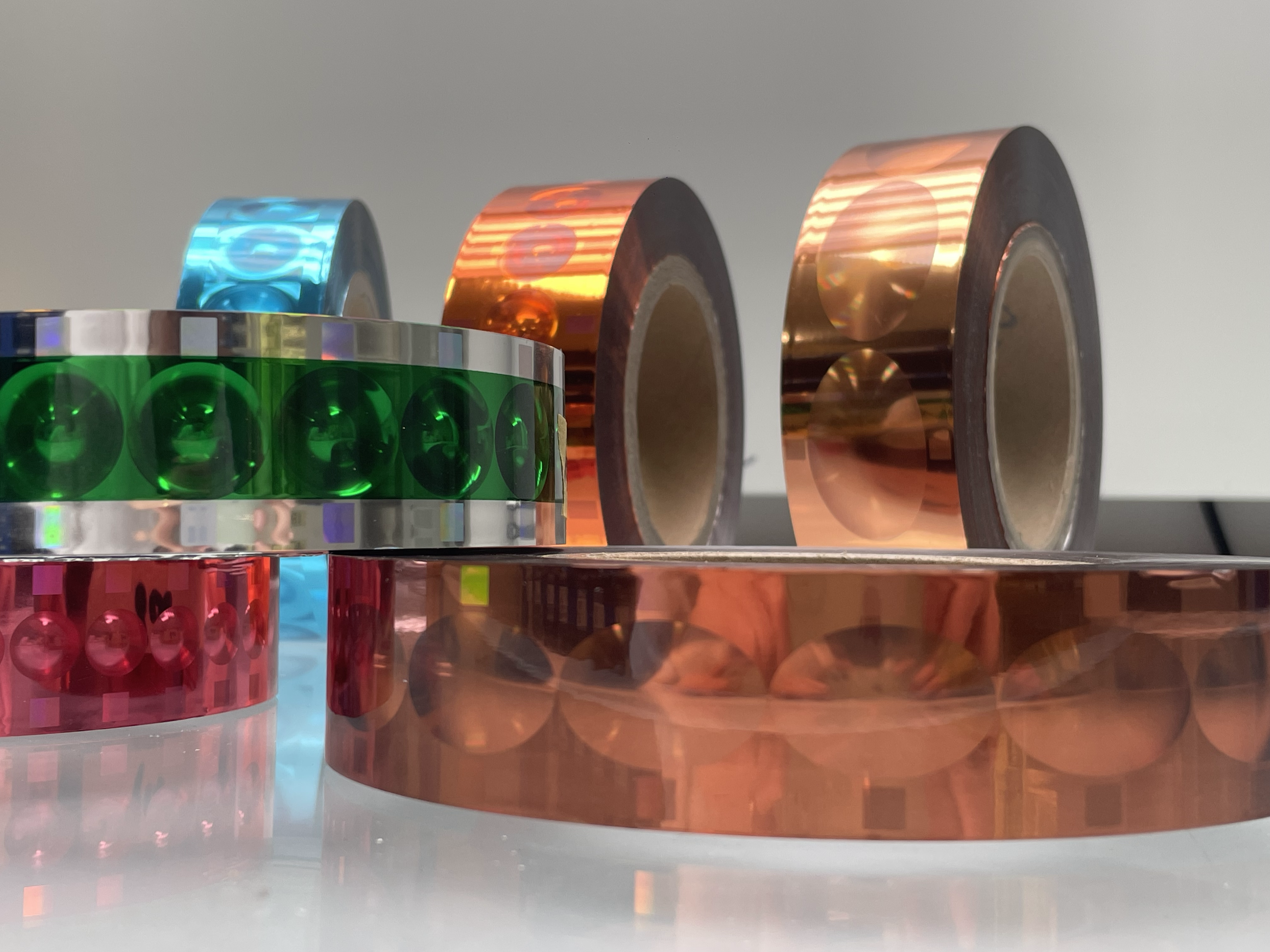
Holographic foil patterns do more than add shine. Their changing reflection can make a package look technical, playful, collectible or security-oriented. The best choice begins with the role the pattern should play in the brand system. A restrained texture may support a clean premium identity, while a stronger optical structure can help a limited edition or special release stand out. If the pattern is too busy for the artwork, it can compete with the logo and reduce rather than improve recognition
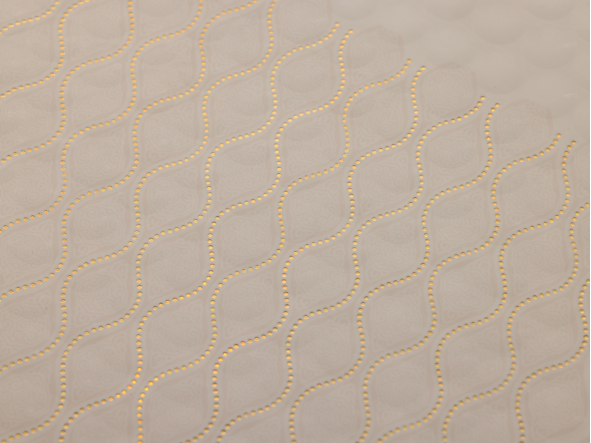
Fine typography, narrow borders and small icons need a pattern that remains legible at the finished size. Dense optical structures can make a small logo look visually crowded, especially when the base print already contains several colors. Larger decorative areas provide more room for a repeating texture or directional light shift. Before selecting a roll, review the smallest graphic detail, the foil coverage, the viewing distance and the expected finishing sequence.
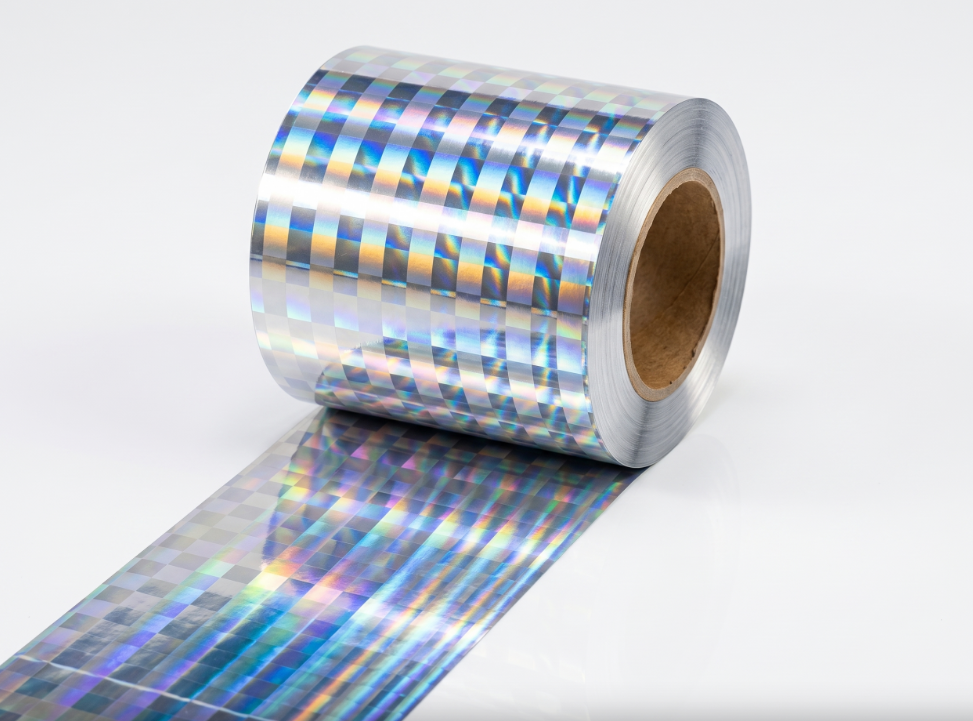
Standard repeating textures are useful when a project needs a reliable decorative effect with a shorter preparation cycle. Ice-crystal or fine-texture effects can create a softer, more controlled appearance. Cat-eye or directional effects create stronger movement as the viewing angle changes. Dot and geometric structures can support a technical or modern look. Custom holographic foil patterns are appropriate when a brand needs an exclusive graphic element, registered mark or repeat pattern that is not available as a generic decoration.
The same holographic foil pattern can look different on coated paper, matte-coated paper, UV-varnished paper or a compatible plastic surface. Surface smoothness, coating, color and heat response affect how clearly the optical structure transfers and reflects light. Dark printed backgrounds often create stronger contrast, while pale or highly textured surfaces may produce a quieter effect. Pattern selection should therefore be made with the actual substrate and print finish, not from a loose film sample alone.
A custom or registered holographic design can help a brand create a recognizable packaging feature and make casual imitation more difficult. It should not be described as a complete anti-counterfeiting system by itself. The practical protection value depends on the uniqueness of the pattern, registration accuracy, production control and how the feature is used in the brand's wider verification process. This distinction keeps the product message accurate while still explaining the commercial value of a distinctive pattern.
A useful approval sample should show the actual artwork, substrate, printing background and intended stamping process. Review the logo, fine lines, large solids, edge definition and the transition between foiled and unfoiled areas. If the package will be folded, laminated, overprinted or handled repeatedly, include those steps in the review. Comparing two or three pattern directions on the same artwork usually gives a better decision than choosing from a color name or a catalogue image.
The right holographic foil pattern is the one that supports the brand message, preserves artwork clarity and fits the substrate and production route. Use standard patterns when speed and repeatability are the priority; consider a custom pattern when long-term visual identity or a security-oriented feature justifies the additional preparation. A complete enquiry should include the artwork, substrate, surface treatment, pattern preference, foil area, press method and required roll format.
What is the first factor to consider when selecting a holographic foil pattern? Start with the brand role and artwork. The pattern should support recognition without obscuring the logo, typography or key product information.
Can one holographic pattern be used on every substrate? No. Paper coatings, printed surfaces and compatible plastics can change transfer quality and optical appearance, so the actual substrate should be included in sampling.
When is a custom holographic pattern worthwhile? It is most useful when a brand needs an exclusive visual identity, a registered graphic element or a distinctive feature for a premium or limited product line.
Does a holographic pattern guarantee anti-counterfeiting protection? No. It can support a security-oriented design, but effective protection depends on the complete pattern, registration, production control and verification system.
How does printed background color affect the holographic effect?
Dark printed backgrounds typically create stronger contrast and more visible optical movement, making the holographic pattern more pronounced. Pale or white backgrounds tend to produce a quieter, more subtle effect. For the most accurate evaluation, always review the foil pattern on the actual printed artwork rather than a blank substrate sample.
When is a custom holographic pattern worthwhile?
It is most useful when a brand needs an exclusive visual identity, a registered graphic element or a distinctive feature for a premium or limited product line. Custom patterns also make sense when long-term brand consistency is a priority, when no standard pattern matches the design intent, or when the packaging will be produced in high volumes over an extended period.
2026/09/11
See how UV and femtosecond lasers write covert codes into anti-counterfeiting foils, plus CO2 demetallization limits and real-time process control.
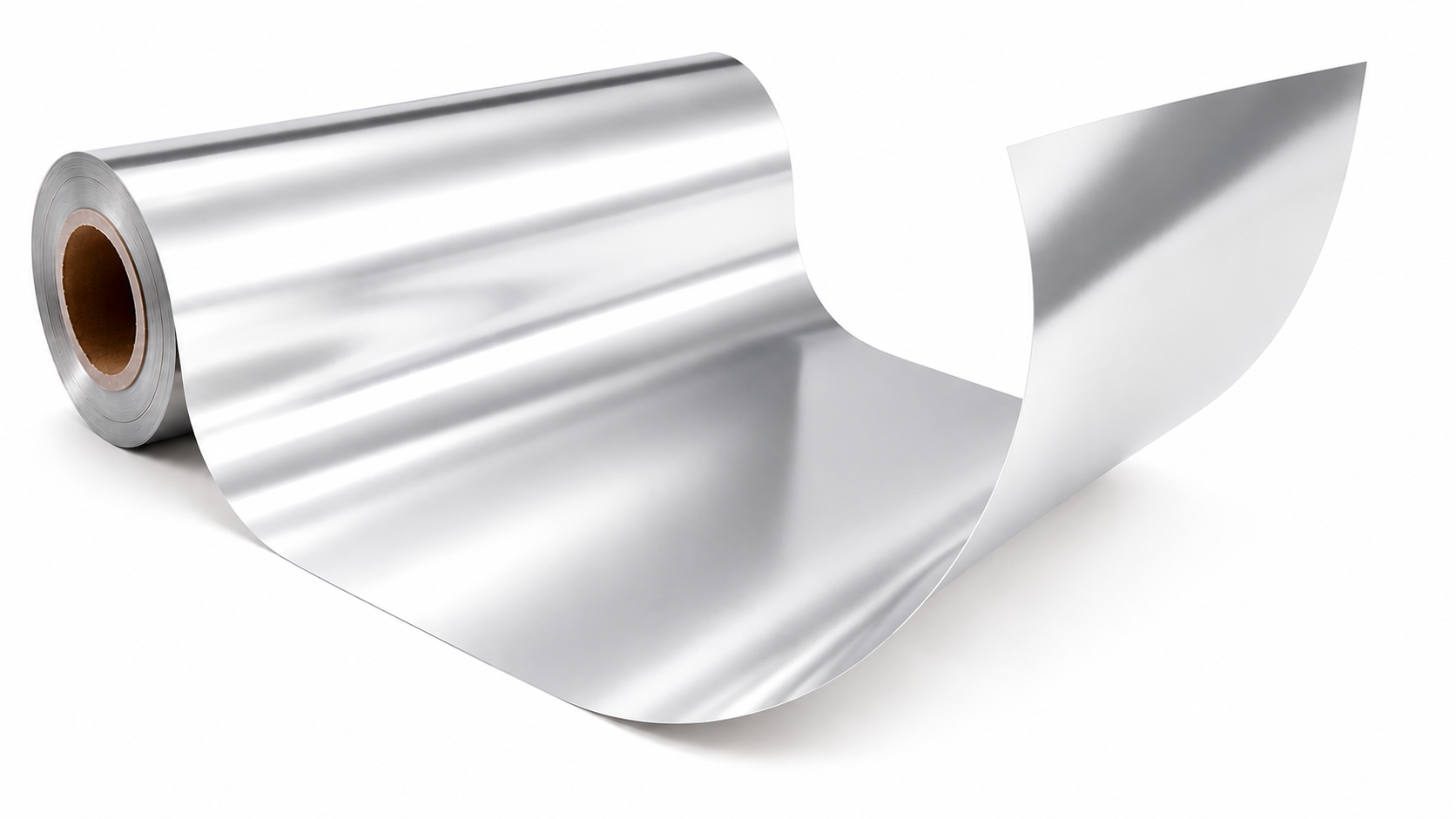
2026/09/11
Hologram foil uses electron beam lithography, kinematic holography, dot matrix diffraction, and nanofabrication for secure high-definition packaging.
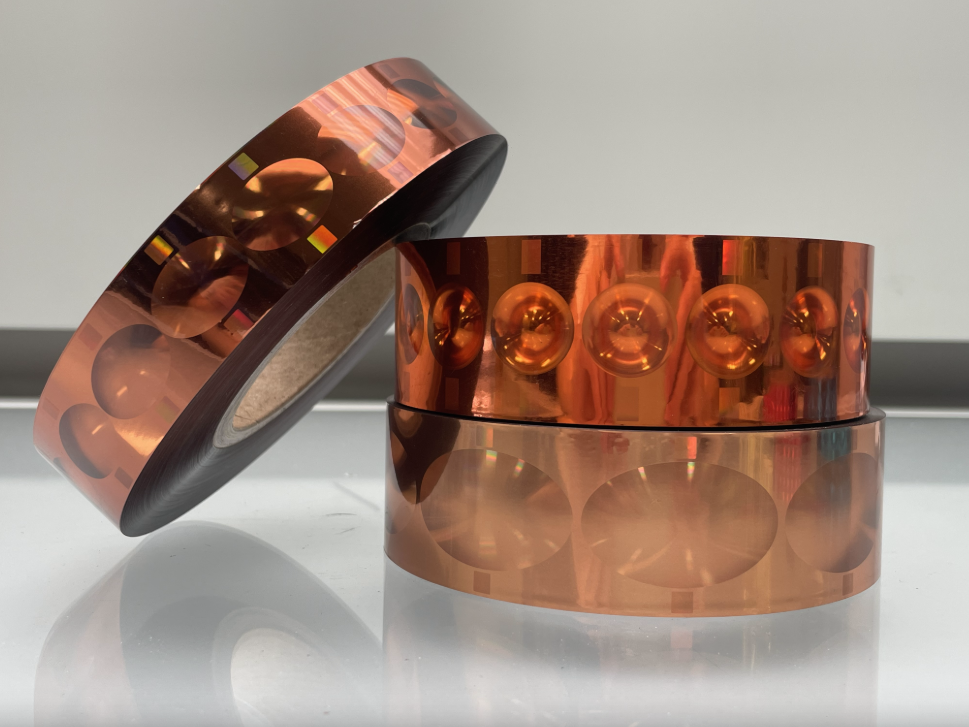
2026/09/11
See how light shifts color and motion, adding secure visual effects that resist copying on printed cartons and retail labels for brands worldwide today.
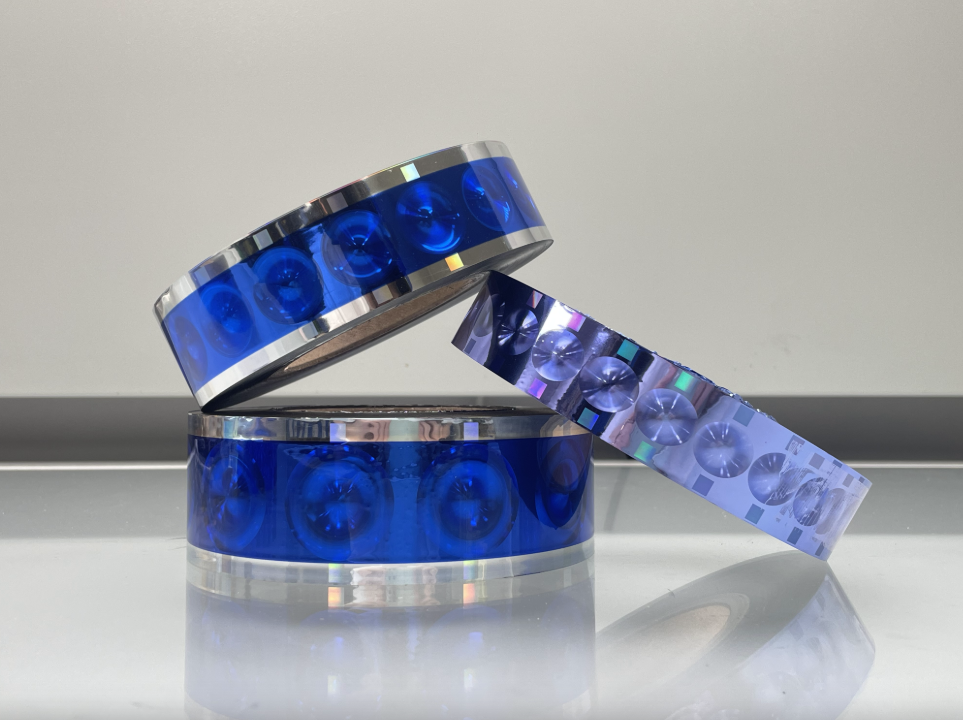
2026/09/11
Security holograms and holographic labels add overt protection. Learn optics, foil, design, pitfalls, limits, and fake risks in real world use.
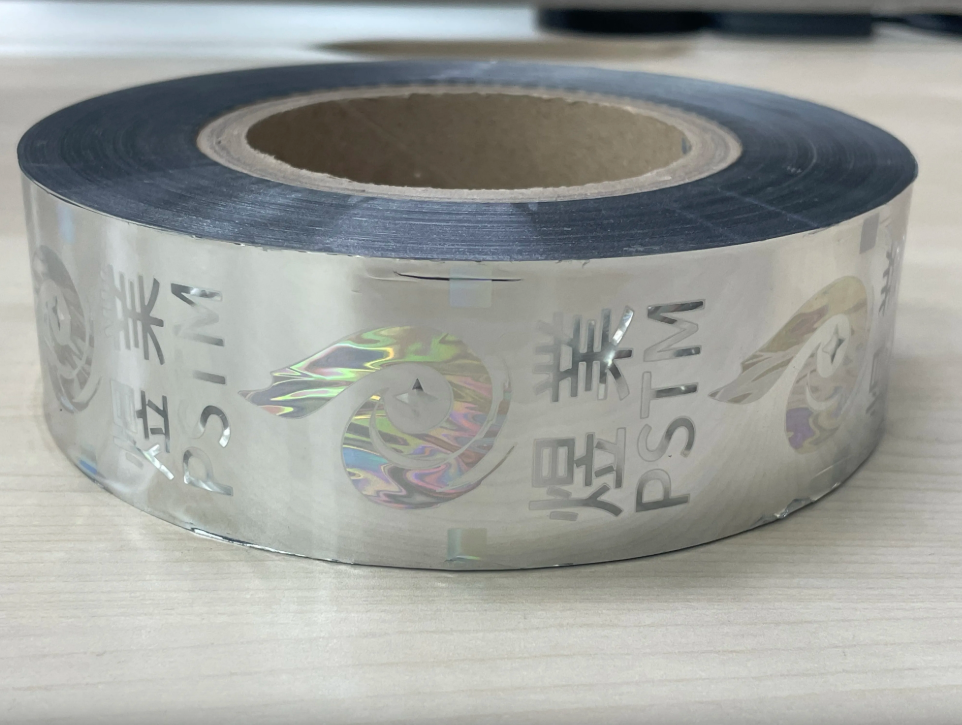
2026/09/11
Learn how metal decoration works without heated dies, plus substrate limits and inline setup costs, quality control and output plans for packaging lines.
2026/09/11
Hot stamping foil uses heated dies; metallic ink prints via a printing process. Compare brilliance, adhesion, rub resistance, cost, substrate for decoration