EN
EN

What is the role of laser technology in anti-counterfeiting foil development?
2026/09/11
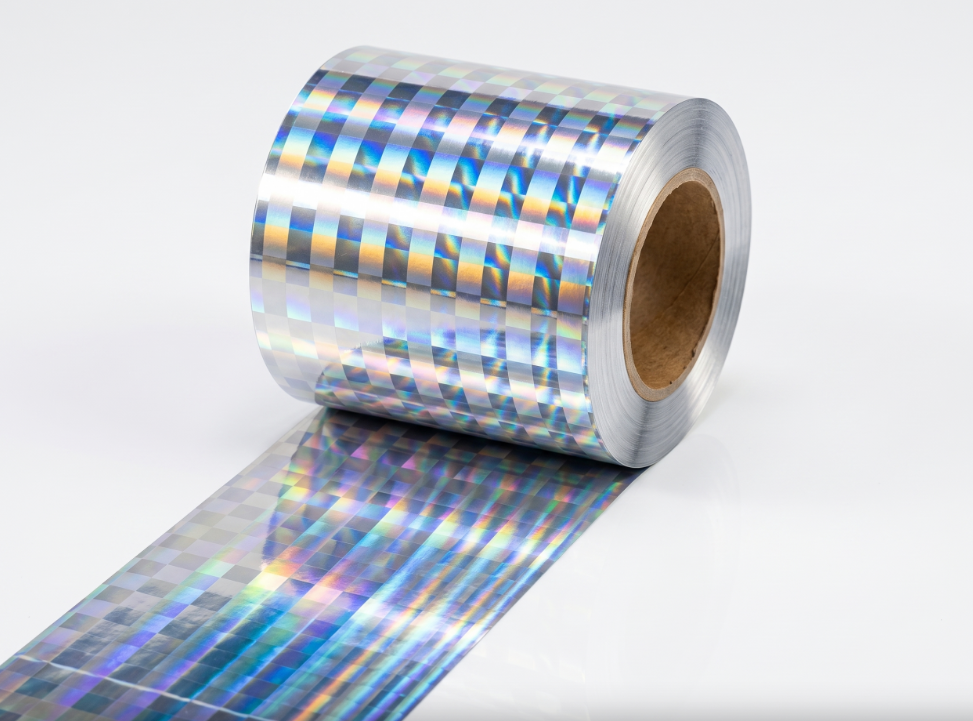
See how UV and femtosecond lasers write covert codes into anti-counterfeiting foils, plus CO2 demetallization limits and real-time process control.
2026/08/08
2026/08/08
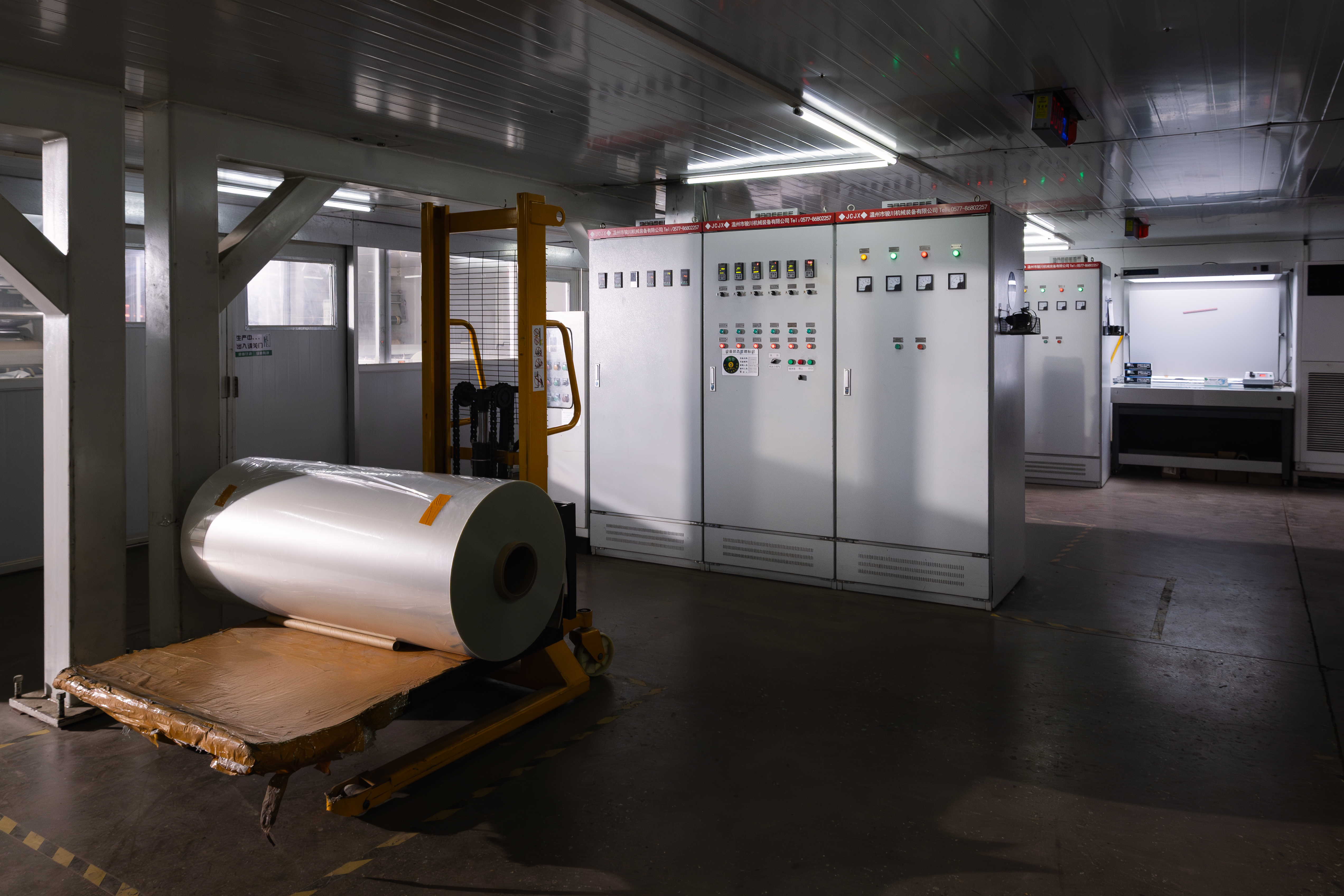
Hot stamping foil does not have one universal temperature and pressure setting. The working window changes with the foil construction, substrate, coating, artwork, press type, contact time and production speed. The practical objective is to reach complete transfer with clean edges and stable adhesion while avoiding substrate damage, foil overflow or unnecessary energy. A repeatable adjustment sequence is more useful than copying a single number from another job.
Temperature activates the heat-sensitive adhesive and influences how the release layer separates from the carrier. If the heat input is too low for the selected construction, transfer may be incomplete or the graphic may rub away easily. If heat is too high, the substrate or coating can be affected, the graphic edge may become less clean and the foil may release in an uncontrolled way. The correct setting is therefore a range matched to the foil and receiving surface, not a universal target.
Pressure creates physical contact between the stamping die, hot stamping foil and receiving substrate, enabling adhesive transfer to take place. Too‑little or uneven pressure fails to establish uniform contact across the stamping area and can leave unwanted gaps, poorly bonded weak edges or patchy incomplete coverage. This risk becomes particularly noticeable on textured, embossed or uneven surfaces where consistent die contact is harder to achieve. Excessive pressure brings its own set of problems: it may compress paper‑based board stock, leave permanent indentation marks on top‑coatings, or squeeze molten foil adhesive outward beyond the intended graphic boundary to create messy over‑foiling. For consistent quality, pressure should be distributed evenly across the full working face of the die. Operators need to tune pressure settings deliberately according to the rigidity of the substrate, the total size of the printed image area, and the roughness or texture of the receiving surface.
A press running faster changes the time available for heat transfer and adhesive activation. A setting that works at a slow sampling speed may not transfer the same way during a production run. Rotary and flat-bed processes also create different contact conditions. When adjusting the job, stabilize the production speed first, then work through temperature and pressure in small steps so the effect of each change can be observed.
Begin by confirming the foil grade and substrate are intended for one another. Next, check that the substrate is clean, dry and fully cured, and that the die or plate is suitable for the artwork. Set a controlled starting point within the supplier's recommended operating window. Run a small sample, inspect fine lines and large solids, then make one change at a time. Adjust temperature toward complete release, adjust pressure toward even contact, and keep the speed stable while comparing samples. Record the selected combination for repeat production.
Faint or missing areas may come from insufficient heat, insufficient pressure, uneven contact, unsuitable surface treatment or a foil mismatch. Fuzzy edges may result from excessive heat, excessive pressure, movement or a plate problem. Foil lifting after rubbing can indicate weak adhesion, an incompletely cured coating, contamination or the wrong adhesive system. Wrinkling can involve web tension, alignment, roll handling or press conditions. A defect should be diagnosed as a system issue rather than corrected by increasing heat automatically.
Coated paper and folding board may tolerate a wider adjustment range than low-energy plastic or soft-touch coated paper. Plastic surfaces may need a dedicated compatible foil and appropriate surface treatment. Textured or embossed paper needs uniform contact and controlled speed. UV-varnished or laminated surfaces must be fully cured and matched to the adhesive system. The supplier needs the actual substrate and process details to recommend a useful starting range.
Optimizing hot stamping foil application means controlling the relationship between foil, substrate, temperature, pressure, speed and artwork. A disciplined sample sequence reduces waste and makes the result easier to repeat. For technical enquiries, include the substrate, coating, press type, artwork size, production speed, downstream steps and the required durability or visual effect. This gives the foil supplier enough information to recommend a practical process window instead of an isolated number.
What should be adjusted first? Confirm the foil and substrate match, stabilize production speed, then adjust temperature and pressure in small steps while inspecting the actual transfer.
Why does more heat sometimes make the result worse? Excess heat can disturb the coating, blur graphic edges or cause uncontrolled release. Heat should remain within the construction's practical operating window.
Can the same setting be used for paper and plastic? No. Different substrates and surface treatments change adhesion and heat response, so the process must be matched to the material.
What should be recorded after sampling? Record the foil grade, substrate, surface treatment, press, speed, temperature, pressure, artwork area and any downstream process used for approval.
What defects are common when foiling on coated plastic surfaces? Edge lifting and incomplete transfer frequently occur. These issues stem from mismatched foil adhesive or insufficient surface preparation of the plastic substrate.
2026/09/11
See how UV and femtosecond lasers write covert codes into anti-counterfeiting foils, plus CO2 demetallization limits and real-time process control.
2026/09/11
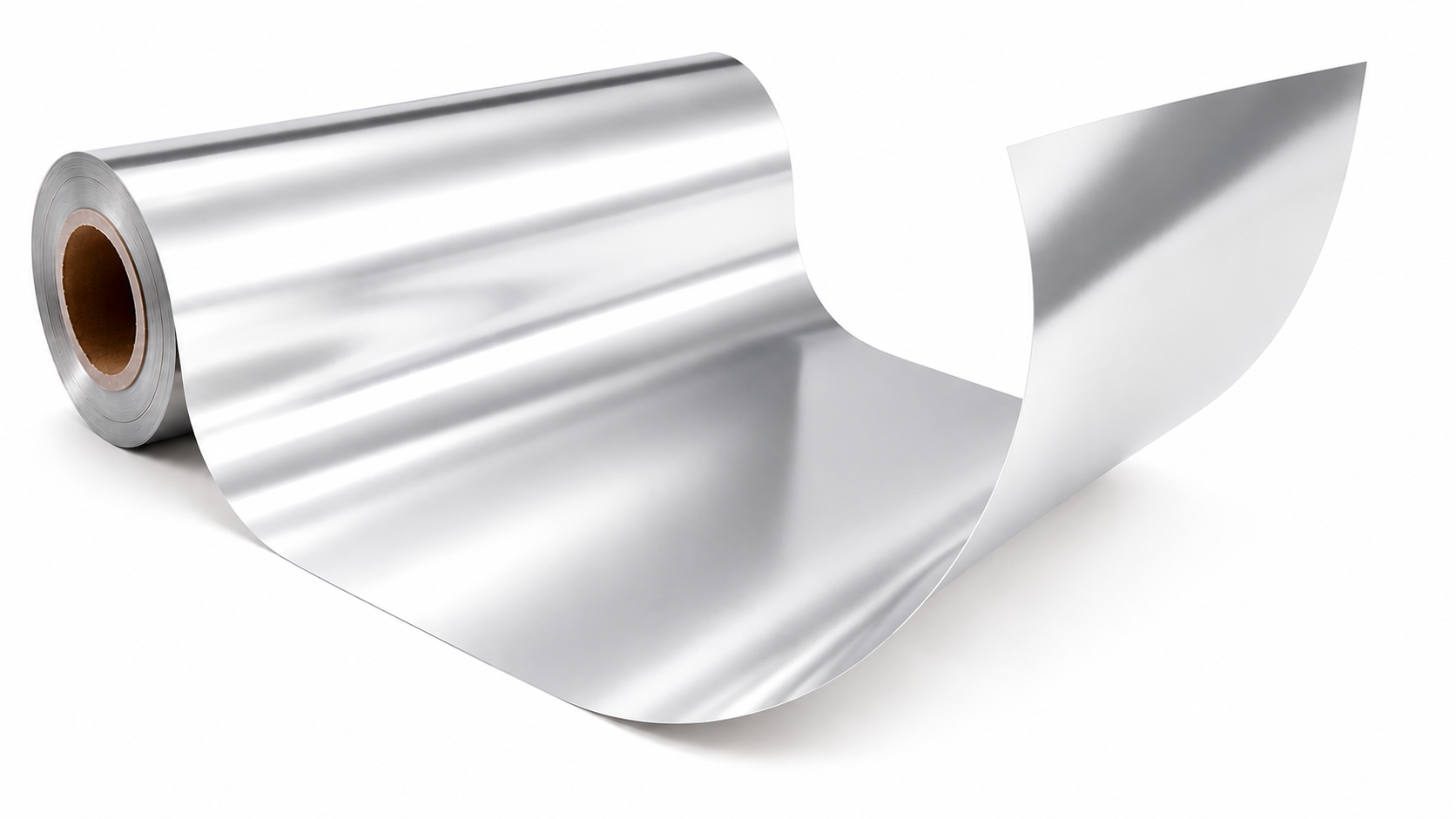
Hologram foil uses electron beam lithography, kinematic holography, dot matrix diffraction, and nanofabrication for secure high-definition packaging.
2026/09/11
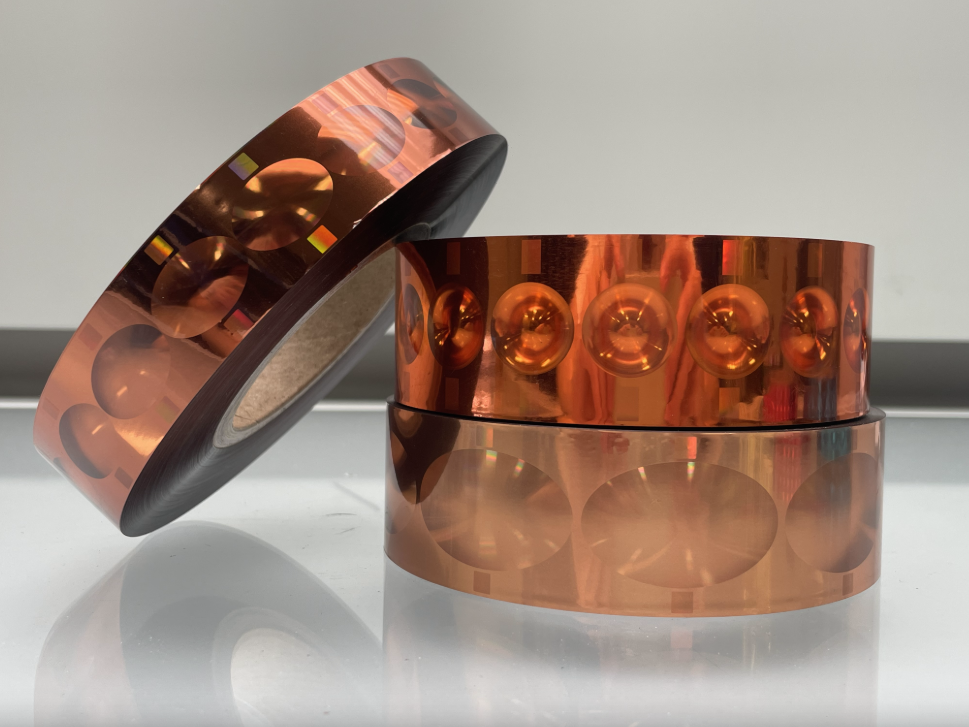
See how light shifts color and motion, adding secure visual effects that resist copying on printed cartons and retail labels for brands worldwide today.
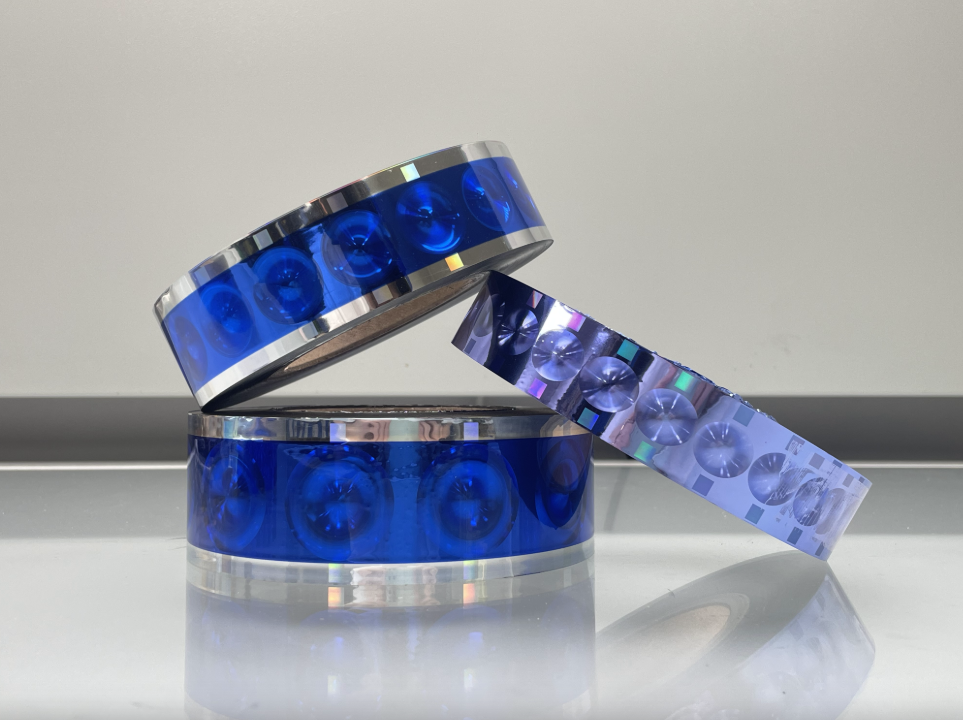
2026/09/11
Security holograms and holographic labels add overt protection. Learn optics, foil, design, pitfalls, limits, and fake risks in real world use.
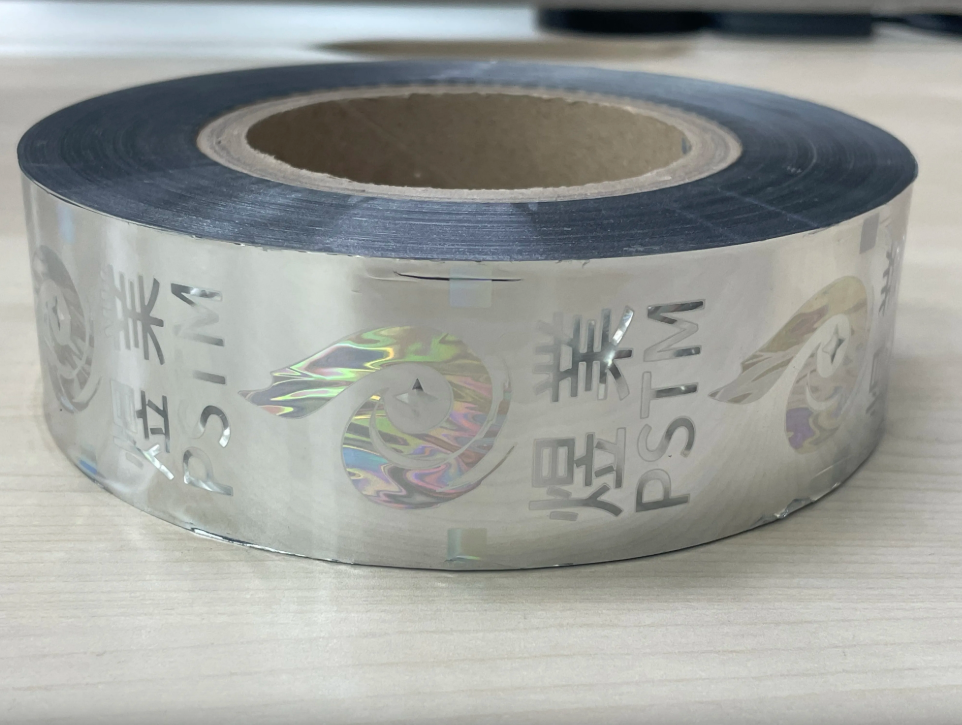
2026/09/11
Learn how metal decoration works without heated dies, plus substrate limits and inline setup costs, quality control and output plans for packaging lines.
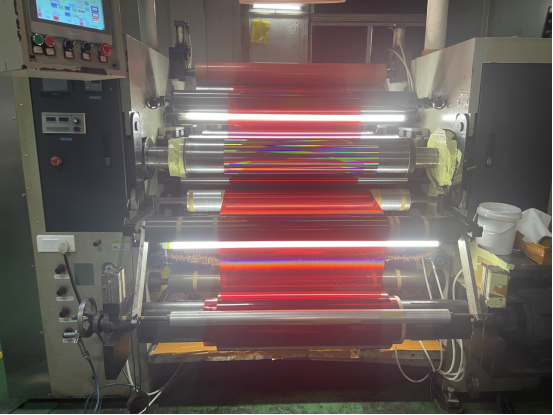
2026/09/11
Hot stamping foil uses heated dies; metallic ink prints via a printing process. Compare brilliance, adhesion, rub resistance, cost, substrate for decoration