EN
EN
What is the role of laser technology in anti-counterfeiting foil development?
2026/09/11
See how UV and femtosecond lasers write covert codes into anti-counterfeiting foils, plus CO2 demetallization limits and real-time process control.
2026/07/28

2026/07/28
Packaging used to be about protection and information. Now it carries a heavier load — brand storytelling, consumer engagement, and shelf differentiation all compressed into a few square inches of surface area. For brands operating in crowded categories like cosmetics, spirits, or premium confectionery, the difference between a "consideration" and a "purchase" often comes down to what happens in the three seconds a shopper's gaze lands on the package.
Holographic foil has moved beyond the novelty phase. What was once reserved for concert tickets and limited-edition collectibles has become a strategic tool for brand teams looking to inject motion, depth, and perceived value into packaging without overhauling their entire structural design. The question isn't whether holographic effects look impressive — they do. The real question is how to deploy them in a way that serves the brand rather than overwhelms it.

Holographic foil works through light diffraction — micro-embossed patterns on the foil's surface break white light into its spectral components, creating color shifts as the viewing angle changes. Unlike metallic foils that reflect a single color, holographic foils produce an ever-changing palette that catches the eye from across the aisle.
From a packaging perspective, this angle-dependent visual change can help a carton or label attract attention as shoppers move through a display. The effect is strongest when the holographic area supports a clear logo, pattern, or brand cue rather than competing with the main design.
Holographic foil can also influence perceived production value because complex optical effects are difficult to reproduce with ordinary printing. Its commercial value is strongest when the effect matches the brand position and supports a clear visual hierarchy. Brands can evaluate the result through artwork review, sampling, and production trials before committing to a full run.
That said, not every brand needs full-coverage holographic effects. The most effective strategies use holographic foil as an accent — a logo, a brand mark, a pattern that reveals itself when the package is turned. Restraint signals confidence. Overuse signals desperation.
Brand architecture determines how visual elements are distributed across product tiers. Holographic foil works best when assigned a specific role in that hierarchy.
For flagship or limited-edition SKUs, full holographic coverage can communicate exclusivity. For mid-tier products, strategic placement — a holographic seal, a brand emblem, or a decorative band — adds premium cues without inflating unit costs excessively. For entry-level products, holographic elements are often overkill unless the category demands it (think premium gifting or luxury adjacencies).
When upgrading premium product packaging, brands can effectively elevate consumer perception and market performance by adopting customized holographic foil finishes tailored to brand tone and positioning. Compared with plain packaging and conventional metallic foil decoration, well-matched holographic treatments deliver stronger premium visual cues and higher perceived product value. Beyond improving in-store shelf performance, the unique, aesthetically pleasing holographic appearance greatly enhances packaging shareability on social platforms. This transforms conventional packaging into a valuable branded content asset, extending brand influence beyond physical retail environments and generating continuous organic exposure.
This touches on something important: holographic foil doesn't just work at the point of sale. It works after the sale, too. Packaging that photographs well and looks distinctive in user-generated content extends the brand's reach far beyond the retail shelf.
The common objection to holographic foil is cost. Yes, holographic foils typically carry a premium over standard metallic foils. But the gap has narrowed considerably over the past five years as production volumes have scaled and manufacturing processes have matured.
Here is a practical comparison across three common foil types used in mid-volume packaging runs (10,000–50,000 units):
In terms of cost control, standard metallic foil is the most accessible option. Patterned holographic foil and custom registered holographic foil, by contrast, typically require more complex plate-making and proofing processes, which add to both upfront lead time and production overhead. In terms of visual impact and anti-counterfeit capability, the ladder escalates from standard metallic (high reflectivity, single color, low security) to patterned holographic (multi-color shift, diffraction patterns, medium security) to custom registered holographic (brand-specific imagery, 3D effects, micro-text, high security). As such, standard metallic works best for general premium packaging; patterned holographic suits brand accents and decorative elements; while custom registered holographic is reserved for anti-counterfeiting and flagship SKUs.
The global holographic labels market has seen sustained growth in recent years, with projections indicating continued expansion over the next decade. That trajectory suggests brands are increasingly viewing holographic effects not as a luxury line item but as a competitive necessity.
The real cost consideration isn't the foil itself — it's the registration and application process. Registered holographic effects require tight registration control to align the diffraction pattern with the design. The final result depends on a combination of factors, including the artwork design, plate quality, substrate characteristics, and the capabilities of the equipment used. Not every converter has the same level of precision control. Partnering with a foil supplier that provides technical support during the production ramp-up phase can make the difference between a smooth launch and a headache.
Counterfeiting is no longer confined to the luxury and pharmaceutical sectors. In recent years, copycat products have become increasingly prevalent across most premium consumer goods categories. Packaging, in particular, is the most frequently replicated element due to its visual accessibility and relatively low duplication barriers, which disrupts branded market order and undermines both brand reputation and consumer interests.
Holographic foil can combine decorative impact with visible brand-protection features. Custom patterns, registered graphics, micro-text, and naked-eye 3D effects can raise the difficulty of direct visual replication compared with ordinary printing. The actual security value depends on the artwork, registration quality, production control, and how the brand integrates the feature into its packaging system.
As a tangible visual proof of authenticity, holographic packaging reduces consumer purchase concerns and builds solid brand credibility. Reliable anti-counterfeit packaging enhances purchase confidence, strengthens consumer recognition of brand professionalism, and improves long-term customer retention and repurchase intention.
Unlike conventional decorative finishing techniques that offer only aesthetic value, holographic foil provides dual benefits of premium visual enhancement and practical anti-counterfeit functionality. Its added functional value effectively offsets the incremental production costs. Brands can therefore achieve superior shelf differentiation and systematic brand protection with a higher return on investment, making holographic foil a cost-effective upgrade for premium packaging systems.
Successful integration of holographic foil into brand packaging comes down to three execution factors:
Substrate compatibility. Holographic foils perform differently across materials. GL Foils’ documented product range covers coated and UV-varnished papers, textured paper stocks, and selected plastic substrates such as ABS, PC, PETG, PVC, PET, and PP with the corresponding foil series. Actual performance depends on the substrate surface, artwork, and stamping conditions, so production-substrate sampling is required before mass production.
Die and temperature settings. Hot stamping holographic foil requires controlled temperature and pressure to activate the release layer without degrading the diffraction pattern. Too hot, and the pattern distorts. Too cold, and the transfer is incomplete. Production teams need to dial in the parameters for each specific foil-substrate combination.
Registration accuracy:For holographic finishes integrated with brand logos or custom graphics, strict registration control is essential throughout production. High-precision registered hot stamping follows rigorous industry specifications that require extremely low alignment deviation. Excessive misalignment will cause pattern shifting, blurring, or broken diffraction textures, compromising the delicate visual quality and premium texture of the packaging.
In actual mass production scenarios, holographic hot stamping often faces inconsistent application results due to unstable equipment parameters and mismatched process conditions. It is common for holographic foils to achieve perfect visual effects in laboratory sampling but produce defective finishes during formal high-volume production. Such production deviations are mainly caused by unstable stamping temperatures, mismatched release formulations, or incompatible equipment settings. Professional foil suppliers can adjust the foil’s formula and technical parameters according to actual on-site production conditions, calibrating the foil performance to match specific stamping equipment and production environments. This helps reduce common stamping defects, improve mass-production stability, and support a smoother product launch.
That kind of outcome depends on working with a supplier that understands not just foil chemistry but also the realities of production environments. GL Foils, for instance, maintains technical support capabilities that bridge the gap between foil development and on-press execution — a distinction that becomes critical when timelines are tight and tolerances are narrow.
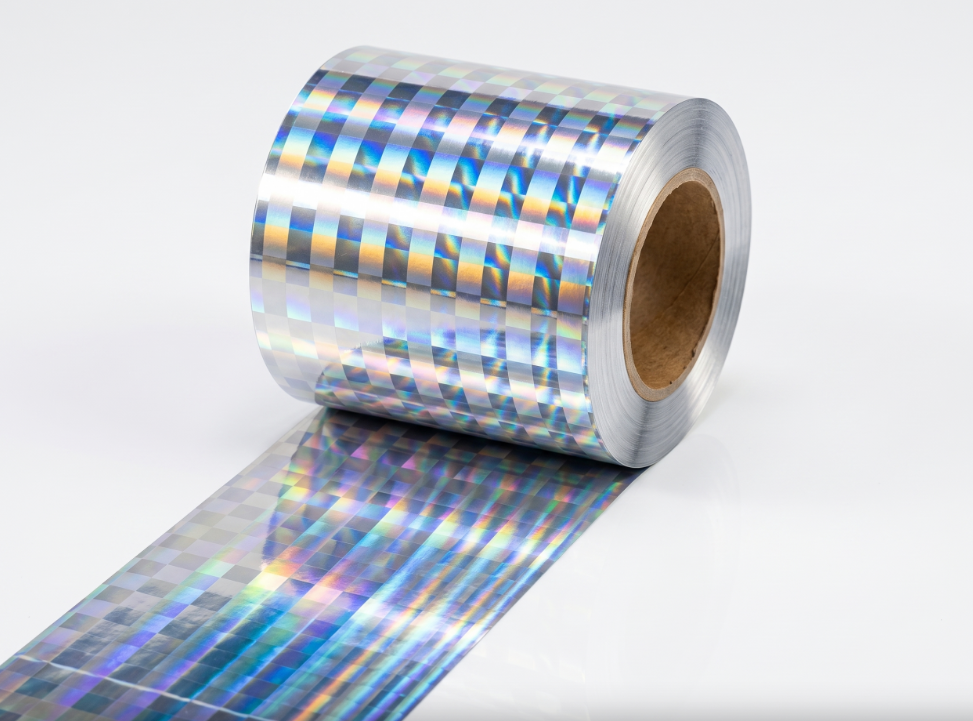
2026/09/11
See how UV and femtosecond lasers write covert codes into anti-counterfeiting foils, plus CO2 demetallization limits and real-time process control.
2026/09/11
Hologram foil uses electron beam lithography, kinematic holography, dot matrix diffraction, and nanofabrication for secure high-definition packaging.
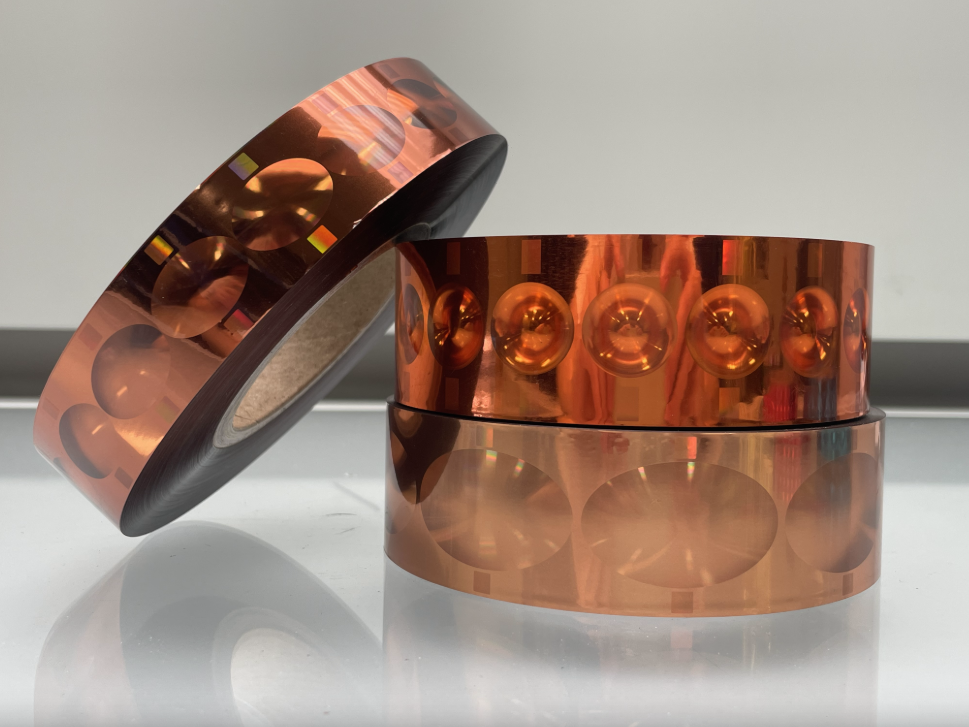
2026/09/11
See how light shifts color and motion, adding secure visual effects that resist copying on printed cartons and retail labels for brands worldwide today.
2026/09/11
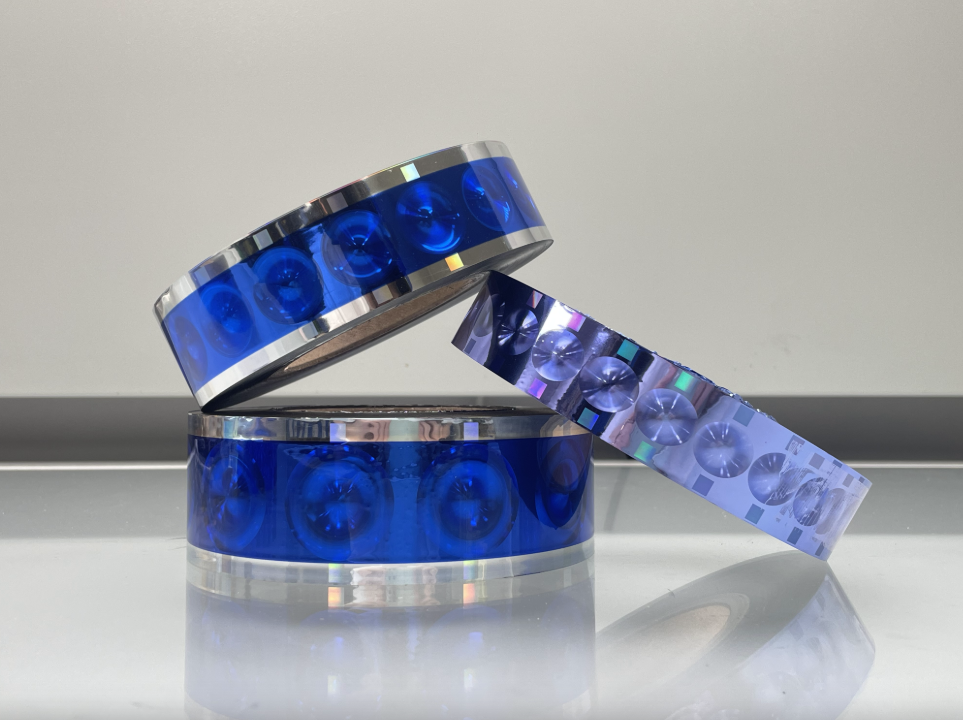
Security holograms and holographic labels add overt protection. Learn optics, foil, design, pitfalls, limits, and fake risks in real world use.
2026/09/11
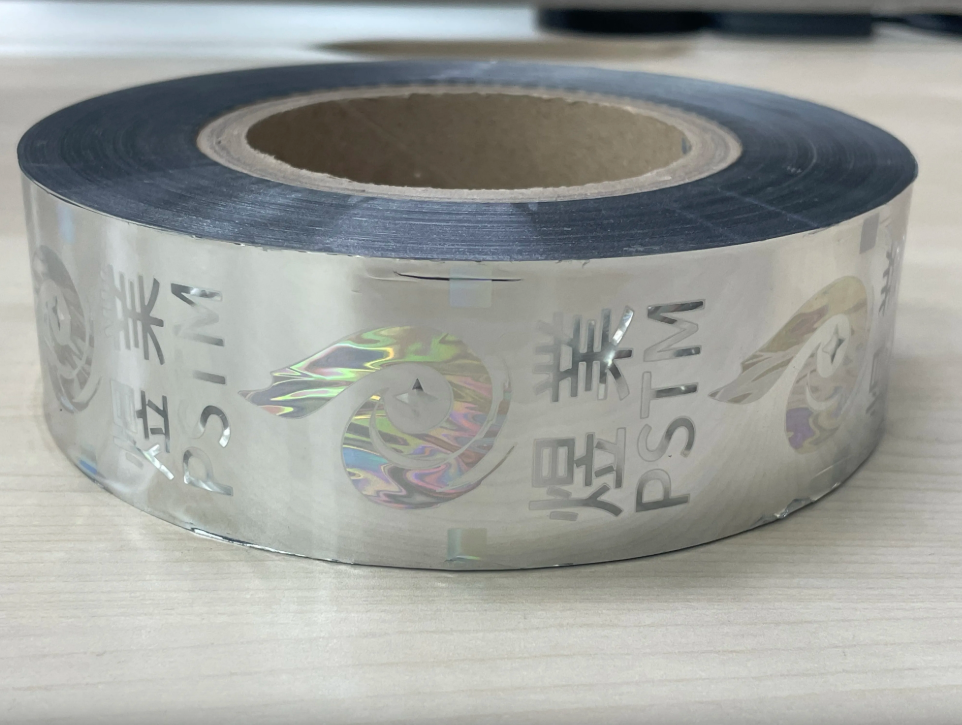
Learn how metal decoration works without heated dies, plus substrate limits and inline setup costs, quality control and output plans for packaging lines.
2026/09/11
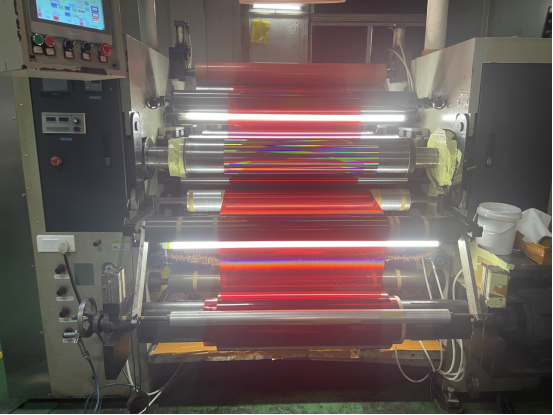
Hot stamping foil uses heated dies; metallic ink prints via a printing process. Compare brilliance, adhesion, rub resistance, cost, substrate for decoration