EN
EN

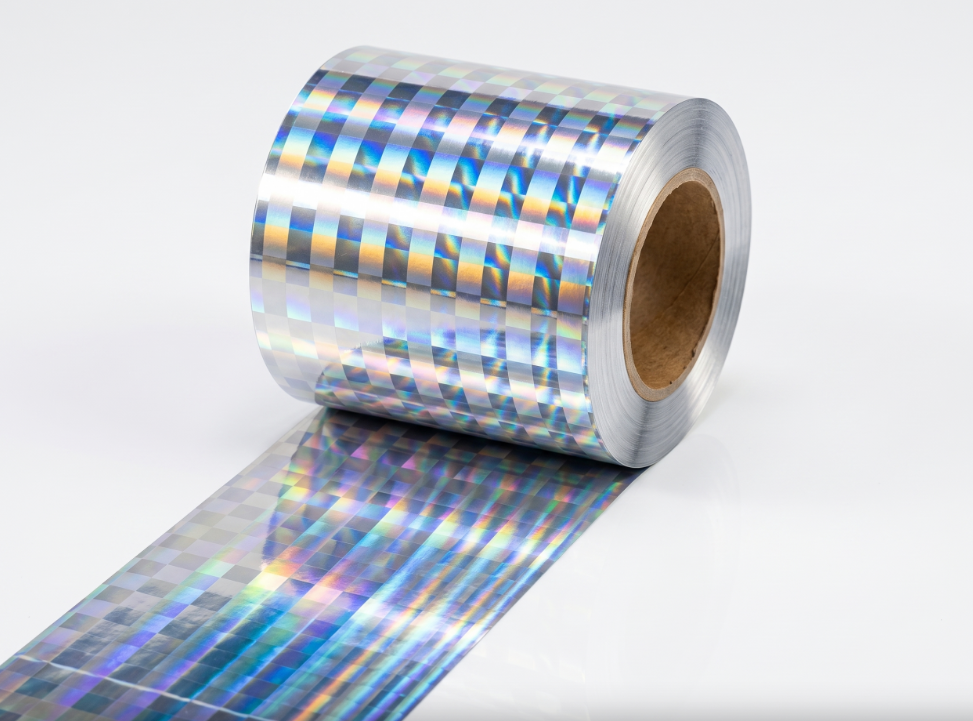
What is the role of laser technology in anti-counterfeiting foil development?
2026/09/11
See how UV and femtosecond lasers write covert codes into anti-counterfeiting foils, plus CO2 demetallization limits and real-time process control.
2026/09/11
2026/09/11
Every hot stamping foil contains functional layers that must release from the PET carrier and bond to a specific receiving surface. The adhesive and release balance is central to compatibility, but lacquer, metallization, substrate coating and artwork area also matter. GL Foils separates HP1/HP2 paper grades from plastic grades because a construction qualified for coated paper should not be assumed suitable for PP, UV-coated cosmetic parts or appliance plastics. Select the family first from the real substrate and coating, then confirm the grade through a production trial.
A mismatched grade can cause edge lift, incomplete release, filled-in detail or resistance failure after stamping. These defects do not prove a single chemical cause: contamination, curing, moisture, uneven pressure and excessive heat can produce similar symptoms. Compare a matched grade on material from the same batch, hold other variables constant, and evaluate the acceptance test required by the finished product. Machine adjustment cannot reliably compensate for an incompatible foil-surface combination.
The table below summarizes verified GL Foils selection ranges by substrate family. Temperatures are starting windows from the current TDS, not fixed production settings; pressure, speed and dwell still require adjustment for the machine, part geometry, coating and artwork.
| Substrate / surface | Relevant GL Foils range | TDS starting window | Selection note |
| Coated paper and paperboard | HP1 metallic/pigment or HP2 holographic | 120-160 degrees Celsius flat-bed; 210-240 degrees Celsius rotary | Choose by artwork, coating and effect |
| Coated or laminated paper | Matched HP1 / HP2 grade | 110-120 degrees Celsius may reduce wrinkling | Confirm bond, gloss and later converting |
| PP plastic packaging | HSQ7; selected HSK6/HSK8 by surface | 210-260 degrees Celsius by grade | Verify treatment, additives and deformation |
| PC / ABS / PVC / PETG components | HSK6 / HSK8 or appliance series | 210-260 degrees Celsius by grade | Match coating, graphic size and resistance |
| UV / PU-coated components | HSP2, HSK6 or HSK8 as applicable | 210-260 degrees Celsius by grade | Confirm coating cure and alcohol/abrasion target |
| Glass | Outside the current plastic-component TDS range | Separate process qualification | Do not apply paper/plastic settings directly |
Use the actual substrate and customer acceptance method for final approval. A numerical peel-force value is meaningful only when the specimen, test method, conditioning and pass criterion are defined, so this article does not assign a universal peel threshold to each substrate.
Surface energy affects how the activated adhesive wets plastic, but a polymer name or generic dyne value does not prove compatibility. Measure the actual treated surface, check cleaning and coating cure, and record the time since corona or plasma treatment. For PP and other difficult surfaces, use a qualified grade and confirm adhesion after conditioning. Temperature and pressure tuning can refine a suitable system, but they should not be used to force a paper grade onto an unqualified plastic.
Skipping pre-production testing is a common source of avoidable waste. Build a short qualification plan around the end-use requirement instead of applying every test to every package.
1. Adhesion check: use the agreed tape, cross-hatch or peel method on a conditioned stamped sample and record the substrate, coating and foil code.
2. Environmental check: when the product will face heat, cold or humidity, condition samples to the customer's defined cycle and then recheck adhesion and appearance.
3. Resistance check: use the specified alcohol, rub, abrasion, water or fold test only when it reflects the actual application. Test production material rather than a generic sample board because coatings and additives vary by batch.
Substrate type is the starting point, but equipment, artwork and downstream converting complete the selection. Fine logos require clean release and edge definition; broad solids require uniform contact and coverage. Post-processing such as overprinting, lamination, folding or sterilization must be included in the approval plan when it is part of the real package. Record the final foil code and process window after the complete construction passes.
GL Foils uses separate paper, PP-focused, coated-plastic and appliance-panel ranges to narrow selection by application. For a useful recommendation, provide the substrate name, coating or treatment, machine type, artwork area, target color and required resistance test. This information is more reliable than choosing a general-purpose foil from appearance alone.
Start with a representative production sample, not only the polymer or paper name. Record the board coating, plastic grade, surface treatment, printed or varnished layer, age of treatment and any mold-release or slip additives. Select the relevant foil family from that construction, then run a small matrix around the TDS starting temperature while holding the die and material batch constant. Evaluate image completeness, edge definition and damage to the substrate before testing adhesion. This order prevents a visually complete but over-heated sample from being approved too early.
After the initial transfer is stable, test the property that matters in use: folding for cartons, alcohol or abrasion for cosmetic components, water or temperature exposure for selected PP applications, or re-stamping and salt-spray performance where specified for appliance decoration. Record the approved foil code, roll batch, temperature, pressure, dwell or speed, die, substrate batch and result. Keep one approved sample under controlled storage and compare later batches under the same lighting and inspection method before full production. A repeatable record is more valuable than a broad claim that one foil works on many materials, because it gives purchasing and production teams a controlled starting point when the job returns.
2026/09/11
See how UV and femtosecond lasers write covert codes into anti-counterfeiting foils, plus CO2 demetallization limits and real-time process control.
2026/09/11
Hologram foil uses electron beam lithography, kinematic holography, dot matrix diffraction, and nanofabrication for secure high-definition packaging.

2026/09/11
See how light shifts color and motion, adding secure visual effects that resist copying on printed cartons and retail labels for brands worldwide today.
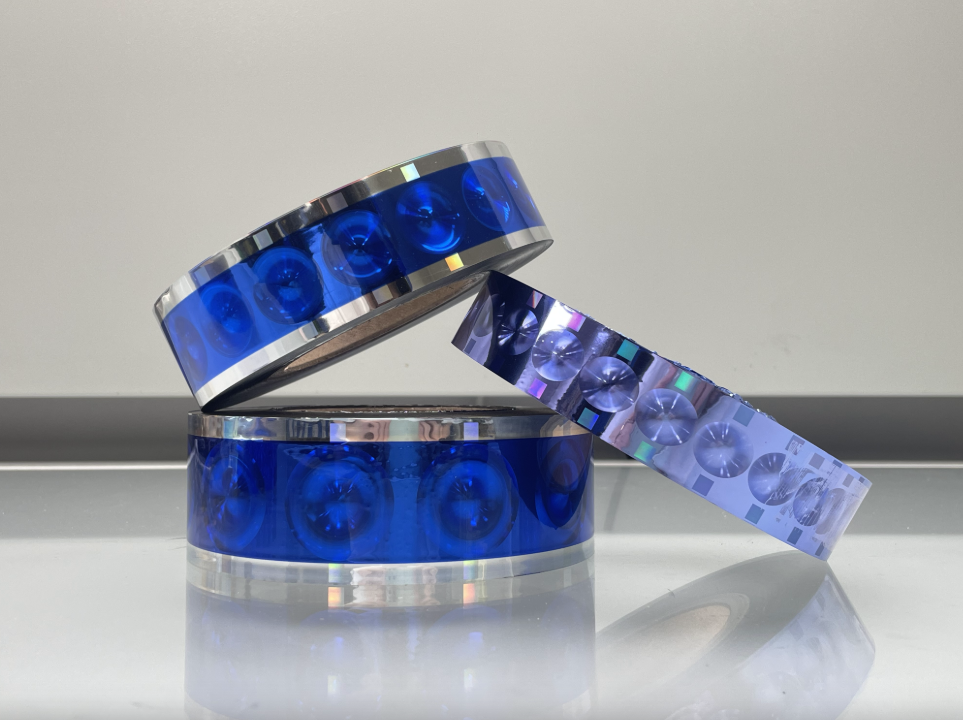
2026/09/11
Security holograms and holographic labels add overt protection. Learn optics, foil, design, pitfalls, limits, and fake risks in real world use.
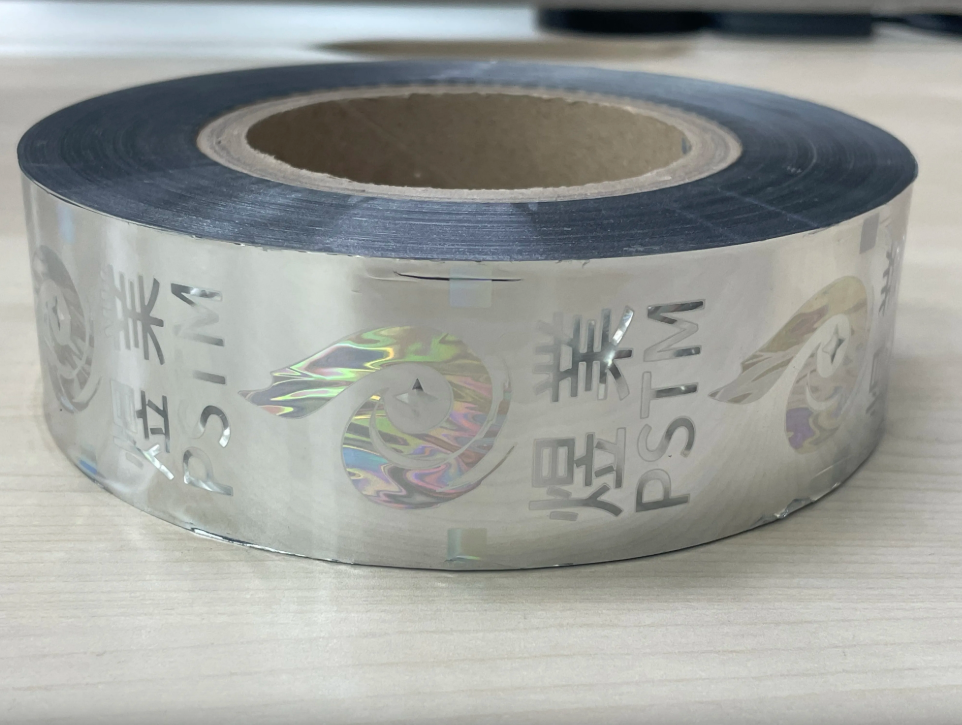
2026/09/11
Learn how metal decoration works without heated dies, plus substrate limits and inline setup costs, quality control and output plans for packaging lines.
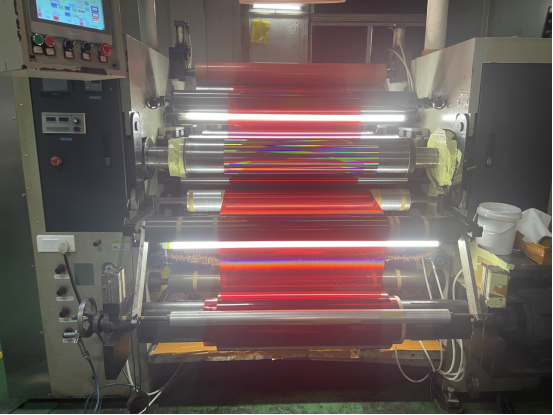
2026/09/11
Hot stamping foil uses heated dies; metallic ink prints via a printing process. Compare brilliance, adhesion, rub resistance, cost, substrate for decoration