EN
EN
What is the role of laser technology in anti-counterfeiting foil development?
2026/09/11
See how UV and femtosecond lasers write covert codes into anti-counterfeiting foils, plus CO2 demetallization limits and real-time process control.
2026/08/14
2026/08/14
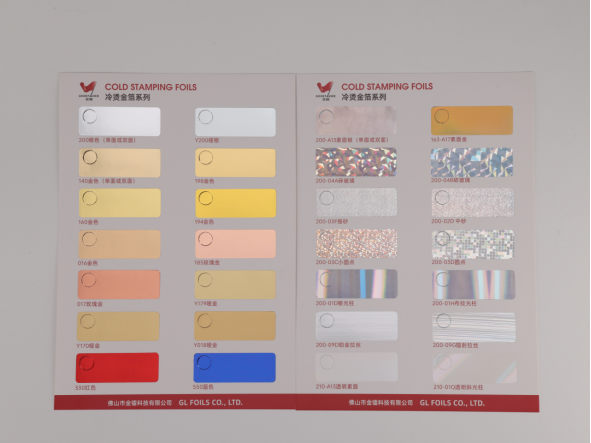
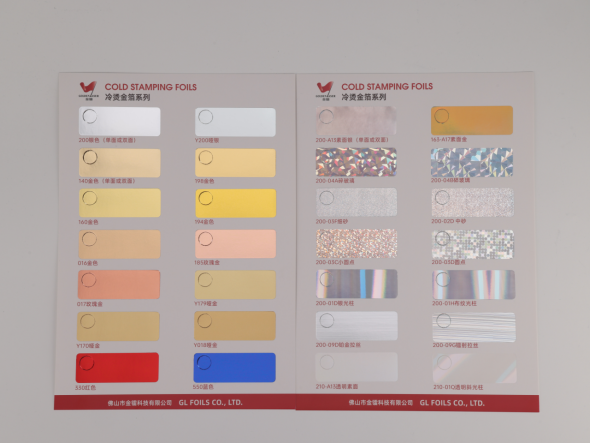
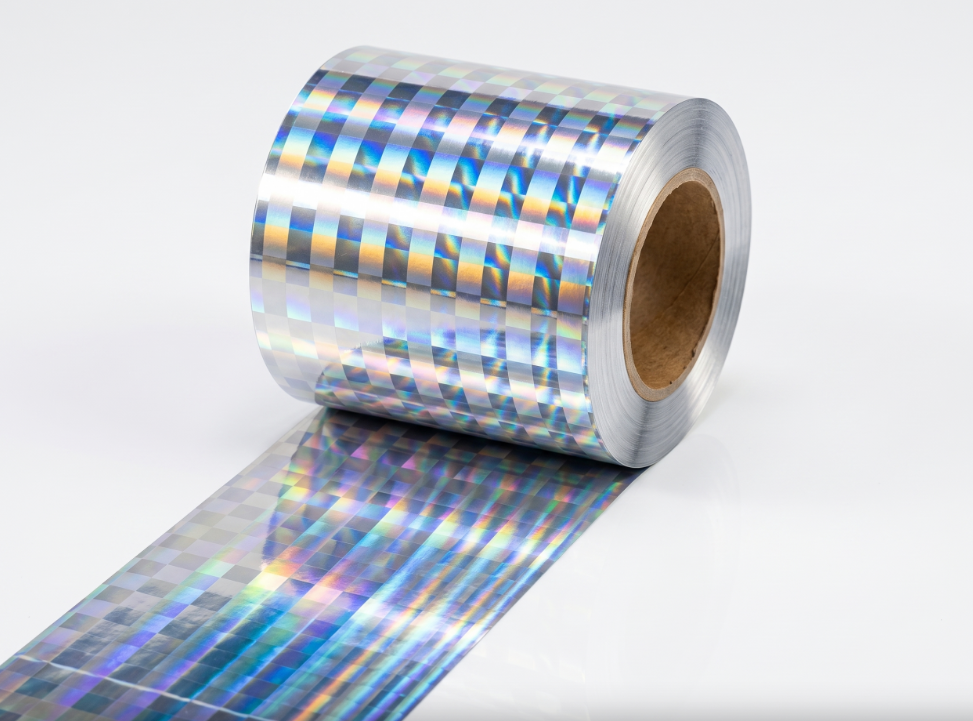
Rainbow holographic foil produces changing spectral color through a micro-structured optical surface. When light reaches the transferred pattern, the reflected color shifts with the viewing angle. The visible result is influenced by the pattern structure, the base color, the paper surface and the quality of transfer. It is not simply a colored metallic film, and the same roll can appear more vivid or more restrained depending on the package material and lighting environment.
Dark printed paper or dark coated board often gives a holographic pattern stronger contrast because the reflected colors stand out against the background. Pale or uncoated paper can create a softer effect, while a busy multicolor print may compete with the changing light. The design team should review the foil on the final print background, not on a white sample card only. Background ink density, varnish and the amount of unfoiled space all affect readability.
Coated paper, matte-coated paper, UV-varnished paper and textured specialty paper do not present the same receiving surface. A smooth, compatible surface generally gives the optical pattern a cleaner visual outline. A soft-touch or textured coating can soften the effect or require a more suitable foil construction and controlled process. Paper porosity, dust, incomplete curing and uneven coating can also reduce transfer consistency. A paper grade should therefore be selected together with its surface treatment.
Fine textures can create a delicate, low-key color shift, while larger directional structures create stronger movement and more visible bands. Dot, geometric, ice-crystal and custom patterns each create a different visual rhythm. Fine details must remain practical at the finished size. If the pattern is too dense for a very small graphic, the rainbow effect can look broken or lose definition. A sample should show the smallest critical detail as well as the larger decorative area.
Heat, pressure, speed, dwell time and contact uniformity work together during hot stamping. Insufficient transfer can leave gaps or interrupt the optical effect; excessive heat or pressure can disturb the substrate or reduce the clarity of the pattern. The correct process window depends on the foil construction and paper surface, so one setting should not be copied blindly from another job. Stabilize the production speed and compare small changes against the actual paper and artwork.
Rainbow foil may be combined with printing, embossing, lamination, folding or die-cutting. Each later step can alter the way the package reflects light or how well the transferred layer remains intact. During approval, review the visual effect under the lighting used for retail or presentation, and inspect fine lines, large solids, corners and the foil edge. If the package will face moisture, alcohol, oil or repeated rubbing, include that requirement in the material brief.
A strong rainbow effect comes from matching holographic foil, paper substrate, print background, artwork and process conditions. Darker or smoother surfaces may emphasize the optical movement, while matte or textured papers may call for a quieter pattern and more controlled transfer. The most reliable selection process uses the actual paper, artwork and finishing sequence so the approved appearance can be repeated in production.
Why does the rainbow effect look different on different paper? Paper color, coating, surface texture and print background change both the transfer quality and the contrast of the optical pattern.
Can stamping parameters ruin the rainbow optical performance? Yes. Improper heat, pressure or production speed may cause incomplete foil transfer, fragmented patterns or blurred spectral shifting. Process settings must be finetuned for the specific foil grade and substrate instead of reusing parameters from other printing jobs.
Will the rainbow holographic effect degrade after postprocessing? Poststeps such as lamination, overprinting and repeated physical rubbing may alter light reflection or damage the transferred microstructure. State enduse conditions in your specification and validate the visual effect after all downstream finishing during sampling.
2026/09/11
See how UV and femtosecond lasers write covert codes into anti-counterfeiting foils, plus CO2 demetallization limits and real-time process control.
2026/09/11
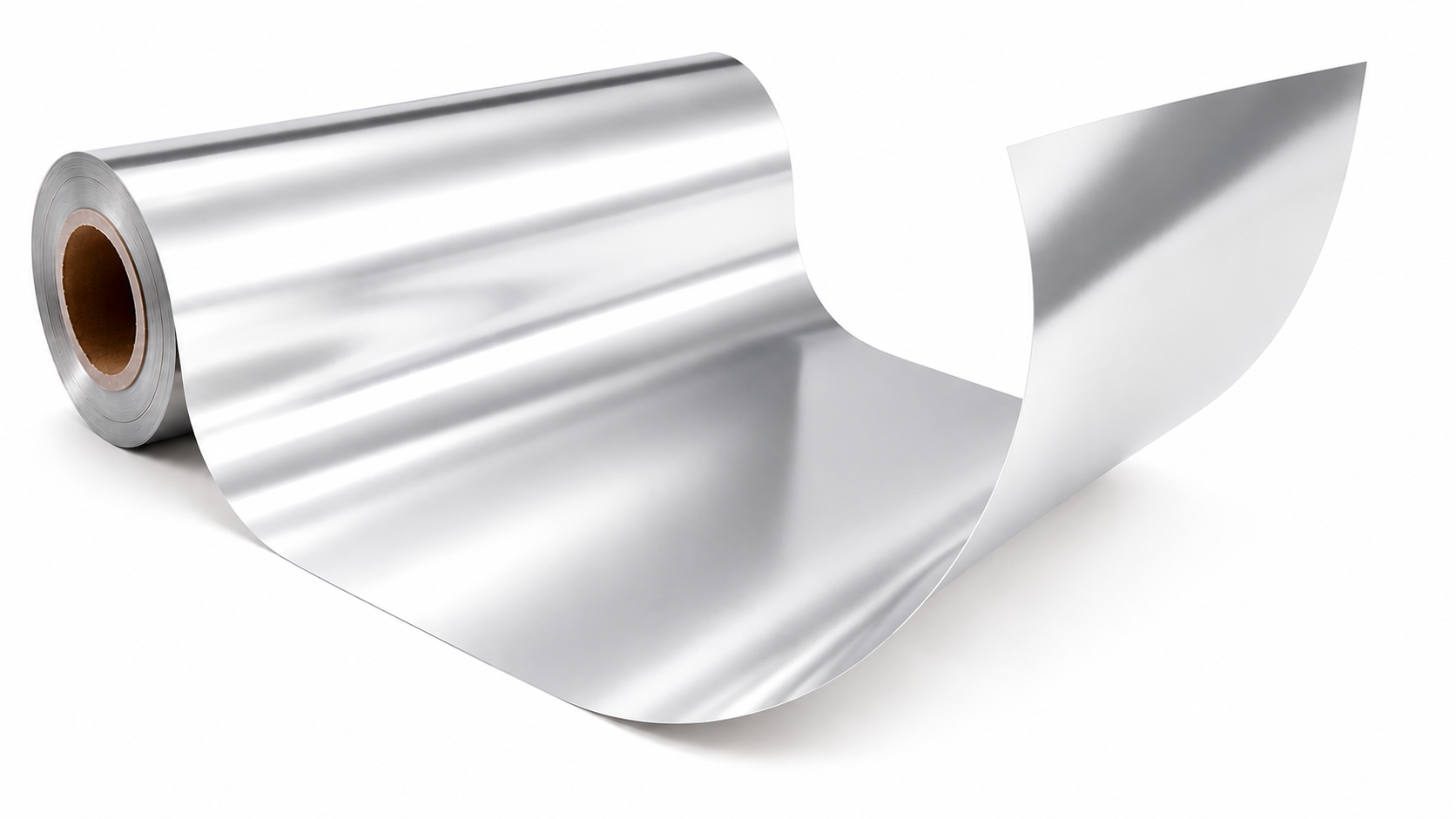
Hologram foil uses electron beam lithography, kinematic holography, dot matrix diffraction, and nanofabrication for secure high-definition packaging.
2026/09/11
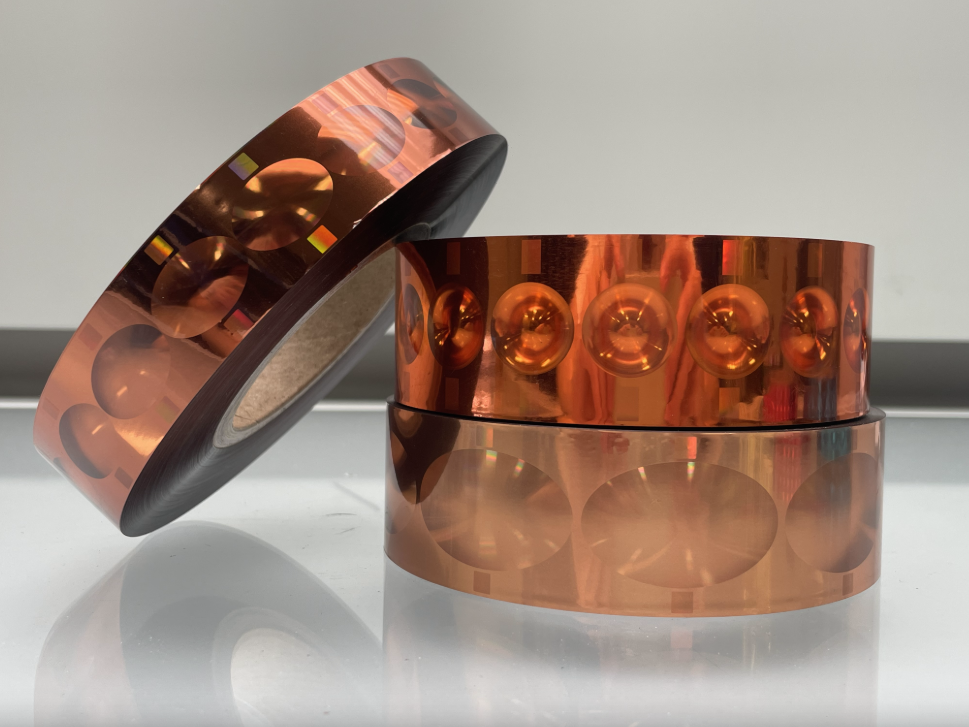
See how light shifts color and motion, adding secure visual effects that resist copying on printed cartons and retail labels for brands worldwide today.
2026/09/11
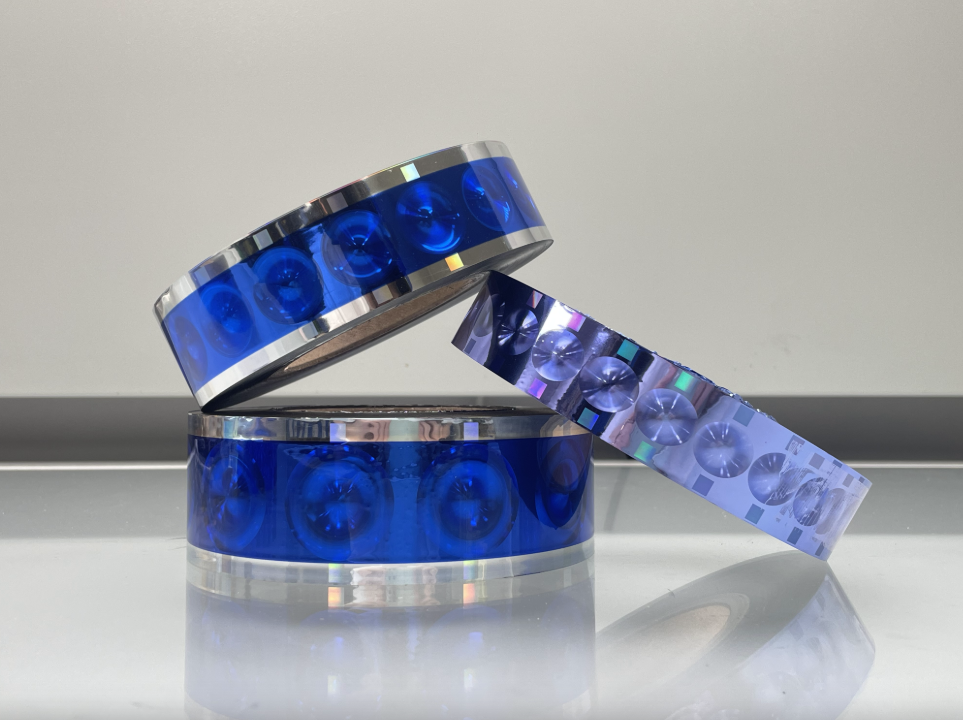
Security holograms and holographic labels add overt protection. Learn optics, foil, design, pitfalls, limits, and fake risks in real world use.
2026/09/11
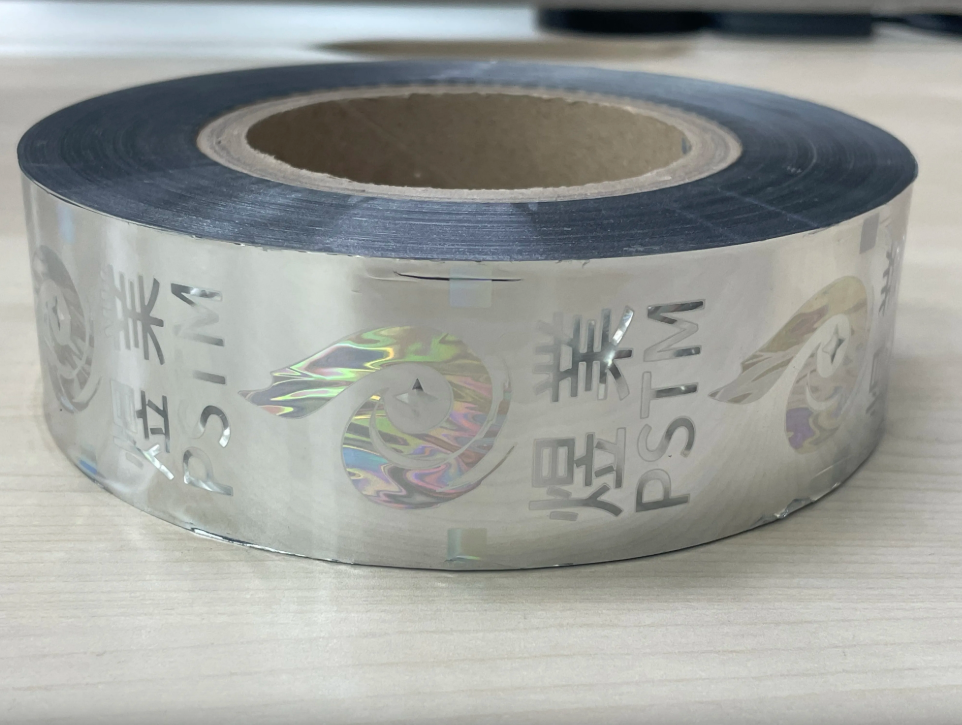
Learn how metal decoration works without heated dies, plus substrate limits and inline setup costs, quality control and output plans for packaging lines.
2026/09/11
Hot stamping foil uses heated dies; metallic ink prints via a printing process. Compare brilliance, adhesion, rub resistance, cost, substrate for decoration