EN
EN

What is the role of laser technology in anti-counterfeiting foil development?
2026/09/11
See how UV and femtosecond lasers write covert codes into anti-counterfeiting foils, plus CO2 demetallization limits and real-time process control.
2026/08/01
2026/08/01
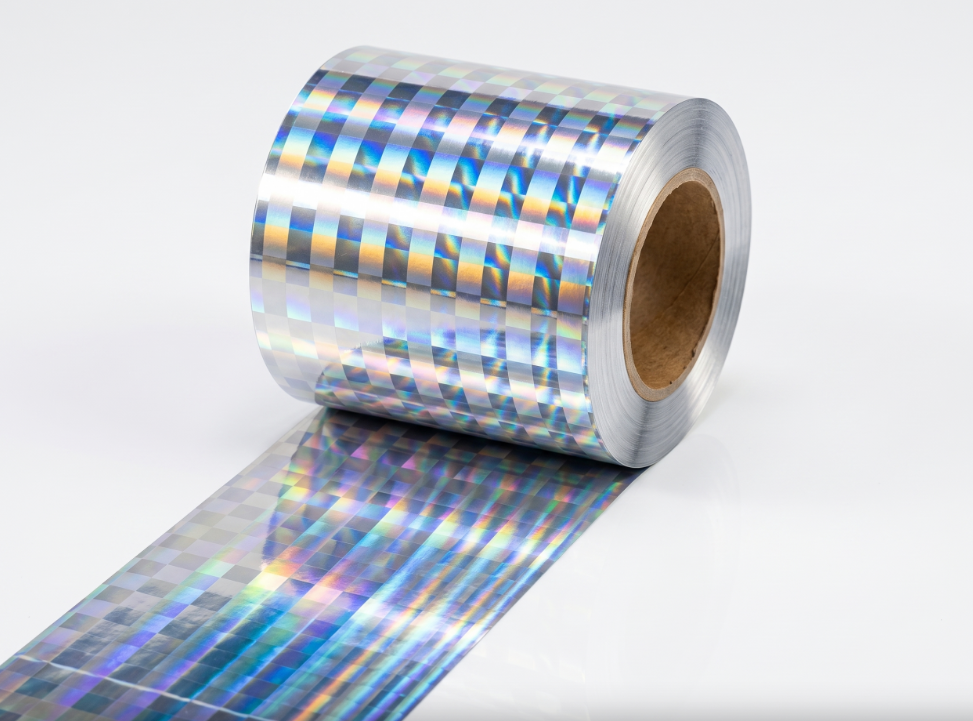
Luxury packaging relies heavily on sensory cues to distinguish high-end goods from mass-market alternatives, and holographic stamping foil delivers light-activated color shifts that static metallic finishes cannot replicate. Full-spectrum refraction built into micro-grating layers generates continuously shifting hues as viewing angles change, an optical feature that instantly influences how consumers perceive a product’s positioning. Holographic decorative treatments can create a clear visual distinction on retail shelves while offering a different visual language from plain gold and silver foil finishes.
This packaging advantage is widely validated in luxury limited-edition releases. Premium seasonal product lines commonly adopt custom holographic foil detailing on gift box edges, bottle trims and specialty labels to upgrade packaging sophistication. In actual retail application, the dynamic angle-shifting iridescent finish consistently stands out to consumers, effectively differentiating high-end limited collections from ordinary standard packaging. The ever-changing optical luster delivers unique, upscale visual exclusivity that flat, single-tone metallic coatings are unable to replicate.
Luxury goods retail areas are filled with similar boxes, bottles and rigid cartons, so fast visual differentiation has become a key branding goal. Conventional decorative finishes struggle to grab sustained shopper attention amid crowded shelf layouts.
Standard gold hot stamping foil delivers a steady single metallic tone, while matte silver pigment foil offers understated metallic appearance without color shifting effects. Custom holographic foil brings dynamic full-spectrum rainbow iridescence that static metallic alternatives cannot match.
This distinct optical characteristic keeps shoppers focused on packaged merchandise far longer than ordinary stamping solutions. Many mid-to-high-end competitors still use plain single-tone metallic decorations that easily blend into surrounding products. Brands that adopt holographic finishes can naturally attract consumer attention, with no need for bulky packaging or loud printed graphics.
Counterfeit production targets luxury limited-edition lines due to strong profit margins, and standard metallic foils offer almost no technical barriers to low-cost replication. Holographic stamping foil’s microscopic diffraction grating architecture requires industrial laser master plate equipment and vacuum metallizing chambers to reproduce accurately, hardware out of reach for small counterfeit workshops. Some brand owners use registered graphics or micro-text within a holographic design as part of a wider authentication system. The final effect depends on artwork, plate quality, registration, and production consistency.
During packaging quality checks, visible differences in pattern definition, brightness, and registration can help teams identify inconsistencies between approved samples and non-conforming packaging. Most counterfeiters adopt low-cost printed rainbow overlay films without professional micro-grating structures, leading to faint, uneven color refraction and lifeless optical effects that differ drastically from authentic industrial-grade holographic foil. These obvious flaws make genuine products easily identifiable against counterfeit goods. Integrating built-in optical anti-counterfeiting structures into packaging decoration eliminates the need for additional independent security labels, streamlining the packaging structure and delivering a more minimalist, integrated and high-end visual presentation for luxury product packaging.
Luxury packaging uses a range of coated paper and selected plastic substrates. Holographic stamping foil must be matched to the surface, artwork, and production conditions to support clean transfer and stable adhesion through the intended converting and handling steps.
Single-purpose metallic foils often struggle to bond evenly onto smooth plastic or rough textured paper surfaces, forcing packaging teams to source separate finishing materials for each product component. Multi-compatible holographic foil consolidates material orders, cutting supply chain coordination work for short-run limited luxury collection production timelines.
No two luxury brands share identical visual standards. Custom holographic foil can be developed with selected patterns, colors, and visual intensity to align with the brand artwork. Registered graphics, micro-text, and 3D-style effects may be incorporated during plate development where the application and production process support them. The final result depends on artwork, substrate, plate quality, and registration control.
Unlike pre-made fixed metallic foil rolls with unchangeable reflective tones, holographic variants allow fine-tuning of every optical detail without full redesign of base packaging artwork, shortening custom sample iteration cycles for high-end brand packaging projects.
Holographic stamping foil carries inherent functional constraints that packaging designers must integrate into early layout planning to avoid avoidable production setbacks. Two core performance boundaries shape design decisions for luxury goods:
1.Long-term direct UV exposure from sunlight through retail windows will gradually impair micro-grating structures and weaken iridescent effects. The rate of visual change depends on exposure, storage, product use, foil construction, and the final packaging environment; indoor and short-term applications generally present different exposure conditions from prolonged direct sunlight.
2.Extremely delicate graphic lines cannot be reproduced perfectly during hot stamping, which means overly intricate logo details need appropriate simplification prior to formal embossing production.
These restrictions do not negate the outstanding visual value of holographic finishes for luxury packaging. Instead, they support targeted design adjustments, such as limiting extensive foil coverage on cartons facing store windows and simplifying miniature decorative patterns before formal production trials.
Experienced holographic foil manufacturers coordinate pattern development, functional coating, embossing, metallization, slitting, and quality inspection. GL Foils uses production and testing capabilities to evaluate customized holographic foil against customer artwork, compatible packaging substrates, and required transfer conditions, supporting stable and consistent batch performance
2026/09/11
See how UV and femtosecond lasers write covert codes into anti-counterfeiting foils, plus CO2 demetallization limits and real-time process control.
2026/09/11
Hologram foil uses electron beam lithography, kinematic holography, dot matrix diffraction, and nanofabrication for secure high-definition packaging.
2026/09/11
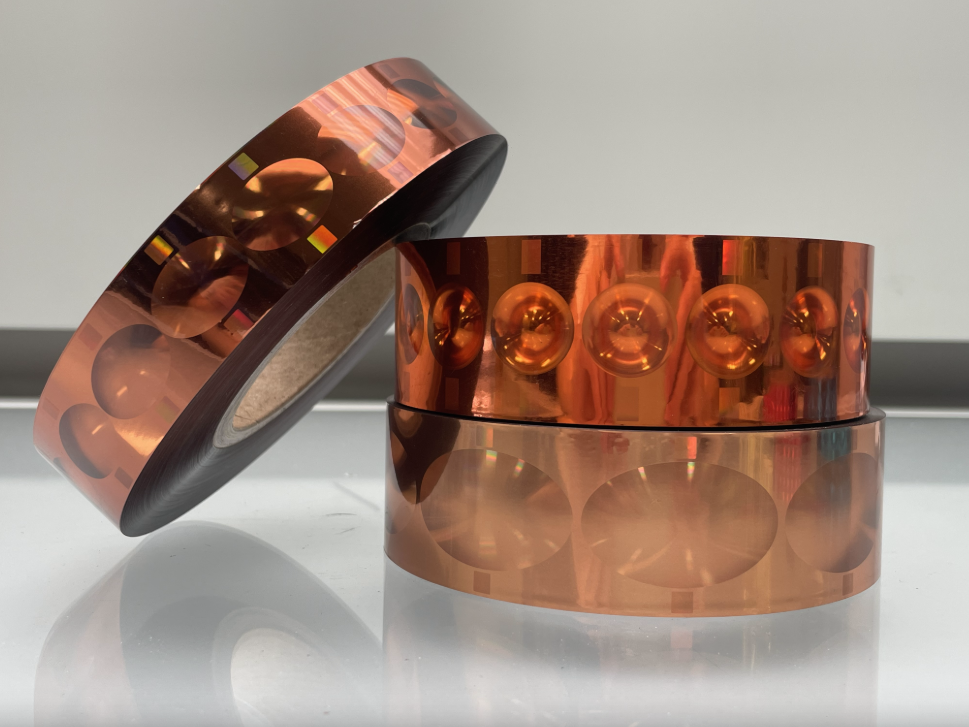
See how light shifts color and motion, adding secure visual effects that resist copying on printed cartons and retail labels for brands worldwide today.
2026/09/11
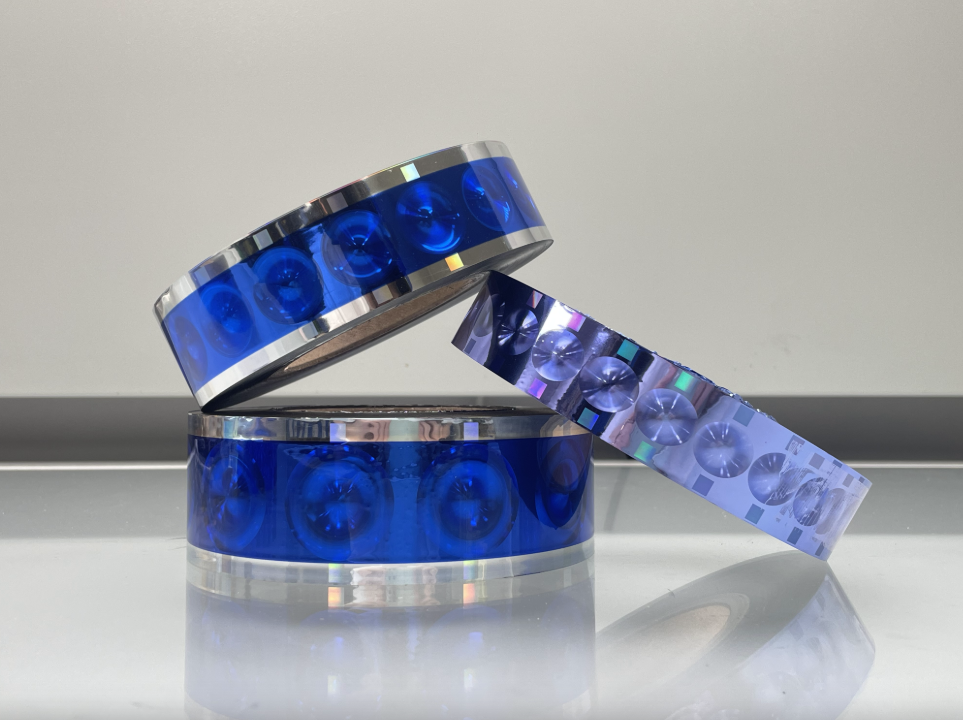
Security holograms and holographic labels add overt protection. Learn optics, foil, design, pitfalls, limits, and fake risks in real world use.
2026/09/11
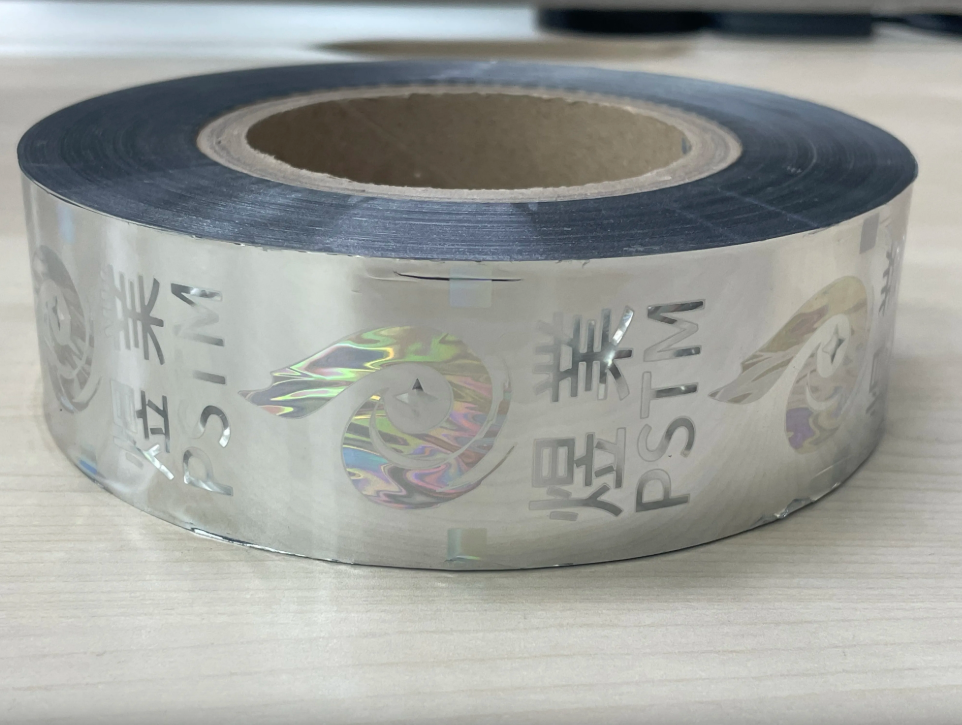
Learn how metal decoration works without heated dies, plus substrate limits and inline setup costs, quality control and output plans for packaging lines.
2026/09/11
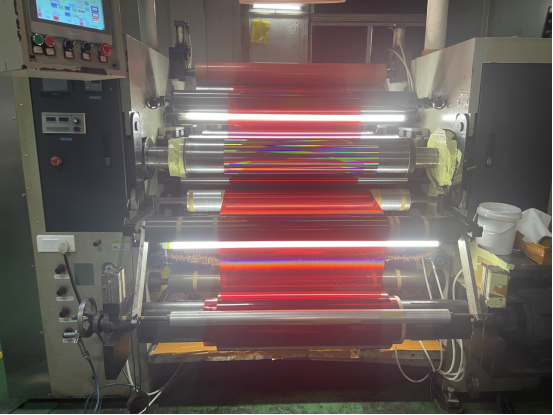
Hot stamping foil uses heated dies; metallic ink prints via a printing process. Compare brilliance, adhesion, rub resistance, cost, substrate for decoration