EN
EN

What is the role of laser technology in anti-counterfeiting foil development?
2026/09/11
See how UV and femtosecond lasers write covert codes into anti-counterfeiting foils, plus CO2 demetallization limits and real-time process control.
2026/08/09
2026/08/09
Premium packaging is judged quickly. Before a customer reads every word, the package has already communicated a level of quality through proportion, color, texture and finish. Hot stamping foil helps brands create a deliberate focal point with metallic, matte, pigment or holographic effects. The value comes from controlled contrast and consistent execution, not from applying the largest possible foil area.

A bright gold or silver logo can guide the eye toward the brand name, product variant or key claim. A narrow metallic border can define the structure of a carton, while a selected holographic pattern can introduce movement and depth. Matte metallic and pigment foil provide alternatives when the design needs a quieter or more opaque effect. By assigning foil to the areas that matter most, the package can look more distinctive without losing readability.
Different finishes carry different visual associations. Bright metallic finishes are often chosen for clarity and high contrast. Matte finishes can support a restrained premium style. Pigment foil is useful when an opaque color effect is required on suitable specialty paper and luxury packaging. Holographic or registered patterns can create a more technical or security-oriented appearance. The correct choice depends on the brand language, substrate, artwork and production route, rather than a generic claim that one finish is always more premium.
A brand may use folding cartons, labels, gift boxes, paper sleeves and selected plastic components across different product lines. If the metallic tone or graphic treatment changes unpredictably between formats, the visual identity becomes fragmented. A coordinated foil specification can help keep color, gloss and decorative logic consistent while still using different compatible grades for different substrates. Repeat orders should retain the approved foil identification, color reference, substrate and process route.
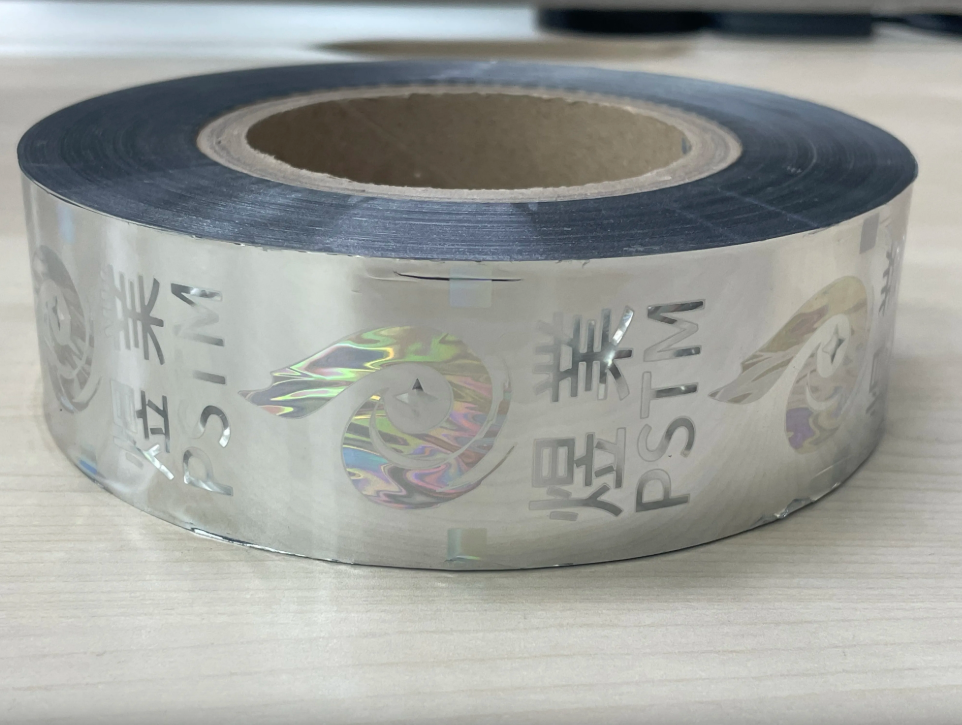
Custom holographic and registered patterns can combine decoration with a recognizable brand element. Fine-line structures, optical movement and registered artwork can make packaging more difficult to imitate casually and can help sales teams and consumers identify an approved design. This should be described as a security-oriented design feature, not as an absolute guarantee against counterfeiting. The level of protection depends on the pattern, registration, production control and the wider brand-protection system.
Common applications include wine and spirits cartons, cosmetics and perfume packaging, gift boxes, premium labels, book covers and other branded paper goods. Selected foil grades may also be developed for compatible plastics or specialty surfaces. The substrate, coating, artwork, press and later converting steps should be included in the enquiry because the same finish may require a different construction on coated board, laminated paper, UV-varnished paper or plastic.
A packaging team should never rely solely on the initial visual sample to judge foil finishing quality. A comprehensive evaluation process is essential to guarantee stable and marketable packaging results. Professionals need to carefully assess key performance indicators including transfer definition, overall color consistency, crisp edge integrity, compatibility with printed graphics, and adaptability with downstream embossing and lamination processes. It is also critical to simulate real world logistics and handling conditions to confirm the foil finish can withstand daily transportation, stacking and friction abrasion.
In practical packaging design and production, a smaller precisely positioned foil decorative area often delivers a more premium and stable visual effect than oversized foiling with inaccurate registration, uneven coverage and blurred details. Reasonable and targeted hot stamping foil selection effectively eliminates unnecessary production rework and quality losses. Most importantly, it ensures the finished packaging maintains its original delicate metallic appearance and stable performance throughout mass production, warehousing and final market circulation.
Hot stamping foil enhances brand value by giving packaging a controllable visual signal that ink alone cannot reproduce in the same way. Its strongest contribution appears when the finish, artwork, substrate and process are planned as one system. For buyers, the most useful brief includes the package material, surface treatment, preferred effect, artwork, press route, roll requirements and any need for custom or registered patterns. That turns a general request for gold foil into a specification that can be matched and repeated.
Which packaging categories commonly use hot stamping foil? Wine and spirits cartons, cosmetics and perfume packaging, gift boxes, premium labels, book covers and other branded paper goods are common applications.
Is gold foil always the best premium finish? No. Bright metallic, matte, pigment, silver and holographic finishes support different brand styles and should be chosen with the substrate and artwork.
Can custom holographic patterns protect a brand? They can provide a recognizable security-oriented design feature, but protection depends on the pattern, registration, production control and the wider protection system.
How can a brand keep foil appearance consistent across suppliers or plants? Keep the approved foil identification, color reference, substrate, process route and sample record together for repeat production.
What causes visible foil colour variation across production batches? Batchtobatch colour shifts may stem from inconsistent process parameters, changing substrate surface conditions or different foil lots. Controlled sampling and shared approved reference samples help minimise visual deviation.
2026/09/11
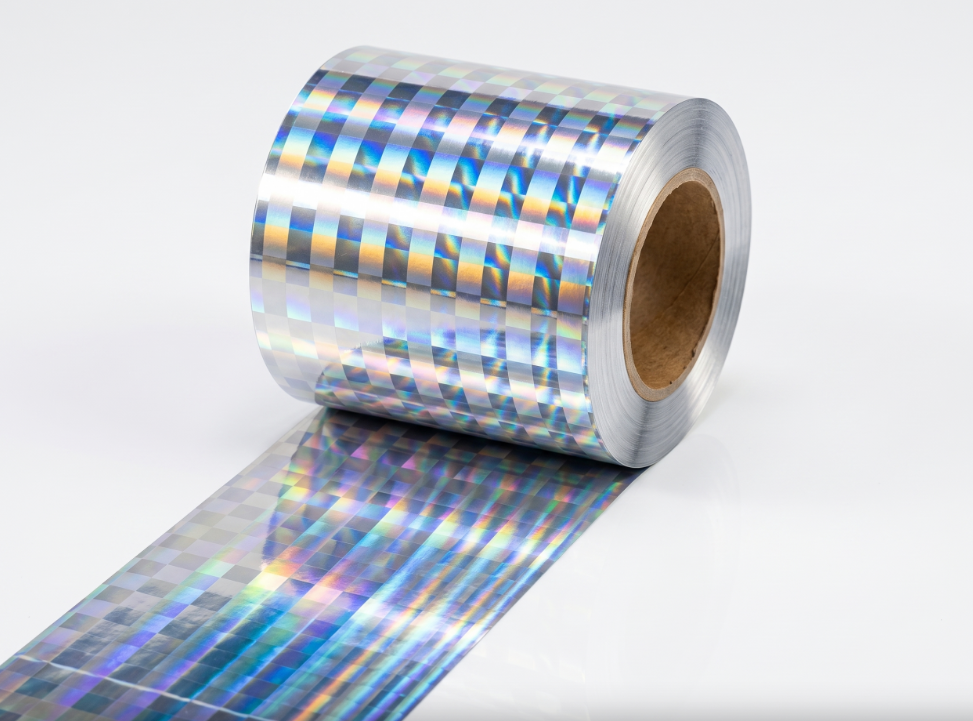
See how UV and femtosecond lasers write covert codes into anti-counterfeiting foils, plus CO2 demetallization limits and real-time process control.
2026/09/11
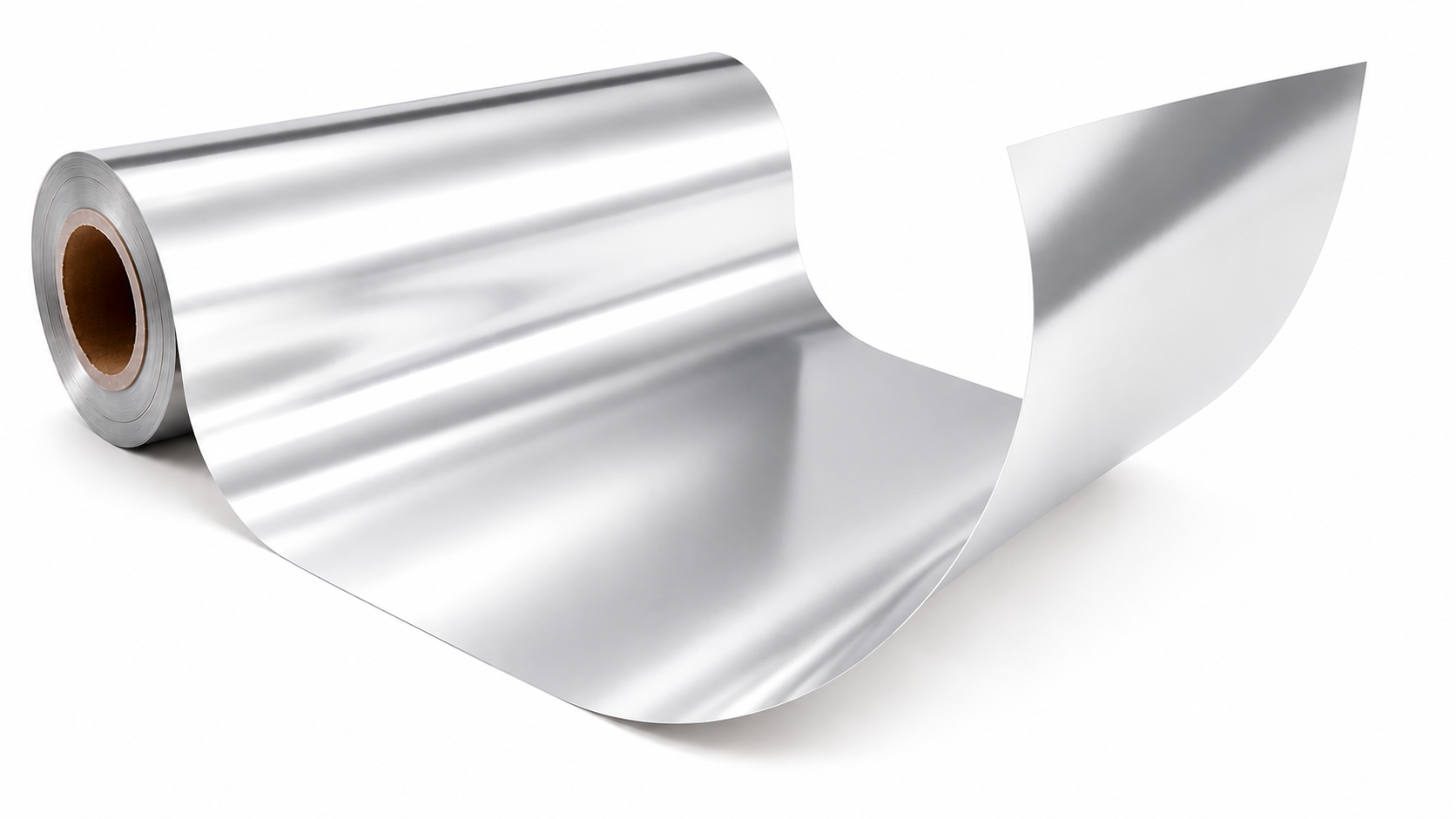
Hologram foil uses electron beam lithography, kinematic holography, dot matrix diffraction, and nanofabrication for secure high-definition packaging.

2026/09/11
See how light shifts color and motion, adding secure visual effects that resist copying on printed cartons and retail labels for brands worldwide today.
2026/09/11
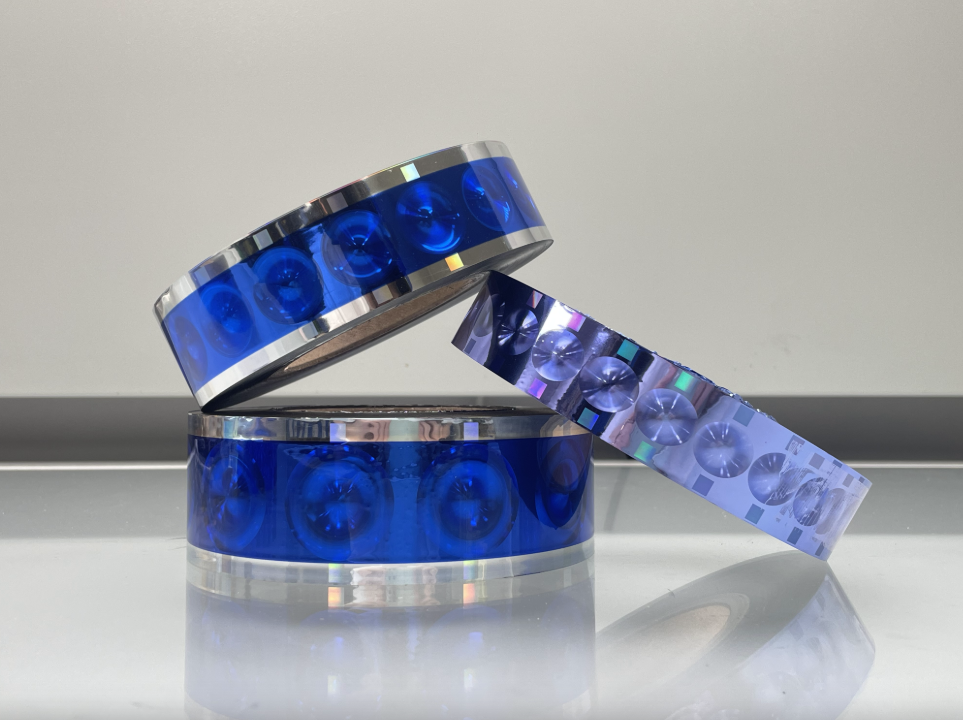
Security holograms and holographic labels add overt protection. Learn optics, foil, design, pitfalls, limits, and fake risks in real world use.
2026/09/11
Learn how metal decoration works without heated dies, plus substrate limits and inline setup costs, quality control and output plans for packaging lines.
2026/09/11
Hot stamping foil uses heated dies; metallic ink prints via a printing process. Compare brilliance, adhesion, rub resistance, cost, substrate for decoration