EN
EN

What is the role of laser technology in anti-counterfeiting foil development?
2026/09/11
See how UV and femtosecond lasers write covert codes into anti-counterfeiting foils, plus CO2 demetallization limits and real-time process control.
2026/09/08

2026/09/08
A roll of hot stamping foil looks simple from the outside, but the transfer depends on a coordinated multilayer construction. A PET carrier film supports the coating during manufacturing and stamping; GL Foils HP1 and HP2 paper grades commonly use 12 or 15 micron carrier film. A release layer controls separation from the carrier, the lacquer or color layer defines the visible shade and surface character, the vacuum-metallized layer provides metallic reflection, and the adhesive size coat bonds the transferred layers to the selected substrate. The exact construction varies by grade, so carrier thickness and release behavior should be confirmed for the intended paper, coating, artwork and machine rather than treated as universal specifications.
This integrated construction is what makes hot stamping foil different from cold foil, where the adhesive is normally printed separately on the substrate. During hot stamping, the release, transfer and bonding steps occur during a short contact under controlled heat and pressure. Stable results depend on the foil grade, die, substrate surface and machine settings working as one system.

A well-matched hot stamping process can produce a smooth, highly reflective metallic finish. The result does not come from the metallized layer alone: die condition, substrate smoothness, pressure distribution and the lacquer and adhesive response all influence gloss and image definition. Cold foil can also deliver strong metallic effects, especially in inline printing, but the two processes create different production and surface conditions.
A brass or steel die transfers heat and pressure through the foil into the substrate. For GL Foils HP1 and HP2 paper grades, a practical starting window is 120-160 degrees Celsius on flat-bed, platen or round-flat equipment, with 130-150 degrees Celsius commonly used. Coated or laminated paper may start around 110-120 degrees Celsius to reduce wrinkling, while rotary hot stamping uses a different thermal window, typically 210-240 degrees Celsius. Pressure has no useful universal value because die area, make-ready, paper construction and machine design differ. The correct setting is the lowest stable combination that gives clean release, complete coverage and acceptable adhesion without damaging the board or closing fine detail.
Heat does not only activate the foil adhesive; it also affects the receiving surface. Smooth coated papers and boards generally provide more uniform contact than rough or highly absorbent stock. Even so, coating chemistry, curing, moisture, printing ink and surface contamination can change release and adhesion, so a visually smooth board should not be assumed compatible without a trial.
Uncoated or lightly coated stocks introduce different variables. Their porous surface can absorb part of the activated adhesive and interrupt continuous metallic coverage. Moisture in the paper or coating can also contribute to bubbles or pinholes when the sheet is heated, although contamination, trapped air and uneven pressure can create similar symptoms. Diagnosis should therefore compare conditioned stock, a clean control area and a pressure map before assigning the failure to the foil alone.
A smoother, properly cured coated board may improve contact and reduce moisture-related risk, but changing the board is not the only possible correction. The converter should also check foil grade, make-ready, die temperature, dwell and storage condition. The useful conclusion is not that one substrate construction always solves the problem, but that foil and substrate must be qualified together.
Putting hot and cold foil side by side on the intended substrate is more useful than comparing isolated swatches. The table below summarizes typical process differences that affect premium packaging; final appearance still depends on the foil grade, surface and press conditions.
| Selection factor | Hot stamping foil | Cold foil |
| Transfer method | Heated die and pressure | Printed adhesive, nip and curing |
| Surface appearance | Can be highly reflective on a smooth, compatible surface | Can be highly reflective; follows adhesive and substrate uniformity |
| Physical relief | Flat unless combined with embossing or debossing | Normally flat and integrated with the print stack |
| Fine detail | Controlled by die quality, release and make-ready | Controlled by adhesive print, curing and registration |
| Production fit | Defined accents, repeat jobs and optional embossing | Inline web printing, variable coverage and high-speed integration |
| Uncoated stock | Requires a matched paper grade and trial | Adhesive absorption and surface texture require testing |
Hot stamping is often selected for defined metallic accents, die-driven detail and optional embossing. Cold foil is often selected when inline print integration, variable coverage or higher web speed is more important. Neither route is automatically superior; the right choice depends on artwork, substrate, run length, equipment, finishing sequence and the approved physical proof.
Multi-level embossing combined with full-coverage metallic foil presents a set of mechanical challenges that go beyond standard flat stamping. When a die must simultaneously create deep debossed lettering, raised borders, and a flat metallic background on the same sheet, the hot stamping foil is subjected to significantly different stress conditions across the die surface. In the flat areas, the foil transfers under relatively uniform compression. At the edges of debossed cavities, however, the foil must stretch vertically into the recess while maintaining adhesion and metallic continuity. This creates a stress concentration point where the aluminum layer is prone to micro-fractures.
The underlying issue is geometric. Cavity depth, edge radius, draft, die temperature and press speed determine how far the transferred layers must conform without cracking or bridging. A gentler transition, suitable make-ready and a foil grade qualified for the relief geometry can improve continuity. Because die profiles and substrates vary, draft angle and coat construction should be set through tool design and production trials rather than a single fixed rule.
Hot stamping foil problems often appear early in a run, and the defect pattern helps separate possible causes. Patchy adhesion or edge lift may result from insufficient activation, uneven pressure, contamination, an incompletely cured coating or a foil grade that is not matched to the receiving surface. Use the customer's agreed tape, rub or fold test on a conditioned sample; an office-tape check can be a quick screen, but it is not a universal acceptance method.
Blistering or bubbling can be associated with moisture in paper or coating, but trapped air, contamination and local pressure variation should also be checked. Allow the substrate to equilibrate to the pressroom, confirm that printing and coatings are fully cured, and compare fresh material from the same batch. Change one variable at a time so the test identifies the actual cause.
Bridging, where the foil spans across a recessed area without making contact with the bottom, is a geometric issue. The foil needs enough stretch and flow to conform to the die profile. Sometimes a slower stroke speed or a slightly higher temperature is enough. Sometimes the die design itself needs a draft angle adjustment. Recognizing these failure signatures and knowing which variable to adjust is what separates an experienced operator from someone who simply loads the roll and hits start.
Consistent foil release and adhesive coating make press optimization more repeatable, but production stability still depends on the complete job. GL Foils selects paper grades by substrate, coating, artwork area and equipment type, then uses trial results to confirm temperature, speed and adhesion before mass production. Supplying the actual board, printed coating and die layout is more reliable than ordering by metallic color alone.
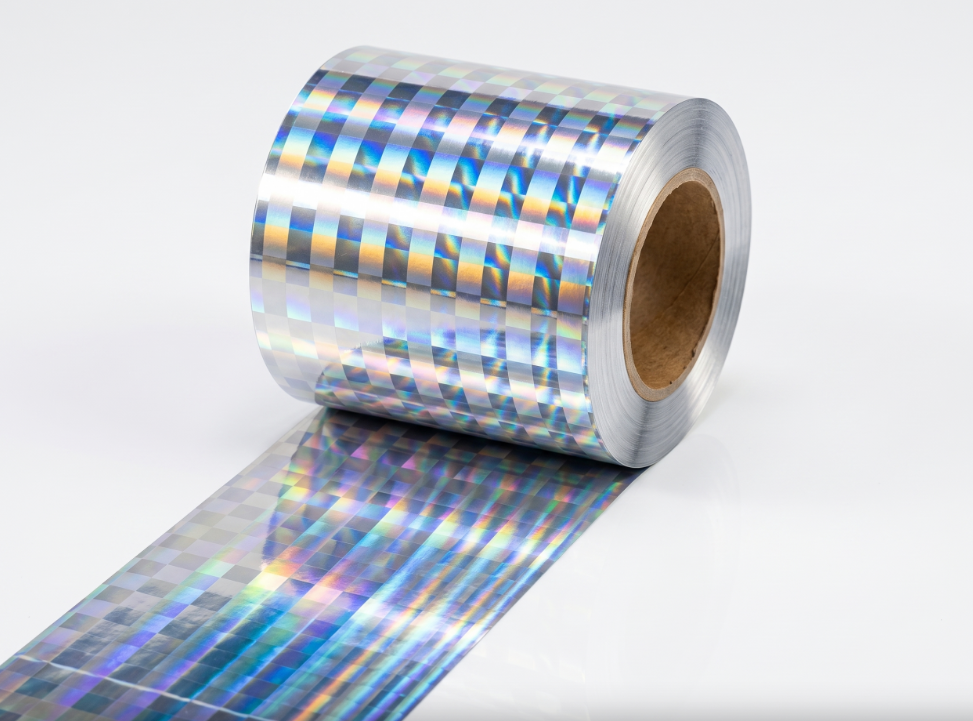
2026/09/11
See how UV and femtosecond lasers write covert codes into anti-counterfeiting foils, plus CO2 demetallization limits and real-time process control.
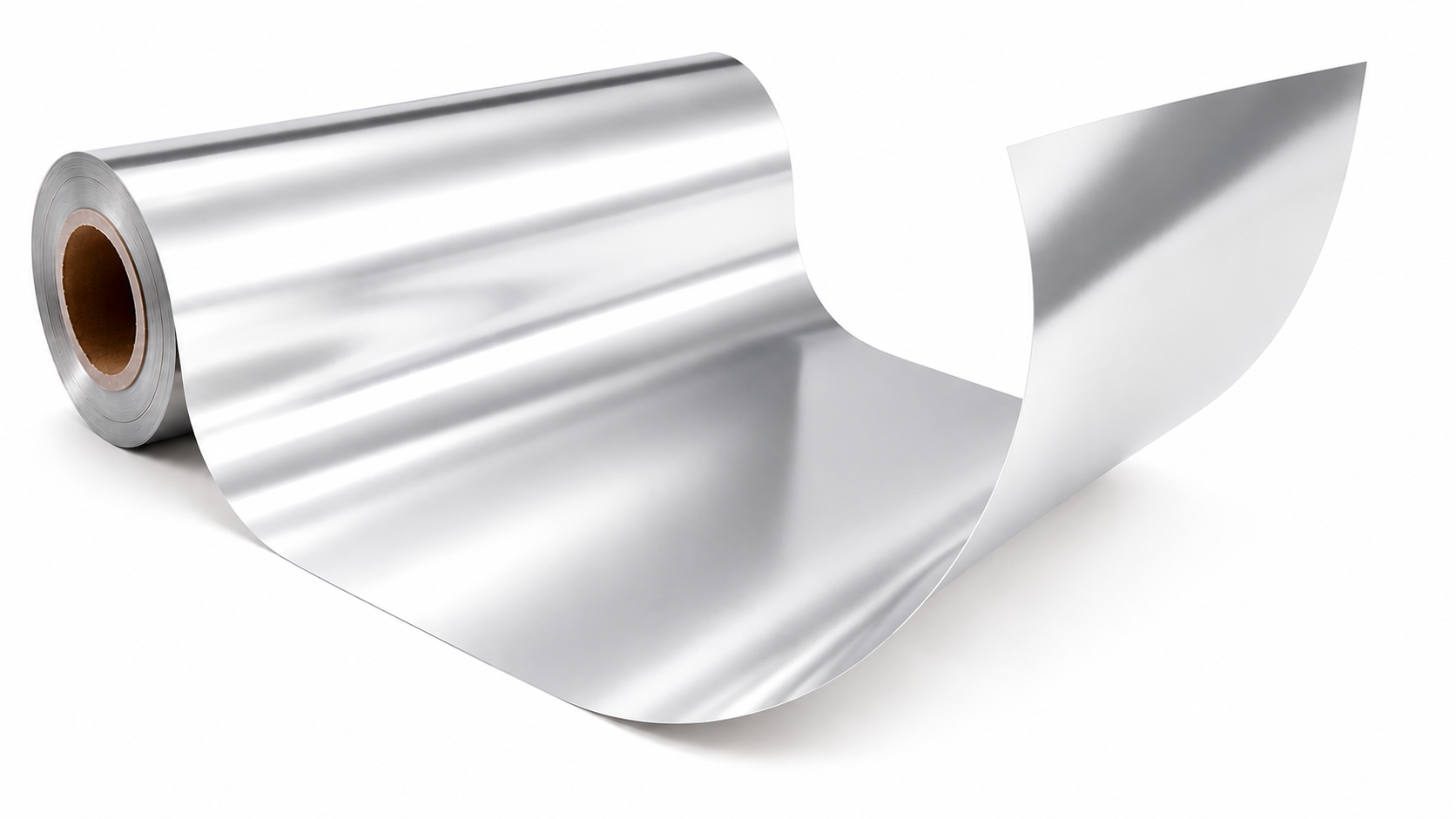
2026/09/11
Hologram foil uses electron beam lithography, kinematic holography, dot matrix diffraction, and nanofabrication for secure high-definition packaging.
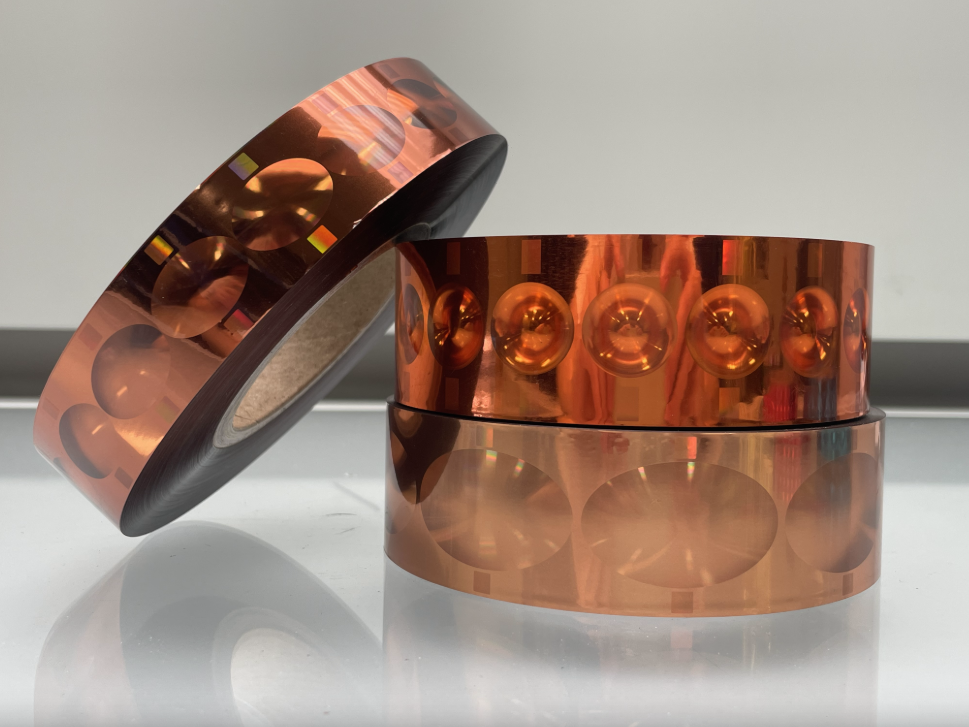
2026/09/11
See how light shifts color and motion, adding secure visual effects that resist copying on printed cartons and retail labels for brands worldwide today.
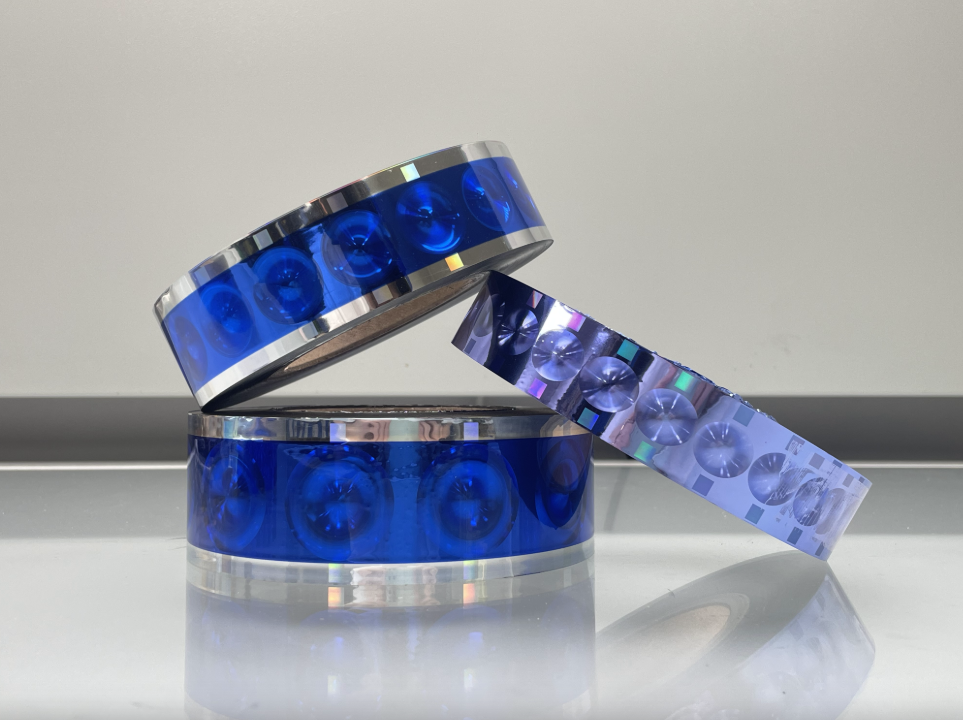
2026/09/11
Security holograms and holographic labels add overt protection. Learn optics, foil, design, pitfalls, limits, and fake risks in real world use.
2026/09/11
Learn how metal decoration works without heated dies, plus substrate limits and inline setup costs, quality control and output plans for packaging lines.
2026/09/11
Hot stamping foil uses heated dies; metallic ink prints via a printing process. Compare brilliance, adhesion, rub resistance, cost, substrate for decoration