EN
EN
What is the role of laser technology in anti-counterfeiting foil development?
2026/09/11
See how UV and femtosecond lasers write covert codes into anti-counterfeiting foils, plus CO2 demetallization limits and real-time process control.
2026/09/11
2026/09/11
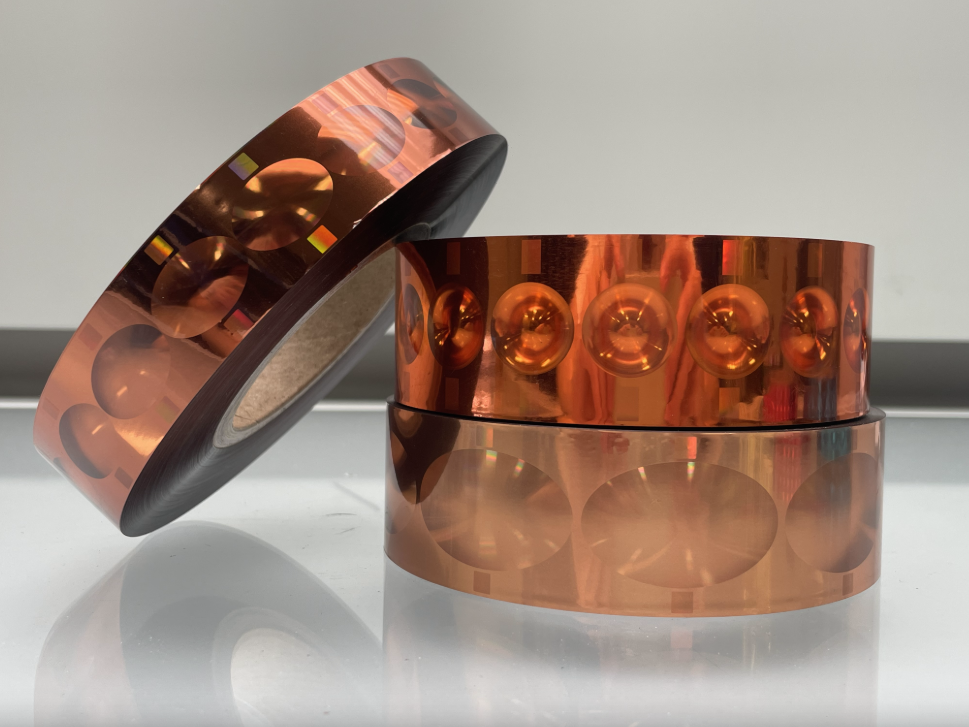
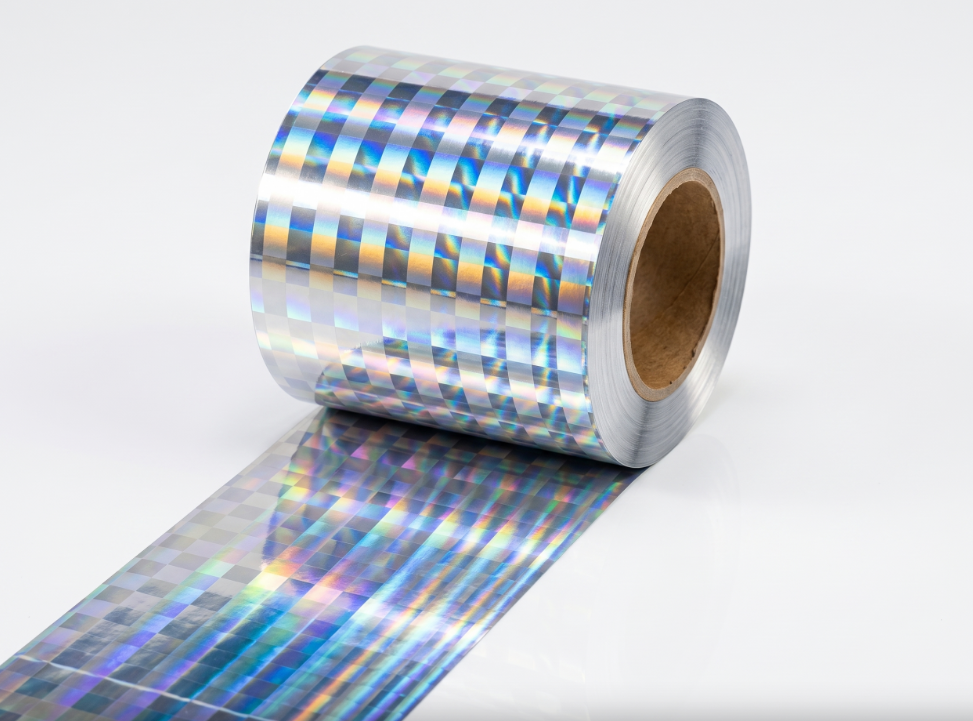
A beam of ordinary white light hits a package and suddenly fractures into a cascade of shifting rainbow colors. This is not pigment or ink at work. It is a precisely engineered surface relief guiding light waves into organized interference patterns. The underlying principle, central to hologram technology on packaging, relies on diffraction. Microscopic structures, often embossed into a thin foil layer at resolutions measured in nanometers, act like a physical grating. When light strikes these structures, its component wavelengths scatter at slightly different angles. The result is a controlled separation of color that changes immediately as the viewing angle shifts. This is distinct from simple gloss. Gloss reflects light uniformly, while a diffractive surface reconstructs it into a moving spectrum.
What makes this effect so reliable for high speed packaging lines is its physical, passive nature. The color does not fade under UV exposure because it is not a chemical dye. A precise embossing on a polyester carrier film creates a permanent mechanical stamp. During application, this micro textured layer is transferred onto board, paper, or plastic. The visual dynamics come from a marriage of physics and precision tooling. A surface that looks smooth to the touch can contain thousands of grooves per millimeter, each one functioning as a prismatic element. The quality of this master origination dictates whether the final product shows a sharp, crisp optical flutter or a muddy, washed out gleam.
The visible color range in these foils is not random. It is deliberately tuned through the geometry of the diffractive grating. A grating with a specific frequency will concentrate light energy into the blue end of the spectrum, while a slightly deeper or wider spacing pushes the peak reflectance into red or gold territories. This engineering allows for the creation of custom optical signatures. Beyond simple rainbow gradients, advanced mastering techniques can stitch together multiple grating zones within a single design. One section of a logo might flare into a brilliant green while an adjacent background resolves into a deep violet, all from the same light source.
A practical challenge in this tuning process involves balancing brilliance with haze. An extremely fine, high-frequency grating delivers intense color separation but can appear slightly hazy if the embossing process introduces micro roughness. During a development trial for a spirit carton in a humid coastal production environment, technicians noticed the prototype foil lost significant snap under fluorescent lighting. The fix involved recalibrating the nickel shim growth during electroforming. By optimizing the internal crystal structure of the embossing tool, the surface friction decreased. This minimized scatter, resulting in a purely diffractive output that maintained high contrast even in flat retail lighting. The critical takeaway is that the dynamic visual effect hinges as much on the fidelity of the tooling as on the optical design itself.
The sense of movement, often described as a flip or a kinetic float, exploits the brain’s parallax processing. A set of lenticular like grooves can be arranged so that each eye captures a slightly different phase of the light wave. This binocular disparity creates a stereoscopic illusion of depth without any actual 3D surface curvature. Other patterns use a technique called kinematic grating. In this setup, a sequence of diffractive pixels is phased to produce a sensation of motion as the package is rotated. A geometric element might appear to slide laterally across the label or pulse outward from the center.
This perceptual effect becomes particularly potent on curved containers. On a cylindrical tube, a simple linear grating transforms into a dynamic band that chases itself around the circumference. This draws the eye faster than a static high chroma ink block. Research from packaging psychology suggests that visual elements perceived to be in motion trigger an approach response in the peripheral vision, increasing the probability of a physical pick up by approximately 30% in crowded retail categories. The technology essentially weaponizes ambient light, turning a passive package into an active participant in the visual field. The limitation, of course, is that the effect collapses in dark environments or under heavily diffused, shadowless studio lighting where there is no directional beam to scatter.
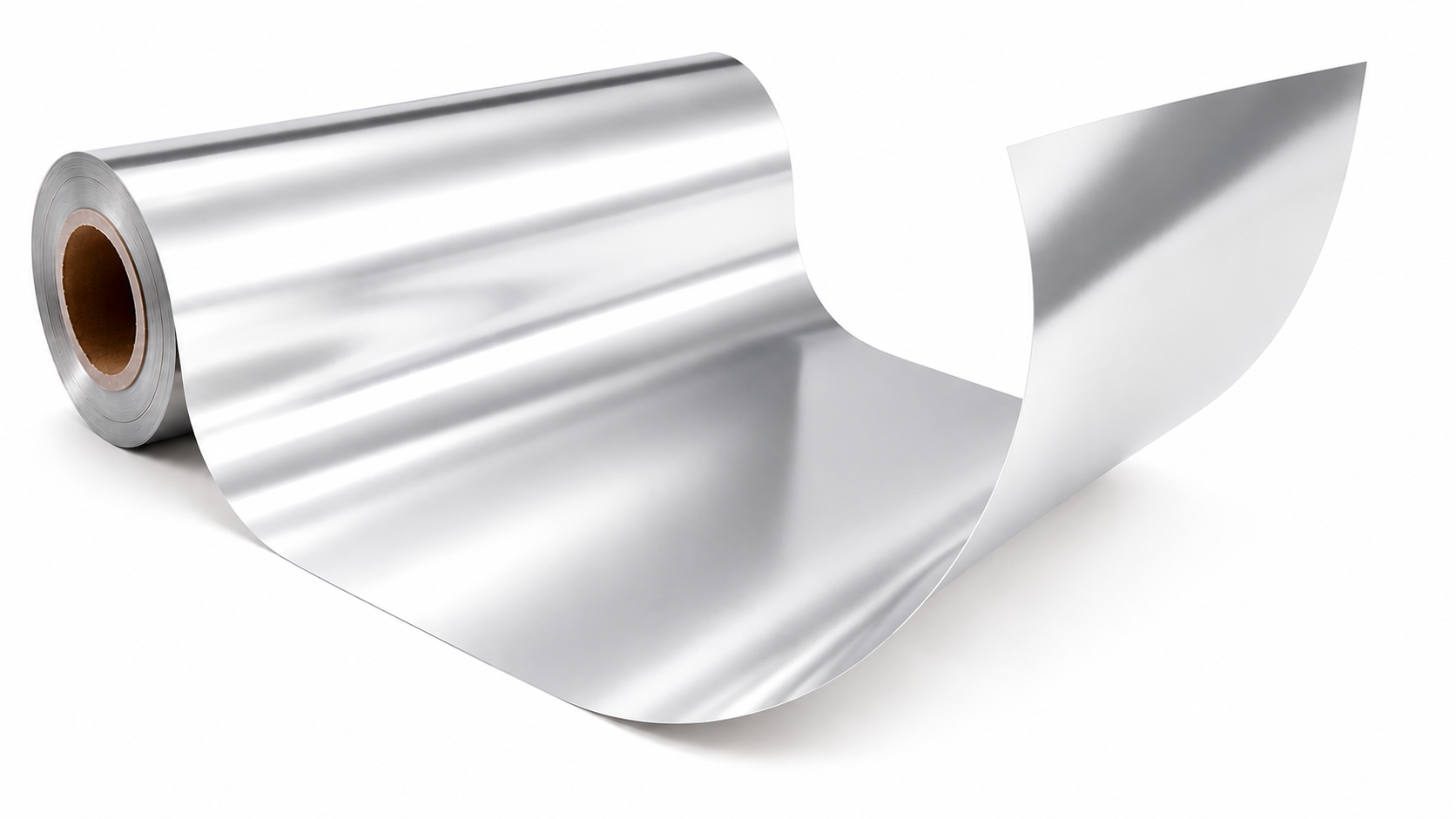
To understand why diffractive structures are chosen for long life packaging, it helps to look at how they compare to traditional metallic finishes and pigmented prints. A vacuum metallized foil creates its shine through a mirror like broad spectrum reflection. It looks bright and metallic, but shows almost no color shift when the viewing angle changes. High density pigment inks, on the other hand, produce color through selective wavelength absorption via chemicals. Their visual effect remains static, and their organic dyes can degrade quickly under prolonged UV exposure. A diffractive holographic foil works on a fundamentally different principle. It uses a nano scale physical grating to separate white light into its spectral components. The resulting color shift is strong and intentional, changing vividly as the package is tilted. This physical mechanism also provides excellent UV resistance because the structure itself does not degrade. From a processing standpoint, both metallic and holographic foils are transferred via stamping without the need for thermal or UV curing ovens, unlike pigmented inks which require energy intensive drying steps. The tactile profile can also be varied with holographic foils, offering either micro textured or flat finishes, whereas the other methods are typically limited to a smooth, relief free surface. The trade off is that the initial cost per square meter for a diffractive foil tends to be higher than standard metallic pigments, a direct result of the complexity involved in master origination and precision embossing.
A hidden enemy of dynamic optical effects is the protective coating that often goes on top of them. Thick film laminates, designed for scuff resistance on heavy freight cases, can fill in the nano grooves and effectively erase the diffraction. Light hitting the surface gets slowed down and refracted randomly by the inconsistent thickness of the glue and film composite, drowning out the engineered pattern. It is a classic case of durability measures nullifying the decoration.
The industry addresses this with high refractive index coatings. By formulating a top layer that has a significantly different light bending property than the embossed acrylic layer below, the interface between the two materials remains optically active. Even if the surface is physically smooth after lamination, the buried diffractive structure continues to split light. A case involving a cosmetic carton redesign demonstrated this clearly. The brand wanted a velvety soft touch matte over a brilliant holographic snowflake pattern. Early attempts buried the sparkle completely. The breakthrough came from switching to a low grammage, high index primer that saturated the grooves without leveling them flat. The result was a tactile matte surface that still erupted into crisp color flares when viewed under spotlights.
Building a genuine dynamic effect is not just an aesthetic exercise. It functions as a formidable anti counterfeiting layer. The tools required to originate a custom kinematic hologram, specifically electron beam lithography systems, are extremely expensive and tightly controlled. A fraudster can scan and print a static label, but they cannot replicate the angular color travel of a purpose built diffractive grating. Customs and border protection agencies frequently cite optically variable devices as a primary method for distinguishing genuine goods from sophisticated fakes during visual inspection.
This convergence of art and physics demands a supply chain with deep technical roots. Consistently delivering such complex effects requires not just high precision embossing machinery but also fundamental expertise in coating chemistry and micro replication. The team at GL Foils leverages dedicated in house R&D and inspection centers to ensure that the nano structures on a master shim translate perfectly into a finished roll. With a portfolio of over 400 foil variants and a production capacity that supports global brands, the focus remains on solving the complex stamping challenges that generic suppliers avoid. This technical depth ensures that the hologram technology on a package does not just shimmer on day one, but maintains its precise optical lock every single time a light hits it.
2026/09/11
See how UV and femtosecond lasers write covert codes into anti-counterfeiting foils, plus CO2 demetallization limits and real-time process control.
2026/09/11
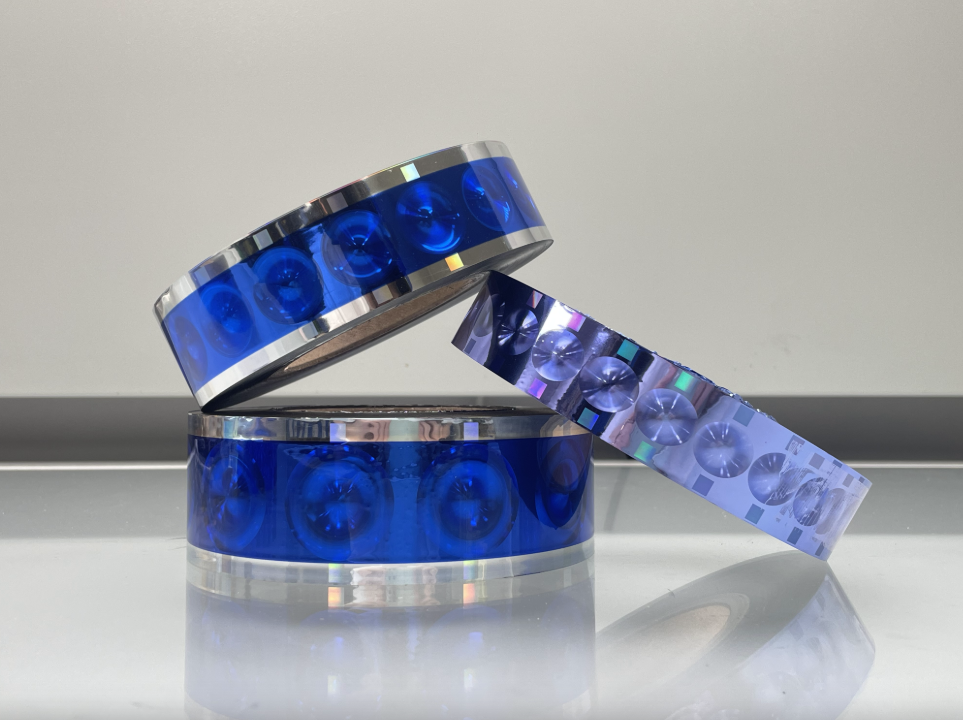
Hologram foil uses electron beam lithography, kinematic holography, dot matrix diffraction, and nanofabrication for secure high-definition packaging.
2026/09/11
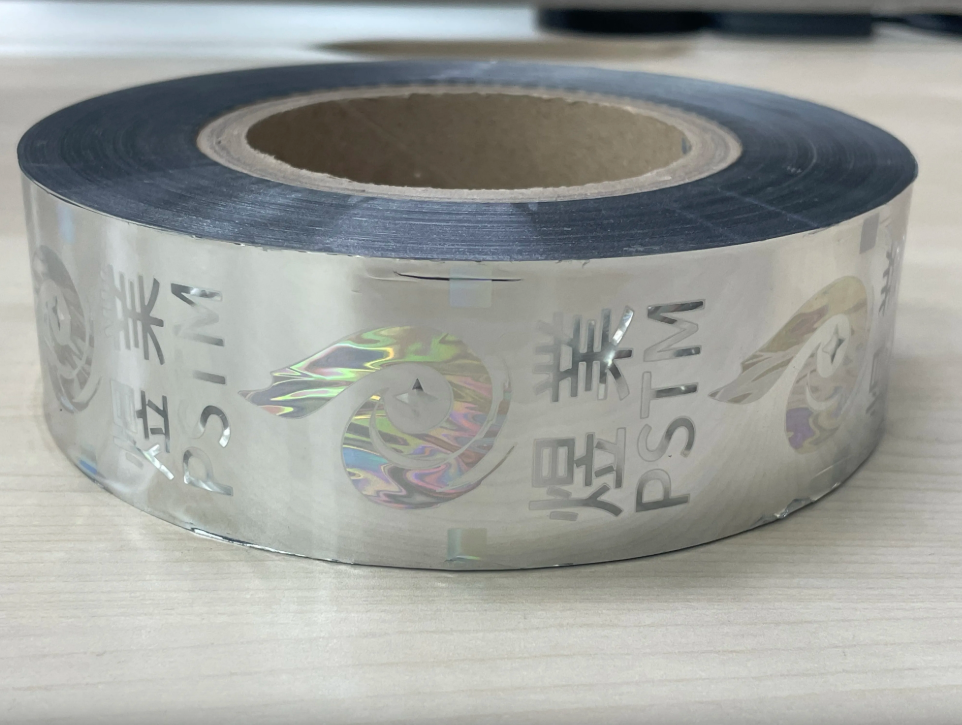
Security holograms and holographic labels add overt protection. Learn optics, foil, design, pitfalls, limits, and fake risks in real world use.
2026/09/11
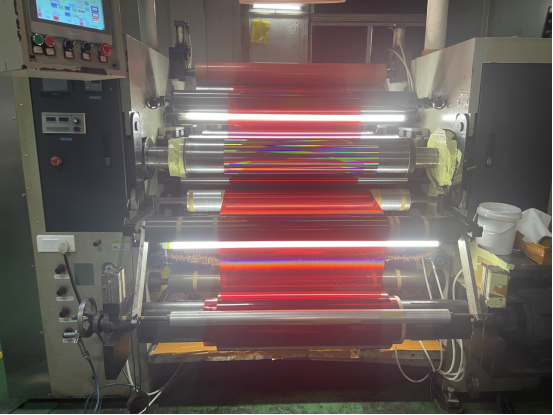
Learn how metal decoration works without heated dies, plus substrate limits and inline setup costs, quality control and output plans for packaging lines.
2026/09/11
Hot stamping foil uses heated dies; metallic ink prints via a printing process. Compare brilliance, adhesion, rub resistance, cost, substrate for decoration