EN
EN

What is the role of laser technology in anti-counterfeiting foil development?
2026/09/11
See how UV and femtosecond lasers write covert codes into anti-counterfeiting foils, plus CO2 demetallization limits and real-time process control.
2026/08/16
2026/08/16
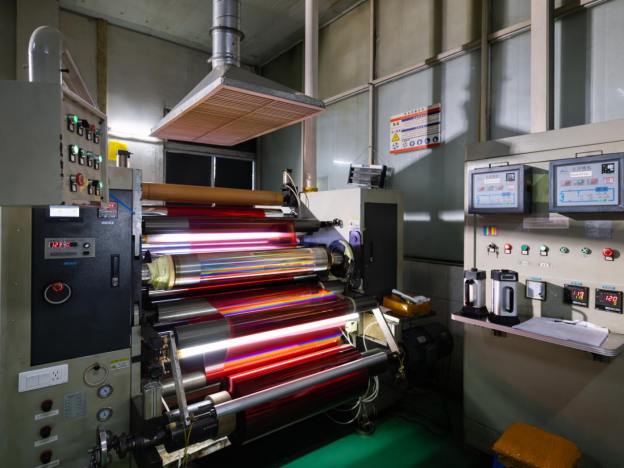
Hot foil stamping relies on a heated metal die that presses foil against a substrate under high pressure. The heat activates the adhesive, the pressure transfers the foil, and the result is a clean metallic finish. Cold foil flips the sequence. Instead of using heat at the transfer point, cold foil uses a UV-curable adhesive printed directly onto the substrate in the exact pattern required. The foil web then makes contact with the wet adhesive under pressure at room temperature. The adhesive cures under a UV lamp, locking the foil in place, and the carrier film is stripped away, leaving the metallic layer only where the adhesive was printed.
The implications of this shift are significant. Cold foil runs inline on a flexographic press at full production speed, typically much faster than off-line hot stamping. There is no heated die to wear out or clean. The adhesive is applied through a standard flexo plate, which means the same plate technology that prints inks can also define the foil pattern. Registration between foil and printed graphics happens optically within the press rather than through mechanical die alignment. For converters running high-volume label or packaging jobs, cold foil opens up metallic decoration as a continuous inline process rather than a separate, slower operation.
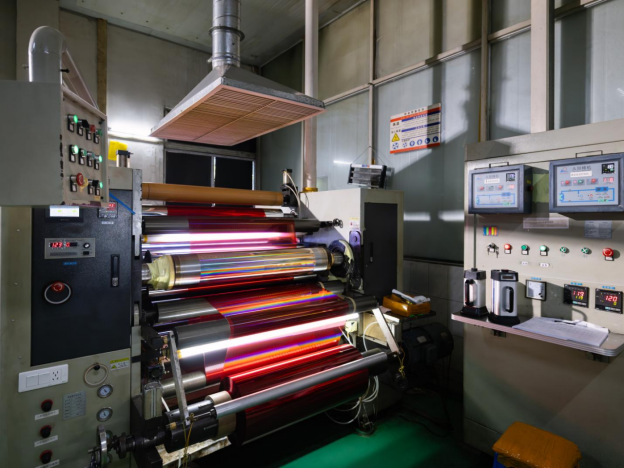
The quality of a cold foil job lives or dies on the adhesive. A UV-curable cationic or free-radical adhesive is printed onto the substrate through a flexo plate, and the foil transfers only where the adhesive sits. The adhesive must do several things simultaneously. It must wet the substrate enough to form a clean printed dot without spreading or slumping. It must remain tacky and receptive when the foil web makes contact a fraction of a second later. And it must cure completely under the UV lamp so the transferred foil bonds permanently without post-cure delamination.
Adhesive viscosity, film thickness, and UV reactivity all interact with the substrate surface energy. A coated paper stock with high surface energy grabs the adhesive cleanly and produces crisp foil edges. An uncoated or porous stock may wick the adhesive into the fibers, leaving too little on the surface for a solid foil transfer. Film substrates like polypropylene demand adhesion promoters or corona treatment to raise surface energy into the range where the adhesive can anchor properly. Getting the adhesive formulation and application parameters right for each substrate is where cold foil expertise separates from trial-and-error.
Cold foil stamping on a flexo press involves a sequence of stations that must be dialed in as a system. A single variable out of range can turn an acceptable job into waste. The key variables include the adhesive application volume, typically controlled by anilox roller cell count and doctor blade angle. Too little adhesive and the foil coverage appears patchy. Too much and fine details fill in, losing the sharpness of small text or thin rules.
The nip pressure between the foil web and the substrate at the transfer point matters equally. Insufficient pressure leaves the foil poorly bonded. Excessive pressure can crush the adhesive film and cause it to spread beyond the intended print area, creating a halo effect around foil details. The peel angle and tension at the point where the carrier film separates from the substrate influence whether the foil releases cleanly along the adhesive boundary. A peel angle that is too steep can lift partially bonded foil edges. A tension spike can snap the foil web and stop the press. These parameters are not set once and forgotten. They shift with substrate changes, press speed adjustments, and even ambient humidity swings.
The surface condition of the substrate plays a decisive role in cold foil transfer quality, often in ways that are not visible to the naked eye. A substrate that feels smooth to the touch can still have a micro-roughness profile that traps tiny air pockets between the adhesive and the foil at the moment of nip contact. Those air pockets prevent the foil from bonding in localized spots, producing pinholes across solid foil areas that only become apparent under backlight or magnification. Coated papers with a highly calendered surface tend to produce the cleanest foil transfers. Porous or textured stocks require higher adhesive film weights to fill surface irregularities, which in turn can reduce fine-detail sharpness.
Film substrates present a different set of challenges. Polypropylene and polyethylene have inherently low surface energy, and the adhesive will not anchor properly without surface treatment. Corona discharge or plasma treatment ahead of the adhesive station raises the surface energy into a range where wetting and bonding can occur. The treatment effect decays over time, so the window between treatment and printing matters. For converters running a mix of paper and film jobs on the same flexo line, substrate-specific setup protocols that account for surface energy, porosity, and roughness help maintain consistent cold foil results across different materials.
Cold foil often serves as a base layer for overprinting with translucent or process inks. The foil surface, typically aluminum, is not naturally receptive to ink adhesion. A converter who stamps foil and then prints directly on top without testing may find that the ink rubs off the foil under moderate abrasion. The solution usually involves either a foil formulation with a topcoat designed for ink receptivity, or a primer or varnish applied over the foil before the ink units.
The sequence of operations also affects the visual result. Printing translucent ink directly over bright aluminum produces a colored metallic effect that shifts with viewing angle. Adding a white backing layer behind the translucent ink increases opacity and makes the color more consistent across different lighting conditions. These decisions belong in the design phase, not on press. When a brand designer understands how cold foil interacts with overprint inks, the creative possibilities expand. When they do not, the press operator inherits a problem that should have been solved upstream.
Cold foil is not a universal replacement for hot foil. The metallic brightness of cold foil, while high, falls slightly short of the best hot foil results because hot foil stamping applies heat and pressure that smooth the foil layer against the substrate more aggressively. For applications where maximum reflectivity is non-negotiable, such as luxury spirit labels competing under retail spotlighting, hot foil may still be the preferred choice.
Fine detail resolution also has a ceiling. Cold foil adhesive is printed through a flexo plate, which means the minimum reproducible detail is governed by flexo plate capabilities, typically holding above a certain dot size and line width. Hot foil dies can reproduce finer serifs and thinner rules because the metal die is machined to higher precision than a photopolymer flexo plate. For most label and flexible packaging applications, cold foil resolution is more than adequate. The limitation only bites on designs with extremely fine typography or intricate filigree patterns.
GL Foils develops cold foil options for different substrates, adhesive systems and post-processing requirements. Matching the foil to the actual press conditions and end-use demands is more reliable than applying one generic recommendation to every job. For converters running flexo lines and brand owners specifying metallic decoration, that kind of application-specific expertise helps cold foil deliver on its promise of speed, flexibility, and inline efficiency.
2026/09/11
See how UV and femtosecond lasers write covert codes into anti-counterfeiting foils, plus CO2 demetallization limits and real-time process control.
2026/09/11
Hologram foil uses electron beam lithography, kinematic holography, dot matrix diffraction, and nanofabrication for secure high-definition packaging.
2026/09/11
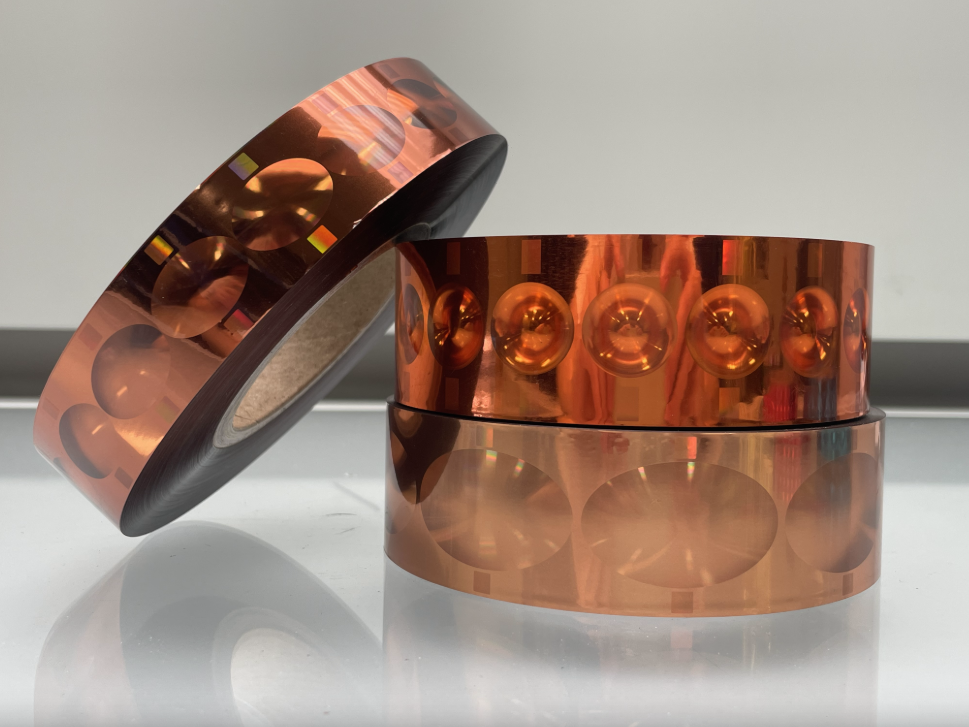
See how light shifts color and motion, adding secure visual effects that resist copying on printed cartons and retail labels for brands worldwide today.
2026/09/11
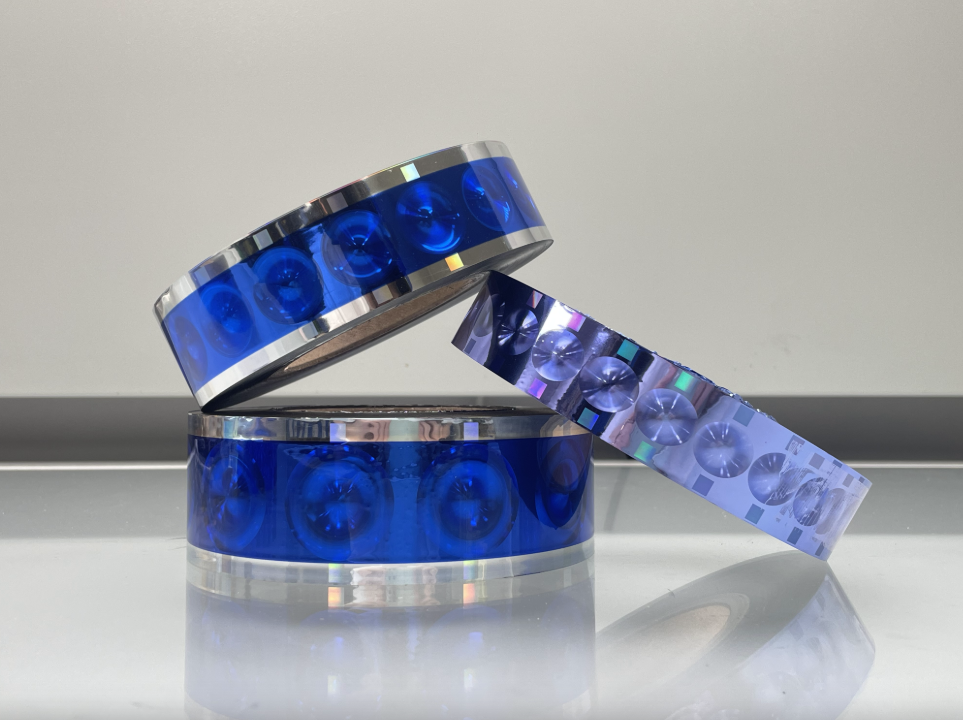
Security holograms and holographic labels add overt protection. Learn optics, foil, design, pitfalls, limits, and fake risks in real world use.
2026/09/11
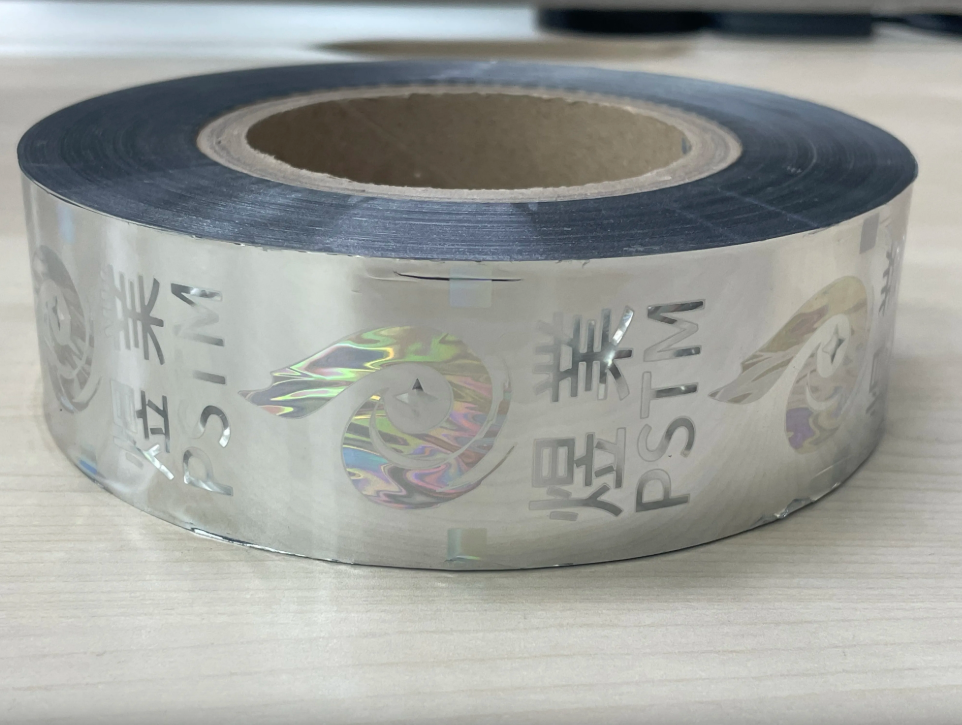
Learn how metal decoration works without heated dies, plus substrate limits and inline setup costs, quality control and output plans for packaging lines.
2026/09/11
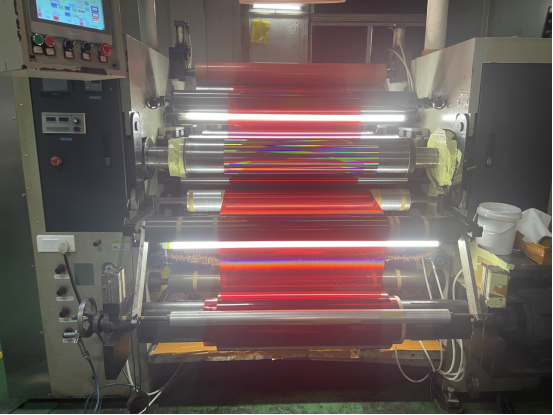
Hot stamping foil uses heated dies; metallic ink prints via a printing process. Compare brilliance, adhesion, rub resistance, cost, substrate for decoration