EN

Hot Stamping Foil on UV-Varnished Cartons: What Buyers Should Check
2026/10/28
Gold foil can be stamped on selected UV-varnished cartons, but the surface and foil must match. Learn what to check before approving a finished box.
2026/09/20
2026/09/20
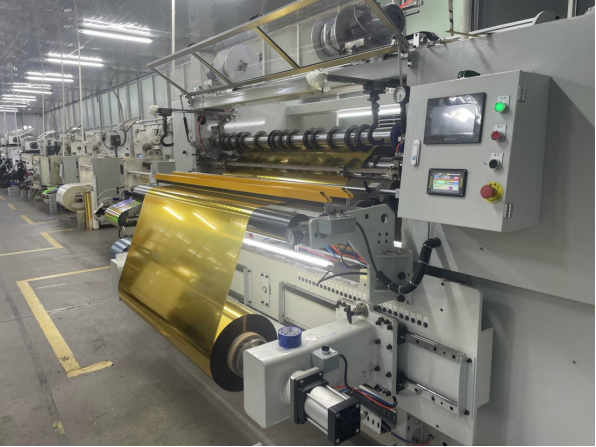
Cold foil is not a substitute for hot stamping in every job. It is a different sequence. In a typical cold foil process, a UV-curable adhesive is printed onto the substrate in the shape of the graphic. The foil is then nipped against the wet adhesive, cured with UV light, and stripped away. Metal stays only where the adhesive was printed. That sequence can run inline on an offset or flexo press, and it can also be driven by a screen unit or a digital adhesive pattern. No heated die, no separate stamping station, no cooling wait. For packaging production, the biggest gain is not the foil itself. It is the way the process removes handoffs between departments.
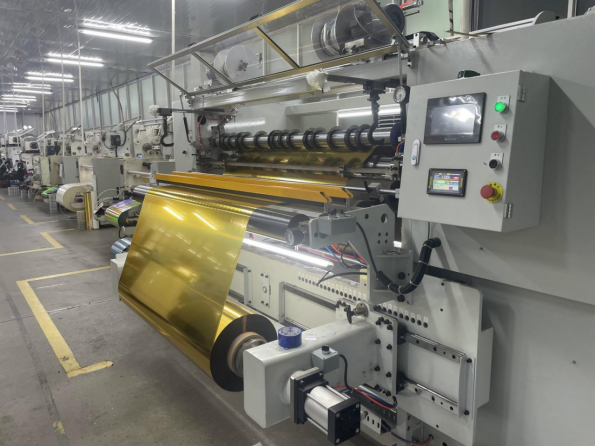
Hot stamping depends on a metal die, heat, pressure, and dwell. Each new design needs a die, mounting, registration, and a temperature ramp before the first saleable sheet. Tooling has to be ordered, engraved, mounted and registered before a job can reach the press, so the front end of the schedule is set by the die supplier rather than by the print line. Cold foil removes that dependency, because the graphic travels in the print file and is defined by the adhesive pattern rather than by a physical die. Setup is closer to a normal print job, with without the cost and lead time of a new metal die, and the same press can move to the next job with less mechanical changeover.
Cold foil does demand tight control of two variables. Adhesive laydown, set through anilox volume on flexo or through ink train settings on offset, decides how much metal transfers. If the adhesive is too thin, transfer is patchy. UV lamp output decides whether the transferred layer holds. If curing is weak, the foil can smear during stripping. Both sit inside normal press discipline rather than in a separate department.
Packaging artwork is revised on short cycles. A brand may update a flavor panel, a regulatory line, or a seasonal graphic without changing the pack structure. With hot stamping, a revision may mean a new die or a modified die, plus a fresh mounting and registration sequence. With cold foil, the change lives in the print file. A new adhesive pattern can be imaged on plate or on a digital unit, and no die has to be cut, which shortens the proofing cycle.
Digital and hybrid presses push this further. On a press that combines offset or flexo with a digital unit, cold foil can run alongside variable data and versioning. A short run of variants no longer needs a separate tooling round, so the whole proofing and changeover cycle stays short.
Cold foil is not a shortcut around quality control. On smooth coated stock, cold foil produces a clean metallic finish. Brightness falls on rough or uncoated stock, where the adhesive sits unevenly and the transferred layer follows the surface profile. Hot stamping under heat and pressure can still deliver a higher mirror finish on those substrates, while cold foil holds the advantage in gradients, halftone work, and fine detail, effects that a solid die cannot produce.
The foil layer is thin and may need a protective varnish or laminate for scratch resistance. Adhesive viscosity, anilox volume, press speed, and UV lamp output interact, and a change in one shifts the others. ISO 12647-2 provides a framework for process control in offset printing and ISO 12647-6 covers flexographic printing. Adhesion is checked by a cross-hatch tape test such as ASTM D3359. Rub resistance and alcohol resistance are separate checks, carried out as a rub test rather than a tape test, with a weighted pad drawn repeatedly across the transferred layer.
Operators moving from hot stamping work with a different set of variables. Die temperature, pressure, and dwell are replaced by adhesive laydown, anilox volume, press speed, and UV lamp output. The skill set shifts rather than disappears, and it stays inside the printing department, without the separate die inventory, mounting equipment, and temperature control that a stamping line requires.
Cold foil does not replace hot stamping across the board. When a hot stamping die is delayed, some jobs with small foil areas can move to a cold foil line. The adhesive pattern can be added to an existing plate, and the foil can run inline with CMYK print. For larger solid areas or a high mirror finish, hot stamping often remains the better fit.
Cold foil is supplied as offset cold foil, flexo cold foiling, screen cold foil, digital cold foiling film, and glass direct foiling, so one foil range can cover sheet-fed offset, narrow-web flexo, screen, digital, and glass decoration. A mixed production plan is the practical outcome. Cold foil takes the work where speed and versioning decide the schedule, and hot stamping keeps the work where a deep mirror finish and large solid areas decide the specification. The choice should come from total lead time, substrate, foil area, and finish expectations, not from a blanket rule.
|
Factor |
Hot stamping |
Cold foil |
|
Tooling |
Metal die per design |
Printing plate or digital pattern, zero plate-making cost |
|
Setup time |
Longer, heat and registration
|
Shorter, closer to print setup |
|
Inline capability |
Usually offline |
Often inline with printing |
|
Design changes |
Die modification or new die |
File and plate update |
|
Metallic brightness |
High, mirror-like |
Good, less mirror-like on rough stock |
|
Scratch resistance |
Generally strong |
Needs varnish or laminate |
|
Process routes |
Platen and rotary stamping |
Offset, flexo, screen, digital, glass direct |
|
Best fit |
Large solid areas, premium look |
Short runs, versioning, fast turnaround |
A few checks help a converter decide whether cold foil will actually speed up a job.
1.Confirm substrate smoothness, because rough or uncoated stock reduces foil brightness.
2.Review adhesive and UV curing settings with the foil supplier.
3.Test adhesion and rub resistance before the full run.
4.Plan a protective coating or laminate if the package will be handled heavily.
5.Compare total lead time, including tooling lead time, not just press speed.
GL Foils has manufactured stamping foils since 2008, with in-house R&D, testing, and inspection centers and a broad foil portfolio. Its cold foil range covers offset, flexo, screen, digital, and glass direct foiling, so a converter can match foil to substrate and adhesive system from a single source. That match is where turnaround gains are won or lost.
2026/10/28
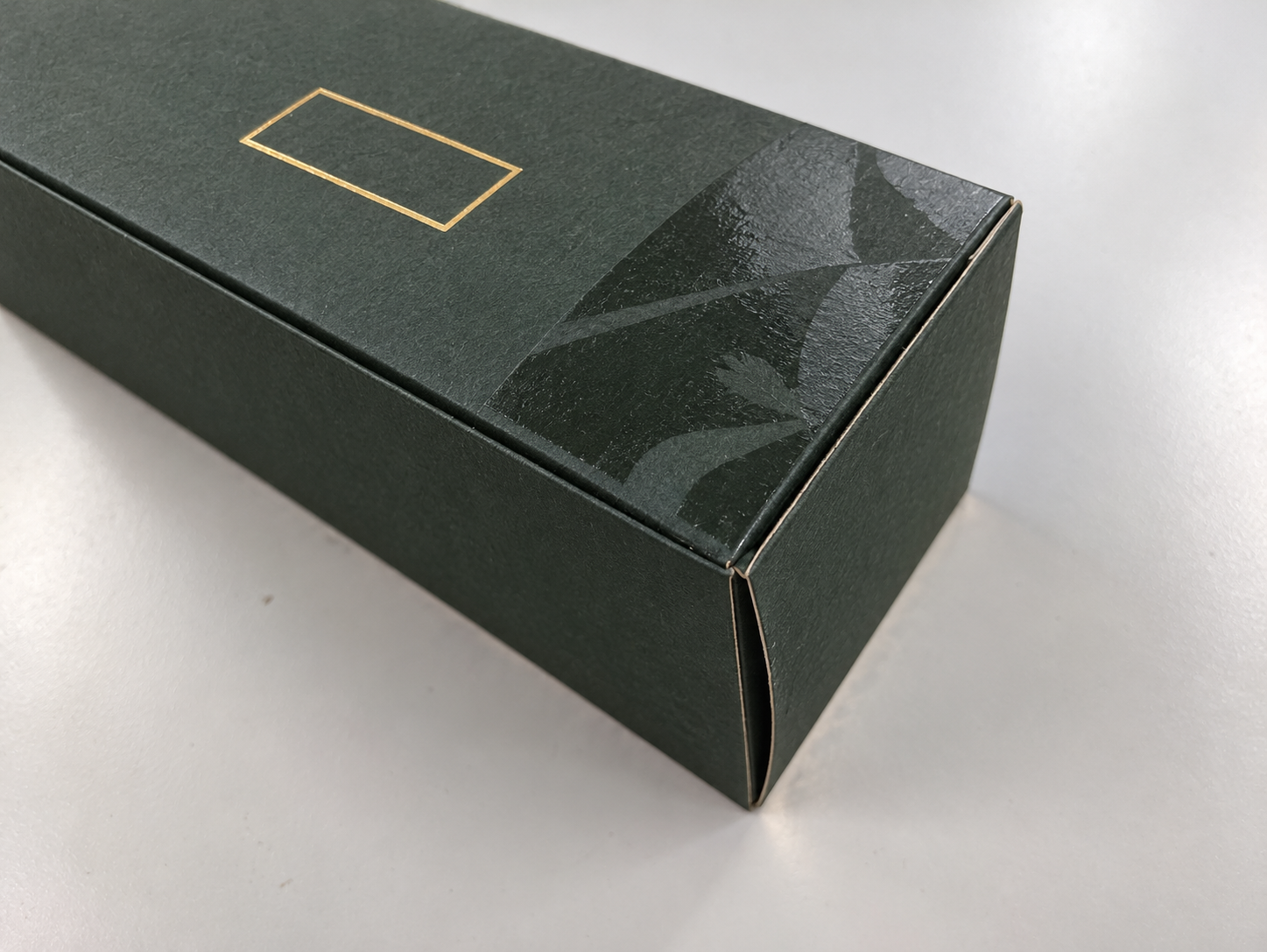
Gold foil can be stamped on selected UV-varnished cartons, but the surface and foil must match. Learn what to check before approving a finished box.

2026/10/26
Gold foil can look perfect on a flat carton and crack after folding. See what to check in the artwork, board, crease and finished sample.
2026/10/27
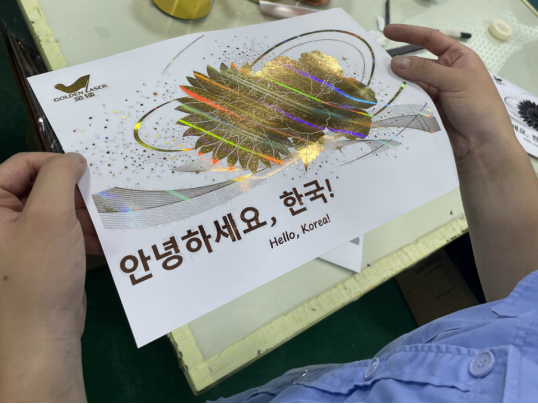
Hot stamping foil delivers metallic and holographic decoration for packaging, with reliable release, adhesion, and press performance.
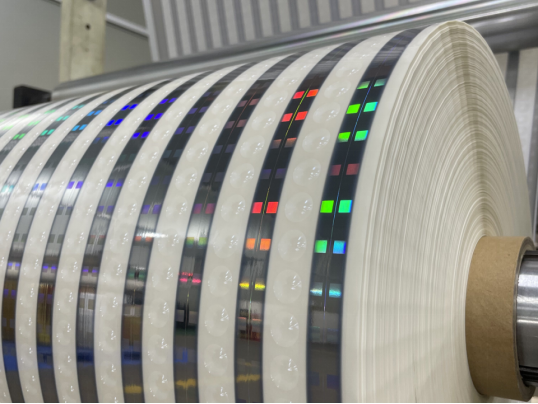
2026/10/26
Holographic foil and hologram technology add layered authentication to packaging, supporting brand protection with verifiable optical security.
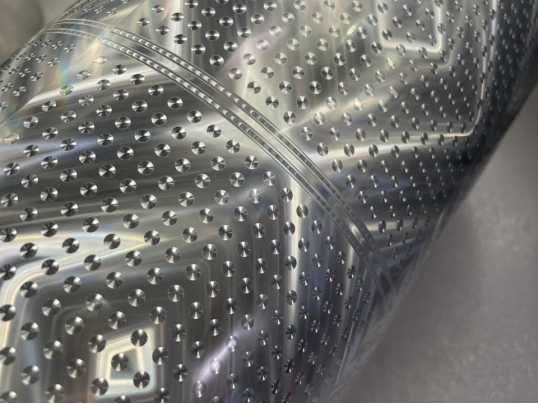
2026/10/23
Holographic foil and hot stamping elevate packaging perceived value with consistent optical effects for premium cartons.
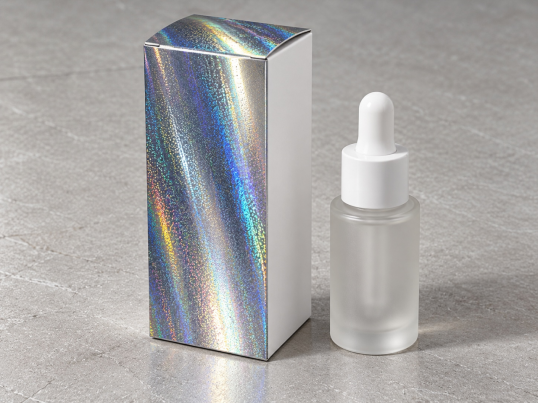
2026/10/22
Holographic paper for cosmetic cartons adds light-shifting effects, foil stamping performance, and premium shelf appeal for beauty packaging.