EN
EN

What is the role of laser technology in anti-counterfeiting foil development?
2026/09/11
See how UV and femtosecond lasers write covert codes into anti-counterfeiting foils, plus CO2 demetallization limits and real-time process control.
2026/08/07
2026/08/07
Soft-touch paper is selected for its velvety, low-gloss feel. That tactile finish is valuable in luxury packaging, but it also changes the surface that receives foil. A general-purpose foil that transfers well to ordinary coated board may not provide the same edge definition or adhesion on a soft-touch coating. The better approach is to treat soft-touch paper as a specific substrate condition and match the hot stamping foil, artwork and production settings accordingly.
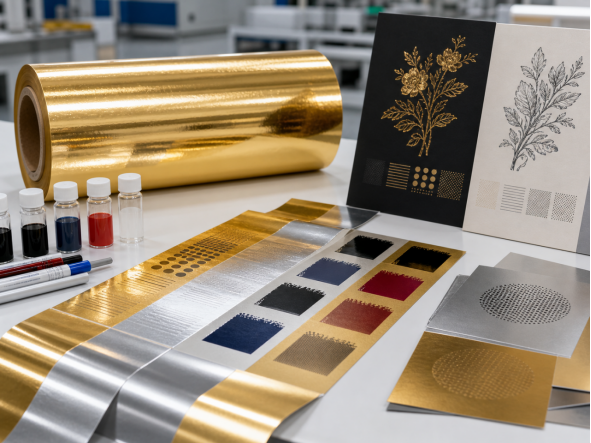
The soft-touch layer changes surface texture, gloss and surface energy. The receiving surface may feel smooth to the hand while still containing a fine micro-texture that affects contact during stamping. The coating can also respond differently to heat and pressure than a conventional paper surface. These factors influence how the adhesive wets the surface, how cleanly the foil releases and how well narrow lines remain defined. The challenge is not solved by raising temperature without limit; overheating can damage the tactile coating or make the graphic less clean.
A suitable foil for specialty paper uses a release and adhesive system designed for the receiving surface. The goal is controlled release, sufficient contact and a stable bond without disturbing the soft-touch finish. Different artwork also needs different behavior. Fine type and narrow rules require clean edges; larger solid areas require even coverage; mixed artwork requires a balanced option. This is why product selection should include the paper name, coating type, graphic structure and press method rather than only the requested color.
The paper should be clean, dry and fully cured before stamping. The die or plate should have suitable definition, and the production team should maintain even contact across the graphic area. Pressure, temperature, dwell time and speed should be adjusted as a group. If a sample shows incomplete transfer, first check substrate condition, plate quality and web or sheet handling before assuming that more heat will solve the problem. If the sample shows coating disturbance, excess pressure or heat may be part of the cause.
Soft-touch paper already communicates a tactile premium signal. Metallic foil is most effective when it creates a deliberate contrast rather than covering every available area. Gold and silver can highlight a logo or border, while matte, pigment or selected holographic details can produce a quieter or more distinctive finish. The artwork should respect the surface and leave enough unfoiled area for the soft-touch effect to remain part of the package experience.
For a soft-touch project, the sample should use the actual paper, coating, artwork and downstream process. Review fine lines, large solids, corners, borders and any areas that will be folded, laminated or rubbed during later converting. Compare the visual result under the lighting used for the package. If the package will be exposed to moisture, alcohol, oil or repeated handling, include that requirement in the project brief and evaluate the complete construction rather than the foil layer in isolation.
Hot stamping foil can deliver consistent high definition and durable metallic finishes on soft touch paper only when the foil’s layered construction, adhesive formula and production parameters are fully tailored to the unique coating properties. Unlike ordinary paper stock with stable surface energy, soft touch coatings feature specialized texture and heat sensitivity that demand targeted foil matching rather than universal paper grade solutions. The most reliable and cost effective workflow follows a strict substrate first principle. Packaging producers should clearly identify the exact soft touch paper type, detail the surface coating and pretreatment conditions, provide complete finished artwork files, and confirm the specific stamping equipment and production process in use. This comprehensive technical information enables foil suppliers to accurately recommend compatible hot stamping foil grades that balance visual performance, edge sharpness and long term rub resistance. It also effectively prevents the most common production mistake applying standard paper foils on customized soft touch coatings which often leads to fuzzy edges, poor adhesion and inconsistent finishing results.
Can any hot stamping foil be used on soft-touch paper? No. Soft-touch coatings can respond differently from ordinary coated paper, so the foil should be selected and sampled for the actual surface.
Will higher temperature always improve transfer? No. Heat, pressure, speed and dwell time work together. Excess heat may disturb the coating or reduce graphic definition.
Which artwork is easiest to transfer on soft-touch paper? Clear logos, borders, typography and controlled decorative areas are usually easier to evaluate than extremely fine or highly irregular artwork.
What should be supplied for a quotation? Provide the paper type, coating description, artwork, preferred finish, machine or process and any later lamination, folding or handling requirements.
Does soft touch paper require special foil durability testing? Yes. Soft touch surfaces feature unique friction and coating properties, so rub resistance and edge adhesion should be tested under real handling and post processing conditions.
2026/09/11
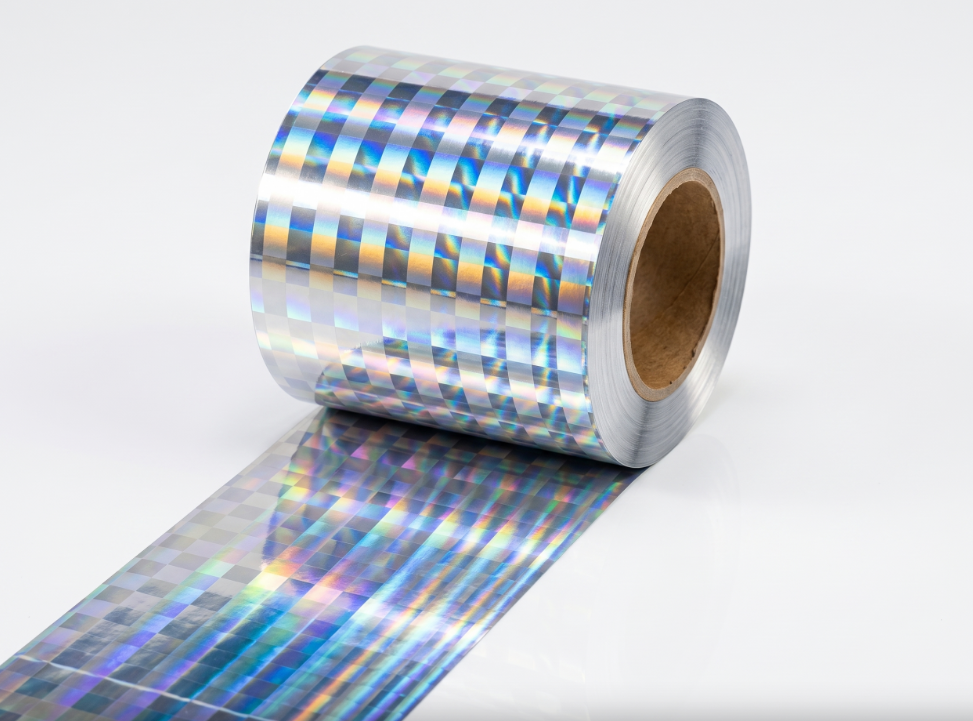
See how UV and femtosecond lasers write covert codes into anti-counterfeiting foils, plus CO2 demetallization limits and real-time process control.
2026/09/11
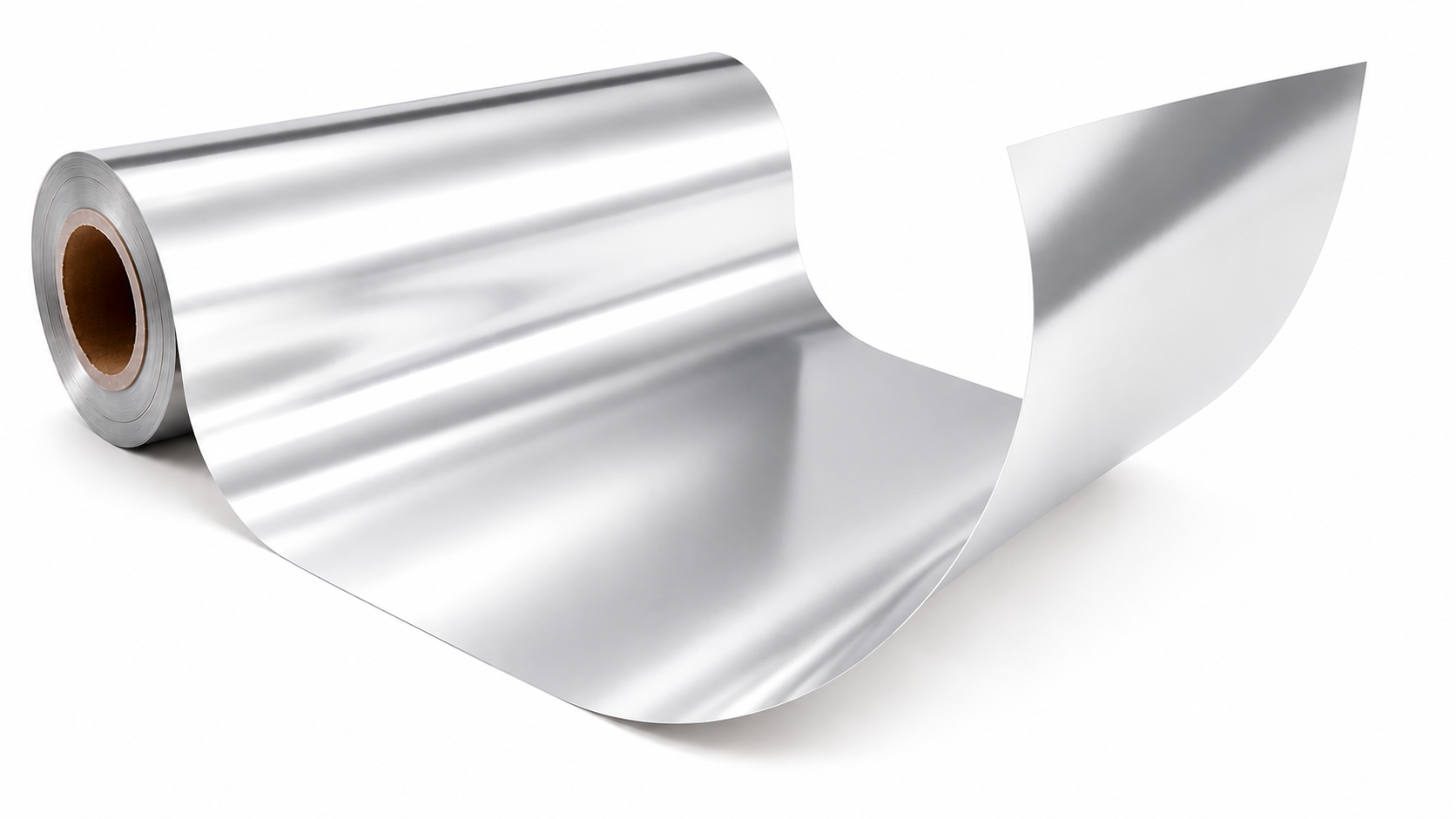
Hologram foil uses electron beam lithography, kinematic holography, dot matrix diffraction, and nanofabrication for secure high-definition packaging.
2026/09/11
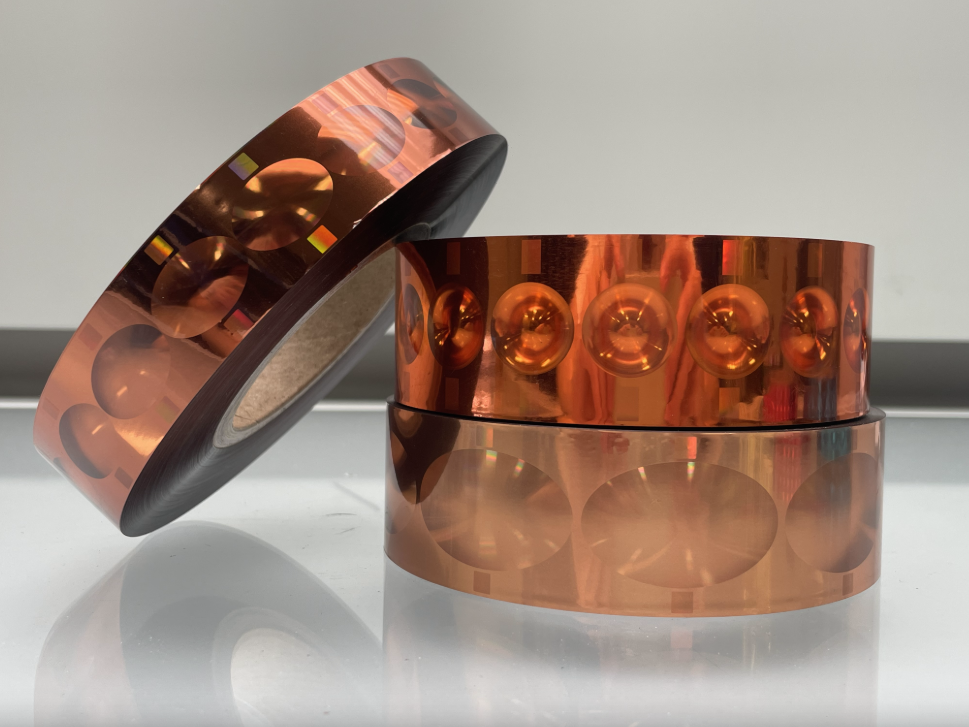
See how light shifts color and motion, adding secure visual effects that resist copying on printed cartons and retail labels for brands worldwide today.
2026/09/11
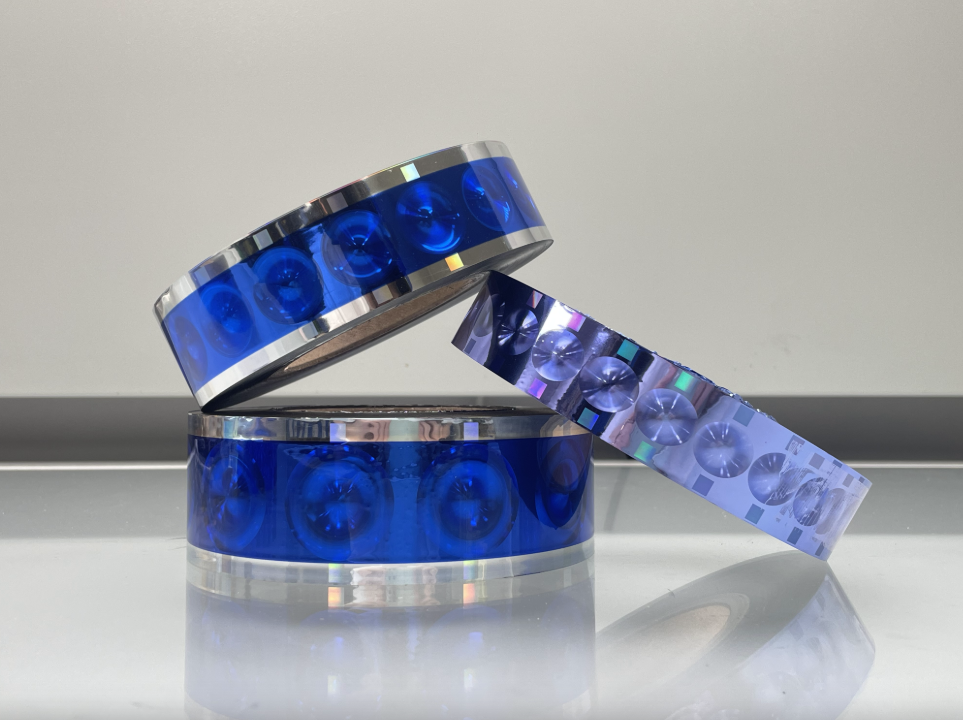
Security holograms and holographic labels add overt protection. Learn optics, foil, design, pitfalls, limits, and fake risks in real world use.
2026/09/11
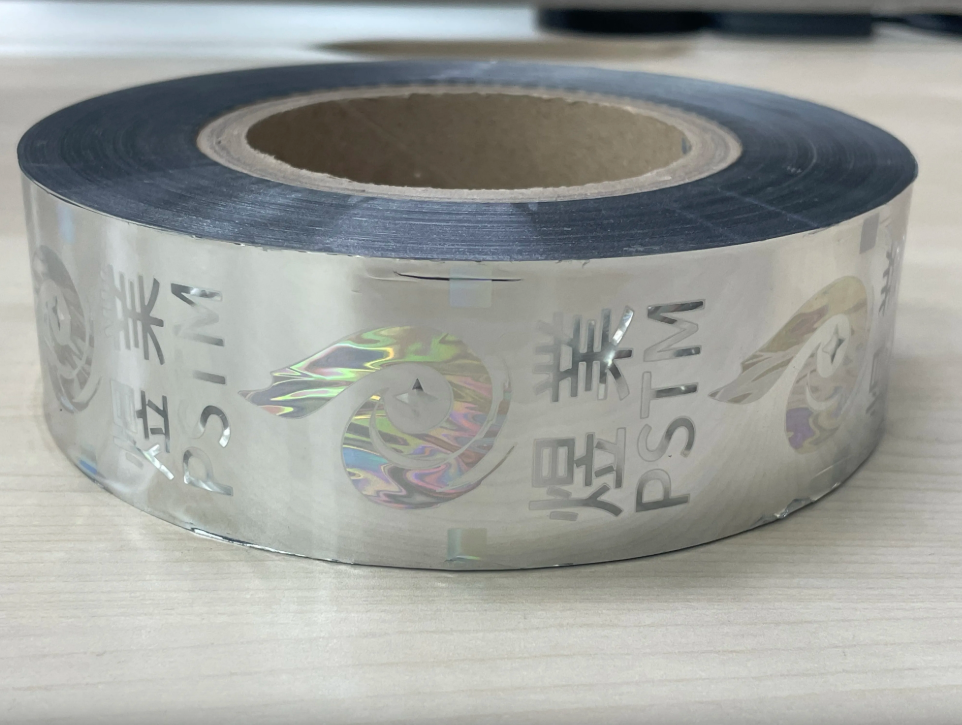
Learn how metal decoration works without heated dies, plus substrate limits and inline setup costs, quality control and output plans for packaging lines.
2026/09/11
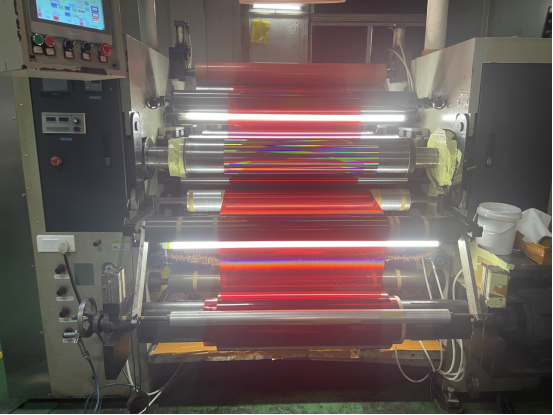
Hot stamping foil uses heated dies; metallic ink prints via a printing process. Compare brilliance, adhesion, rub resistance, cost, substrate for decoration