EN
EN

What is the role of laser technology in anti-counterfeiting foil development?
2026/09/11
See how UV and femtosecond lasers write covert codes into anti-counterfeiting foils, plus CO2 demetallization limits and real-time process control.
2026/08/06
2026/08/06
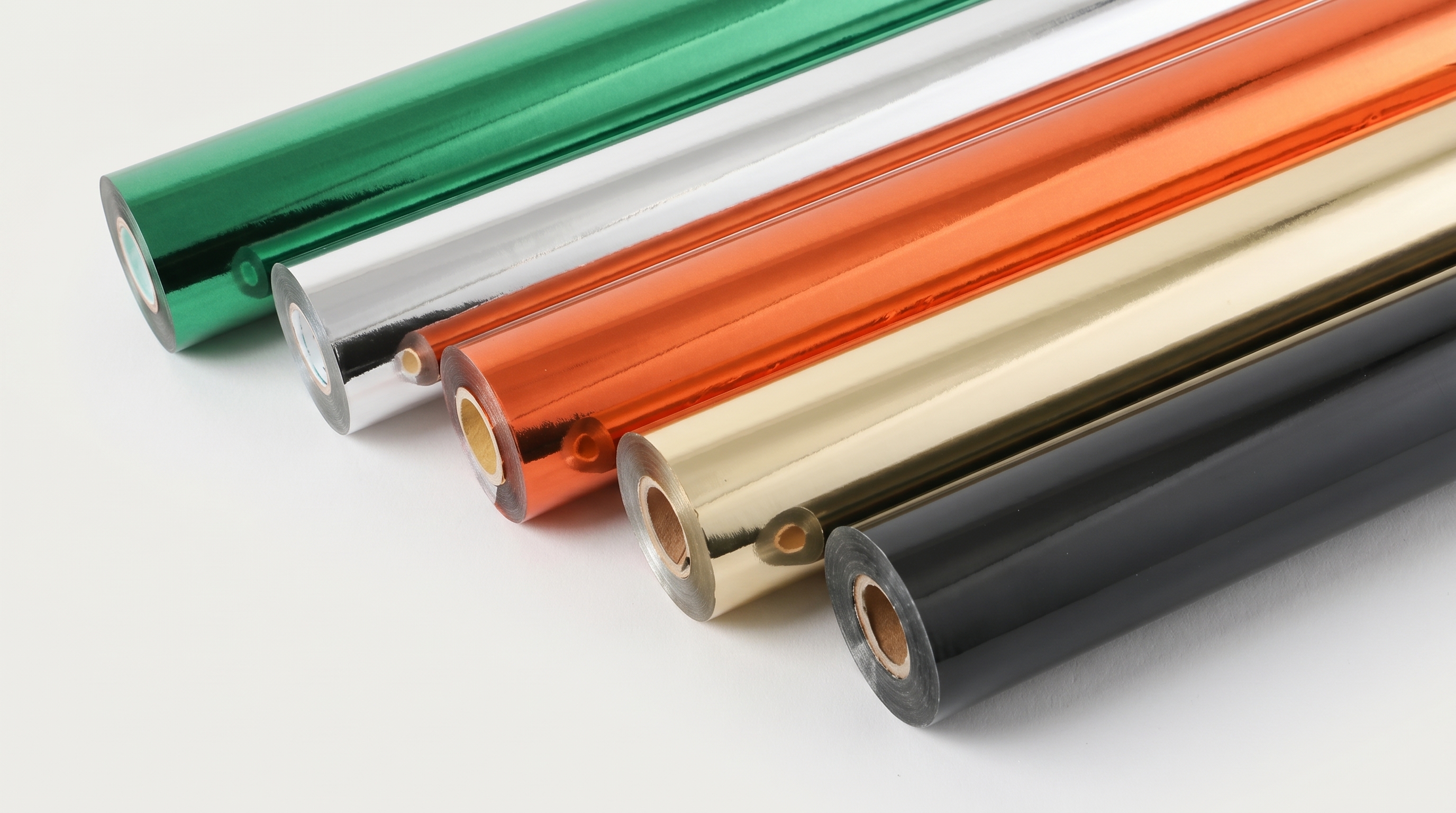
Labels face more handling than many packaging components. They are rubbed during converting, stacked during transport, exposed to humidity and touched repeatedly at retail. A metallic effect that looks good on the first sample may still fail if the foil grade, adhesive system and label surface are not matched. Hot stamping foil can support durable label decoration, but the result is a system outcome rather than a promise made by the foil name alone.
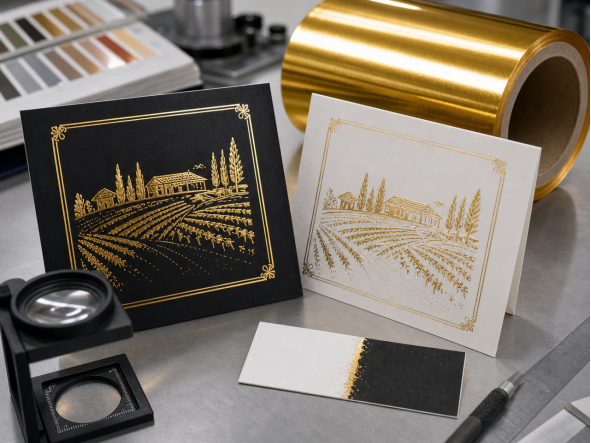
Hot stamping foil normally contains several functional layers, including a carrier film, release layer, decorative or optical layer and heat-activated adhesive. During transfer, the release layer must separate cleanly while the adhesive makes sufficient contact with the receiving surface. If the surface is too smooth, too rough, contaminated or not prepared for the selected foil, the decorated area can show edge lifting, incomplete coverage or weak rub resistance. The same visible label material may therefore require different foil constructions for different production routes.
Paper labels, coated board, PP, PE, PET and other plastic label structures differ in surface energy, coating chemistry and heat response. UV varnish, lamination, primer, corona treatment and printed ink can all change the receiving surface. A foil designed for coated paper should not automatically be used on a low-energy plastic film. For plastic labels, the foil should be selected with the actual polymer, surface treatment, print sequence and converting process in mind. This is also why a product enquiry should identify the substrate instead of only requesting gold or silver foil.
The most useful comparison is not a single headline claim. Buyers should review the expected handling conditions and ask how the selected foil is intended to perform on the actual surface. Important factors include edge integrity on fine graphics, adhesion after rubbing, visual stability after humidity exposure, compatibility with overprinting or lamination, and the effect of die pressure and temperature on the label stock. Where alcohol, oil, water or other chemicals are part of the application, the requirement should be stated before sampling so the correct product route can be evaluated.
Hot stamping foil can be considered for premium self-adhesive labels, wine and spirits labels, cosmetics, daily chemical packaging and branded packaging where metallic accents need to remain clear during normal handling. The application may use fine text, borders, logos or larger decorative areas. For high-speed label production, the transfer system must also be compatible with the press, web tension, printing sequence and production speed. When the project uses flexographic cold foiling instead of heated-die hot stamping, the selection and testing route are different and should be handled as a separate product requirement.
Start with a clean, fully cured receiving surface and confirm that the foil is intended for that substrate. Keep the web aligned, protect the roll from dust and humidity, and avoid treating a default machine setting as a universal setting. During sampling, inspect fine lines, large solids, corners and the transition between foil and unfoiled areas. If the label will be overprinted, laminated, die-cut or exposed to chemicals, include those later steps in the evaluation. This creates a more realistic view of durability than checking the fresh sample only.
Hot stamping foil improves label durability when the layered construction, substrate and process are deliberately matched. It can provide a clean metallic or special-effect finish that supports both appearance and handling performance, but the exact result depends on the application. A complete technical enquiry should include label material, coating or treatment, artwork, machine, production speed, downstream steps and expected exposure. Those details allow the supplier to recommend a suitable grade and prevent a visually similar but technically mismatched foil from being used.
Does hot stamping foil make every label waterproof? No. Label durability depends on the complete label construction, substrate, coating, adhesive and exposure conditions. The foil should be selected against the required application.
Can hot stamping foil be used on plastic labels? Selected plastic-compatible grades can be used on specified plastic substrates when the surface treatment and process are suitable.
What should be tested on a label sample? Check transfer coverage, fine-line clarity, edge adhesion, rubbing performance and any later printing, lamination or chemical exposure required by the application.
Is hot stamping foil suitable for high-speed label production? It can be suitable when the foil, press, web handling, artwork area and production settings are matched to the process.
Why do hot stamping foil edges appear fuzzy or incomplete?Fuzzy or incomplete foil edges result from mismatched foil grades, improper machine settings or untreated substrate surfaces. Unstable temperature and pressure during stamping also weaken transfer precision and damage clean decorative edges.
2026/09/11
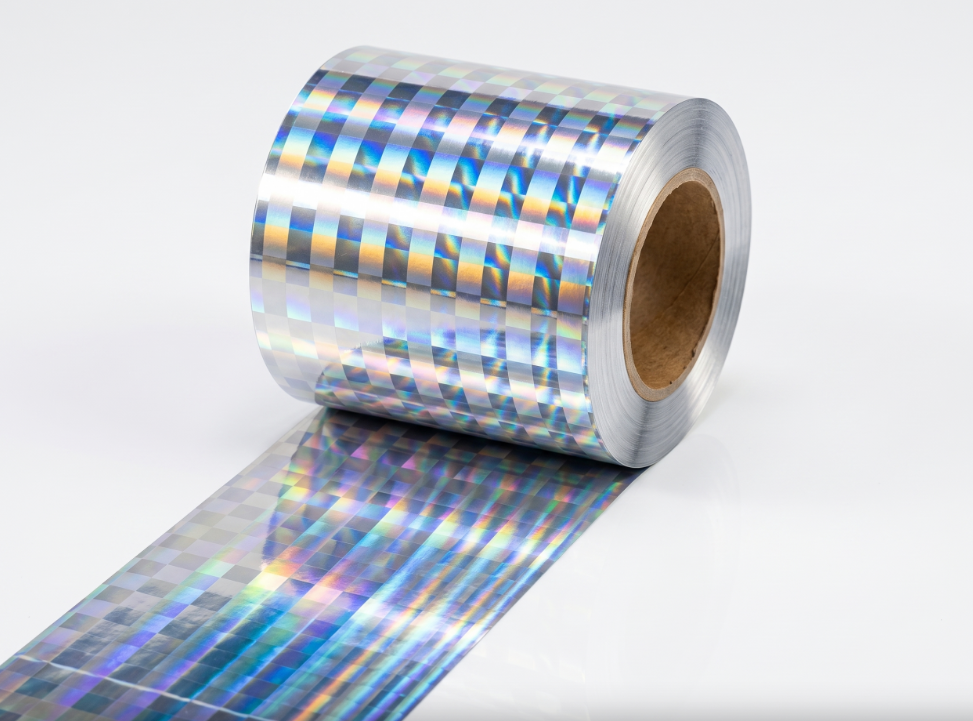
See how UV and femtosecond lasers write covert codes into anti-counterfeiting foils, plus CO2 demetallization limits and real-time process control.
2026/09/11
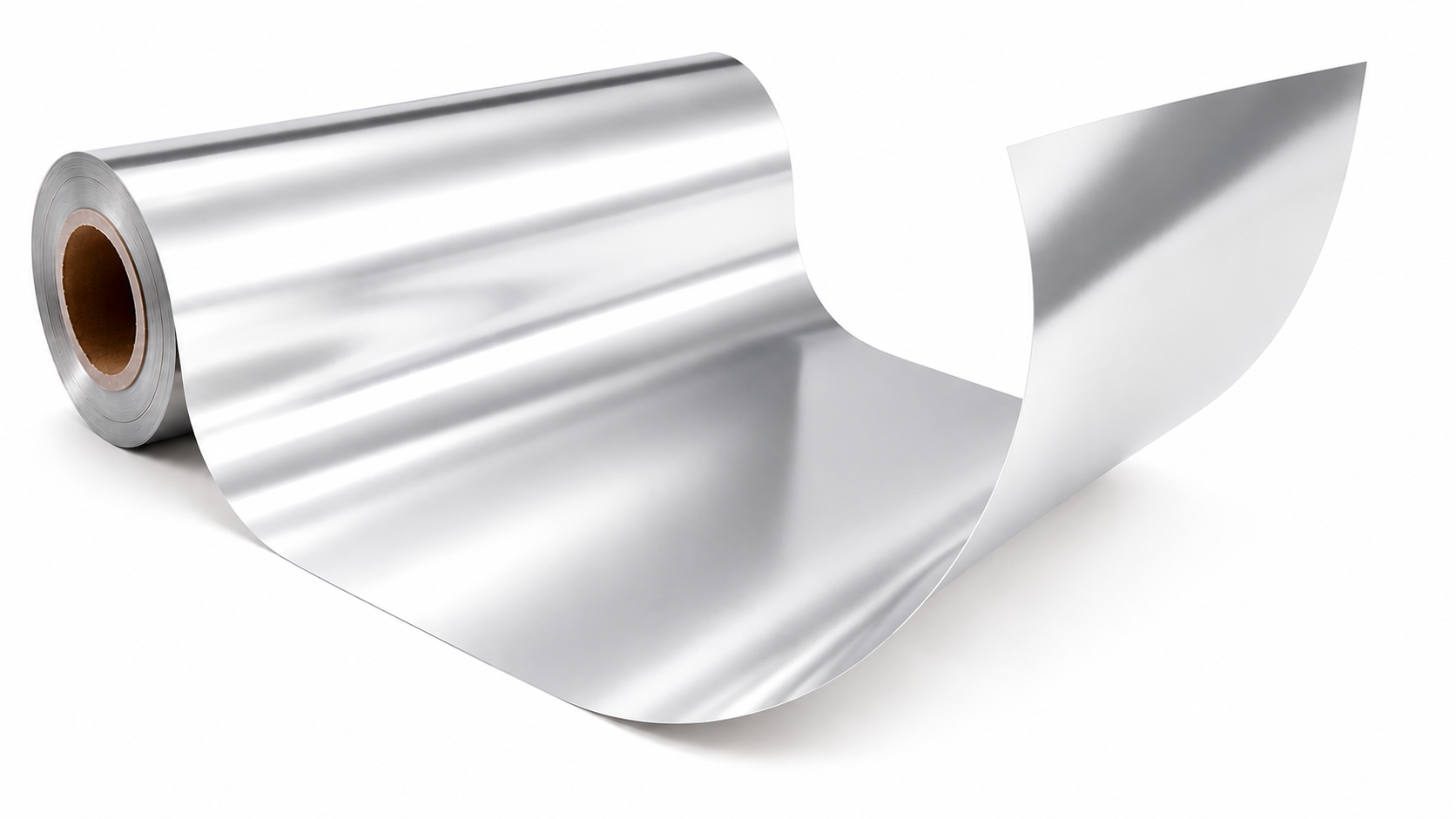
Hologram foil uses electron beam lithography, kinematic holography, dot matrix diffraction, and nanofabrication for secure high-definition packaging.

2026/09/11
See how light shifts color and motion, adding secure visual effects that resist copying on printed cartons and retail labels for brands worldwide today.
2026/09/11
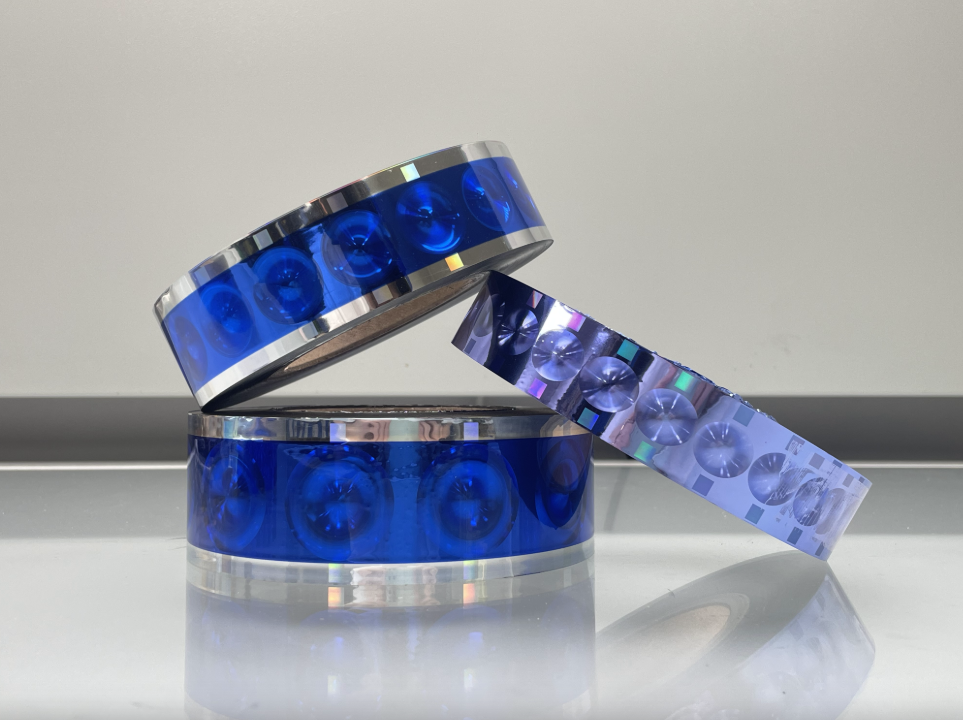
Security holograms and holographic labels add overt protection. Learn optics, foil, design, pitfalls, limits, and fake risks in real world use.
2026/09/11
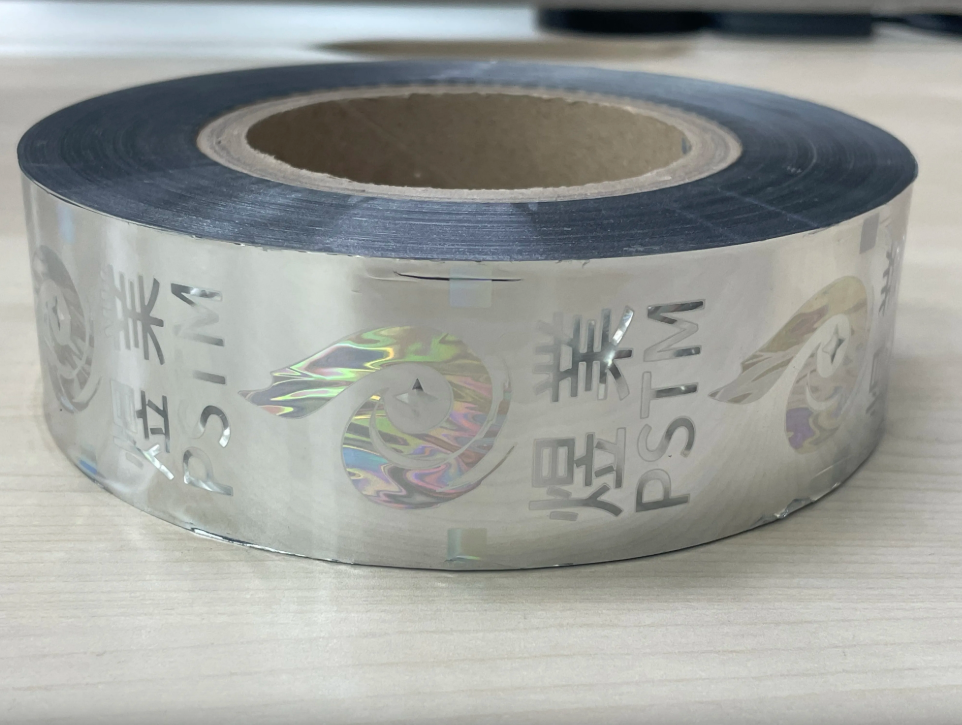
Learn how metal decoration works without heated dies, plus substrate limits and inline setup costs, quality control and output plans for packaging lines.
2026/09/11
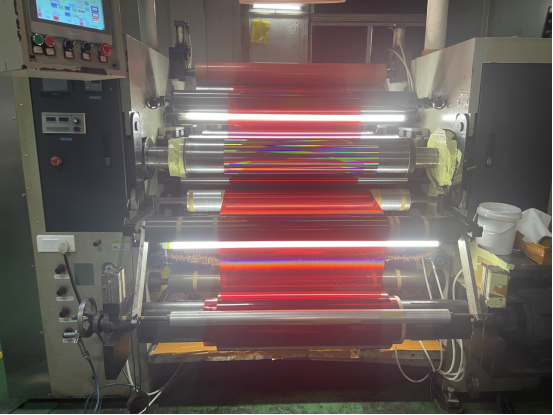
Hot stamping foil uses heated dies; metallic ink prints via a printing process. Compare brilliance, adhesion, rub resistance, cost, substrate for decoration