EN
EN
What is the role of laser technology in anti-counterfeiting foil development?
2026/09/11
See how UV and femtosecond lasers write covert codes into anti-counterfeiting foils, plus CO2 demetallization limits and real-time process control.
2026/08/12

2026/08/12
Holographic foil vs. metallic foil is not simply a choice between two colors. Standard metallic foil creates a stable reflective finish, such as bright gold, silver or another metallic tone. Holographic foil adds optical movement through a patterned structure that changes with viewing angle. Metallic foil often supports a restrained, classic or high-contrast identity, while holographic foil is chosen when the package needs more movement, differentiation or a security-oriented visual cue.

A metallic finish works well when the design depends on clean typography, a crisp logo, a narrow border or a large controlled solid area. It can sit comfortably with neutral paper colors, traditional brand systems and layouts where readability is more important than visual movement. Standard metallic foil may also be the simpler choice for a long-running product family that needs a consistent finish across repeated orders and multiple package formats.
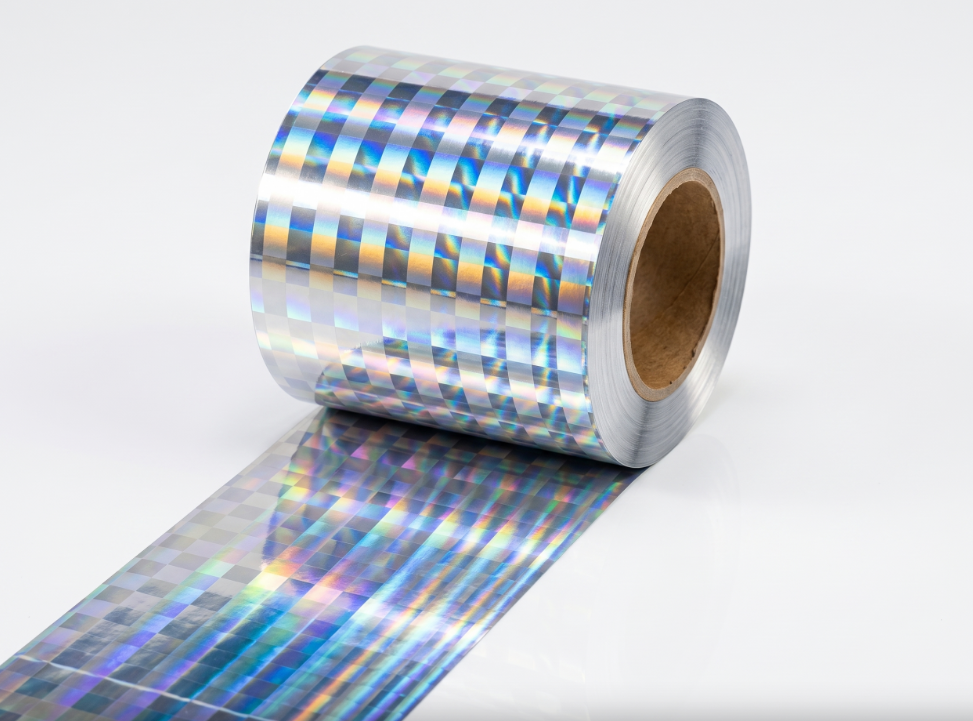
Holographic foil is useful when the artwork benefits from changing light, patterned depth or a more distinctive shelf signal. It can support limited packaging, technology-related products, premium gift boxes, custom brand graphics and selected security-oriented designs. The pattern still needs to be proportionate to the package. A strong holographic effect on a busy background can make the package harder to read, while a small registered mark can create differentiation without overwhelming the whole layout.
The same finish can look different on coated board, matte-coated paper, UV-varnished surfaces and selected plastics. Dark printed backgrounds often increase the contrast of a holographic effect, while lighter or heavily textured surfaces may soften it. Metallic foil usually provides a more predictable single-tone appearance, but it still depends on surface smoothness, coating and adhesion. The right comparison should use the actual substrate, print background, artwork and production route rather than a loose sample viewed in isolation.
Standard metallic foil is often easier to specify when the project needs a familiar finish and a straightforward repeat order. Holographic foil may require more attention to pattern selection, artwork scale, registration and visual approval. Custom holographic patterns can add preparation time and development cost, but may create a longer-term brand asset. The right decision balances the expected visual benefit against the package volume, product life cycle, change frequency and production control available to the converter.
Holographic foil can make packaging more recognizable and can contribute to a security-oriented design, especially when a custom or registered pattern is used. It does not automatically make a package secure or impossible to copy. Standard metallic foil also has legitimate uses and should not be described as unsuitable simply because it is less dynamic. The correct finish is the one that meets the brand, artwork and operational objective without making claims the material cannot support.
Choose standard metallic foil when the priority is stable metallic tone, clean readability and a restrained premium effect. Consider holographic foil when the priority is optical movement, pattern differentiation or a custom visual identifier. In both cases, confirm the substrate, coating, artwork, press method, foil area, later printing or lamination and expected handling before final approval. A side-by-side sample on the real package material is the most useful decision tool.
Holographic foil vs. metallic foil is a strategic packaging choice. Metallic foil offers controlled reflective impact; holographic foil offers changing optical detail and more pattern-driven differentiation. Neither is universally superior. Match the finish to the brand position, artwork, substrate, production route and required level of visual uniqueness, then approve the result on the actual package structure.
Is holographic foil always more premium than metallic foil? No. The two finishes communicate different styles. Premium value depends on how well the finish fits the brand, artwork, substrate and production quality.
Which finish is easier to use for small text? A suitable metallic foil is often easier to evaluate for clean small text, but the result still depends on plate quality, substrate and process conditions.
Can metallic and holographic foil be used in one package? Yes. A controlled combination can use metallic foil for stable brand information and holographic foil for a selected emblem or decorative area.
Does holographic foil replace a complete anti-counterfeiting system? No. It can support a security-oriented visual feature, but protection requires the wider pattern, registration, production control and verification process.
Does substrate affect the final effect of holographic and metallic foil? Yes. Different substrates including coated board, matte-coated paper and UV-varnished surfaces greatly change the presentation. Dark backgrounds enhance holographic contrast, while textured or light surfaces soften its optical effect. Metallic foil’s stable tone and adhesion performance also rely on surface smoothness and coating conditions.
Which foil is more suitable for long-term mass production? Standard metallic foil is more ideal for long-term mass production and repeated orders due to its stable finish and simple production process. Holographic foil, especially custom patterned styles, needs stricter pattern selection and process calibration, which is more suitable for differentiated and high-value packaging rather than conventional mass production.
2026/09/11
See how UV and femtosecond lasers write covert codes into anti-counterfeiting foils, plus CO2 demetallization limits and real-time process control.
2026/09/11
Hologram foil uses electron beam lithography, kinematic holography, dot matrix diffraction, and nanofabrication for secure high-definition packaging.
2026/09/11
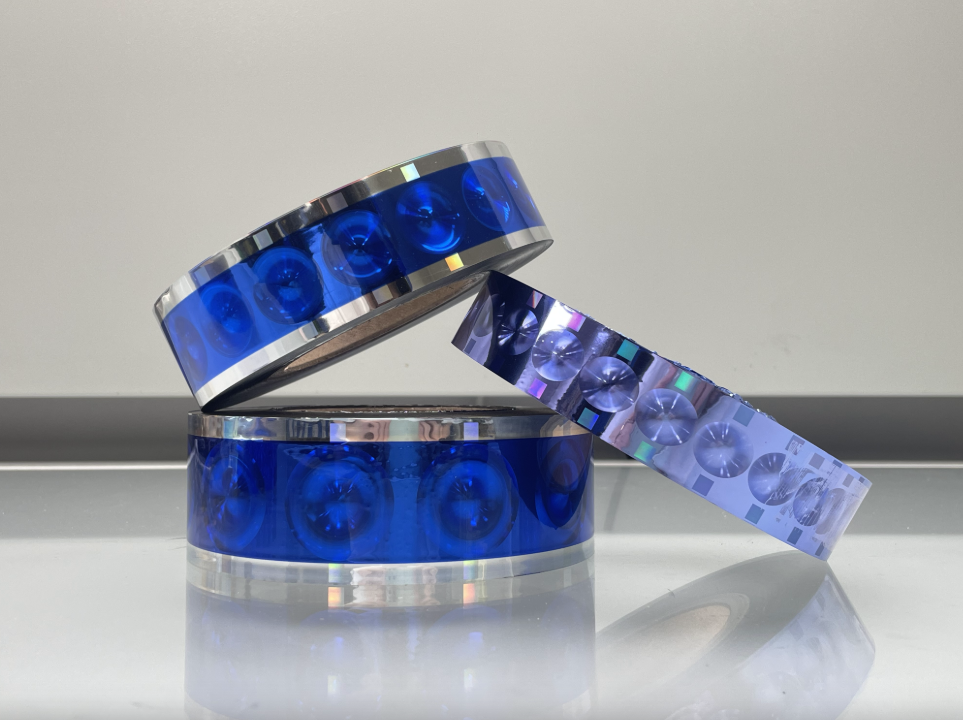
See how light shifts color and motion, adding secure visual effects that resist copying on printed cartons and retail labels for brands worldwide today.
2026/09/11
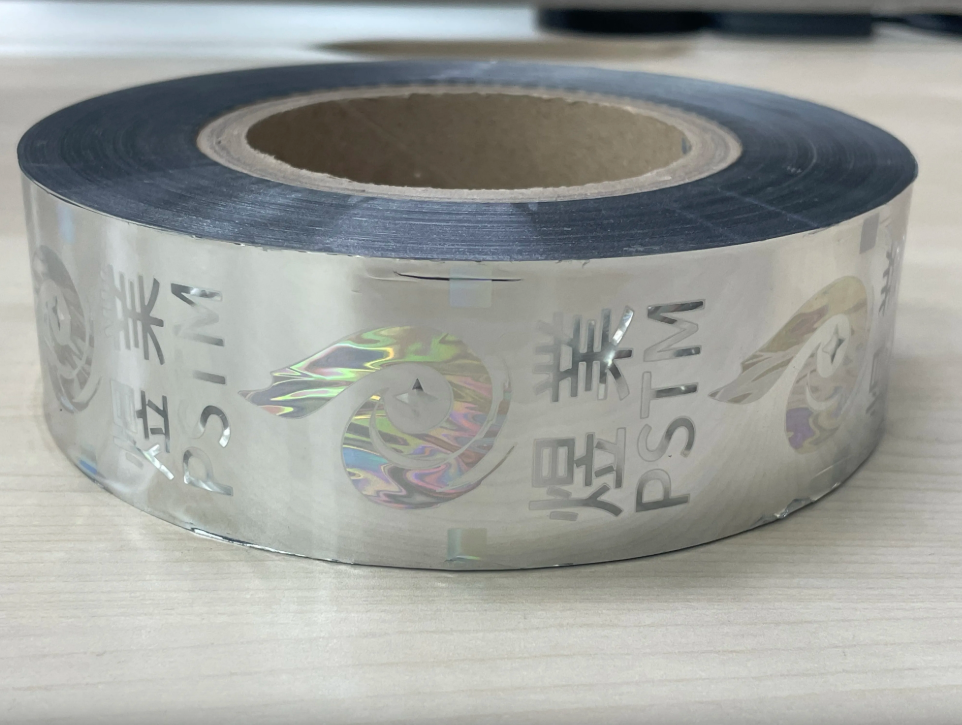
Security holograms and holographic labels add overt protection. Learn optics, foil, design, pitfalls, limits, and fake risks in real world use.
2026/09/11
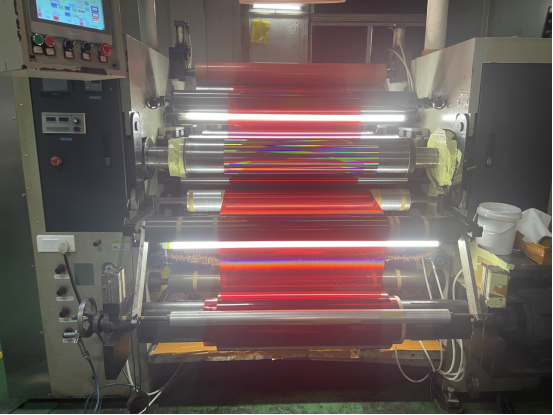
Learn how metal decoration works without heated dies, plus substrate limits and inline setup costs, quality control and output plans for packaging lines.
2026/09/11
Hot stamping foil uses heated dies; metallic ink prints via a printing process. Compare brilliance, adhesion, rub resistance, cost, substrate for decoration