EN

Hot Stamping Foil on UV-Varnished Cartons: What Buyers Should Check
2026/10/28
Gold foil can be stamped on selected UV-varnished cartons, but the surface and foil must match. Learn what to check before approving a finished box.
2026/09/20

2026/09/20
When buyers search for flexo vs offset cold foil, they are usually trying to avoid a costly mismatch between the foil and the printing line. The two routes use the same basic idea: a printed adhesive defines the image, the foil web meets the adhesive at a nip, and the metallic or holographic layer transfers where the adhesive is present. The production format, however, is different.
Flexo cold foil is normally specified for a continuous web process. Sheet-fed offset cold foil is specified for sheets running through an offset press with a compatible cold-foil unit. This difference affects the substrate, web or sheet handling, adhesive application, curing sequence, foil width, registration and downstream finishing. The best choice is therefore not the foil with the most attractive finish. It is the foil construction that fits the complete production system.
Flexo cold foil is commonly selected when the job runs on a narrow-web or other compatible web press. The substrate moves continuously through the press, so the foil supplier and converter need to control web tension, adhesive laydown, nip contact and UV curing as one system.
This route is often considered for self-adhesive labels, pressure-sensitive label stock, coated papers, PE, PP, PET, synthetic materials and qualified shrink-film structures. It is also useful when the job includes many SKU versions, roll-to-roll converting, rotary die cutting or other inline finishing steps.
The adhesive image is normally printed through a flexographic plate and anilox system. That makes plate condition, anilox selection and adhesive leveling important to the final result. Fine type, barcodes and small registration marks should be reviewed at the finished label size, not only on a large foil sample. Uneven adhesive coverage may appear as broken edges, pinholes or dull areas after transfer.
For buyers evaluating an optical finish on labels, Holographic Flexo Cold Foils are intended for inline narrow-web applications where holographic gold, silver, rainbow or selected patterned effects are required. The product page also separates transparent and registered routes, because those effects require different design and qualification decisions.
Sheet-fed offset cold foil is usually considered when the job is printed as individual sheets, especially folding cartons, coated paperboard, premium commercial print or other sheet-fed packaging work. The sheet format changes how the converter plans foil width, image repeat, make-ready, sheet handling and waste.
In an offset cold-foil workflow, the adhesive image is printed by an offset unit before the foil is brought into contact and cured. The process can support large graphic areas, layered color design and overprinting, but the substrate surface still matters. Coating, board smoothness, surface energy, ink compatibility and curing must be qualified together. A sheet that looks smooth to the eye may still behave differently after printing, varnishing or lamination.
For a project that needs visible diffraction on cartons or premium paper, Holographic Sheet-Fed Offset Cold Foils are positioned for sheet-fed holographic cold foil and optical effects. When the design needs a uniform metallic gold, silver or selected metallic color instead of diffraction, Metallic Sheet-Fed Offset Cold Foils are the more relevant product route.
| Selection point | Flexo cold foil | Sheet-fed offset cold foil |
|---|---|---|
| Production format | Continuous web | Individual sheets |
| Common job types | Labels, film labels, sleeves and qualified shrink-film structures | Folding cartons, paperboard packaging and premium sheet-fed print |
| Adhesive image | Flexographic plate and anilox-controlled laydown | Offset adhesive unit and sheet-fed press settings |
| Main process controls | Web tension, anilox, plate, nip and UV cure | Sheet handling, adhesive coverage, nip, curing and overprint sequence |
| Artwork considerations | Repeat length, label size, barcode readability and web registration | Sheet layout, graphic coverage, fine detail and sheet-to-image registration |
| Downstream checks | Rotary die cutting, slitting, varnish, lamination and label application | Folding, die cutting, coating, lamination and carton handling |
The table is a starting point, not a substitute for a press trial. A converter may run unusual substrates or hybrid equipment, and the final choice still depends on the installed cold-foil unit, adhesive system and finishing sequence.
Start with the actual press route. A foil chosen for a sheet-fed offset unit should not be transferred to a narrow-web flexo line simply because the color looks similar. The carrier, release behavior and adhesive compatibility may be different.
Identify the actual paper, board, PE, PP, PET, synthetic stock or shrink film. Then record any coating, ink, varnish, corona treatment or lamination that will be present at the transfer point. Surface appearance alone does not confirm compatibility.
Silver cold foil is often used as a reflective base for process colors, while holographic foil adds diffraction that may be reduced by heavy opaque ink. Confirm the intended ink, varnish and curing sequence on the real foil and substrate. A sample viewed before overprinting cannot answer this question.
Small text, QR codes, barcodes, hairlines and registered optical images need a clean adhesive image and stable registration. If the artwork includes a strong optical pattern, keep critical information outside the densest area unless a finished-size proof confirms readability.
Agree on the trial criteria before production: visual coverage, edge definition, registration, dry and wet rub, tape adhesion, overprint adhesion, varnish or laminate compatibility, die cutting and final application. Recording the approved foil code, adhesive, substrate, press route and finishing stack makes repeat orders easier to control.
Do not compare flexo vs offset cold foil from a loose color swatch alone. Prepare a sample that reproduces the real substrate, graphic scale, adhesive route and downstream finish. Review the sample under diffuse light and the expected retail or working light. For holographic effects, change the viewing angle and check whether the pattern remains balanced across the label or sheet.
The most useful comparison is a short, controlled trial in which one variable changes at a time. Keep the artwork and substrate constant when comparing foil grades. If the press route changes as well, record that separately; otherwise, a better-looking sample may simply reflect a different adhesive or curing condition rather than a better foil.
Choose flexo cold foil when the project is built around continuous web production, labels, film materials or inline rotary converting. Choose sheet-fed offset cold foil when the project is built around individual sheets, folding cartons, coated board or premium sheet-fed print. When the job sits between these categories, send the press model, cold-foil unit, adhesive, substrate, artwork size and downstream finish before ordering.
The practical meaning of flexo vs offset cold foil is process compatibility. Once the route is clear, the supplier can recommend the appropriate metallic or holographic construction and arrange a trial that measures transfer, registration, adhesion and final appearance on the real job.
No. Both use an adhesive-defined transfer principle, but the press format, adhesive application, substrate handling and qualification data are different.
Do not assume that it can. Confirm the foil construction, adhesive system, press unit, curing method and substrate with the supplier before running a cross-process trial.
A compatible flexo or narrow-web route is often the starting point for shrink-film labels, but the exact film, treatment, adhesive, curing and shrink process must be tested together. Do not approve a grade from a paper-label result alone.
Sheet-fed offset cold foil is usually the more natural starting point for folding cartons printed as sheets. The final choice still depends on the press configuration, board coating, graphic coverage and downstream converting.
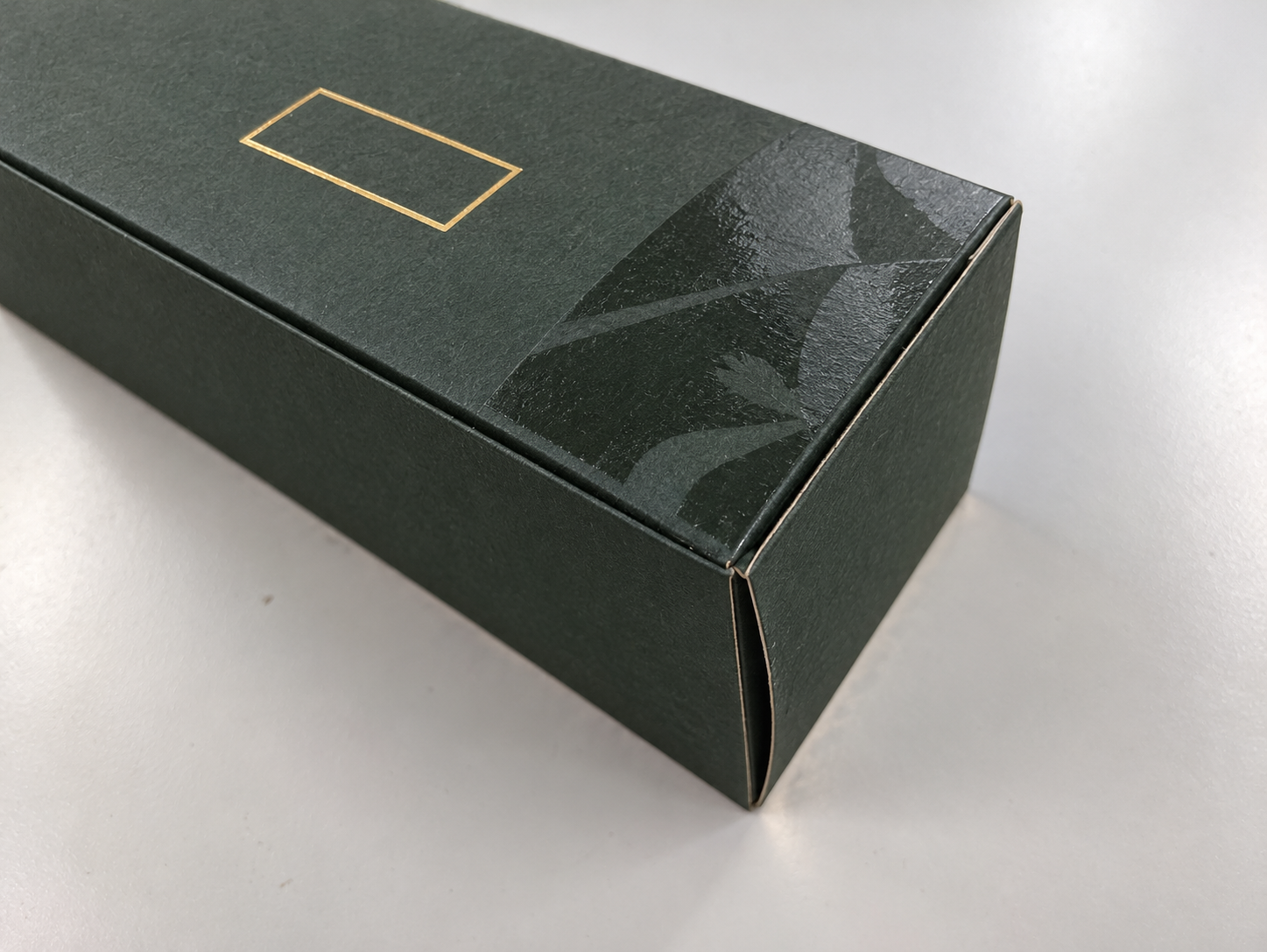
2026/10/28
Gold foil can be stamped on selected UV-varnished cartons, but the surface and foil must match. Learn what to check before approving a finished box.

2026/10/26
Gold foil can look perfect on a flat carton and crack after folding. See what to check in the artwork, board, crease and finished sample.
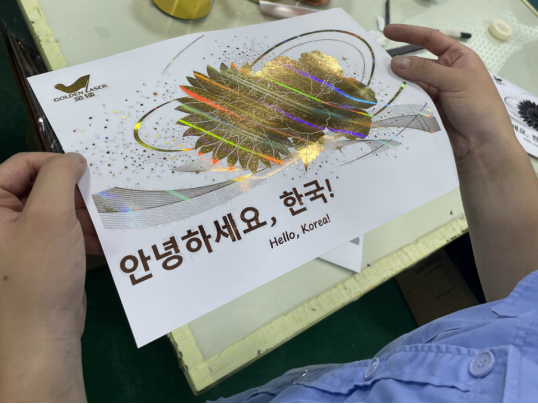
2026/10/27
Hot stamping foil delivers metallic and holographic decoration for packaging, with reliable release, adhesion, and press performance.
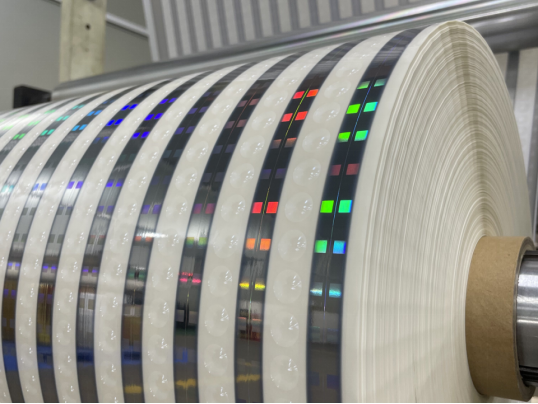
2026/10/26
Holographic foil and hologram technology add layered authentication to packaging, supporting brand protection with verifiable optical security.
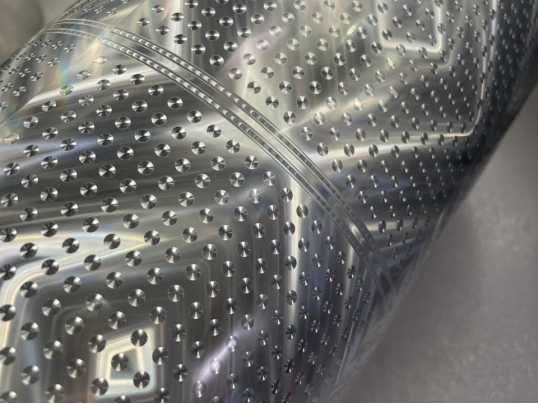
2026/10/23
Holographic foil and hot stamping elevate packaging perceived value with consistent optical effects for premium cartons.
2026/10/22
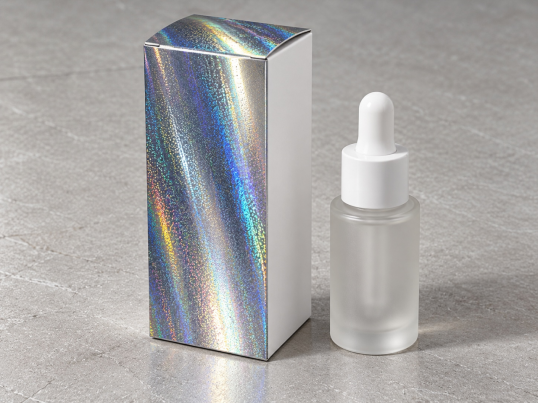
Holographic paper for cosmetic cartons adds light-shifting effects, foil stamping performance, and premium shelf appeal for beauty packaging.