EN
EN

What is the role of laser technology in anti-counterfeiting foil development?
2026/09/11
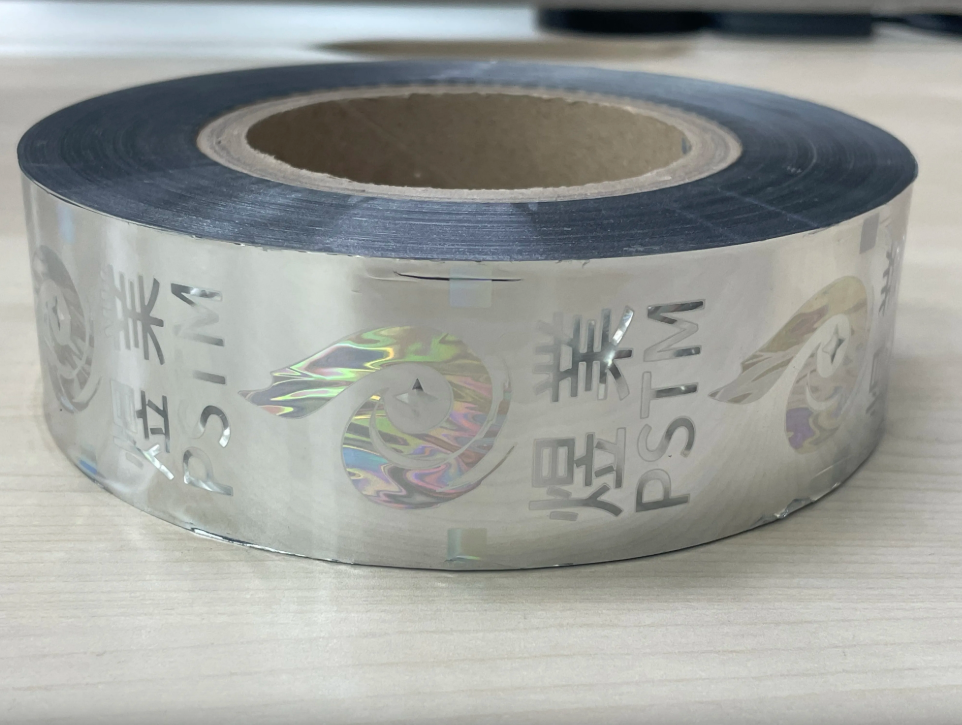
See how UV and femtosecond lasers write covert codes into anti-counterfeiting foils, plus CO2 demetallization limits and real-time process control.
2026/09/11
2026/09/11
Cold foil, the full term being cold foil stamping material, delivers metallic decorative patterns without heating equipment or heated metal dies during the entire transfer workflow. The whole procedure relies on UV adhesive coating, roller lamination and UV light curing to separate the metallic layer from carrier films onto target substrates, which creates a fundamental difference from conventional hot stamping foil that relies on thermal melting of adhesive coatings. No continuous thermal output is required during machine operation, which directly cuts down power draw linked to heating components. Many packaging converters confuse cold foil with general hot stamping variants and deploy heating molds for cold foil production, which leads to damaged transfer layers and unstable graphic edges on finished goods.
Plants handling thin flexible films and heat-prone base materials frequently encounter consistent quality barriers when running traditional hot stamping workflows. Heat applied by metal dies easily triggers substrate shrinkage, surface wrinkling or layer delamination for thin PP films and lightweight synthetic fabrics. Even minor thermal deformation distorts tiny brand graphics and raises product reject rates. Standardized production tracking data from packaging lines shows that materials vulnerable to temperature fluctuation maintain far more stable decorative surfaces when processed with cold foil, with fewer post-production shape defects compared to heat-dependent stamping methods.
The table below compares core operational indicators of cold foil and regular hot stamping under unified production line conditions, referencing common packaging material testing standards:
|
Evaluation Item |
Cold Foil Stamping |
Conventional Hot Stamping Foil Transfer |
|
Heating equipment requirement |
No heated dies or constant heating modules |
Mandatory heated metal molds and thermal control units |
|
Continuous power consumption level |
Relatively low energy demand |
Sustained high power draw for temperature maintenance |
|
Compatibility with heat-sensitive substrates |
Wide applicable range for thin films, soft textiles |
Narrow range, easily causes thermal deformation |
|
Online printing integration |
Seamless connection with flexo and offset presses |
Separate offline processing station required mostly |
|
Minimum fine graphic reproduction |
Captures micro lines with clean cutting edges |
Risk of blurring from thermal extrusion pressure |
|
Long-run operational cost |
Lower recurring power and mold wear expense |
Extra costs from heating component replacement |
All comparison indicators are summarized from routine production monitoring across multiple packaging processing facilities, offering measurable references for workflow planning.
Cold foil adapts to a broad spectrum of base materials that cannot withstand sustained thermal pressure from hot stamping equipment. Thin BOPP and PP films, lightweight coated paper, delicate textile fabrics and thin UV-laminated sheets all fall within its stable processing scope. Some rigid high-temperature-resistant substrates still deliver satisfactory results with cold foil, though hot stamping remains a viable alternative for those materials. It is important to acknowledge the inherent limits of cold foil: thick solid metallic blocks demand higher UV glue coating volume, which may generate slight orange peel texture if glue coating parameters are not adjusted properly. No single decorative material can cover all substrate types without parameter tuning.
Removal of constant heating hardware brings two prominent workflow improvements for printing lines. Cold foil can be mounted as an inline station on existing flexo or offset presses, removing extra offline stamping procedures that require independent material handling. Eliminating heating die wear also cuts down regular mold replacement and calibration work, reducing machine downtime for maintenance. Three core operational benefits come from simplified equipment setup:
1.Shorter pre-production preparation time before batch runs start
2.Faster switching between different graphic designs on the same production line
3.Reduced auxiliary equipment space occupied inside factory workshops Many production planners overlook these indirect operational savings when only comparing raw foil material unit prices.
Cold foil does not represent a universal replacement for all hot stamping applications, with several inherent restrictions that need assessment before mass production. The whole transfer system relies on stable UV curing output; inconsistent UV lamp intensity will cause incomplete metal layer adhesion and local foil shedding. Surfaces with heavy silicone release agents struggle to form reliable bonding with cold foil UV adhesives, requiring surface pretreatment ahead of processing. Products demanding ultra-thick metallic reflective layers still achieve better visual uniformity via hot stamping technology. Balanced selection between cold foil and hot stamping relies on combining substrate traits, graphic layout and long-term production cost targets.
As a technically capable supplier covering full stamping foil categories, GL Foils develops multiple cold foil variants matching flexo and offset inline printing setups, alongside complete hot stamping foil series for diverse substrate demands. Internal R&D and inspection centers carry out cross-process compatibility testing for cold foil against various heat-sensitive base materials. Large-scale annual output supports stable bulk supply for printing and packaging manufacturers, with technical teams providing customized material matching guidance without limiting service to specific market segments.
2026/09/11
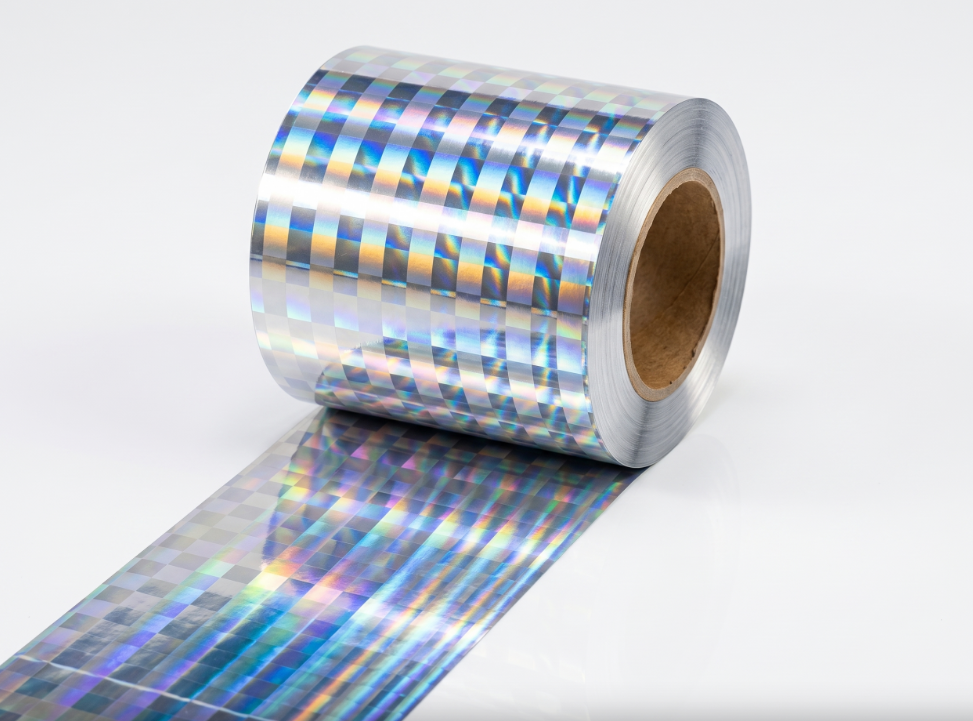
See how UV and femtosecond lasers write covert codes into anti-counterfeiting foils, plus CO2 demetallization limits and real-time process control.
2026/09/11
Hologram foil uses electron beam lithography, kinematic holography, dot matrix diffraction, and nanofabrication for secure high-definition packaging.
2026/09/11
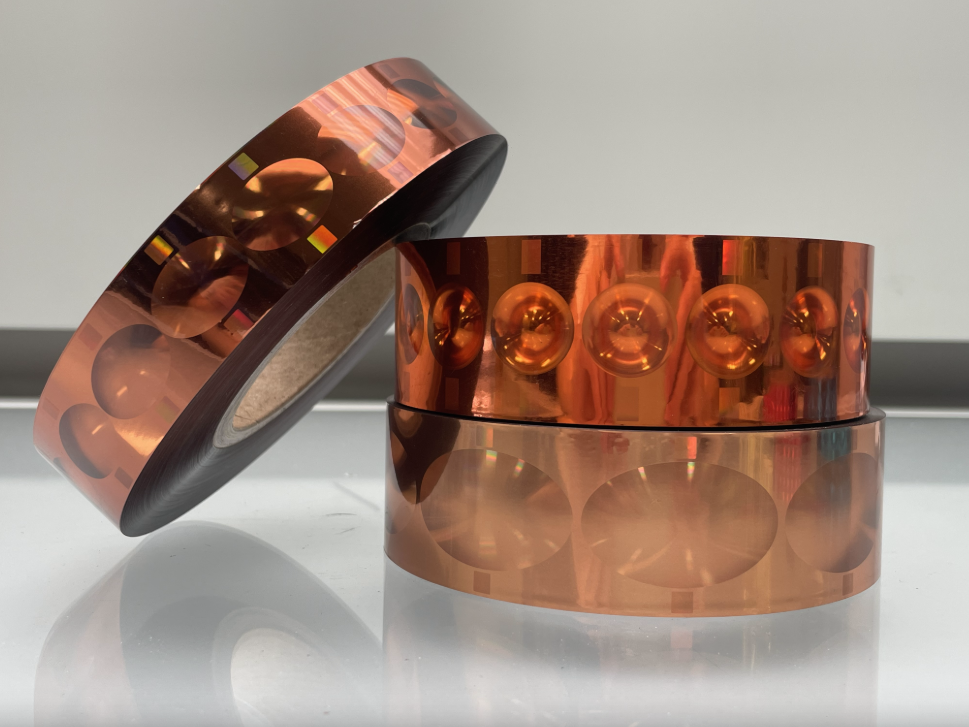
See how light shifts color and motion, adding secure visual effects that resist copying on printed cartons and retail labels for brands worldwide today.
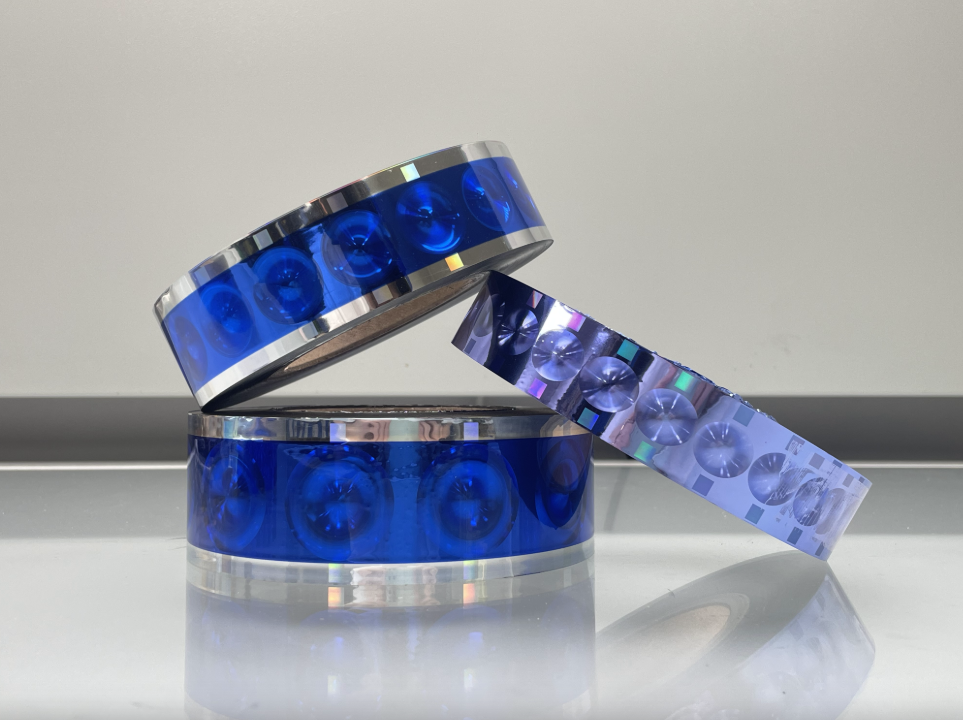
2026/09/11
Security holograms and holographic labels add overt protection. Learn optics, foil, design, pitfalls, limits, and fake risks in real world use.
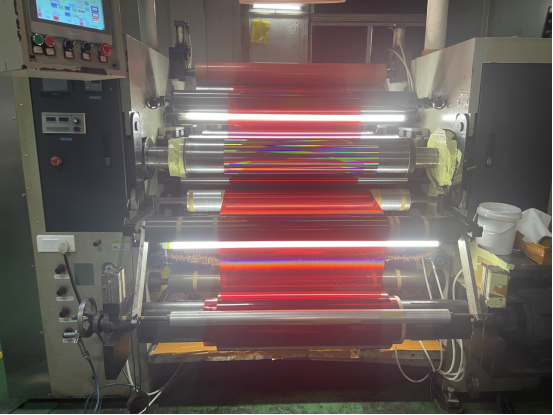
2026/09/11
Hot stamping foil uses heated dies; metallic ink prints via a printing process. Compare brilliance, adhesion, rub resistance, cost, substrate for decoration