EN

Hot Stamping Foil on UV-Varnished Cartons: What Buyers Should Check
2026/10/28
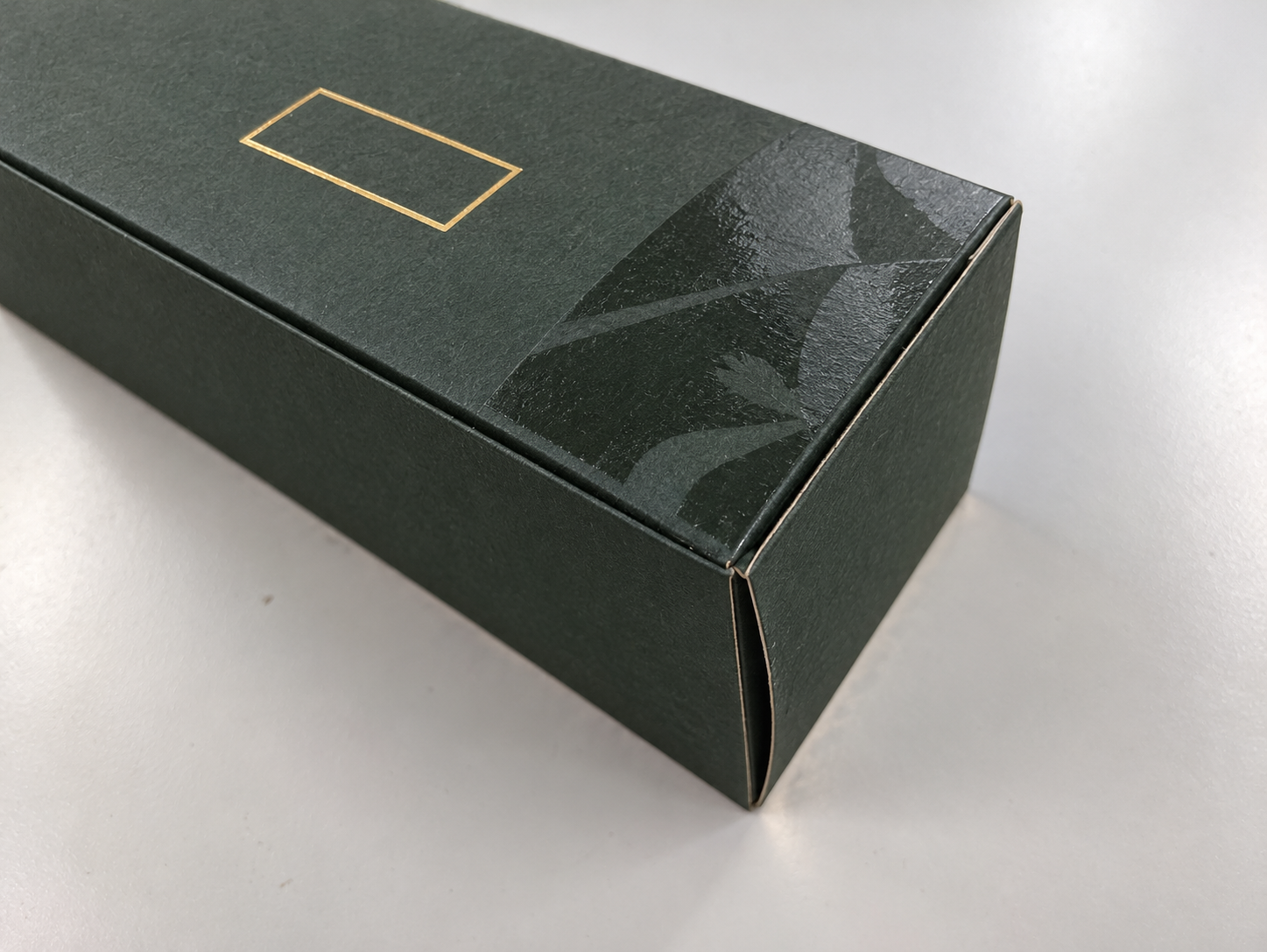
Gold foil can be stamped on selected UV-varnished cartons, but the surface and foil must match. Learn what to check before approving a finished box.
2026/09/23
2026/09/23
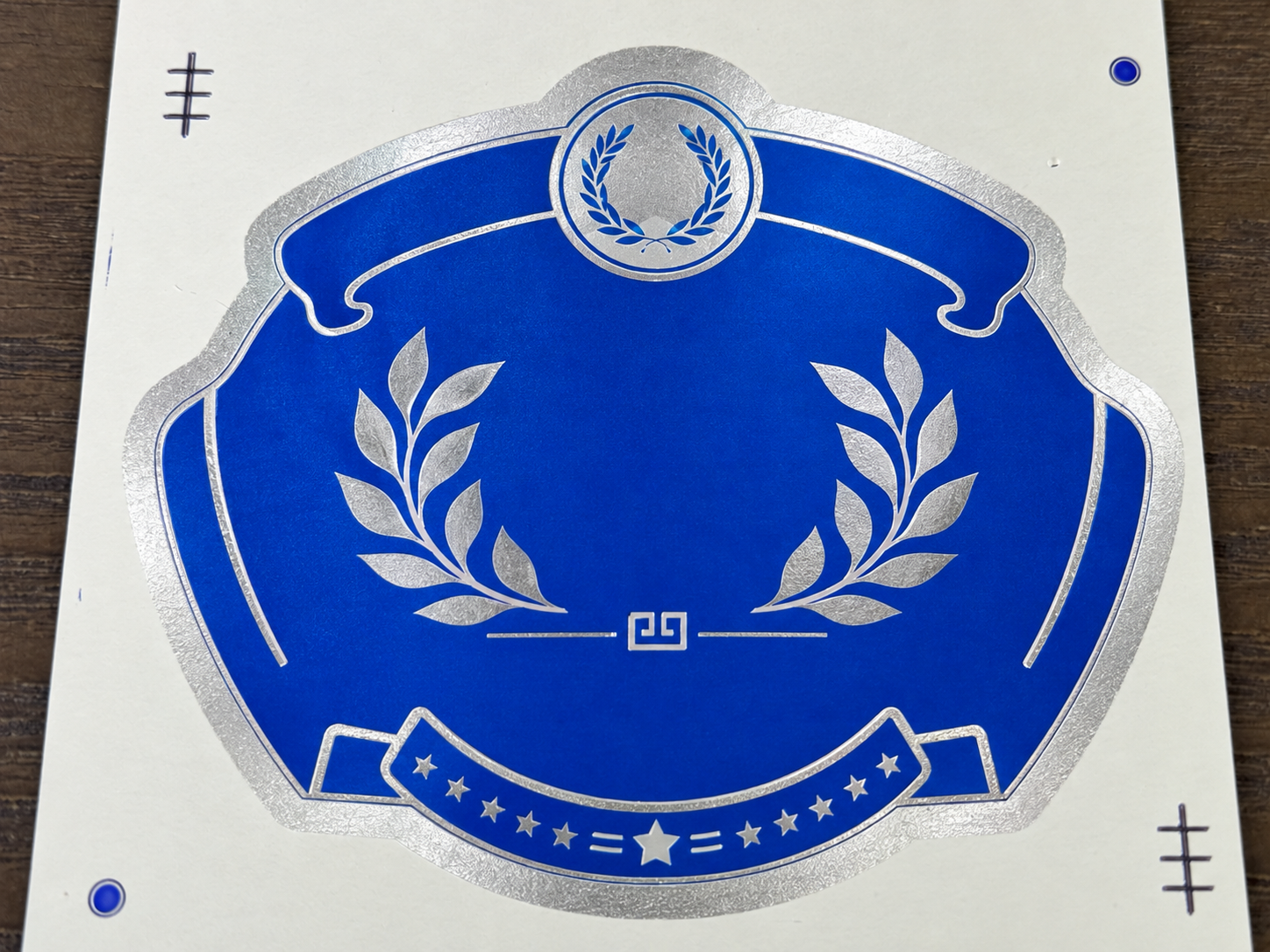
Cold foil overprinting is often described as a simple way to create metallic color: transfer a silver or holographic foil, then print process inks over it. In production, the visual result depends on more than the foil itself. The substrate surface, adhesive image, curing sequence, ink, varnish, laminate and downstream handling all influence whether the finish stays bright, registered and usable.
For that reason, a cold foil sample should be approved as a process system rather than as a loose color swatch. The right question is not only “Does the foil look bright?” It is “Does the complete decoration stack transfer cleanly, accept the intended overprint and survive the next converting step?”
In a cold-foil workflow, an adhesive image is printed on the substrate and the foil web contacts the adhesive in line. The foil remains only where the adhesive is present. After transfer, process inks can be printed over a metallic base to create colored metallic effects, or a varnish can be added to change gloss, protection and visual contrast.
This flexibility also means that the foil surface becomes part of the next printing surface. A process ink or coating that performs well on ordinary coated paper may behave differently over metallic foil, so the approval sample should reproduce the actual foil area, ink coverage and finishing order.
Before selecting a grade, record the real receiving surface. For labels and web-based packaging, this may include coated paper, pressure-sensitive stock, PE, PP, PET, synthetic material or a qualified shrink-film structure. For sheet-fed cartons, it may include coated paperboard, folding boxboard or a laminated paper surface.
Surface appearance is not enough to confirm compatibility. Coating, porosity, surface treatment, ink coverage and later lamination can change the way the adhesive anchors. An absorbent or uneven surface may reduce adhesive contact, while a heavily coated or contaminated surface may cause incomplete transfer or weak bonding.
Send the supplier the actual substrate name, coating or treatment, thickness where relevant, and a photograph of the printed surface. If the job will be laminated, varnished or applied to a shaped package, include that information before the sample is prepared.
Cold foil products are process-specific. A narrow-web flexo line, a sheet-fed offset press and a hybrid label line may require different foil constructions, adhesive behavior and curing conditions. The installed cold-foil unit, foil width, unwind direction, adhesive application method and UV system should be included in the qualification brief.
For continuous-web labels and film applications, Holographic Flexo Cold Foils are the relevant product route when the project needs holographic gold, silver, rainbow or patterned effects. For sheet-fed cartons and premium paper print, Holographic Sheet-Fed Offset Cold Foils provide the corresponding sheet-fed route. If the design needs a non-diffractive metallic base for later color overprinting, Metallic Sheet-Fed Offset Cold Foils are the more relevant comparison.
Transfer quality should be checked before the overprint is evaluated. Inspect solid areas, fine lines, small type and halftone areas separately. Look for pinholes, broken edges, dirty non-image areas, missing detail, streaks and uneven brightness.
A clean release and a well-controlled adhesive image are needed for both broad coverage and fine detail. Excess adhesive can soften edges or increase unwanted pickup. Insufficient adhesive, incomplete curing or unstable nip contact can leave weak areas that look acceptable at first but fail during rubbing, coating or die cutting.
For registered or patterned holographic effects, inspect the relationship between the optical pattern and the artwork. A visually attractive roll sample cannot prove registration on the finished label or carton. The approval sample should use the actual repeat, graphic scale and intended viewing conditions.
Overprinting silver foil can create a wide metallic color range, but the printed ink changes how the foil reflects light. Dark or dense ink areas may reduce the visible metallic effect, while transparent or lighter process colors allow more of the reflective base to show through.
Designers and converters should define which areas need maximum brightness, which areas need a controlled metallic color and which areas must remain readable. Small text, barcodes, QR codes and registration marks should be checked at finished size. Do not approve readability from a large artwork file or an enlarged screen proof alone.
Keep the foil map, ink sequence and trapping decisions with the production file. If the foil is applied under process colors, the artwork should make clear which colors are expected to build from the metallic base. If the foil is applied only as a spot element, the surrounding non-foil area should be checked for contrast and edge cleanliness.
Varnish and laminate are not cosmetic afterthoughts. A gloss varnish may increase brightness, while a matte finish can reduce glare and soften the apparent metallic effect. A protective layer can also change scratch resistance, ink adhesion and the way the foil is handled during folding, slitting or label application.
Run the intended finishing sequence on the approval sample. Compare at least the finished visual effect, ink adhesion, foil adhesion, surface rub and edge condition after the planned converting step. If the final package will be exposed to alcohol, moisture, refrigeration, abrasion or repeated handling, include the relevant end-use simulation before approval.
| Check | What to reproduce | What to inspect |
|---|---|---|
| Substrate | Actual paper, board, film or label stock with its coating or treatment | Coverage, edge definition and surface uniformity |
| Adhesive transfer | Actual adhesive, plate or anilox condition, nip contact and curing sequence | Release, pinholes, dirty background and fine detail |
| Overprint | Planned ink family, density, color sequence and registration | Color build, drying, piling, readability and register |
| Protection | Final varnish, coating or laminate | Gloss, haze, scratch resistance and ink/foil adhesion |
| Converting | Slitting, die cutting, folding, laminating or label application | Cracking, lifting, scuffing and final appearance |
Patchy or incomplete transfer: check the substrate surface, adhesive coverage, nip contact, web tension and curing before changing the foil color. A foil swap alone may hide the actual process cause.
Good transfer but weak ink adhesion: review the foil's overprint compatibility, ink type, ink density, drying or curing and the time between transfer and finishing. The foil may be transferring correctly while the next layer is not bonding properly.
Clean foil but poor registration: compare the foil image, adhesive image and overprinted artwork separately. Web or sheet movement, repeat settings, plate condition and the press route may be contributing to the error.
Bright sample becomes dull after finishing: compare the same area before and after varnish or lamination. Surface finish, haze, ink coverage and viewing angle can change the perceived brightness without indicating a transfer failure.
This information allows the foil construction and sample method to be matched to the real job. It also makes the result easier to repeat when the packaging moves from approval to regular production.
Cold foil overprinting should be approved as a complete decoration and finishing system. Confirm the receiving surface first, match the grade to the press and adhesive route, then test transfer, registration, ink, varnish, laminate and converting in the order they will be used.
The most reliable sample is not the one with the brightest isolated foil. It is the one that reproduces the actual substrate, artwork and finishing sequence closely enough for the printer, converter and brand owner to make the same decision before production.
Do not assume that all grades will behave the same way. Confirm the foil, ink, adhesive and curing combination on the actual substrate before production.
Varnish changes the surface reflection and can increase gloss, reduce glare or add haze. Compare the intended varnish or laminate on the approval sample rather than judging the foil before finishing.
Check the foil-to-substrate bond and the ink-to-foil bond separately. Use the agreed rub, tape, scratch or end-use checks on the finished sample and record the substrate, adhesive, curing and finishing conditions.
Review the complete converting sequence. Folding, die cutting, slitting, lamination and handling can expose weak adhesion or surface damage that is not visible immediately after transfer.
2026/10/28
Gold foil can be stamped on selected UV-varnished cartons, but the surface and foil must match. Learn what to check before approving a finished box.

2026/10/26
Gold foil can look perfect on a flat carton and crack after folding. See what to check in the artwork, board, crease and finished sample.

2026/10/27
Hot stamping foil delivers metallic and holographic decoration for packaging, with reliable release, adhesion, and press performance.
2026/10/26
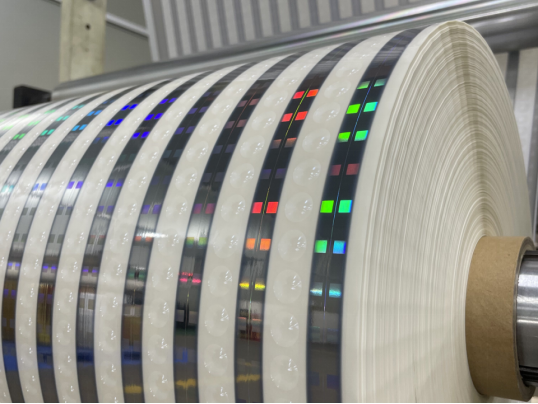
Holographic foil and hologram technology add layered authentication to packaging, supporting brand protection with verifiable optical security.
2026/10/23
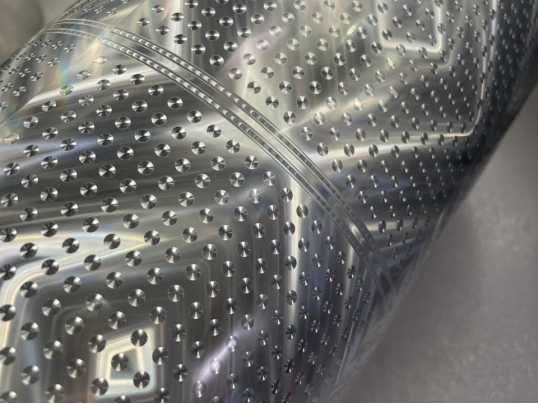
Holographic foil and hot stamping elevate packaging perceived value with consistent optical effects for premium cartons.
2026/10/22
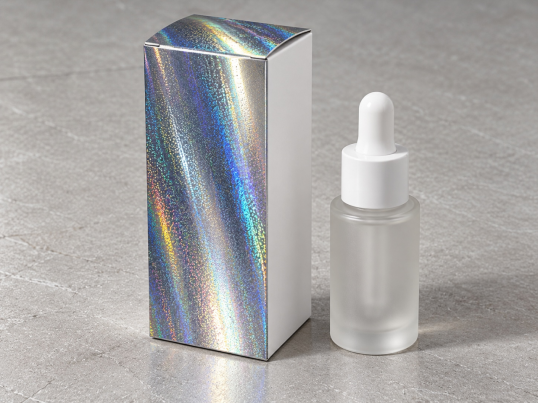
Holographic paper for cosmetic cartons adds light-shifting effects, foil stamping performance, and premium shelf appeal for beauty packaging.