EN
EN

What is the role of laser technology in anti-counterfeiting foil development?
2026/09/11
See how UV and femtosecond lasers write covert codes into anti-counterfeiting foils, plus CO2 demetallization limits and real-time process control.
2026/06/03
2026/06/03
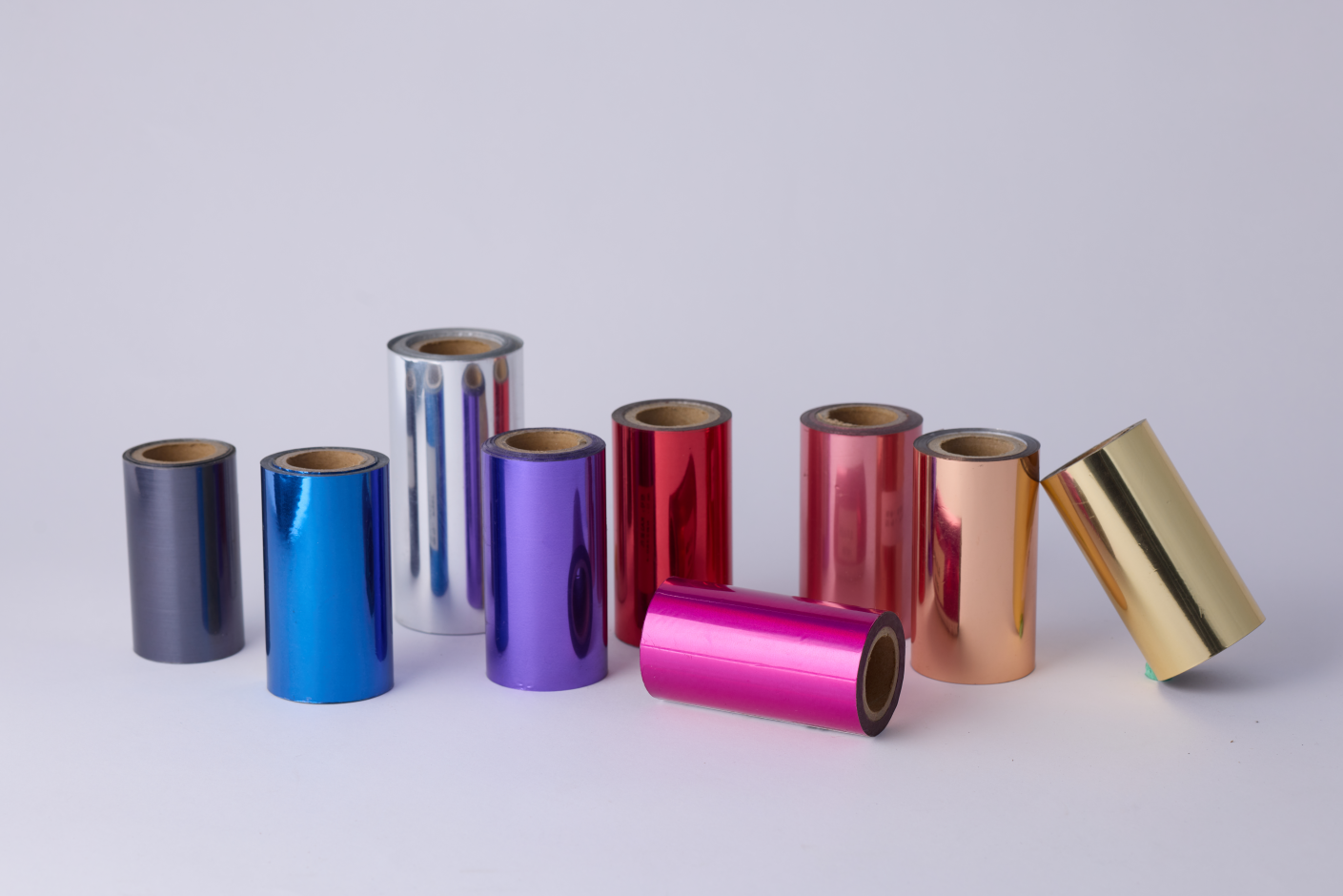
Choosing the right metallization technology is undeniably one of the most pivotal decisions that determines both the visual aesthetic success and overall profit margin of your entire packaging projects. Premium metallic finishing has become a core competitive advantage for modern packaging, label, and brand packaging designs, helping products stand out on crowded retail shelves and elevate brand premium perception. As a professional and leading manufacturer of high-end custom stamping foils, we serve countless packaging converters, label printing enterprises, and global brand owners across food, cosmetics, tobacco, daily chemical, and luxury goods industries. Every day, our technical and sales teams receive a large volume of targeted technical inquiries regarding foil selection, production adaptation, printing compatibility, quality troubleshooting, and compliance certification.
To help industry practitioners efficiently navigate the technical complexities of modern packaging metallization processes, avoid production errors and cost waste, and select the most suitable foil solutions for different project demands, we have systematically sorted and compiled the top 5 most frequently asked technical questions covering three mainstream metallization products: traditional hot stamping foil, flexo cold foil, and precision registered stamping foil. Each question is paired with detailed, practical, production-oriented answers to solve on-site production pain points for our partners.
Q1: What is the main difference between Hot Stamping and Flexo Cold Foiling? Which should I choose?
A: The selection between hot stamping foiling and flexo cold foiling is not based on product quality superiority, but entirely tailored to your actual production conditions, including packaging substrate materials, required production speed, and personalized design and process requirements. Each process has its unique application scenarios and technical advantages, achieving optimal cost performance and finishing effect only when matched with the right project.
Hot Stamping Foil is a mature and classic metallization process with stable and reliable finishing effects. This technology relies on high-precision heated metal dies and stable mechanical physical pressure to accurately transfer the metallic coating layer of the foil onto the packaging surface. It boasts outstanding adaptability to uncoated paper, kraft paper, and various textured special papers, making it the optimal choice for high-end wine labels, gift box packaging, and luxury product outer packaging. A core advantage of hot stamping foil is its compatibility with 3D embossing technology, which can complete metallic transfer and three-dimensional embossing texture molding in a single production pass, realizing layered, stereoscopic metallic finishing that greatly enhances the tactile and visual grade of packaging.
Flexo Cold Foil is an efficient, low-temperature metallization process developed for modern high-speed inline printing production. Different from hot stamping, it requires no heating equipment or custom metal dies, which greatly reduces pre-production die-opening costs and shortens preparation cycles. The process adopts a flexographic printing plate to evenly coat UV-curable adhesive on the preset packaging area, and the metallic foil is firmly bonded to the substrate through the adhesive curing reaction. It is perfectly suitable for heat-sensitive packaging substrates that cannot withstand high temperatures, such as PE and PVC shrink sleeves, plastic film packaging, and thin flexible packaging materials. In terms of production efficiency, cold foil supports high-speed inline continuous production with a maximum speed of 150 meters per minute, which is far more efficient than traditional hot stamping, making it ideal for large-scale web printing and mass packaging production. In addition, if your design requires overprinting CMYK color inks on the metallic surface to create mixed color metallic effects, flexo cold foil is always the superior and more compatible option.
Q2: Can I print CMYK or UV inks directly on top of your stamping foil?
A: Yes, direct overprinting of CMYK and UV inks on our stamping foils is completely feasible and stable in mass production. To meet the diverse creative design needs of brand packaging, we have independently developed and launched specialized overprintable foil (Foil-over-Print) series products, which are professionally customized for surface ink overprinting processes.
Unlike ordinary common foils with smooth and non-absorbent surfaces, our overprintable foils are coated with a specially optimized chemically receptive topcoat on the surface. This functional coating can effectively improve the surface adhesion of various printing inks, avoid ink shedding, blurring, and uneven coloring problems. To guarantee perfect overprinting results and stable mass production consistency, our professional engineers have a key technical recommendation: before formal ink printing, ensure the surface tension of the foil reaches no less than 38 dyn/cm. When matched with qualified compatible UV-cured inks or traditional solvent-based conventional inks, our overprintable foils can stably achieve an ink adhesion rating of 4B or above in the standard ASTM D3359 cross-cut tape test. This excellent ink adhesion performance supports designers to create diverse creative effects, including gradient metallic colors, superposition color matching, and photorealistic pattern printing, realizing unlimited personalized metallic packaging designs.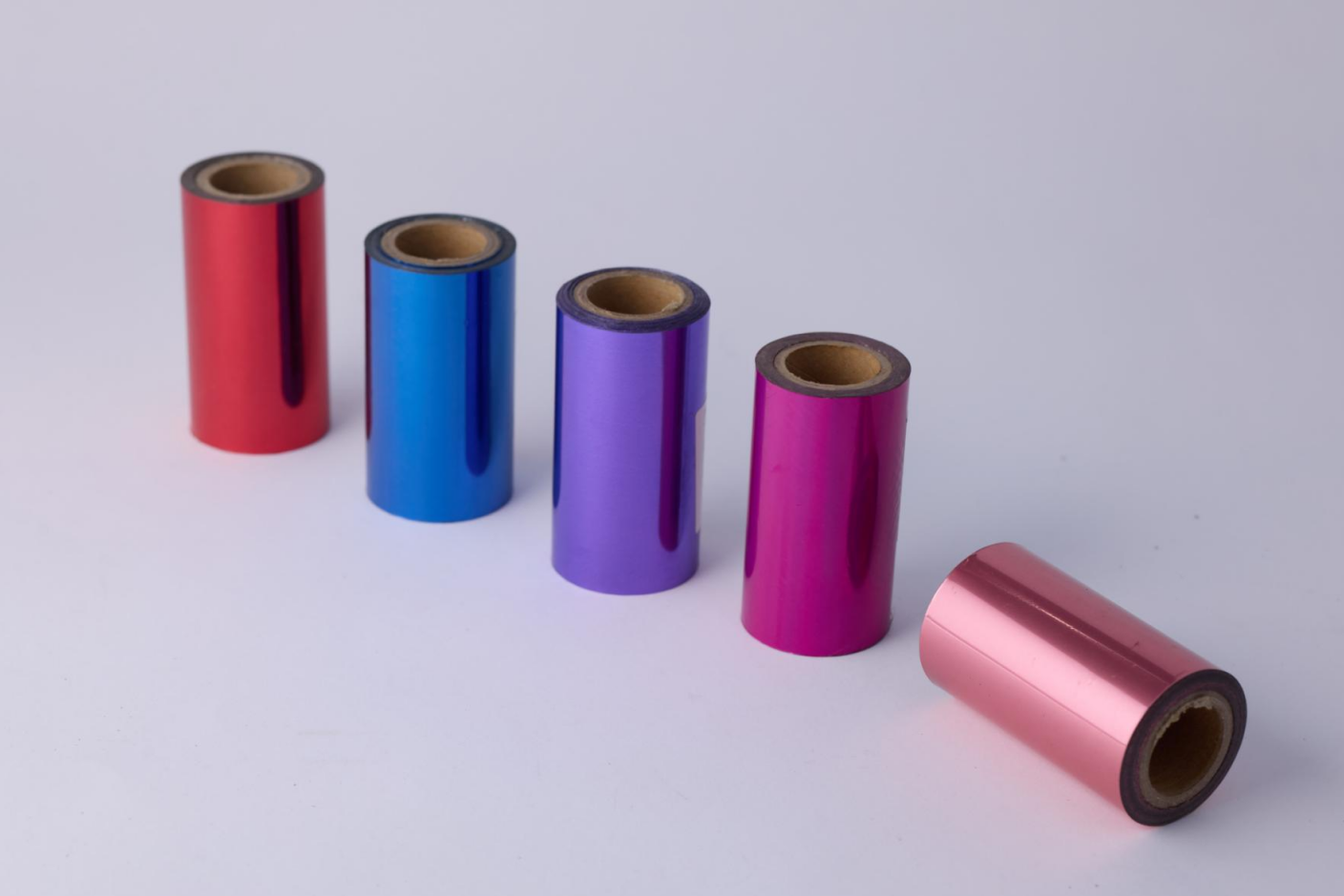
Q3: Why is my cold foil flaking off or showing incomplete transfer during high-speed runs?
A: The common problems of cold foil flaking, peeling, and incomplete and patchy transfer in high-speed continuous production are rarely caused by foil quality itself, but are almost always related to improper UV adhesive use or unscientific curing process parameters. We have summarized a targeted on-site troubleshooting checklist for quick problem-solving in production:
First, check the UV curing energy output. Insufficient curing energy is the primary cause of foil peeling. Our flexo cold foil supports high-speed production and requires a minimum curing energy of 120 mJ/cm². If the UV lamp power is insufficient, the adhesive cannot be fully cured and cross-linked, resulting in weak bonding force between the foil and the substrate. In this case, the foil will easily separate and peel off along with the carrier film during subsequent production and processing.
Second, calibrate the adhesive coating volume by checking the anilox roller parameters. The optimal adhesive coating weight for our cold foil is controlled between 1.5–2.5 g/m². A coating volume lower than the standard range will lead to insufficient local bonding points, causing patchy and incomplete foil transfer; while excessive adhesive will cause lateral sliding of the foil during lamination, resulting in blurred edges and reduced pattern precision, affecting the overall finishing delicacy.
Third, confirm the surface treatment effect of the substrate. For plastic film substrates such as PE and PVC, surface corona treatment is mandatory before cold foil processing. The treated substrate surface tension must reach a minimum standard of 38 dyn/cm to ensure effective combination between the adhesive and the substrate, avoiding foil falling off in the later stage.
Q4: We print packaging for the EU and Tobacco markets. Do your foils meet low-halogen and eco-friendly standards?
A: Absolutely yes. Global environmental protection regulations and market access compliance are always the core priority of our product research and development and production management. We fully understand that tobacco industry packaging and EU export packaging have the most stringent environmental protection and material safety standards in the industry. For this high-standard market demand, we have launched a dedicated low-halogen eco-friendly foil series.
Our professional low-halogen foils specially developed for the tobacco industry fully meet the YC/T 207 industry standard, which is mandatory for domestic and international tobacco packaging. For EU export business, all eco-friendly foil products strictly comply with the international IEC 61249-2-21 low-halogen standard, with chlorine content ≤900ppm, bromine content ≤900ppm, and total halogen content controlled within 1500ppm. At the same time, our products have passed RoHS, REACH and zero-VOC environmental certification, fully meeting global ESG green production requirements. These comprehensive compliance qualifications can effectively help your packaging products smoothly pass customs inspection and market supervision in various regions, eliminating compliance risks for export business.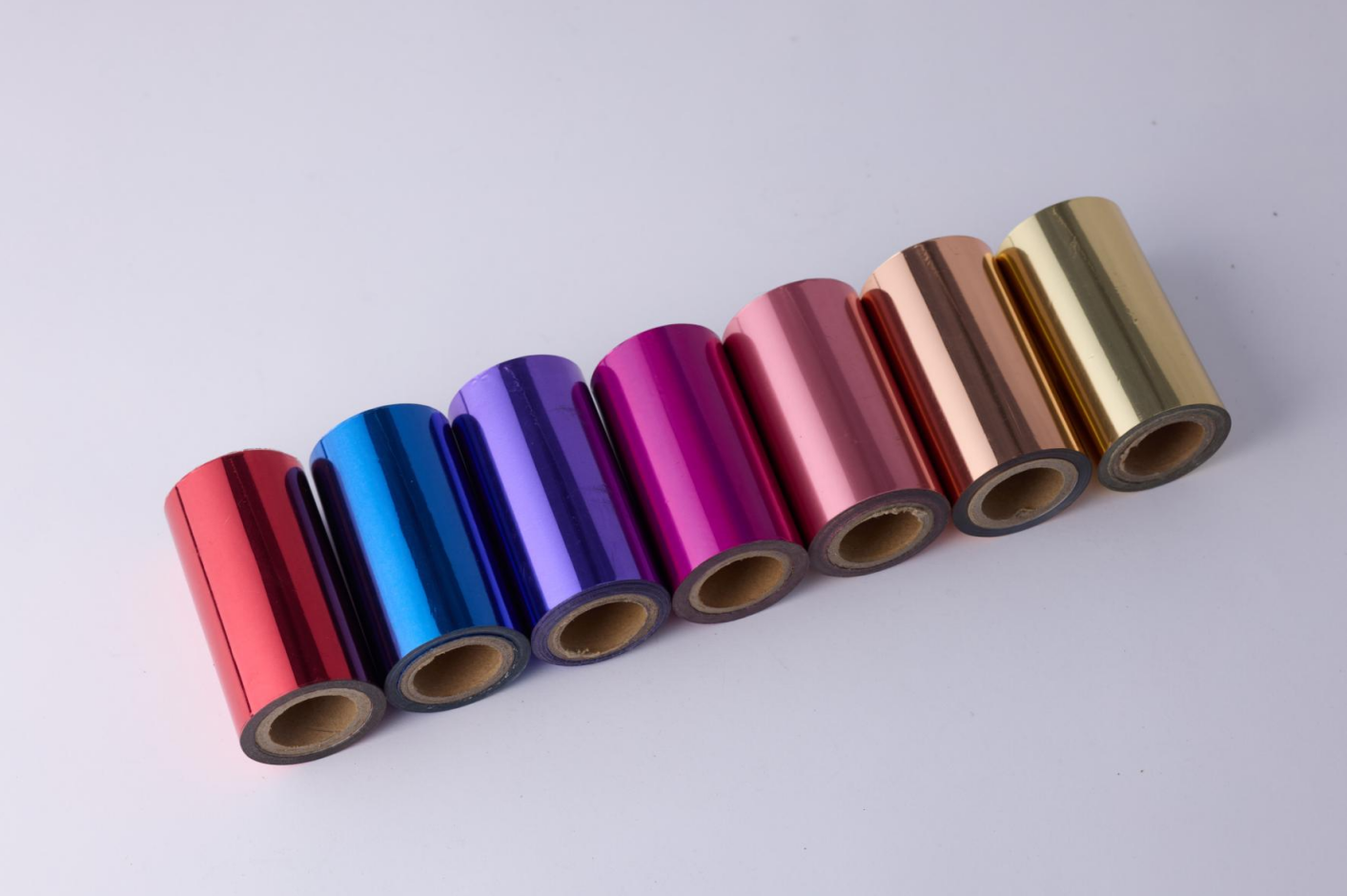
Q5: What is the MOQ and lead time for custom Anti-Counterfeiting Registered Stamping Foil?
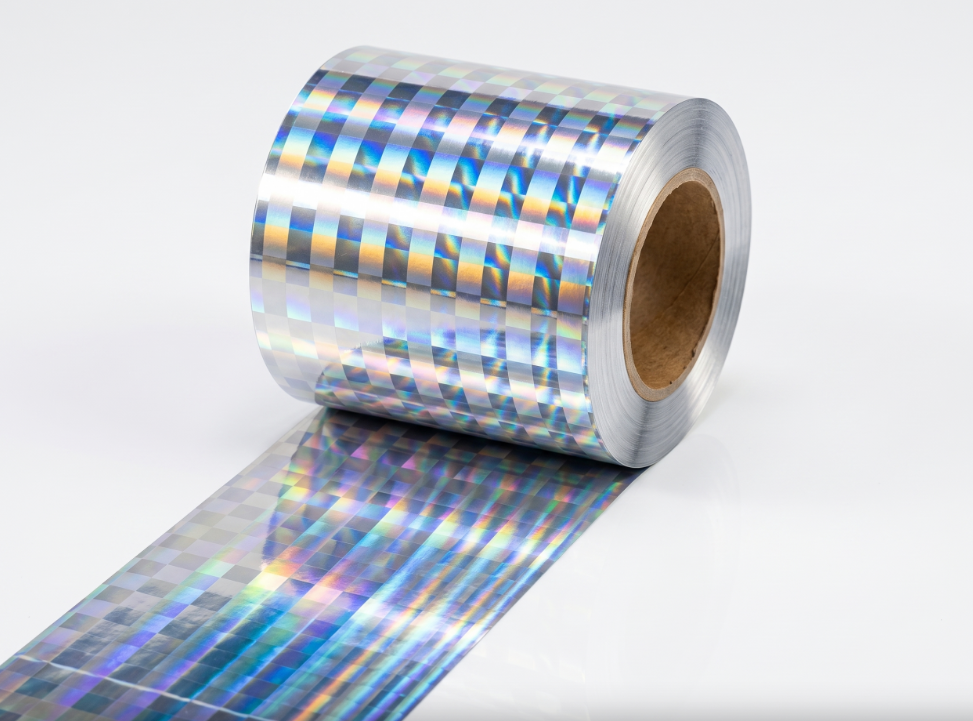
A: Custom anti-counterfeiting registered stamping foil is a high-precision personalized customized product, different from standard conventional foils, as it requires exclusive custom development of optical master plates according to customer brand demands. The customized patterns can include exclusive brand logos, 3D cat-eye optical lenses, micro-text anti-counterfeiting codes and other personalized anti-counterfeiting elements, with unique anti-counterfeiting and brand identification functions.
The whole customization cycle is divided into two core stages: master plate development and mass production. After customers confirm and provide complete vector artwork files (AI/PDF format), the independent optical master plate development cycle is generally 7–10 working days. Once the master plate production is completed and verified to be qualified, the subsequent mass production lead time is about 10–14 working days. In terms of MOQ, due to the fixed cost of custom exclusive master plate development, the minimum order quantity of customized holographic registered anti-counterfeiting foil is higher than that of ordinary standard foils. The specific MOQ is mainly determined by the web width of the product, with a conventional starting order of 5,000 to 10,000 standard rolls. For accurate quotation, customized cycle confirmation and exclusive scheme docking according to your project’s specific size, pattern and order quantity, please contact our professional technical sales team at any time.
2026/09/11
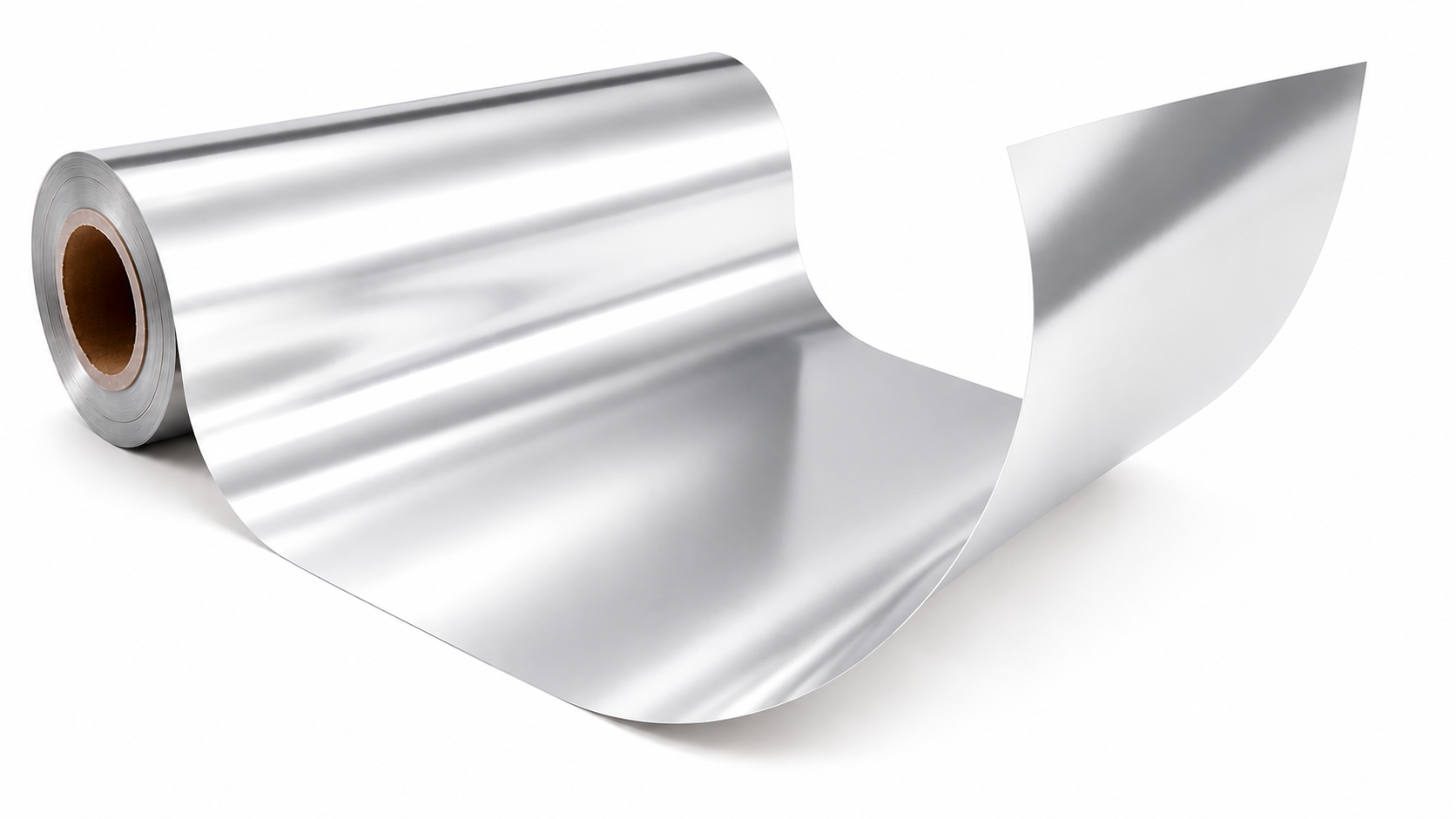
See how UV and femtosecond lasers write covert codes into anti-counterfeiting foils, plus CO2 demetallization limits and real-time process control.
2026/09/11
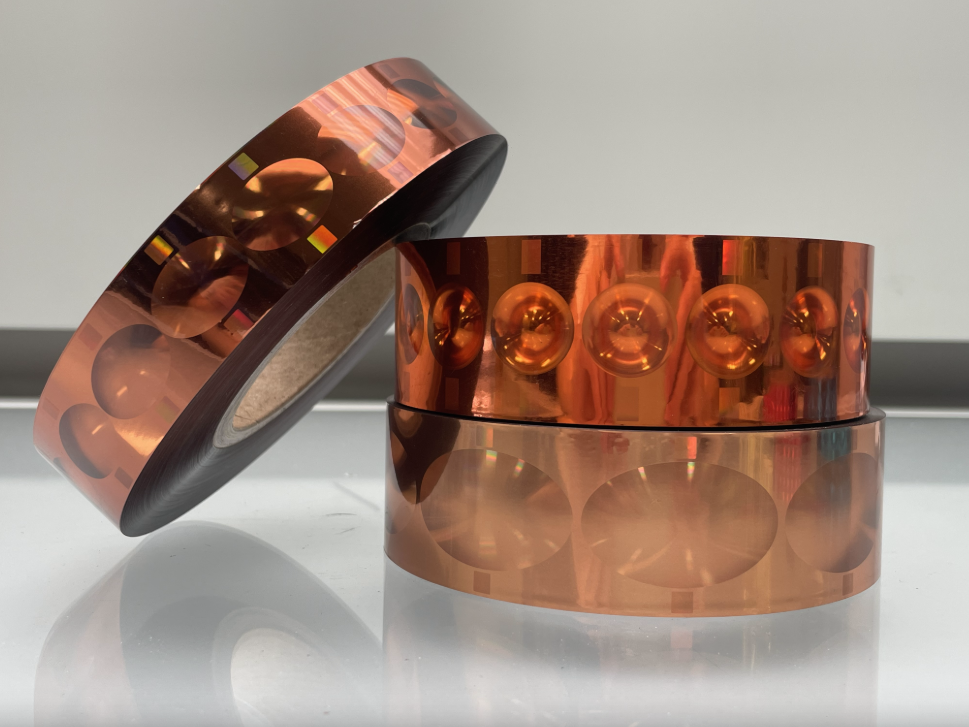
Hologram foil uses electron beam lithography, kinematic holography, dot matrix diffraction, and nanofabrication for secure high-definition packaging.
2026/09/11
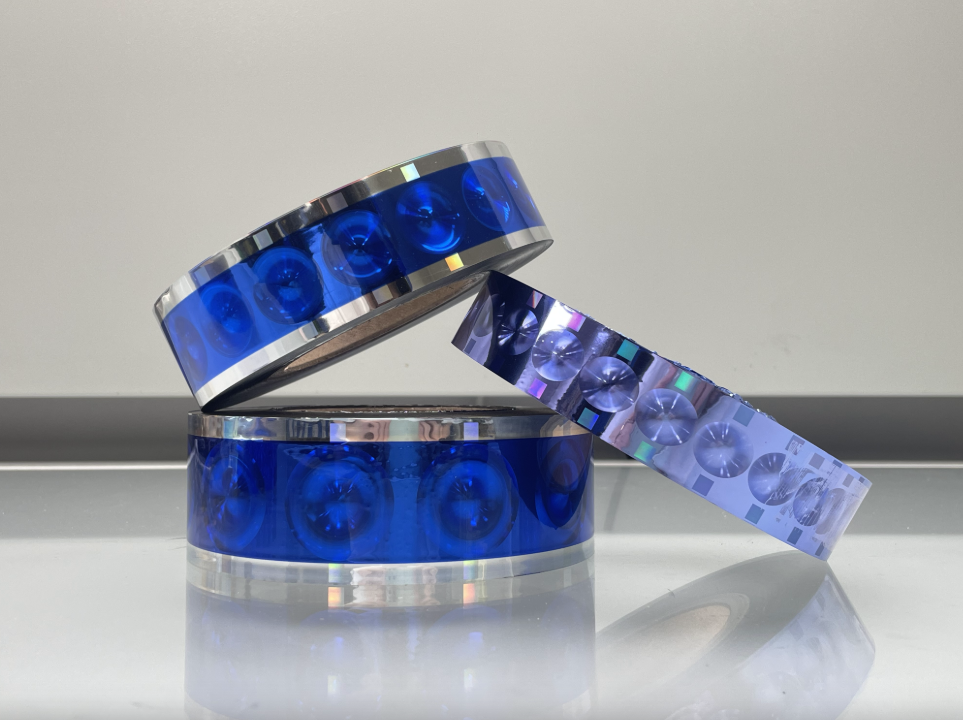
See how light shifts color and motion, adding secure visual effects that resist copying on printed cartons and retail labels for brands worldwide today.
2026/09/11
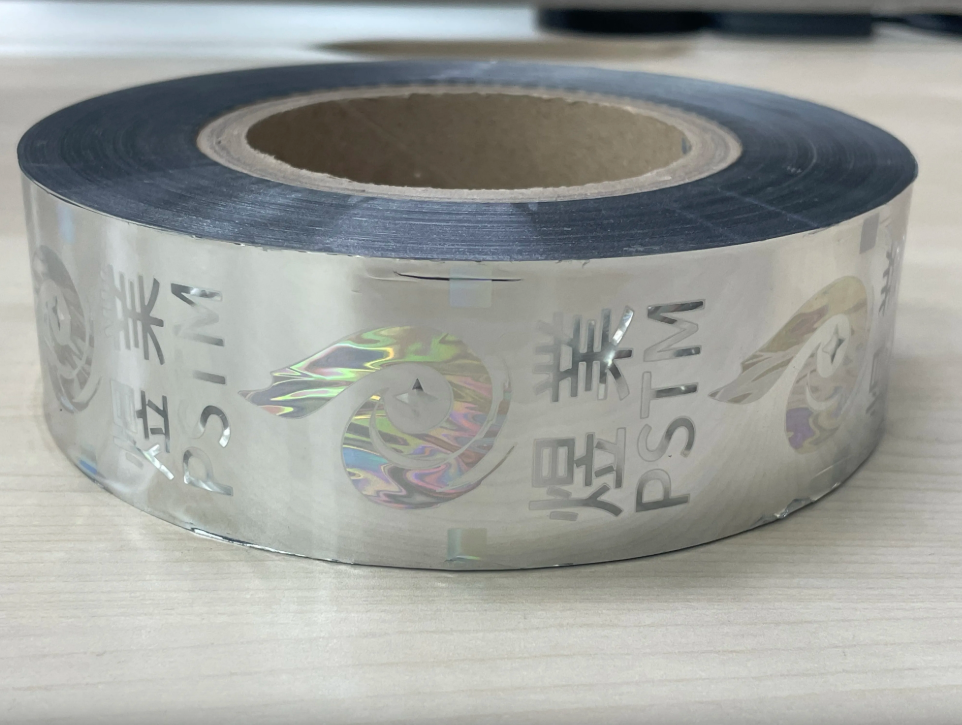
Security holograms and holographic labels add overt protection. Learn optics, foil, design, pitfalls, limits, and fake risks in real world use.
2026/09/11
Learn how metal decoration works without heated dies, plus substrate limits and inline setup costs, quality control and output plans for packaging lines.
2026/09/11
Hot stamping foil uses heated dies; metallic ink prints via a printing process. Compare brilliance, adhesion, rub resistance, cost, substrate for decoration