spot-uv-varnish-effects, spot-uv-varnish-effects, /spot-uv-varnish-effects909
Inquiry
spot-uv-varnish-effects, spot-uv-varnish-effects, /spot-uv-varnish-effects909
spot-uv-varnish-effects, spot-uv-varnish-effects, 
Inquiry

Overprintable Digital Foils for Spot UV

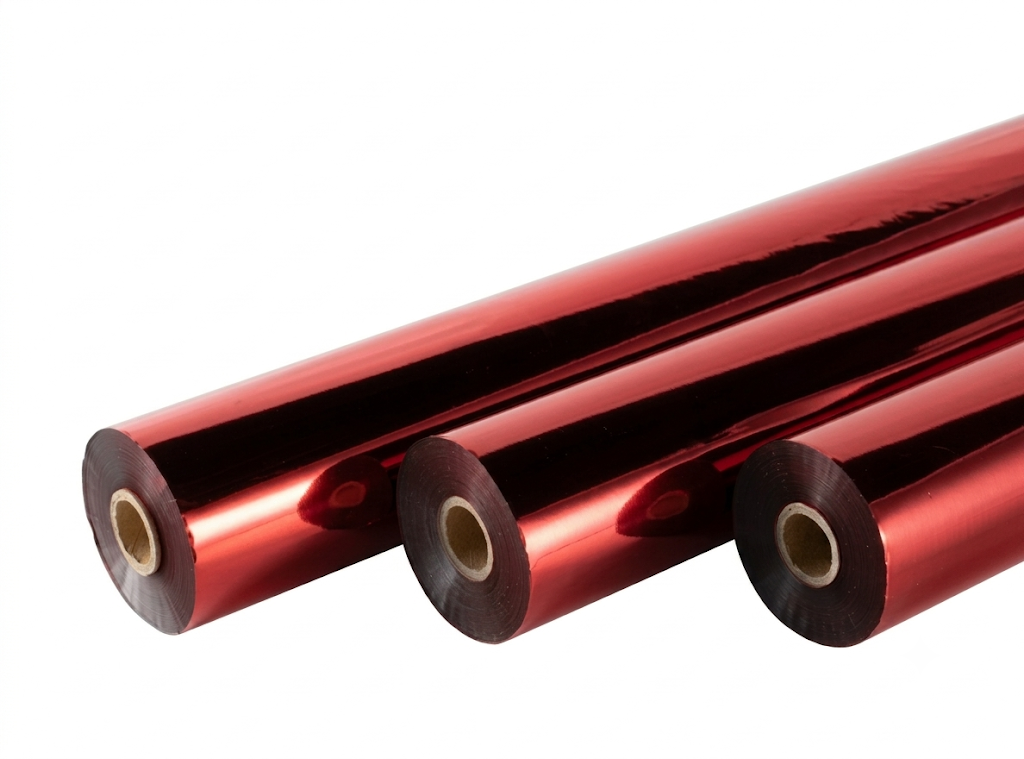
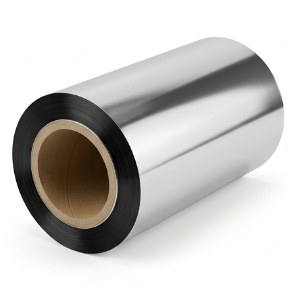
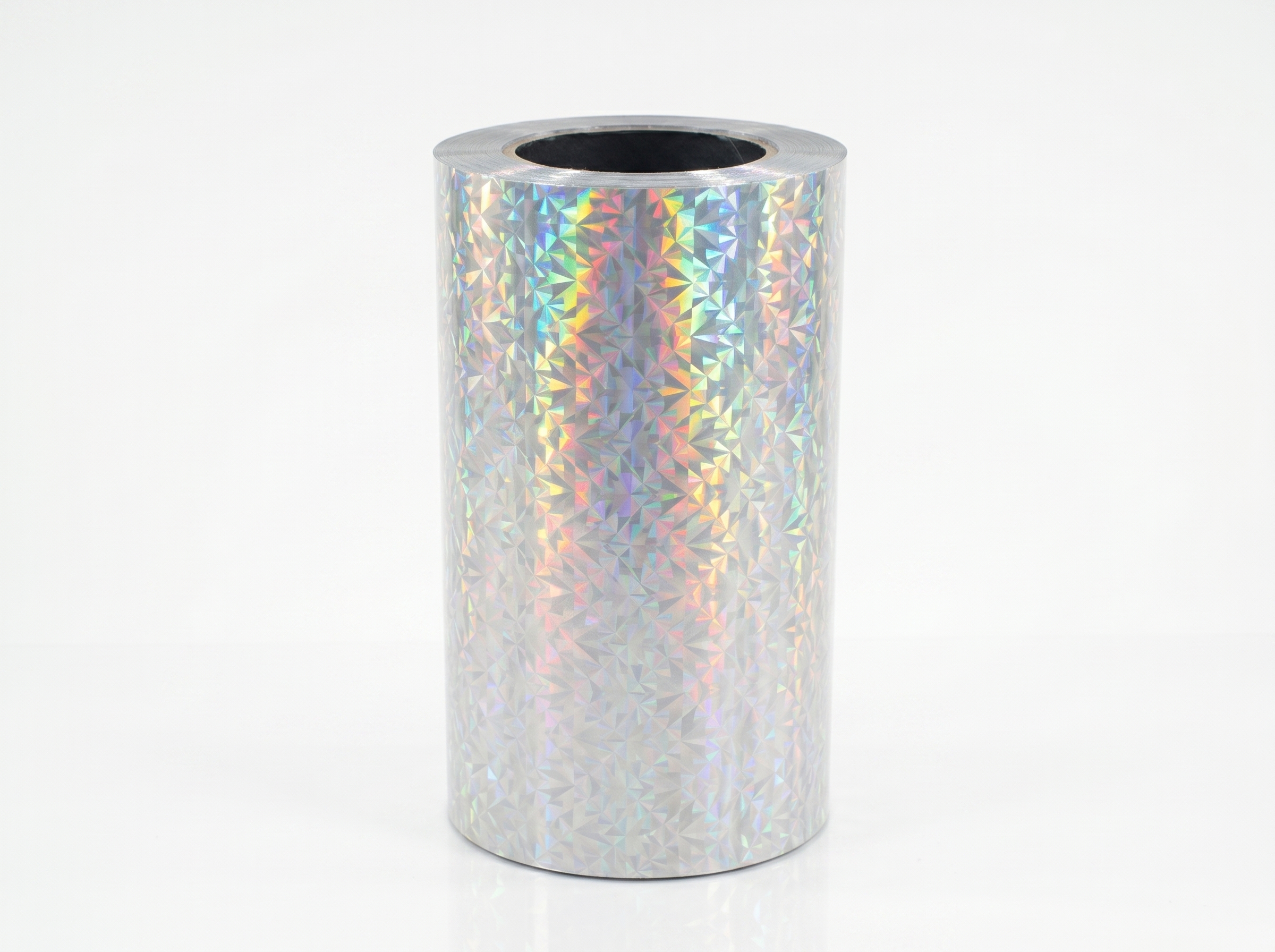
A digital foil surface designed for workflows that add spot UV alongside or over the metallic effect. Designed for digital metallic foil combined with spot UV overprinting, it is matched to the actual substrate, machine, graphic area and downstream converting sequence. Available finishes include Metallic, holographic and selected effect films. Typical applications include short-run packaging, invitations, premium publishing, personalized print, prototypes and limited-edition cartons.

Request a Quote
  • Overview
  • Product Description

Overview

Advantages

A digital foil surface designed for workflows that add spot UV alongside or over the metallic effect. Supports a layered foil-and-spot-UV design; Suitable for integrated digital enhancement; Creates contrast between metallic and clear gloss areas.

Tech Specs & Notes

Digital foil enhancement using a compatible UV adhesive or varnish-based transfer system without a heated stamping die. Machine-specific digital transfer and curing conditions. The foil must match the digital adhesive or varnish system and curing route. Effect height, texture and overprinting depend on the press workflow rather than the foil alone.

Markets

Short-run packaging, invitations, premium publishing, personalized print, prototypes and limited-edition cartons

Substrates

BOPP- or PET-laminated paper, coated board, specialty card and compatible synthetic paper

Storage

Store sealed in the original packaging, away from direct sunlight, heat and humidity. Recommended storage is 5-35°C. Use within 12 months from shipment and keep long rolls supported horizontally.

Product Description

Product Brief

Overprintable Digital Foils for Spot UV are designed for integrated digital enhancement workflows where a metallic foil image is followed by a high-build, crystal-clear spot UV varnish beside or directly over the foil. The foil surface is formulated to support compatible UV varnish adhesion, allowing one piece to combine metallic reflection, raised gloss and sharply defined transparent detail. This creates a layered visual and tactile contrast for premium printed products without a conventional hot-stamping die.

Technical Specifications & Parameters

Parameter Attribute Technical Specification / Production Value
Product Category UV-overprintable foil for digital enhancement
Application Method Digital metallic transfer followed by registered spot UV varnish
Visual Effect Metallic base with clear high-gloss, high-build or localized UV detail
Suitable Substrates Compatible laminated paper, with matte laminate commonly preferred
Overprint Requirement UV-overprintable foil topcoat matched to the selected varnish
Registration Digital file alignment between foil and spot UV layers
Critical Control Varnish wetting, adhesion, complete curing and controlled build height
Storage Sealed, cool and dry; avoid heat, humidity and pressure damage

Detailed Product Description

The workflow normally begins with a digital adhesive or varnish image that receives metallic foil. A second digital layer then places clear spot UV next to the metal, over selected parts of it, or as a raised border. The metallic base supplies reflection while the clear varnish creates gloss, depth and tactile separation. A standard foil may allow the varnish to bead, shrink back or flake because its surface was not designed for UV overprinting. This product uses an overprintable surface that improves varnish wetting and anchorage, but the final result still depends on the exact varnish chemistry, curing energy, layer thickness and cleanliness of the foil surface.

Key Product Features

  • Combines metallic digital transfer with registered clear spot UV effects.
  • Overprintable topcoat supports compatible high-build UV varnish adhesion.
  • Creates gloss-versus-metal contrast and multi-level tactile decoration.
  • Plate-free workflow supports short runs, versioning and fast design changes.
  • Suitable for premium print where foil and varnish must align precisely.

Process and Material Matching

Build separate foil and spot UV layers in the artwork and define where the varnish overlaps the metal. Prepare a clean, stable laminated substrate and confirm adhesion of the first digital layer. Transfer the foil with complete coverage and sharp edges. Before applying spot UV, keep the metallic surface free from dust, silicone, oil and handling contamination. Match the varnish to the foil topcoat, control layer thickness and use sufficient curing energy to reach full hardness without yellowing or cracking. Inspect the overlap edge at magnification and test cross-hatch adhesion, rub and flex. If the piece will be folded, avoid excessive varnish build on fold lines unless the complete construction has passed a crease test.

Primary Industrial Applications

Typical applications include premium hardcover sleeves, real-estate brochures, commercial bid documents, cosmetic cartons, luxury invitations, presentation folders and high-end short-run packaging. The process is particularly effective for metallic logos with clear raised borders, foil areas containing transparent gloss detail, or designs that contrast a matte laminated background with both metal and high-gloss UV. It should be selected where the second UV layer adds clear design value rather than being used as a generic protective coating.

Project Selection and Purchasing Information

Provide the digital enhancement equipment, foil-transfer adhesive or varnish, spot UV varnish, substrate and laminate, foil color, target UV height, artwork and final finishing sequence. Identify whether the UV sits beside, partially overlaps or fully covers the foil. Include maximum build, smallest feature and fold-line areas in the sample. Approve adhesion after full curing and after the product has rested, because immediate handling alone may not reveal later flaking.

Quality, Handling and Storage

Keep the rolls sealed in the original packaging and store them in a cool, dry area away from direct sunlight, heat, moisture and dust. Support long rolls horizontally and avoid impact on the roll edges. Allow material to acclimate to the production area before opening when the storage and press-room conditions differ significantly. Inspect metallic coverage, spot UV registration, wetting, gloss, clarity, curing, cross-hatch adhesion, rub resistance and fold performance. Keep the approved foil and varnish references together; substituting either material requires a new compatibility check.

Frequently Asked Questions (FAQ)

Why is an overprintable foil required?
A standard foil surface may not allow high-build UV varnish to wet or anchor reliably. The overprintable topcoat is designed for this second layer.

Can spot UV cover the whole metallic area?
It can when the artwork and varnish are compatible, but a full-cover trial is required because gloss, color and adhesion can change with layer thickness.

What causes spot UV to flake from the foil?
Common causes include an incompatible foil topcoat, surface contamination, incomplete curing, excessive build or poor varnish wetting.

Is matte lamination required?
Not always, but a compatible matte laminate often provides strong visual contrast and a stable background. Test the actual laminate used in production.

What must be included in the approval sample?
Include foil coverage, the maximum UV build, the smallest overlap detail, curing, rub, cross-hatch adhesion and any folding or creasing step.

Commercial Specification Checklist

  • Confirm the exact product construction, color or optical pattern and approved sample.
  • Provide substrate, surface treatment, equipment, artwork and graphic-area information.
  • Record the validated production sequence, process settings and downstream finishing route.
  • Approve appearance, adhesion and handling performance on the final converted product.
  • Use the approved order reference for repeat production and review any material substitution.

Overprintable Digital Foils for Spot UV

A digital foil surface designed for workflows that add spot UV alongside or over the metallic effect. Designed for digital metallic foil combined with spot UV overprinting, it is matched to the actual substrate, machine, graphic area and downstream converting sequence. Available finishes include Metallic, holographic and selected effect films. Typical applications include short-run packaging, invitations, premium publishing, personalized print, prototypes and limited-edition cartons.

Request a Quote
spot uv varnish effects-2

Get a Free Quote

Our representative will contact you soon.
Email
Name
Company Name
Message
0/1000