random-pattern-security-holographic-cold-foils, random-pattern-security-holographic-cold-foils, /random-pattern-security-holographic-cold-foils824
Inquiry
random-pattern-security-holographic-cold-foils, random-pattern-security-holographic-cold-foils, /random-pattern-security-holographic-cold-foils824
random-pattern-security-holographic-cold-foils, random-pattern-security-holographic-cold-foils, 
Inquiry

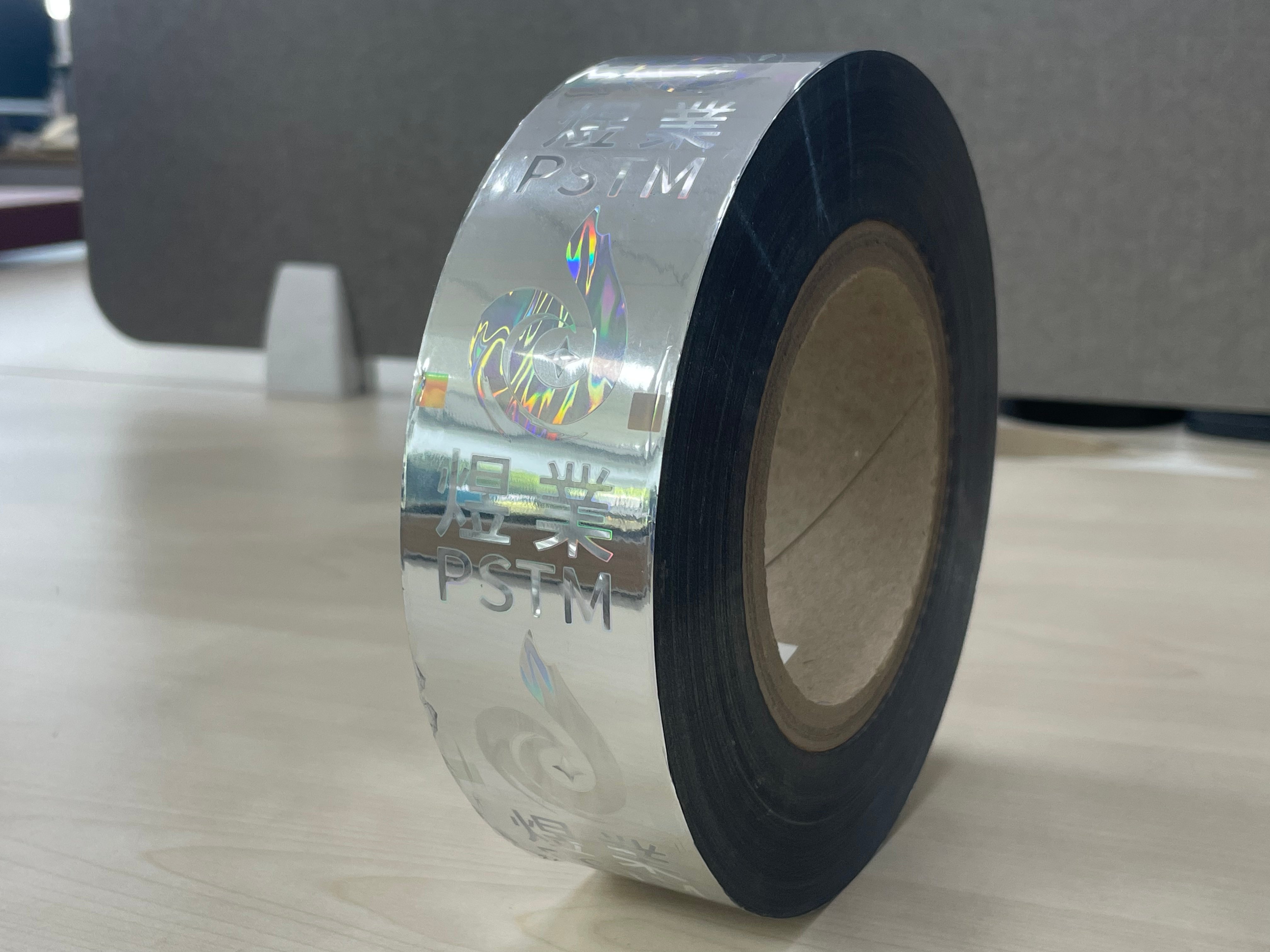
Random-Pattern Security Holographic Cold Foils

A flexo cold foil using random holographic security patterns for labels and narrow-web packaging. Designed for random-pattern security effects in flexo cold foiling, it is matched to the actual substrate, machine, graphic area and downstream converting sequence. Available finishes include Holographic gold, silver, colored optical effects and custom registered patterns. Typical applications include premium labels, cosmetics, spirits, personal-care packaging, brand-protection labels and security-oriented narrow-web print.

Request a Quote
  • Overview
  • Product Description

Overview

Advantages

A flexo cold foil using random holographic security patterns for labels and narrow-web packaging. Random optical security pattern; Inline cold foil production; Suitable for labels that need decorative authentication cues without fixed registration.

Tech Specs & Notes

Registered flexo cold foiling with UV adhesive, optical-sensor tracking and repeat control. No heated die is required; curing, web tension and registration control determine transfer. Web tension, sensor mark and foil repeat must remain synchronized. Adhesive and curing settings are matched to the selected substrate.

Markets

Premium labels, cosmetics, spirits, personal-care packaging, brand-protection labels and security-oriented narrow-web print

Substrates

Coated label paper, compatible films and non-absorbent label structures used in flexo cold foiling

Storage

Store sealed in the original packaging, away from direct sunlight, heat and humidity. Recommended storage is 5-35°C. Use within 12 months from shipment and keep long rolls supported horizontally.

Product Description

Product Brief

Random-Pattern Security Holographic Cold Foils apply continuous optical variation to labels and narrow-web packaging. The DC3 route is intended for projects that need a recognizable security-oriented visual cue without aligning one fixed holographic image to each label. A random pattern holographic foil distributes the effect across the transferred area, which simplifies artwork placement compared with registered logo or cat-eye structures.

The security hologram cold foil is transferred with a UV-curable adhesive in an inline flexographic process. Pattern continuity does not remove the need for press control: adhesive laydown, curing, nip pressure, web tension and the receiving surface still determine edge definition, brightness and bond strength.

Technical Specifications & Parameters

Parameter Attribute Technical Specification / Production Value
Product Category DC3 random-pattern security holographic cold foil
Application Method Inline flexographic cold foiling with UV-curable adhesive
Pattern Control Continuous random optical pattern; no fixed-position holographic image registration
Processing Range No heated die; transfer controlled by adhesive, curing, nip and web tension
Production Speed Set according to curing stability, label material and graphic coverage
Carrier / Film PET carrier for narrow-web cold foil transfer
Width / Roll Format Specified to the press web and project requirement; custom slitting available
Available Finishes Selected holographic colors and random security-oriented optical patterns
Suitable Substrates Coated label paper, compatible films and non-absorbent label structures
Storage Store sealed away from sunlight, heat and humidity at 5-35°C; use within 12 months and support long rolls horizontally

Random pattern and registered hologram solve different jobs

A registered hologram places a defined image, logo or lens at a controlled repeat. It requires the foil repeat, sensor mark, artwork and die-cut position to remain synchronized. A random pattern holographic foil has no fixed-position image to align. The converter transfers the selected area through the adhesive artwork while the optical variation continues across the web.

This makes the security hologram cold foil suitable for bands, panels, seals, backgrounds and decorative authentication cues where exact motif placement is unnecessary. It should not be presented as a substitute for a registered security image when the customer's verification method depends on a fixed logo, microtext location or controlled lens position.

Build the security cue around the label hierarchy

The optical effect should be visible enough to support quick inspection but not so dense that it obscures product information. Place strong random-pattern areas away from barcodes, small text and transparent windows. For a multi-layer design, decide whether the pattern sits beside the print, over a base color or under a qualified varnish.

Use a physical pattern sample at the actual label scale. A broad pattern seen on a roll can appear sparse on a small seal, while a fine pattern can become visually busy on a large panel. The random pattern holographic foil code and approved master sample should remain attached to the order so a visually different stock pattern is not substituted later.

Stabilize transfer before increasing line speed

Cold-foil quality begins with a uniform adhesive image. Incomplete solids, broken edges and dull diffraction often point to adhesive film variation, insufficient cure, unstable nip or a surface that does not wet consistently. Establish complete transfer at a controlled speed, then increase speed while monitoring cure and web behavior.

Film labels may require corona or other qualified treatment; coated paper and synthetic stocks still need a clean, fully cured surface. Test the exact ink and coating stack. A holographic cold foil that transfers on an unprinted film can behave differently over a dense ink, varnish or low-energy topcoat.

Define what the security feature is expected to do

Random optical variation supports visual differentiation and a recognizable decorative security cue. It does not by itself provide serialization, track-and-trace or a registered brand image. State whether the customer's objective is shelf impact, tamper-evident label design, quick visual comparison or a layer within a broader anti-counterfeiting system.

For production approval, test rub, tape, moisture, alcohol exposure and finishing operations that match the label's use. Keep the approved security hologram cold foil pattern, substrate, adhesive, curing recipe and finishing sequence together. Verification depends on repeating the complete construction, not only ordering another holographic roll.

Key Product Features

  • Continuous random optical pattern with no fixed-position image requirement
  • Inline UV flexo cold-foil application for narrow-web production
  • Security-oriented visual differentiation for labels and packaging
  • Pattern options selected against label scale and inspection purpose
  • Project slitting and roll formats for qualified presses

Frequently Asked Questions (FAQ)

Q1: Does random pattern cold foil require a registration sensor?

A1: Not for aligning a fixed holographic image. Normal print-to-foil and die-cut registration still must be controlled by the press workflow.

Q2: Is it the same as a registered custom hologram?

A2: No. A registered hologram repeats a defined image at a controlled position. Random pattern foil provides continuous optical variation without that fixed motif.

Q3: Which substrates are suitable?

A3: Coated label paper, compatible films and non-absorbent label structures can be evaluated with the selected adhesive and surface treatment.

Q4: What should be approved for repeat orders?

A4: Retain the pattern code and master sample together with substrate, adhesive, curing, web width, winding and finishing details.

Random-Pattern Security Holographic Cold Foils

A flexo cold foil using random holographic security patterns for labels and narrow-web packaging. Designed for random-pattern security effects in flexo cold foiling, it is matched to the actual substrate, machine, graphic area and downstream converting sequence. Available finishes include Holographic gold, silver, colored optical effects and custom registered patterns. Typical applications include premium labels, cosmetics, spirits, personal-care packaging, brand-protection labels and security-oriented narrow-web print.

Request a Quote
random pattern security holographic cold foils-2

Get a Free Quote

Our representative will contact you soon.
Email
Name
Company Name
Message
0/1000