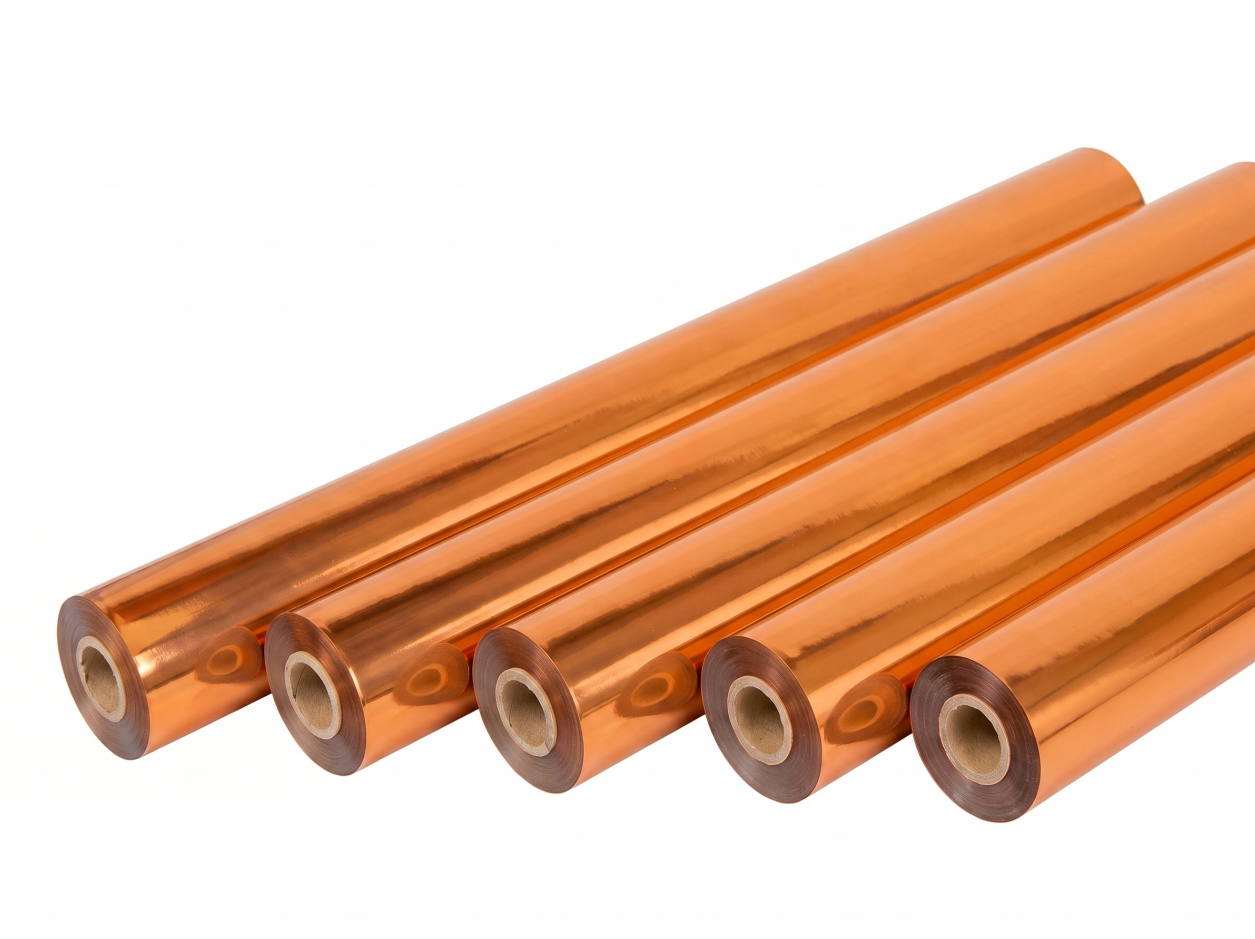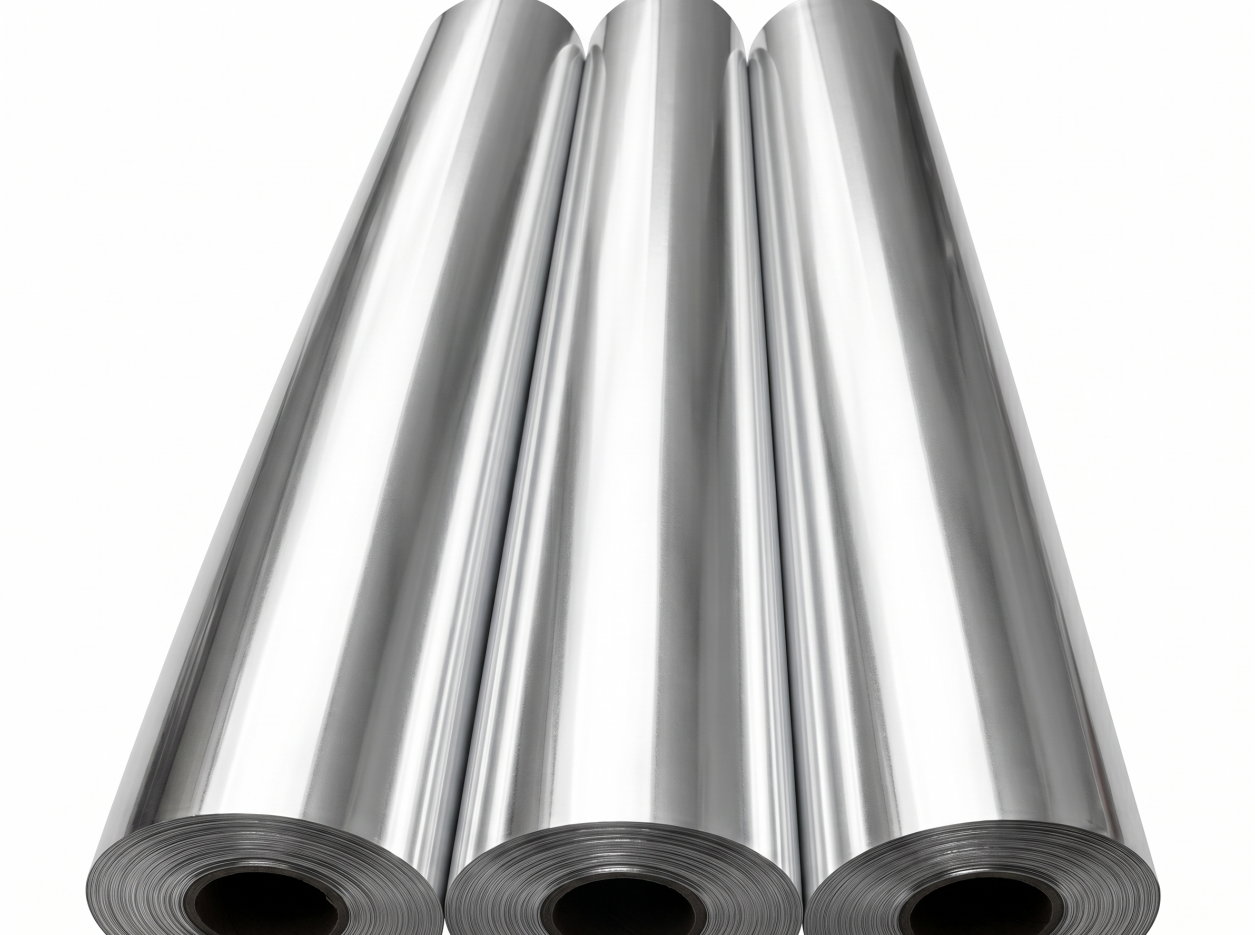
A digital foil route that follows a raised UV adhesive or varnish layer to create tactile metallic relief. Designed for tactile raised metallic decoration in digital workflows, it is matched to the actual substrate, machine, graphic area and downstream converting sequence. Available finishes include Metallic, holographic and selected effect films. Typical applications include short-run packaging, invitations, premium publishing, personalized print, prototypes and limited-edition cartons.
A digital foil route that follows a raised UV adhesive or varnish layer to create tactile metallic relief. Raised tactile metallic effect; No dedicated metal embossing die; Suitable for short runs, prototypes and variable designs.
Digital foil enhancement using a compatible UV adhesive or varnish-based transfer system without a heated stamping die. Machine-specific digital transfer and curing conditions. The foil must match the digital adhesive or varnish system and curing route. Effect height, texture and overprinting depend on the press workflow rather than the foil alone.
Short-run packaging, invitations, premium publishing, personalized print, prototypes and limited-edition cartons
BOPP- or PET-laminated paper, coated board, specialty card and compatible synthetic paper
Store sealed in the original packaging, away from direct sunlight, heat and humidity. Recommended storage is 5-35°C. Use within 12 months from shipment and keep long rolls supported horizontally.
Raised-Effect Digital Foils are designed for plate-free digital enhancement systems that build a three-dimensional UV varnish image and then transfer metallic foil onto that raised structure. The process creates tactile metallic text, variable graphics and localized relief without a conventional metal embossing die. Compatible workflows include digital enhancement equipment such as MGI and Scodix configurations, subject to machine and consumable matching. Relief height can be adjusted through the varnish build, allowing prototypes, short runs and variable-data packaging to combine metallic reflection with a clearly perceptible raised surface.
| Parameter Attribute | Technical Specification / Production Value |
|---|---|
| Product Category | Raised-effect digital foil for UV-varnish-based enhancement |
| Application Method | Digital UV varnish build followed by foil transfer |
| Relief Range | Approximately 20-250 micrometers according to equipment and artwork |
| Color Options | Gold, silver, rose gold, holographic and selected custom effects |
| Suitable Substrates | BOPP matte-laminated paper and compatible specialty card |
| Production Value | Plate-free short runs and variable-data metallic decoration |
| Critical Control | Complete varnish curing, accurate foil release and stable web/sheet handling |
| Storage | Store vertically where specified and protect from heavy pressure and heat |
The raised effect is produced by the digital varnish profile rather than by the foil itself. The equipment jets and cures a controlled volume of UV varnish in the target image, building height in one or more passes. The foil then transfers to the raised varnish surface and follows its contour. This allows one file to contain names, serial numbers, personalized patterns or changing graphics without manufacturing a new die for each version. A low build creates refined tactile detail, while a higher build produces a strong sculpted effect. The attainable height, edge profile and fine-line resolution depend on the machine, varnish, substrate flatness, artwork and curing condition.
Prepare artwork with separate varnish and foil layers and avoid unsupported isolated pixels or abrupt height changes that the selected machine cannot reproduce. The substrate should be flat, clean and dimensionally stable. Matte-laminated paper often provides a controlled background, but the exact laminate must be tested for varnish anchorage. Cure the varnish completely before foil transfer; under-cured varnish can deform, contaminate the foil or cause poor release. Control sheet transport or web tension so the raised image reaches the foil unit without scuffing. After transfer, check edge definition, relief height, metallic continuity and resistance to handling. If the piece will be creased or folded, keep high-build elements away from critical fold lines unless the finished construction has been validated.
Common uses include limited-edition gift boxes, VIP invitations, trading-card and blind-box prototypes, premium book covers, cosmetic packaging, promotional names and serialized short-run products. The process is especially valuable where each piece changes or where a conventional metal die would be too slow or expensive. For very long runs with one fixed design, traditional embossing and hot stamping may remain more economical, so order volume and change frequency should be considered during process selection.
Provide the digital enhancement machine, varnish type, target relief height, substrate and laminate, artwork, foil color, minimum line size, variable-data requirement and final finishing route. A test file should include representative fine lines, solid areas, gradients and the maximum intended height. Approve the sample by touch as well as appearance. Record the machine mode, varnish build, curing setting and foil reference for repeat production.
Keep the rolls sealed in the original packaging and store them in a cool, dry area away from direct sunlight, heat, moisture and dust. Support long rolls horizontally and avoid impact on the roll edges. Allow material to acclimate to the production area before opening when the storage and press-room conditions differ significantly. Inspect varnish anchorage, relief height, edge shape, foil coverage, release cleanliness, abrasion and fold performance. High relief can be more exposed to scuffing, so packaging, stacking pressure and downstream transport should be included in the approval test.
Does the foil itself create the raised height?
No. The digital UV varnish builds the relief, and the foil transfers onto that three-dimensional varnish surface.
Can every design reach 250 micrometers?
No. Maximum height depends on equipment, varnish, feature size, substrate and curing. Fine details may require a lower build for clean edges.
Is a metal embossing die required?
No conventional embossing die is required for this digital route, which makes it suitable for short runs and variable artwork.
Why does foil fail on the raised edges?
Possible causes include incomplete varnish curing, excessive height, sharp unsupported geometry, poor release matching or unstable sheet transport.
What should be included in the press test?
Use the production substrate, laminate, varnish, maximum height, fine details, solid areas, foil color and downstream folding or cutting steps.
A digital foil route that follows a raised UV adhesive or varnish layer to create tactile metallic relief. Designed for tactile raised metallic decoration in digital workflows, it is matched to the actual substrate, machine, graphic area and downstream converting sequence. Available finishes include Metallic, holographic and selected effect films. Typical applications include short-run packaging, invitations, premium publishing, personalized print, prototypes and limited-edition cartons.