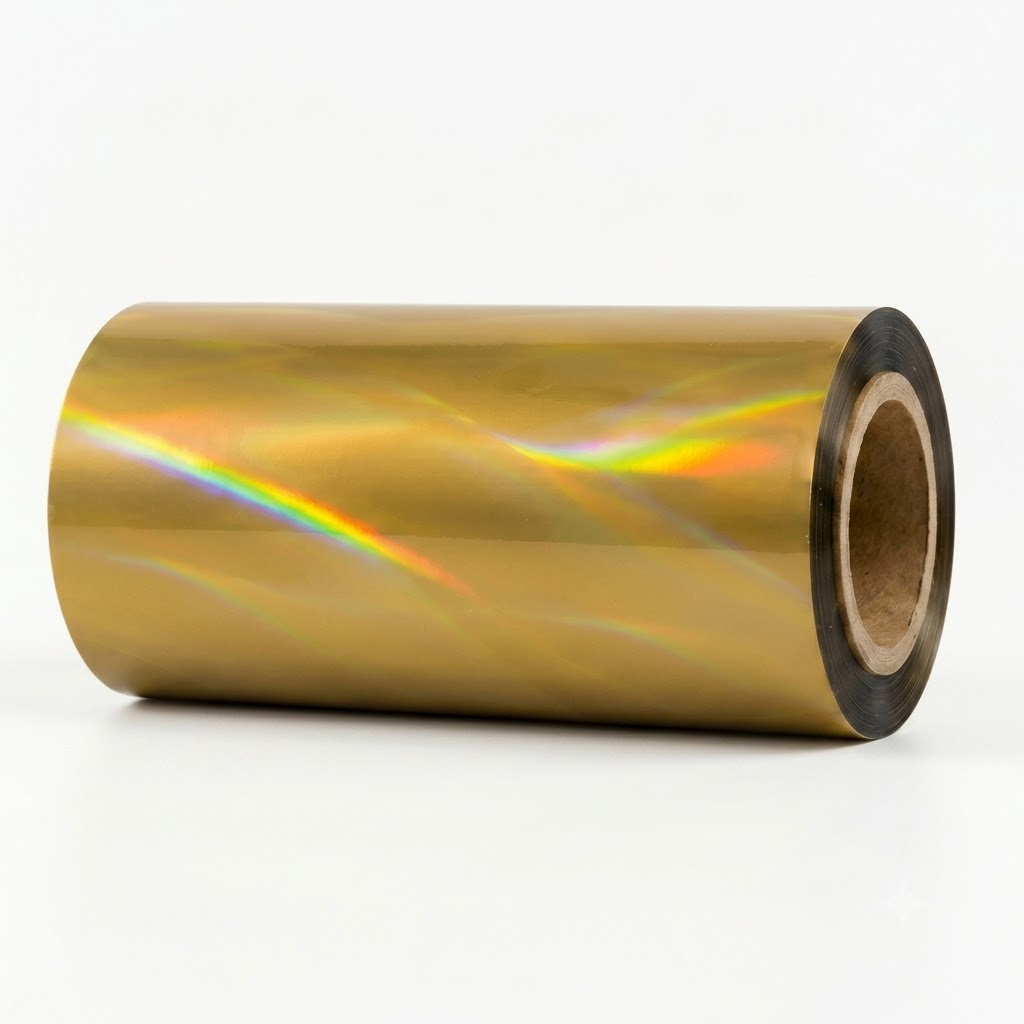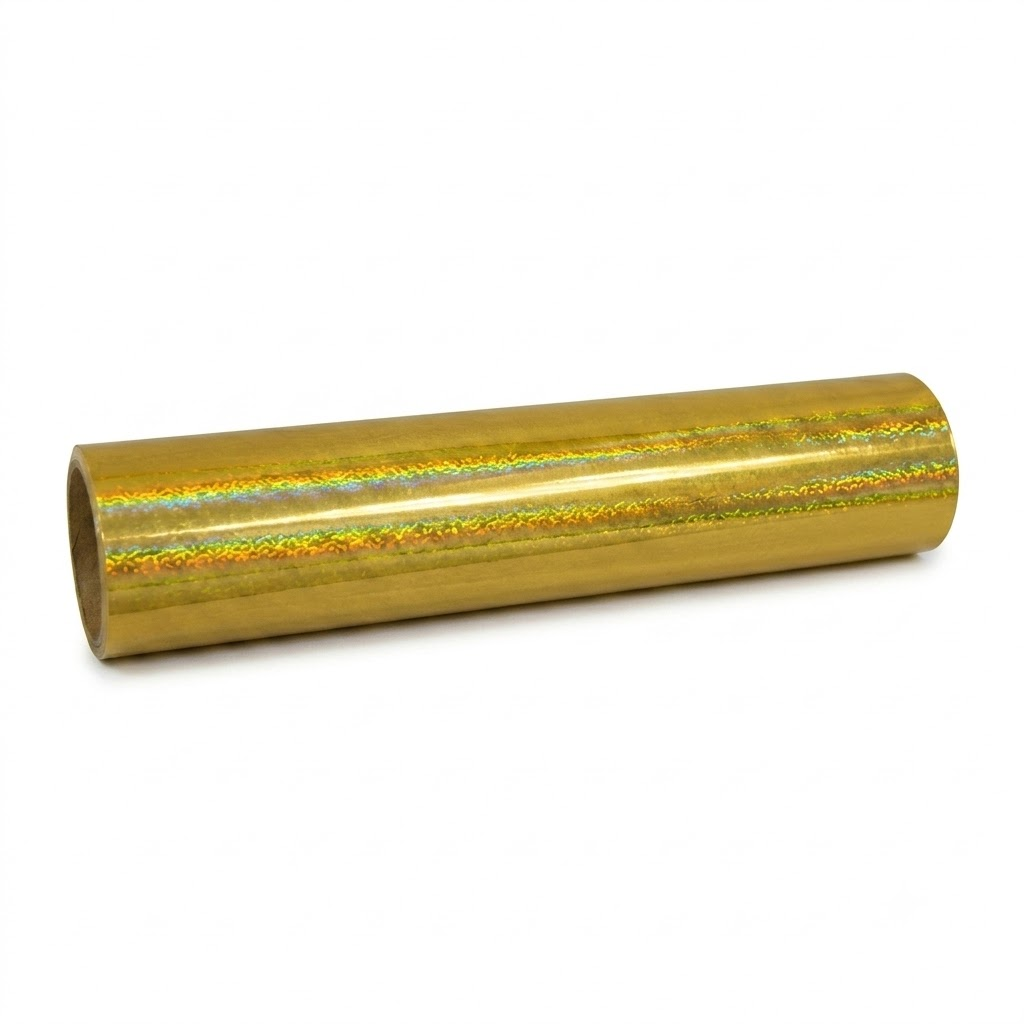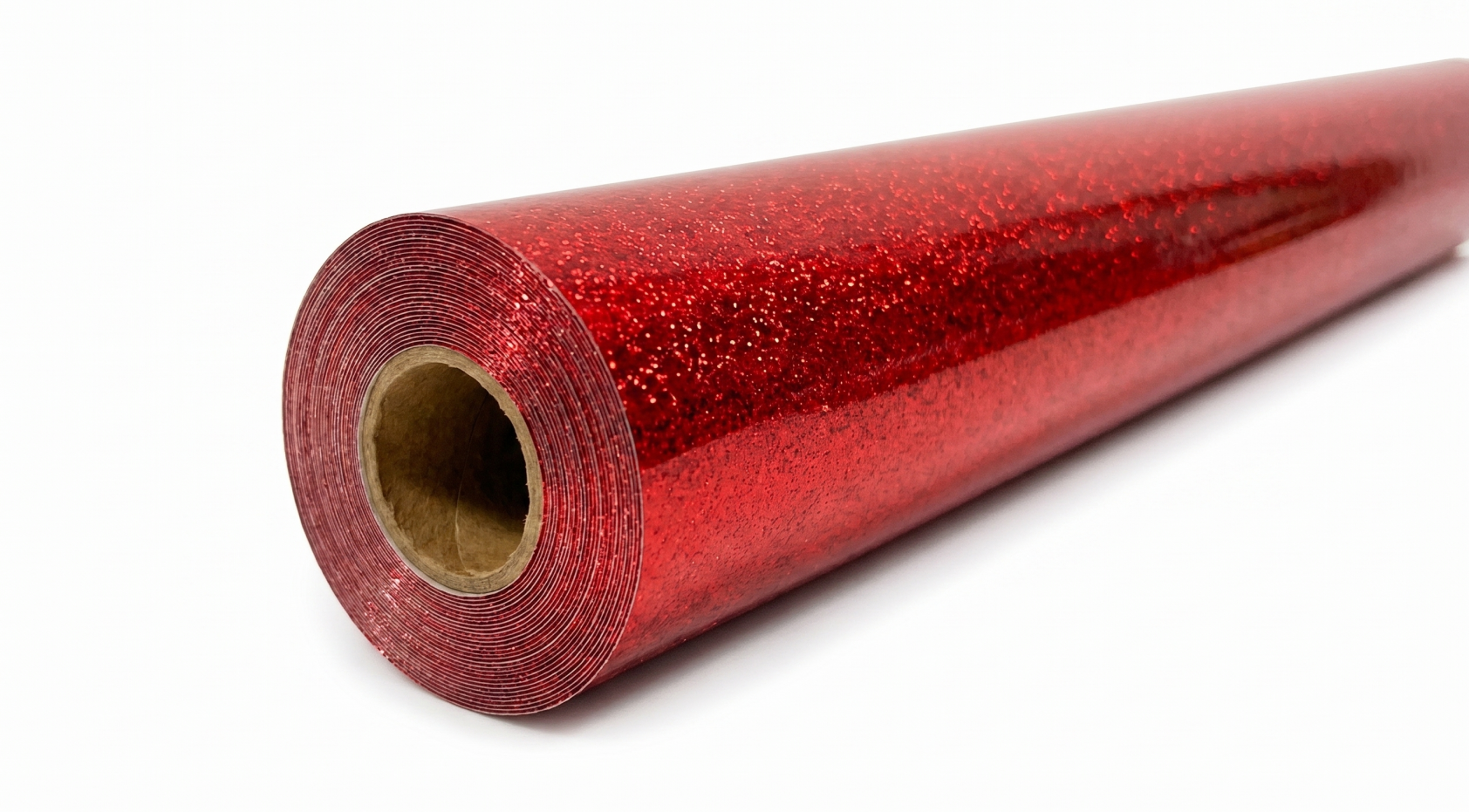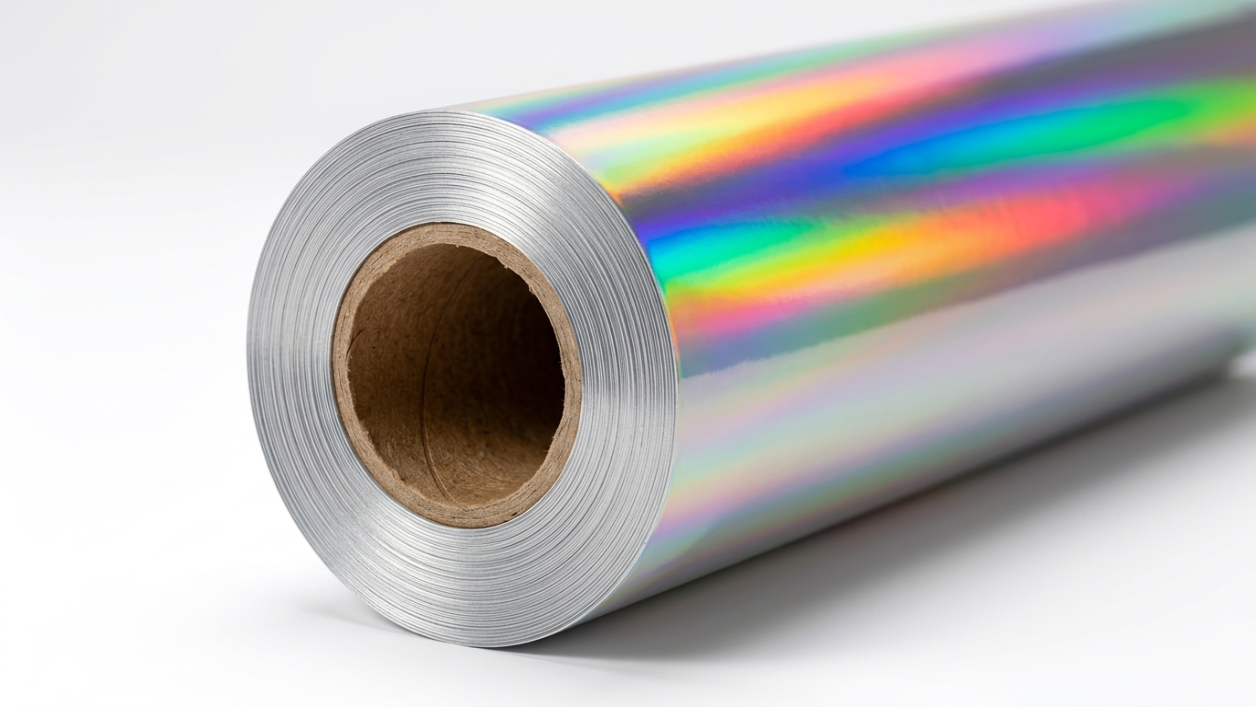
A decorative holographic range using light-pillar, dot, sand and other repeat patterns for stronger shelf impact. Designed for pattern-led holographic decoration and branded optical effects, it is matched to the actual substrate, machine, graphic area and downstream converting sequence. Available finishes include Holographic gold, holographic silver, red, bronze, coffee and custom colors; plain rainbow, light-pillar, dot, sand and patterned optical effects. Typical applications include premium cartons, wine and spirits packaging, cosmetics, gift boxes, labels and branded paper goods.
A decorative holographic range using light-pillar, dot, sand and other repeat patterns for stronger shelf impact. Multiple optical pattern families; Dynamic light response across larger decorative areas; Custom pattern development available for brand-led packaging.
Flat-bed, flat-to-round and rotary hot stamping for holographic decoration on paper. Flat-bed or flat-to-round: approximately 120-160°C; rotary: approximately 210-240°C. A smooth and clean surface supports clearer diffraction and sharper edges. Select the release grade according to fine graphics, mixed areas or patterned effects.
Premium cartons, wine and spirits packaging, cosmetics, gift boxes, labels and branded paper goods
Coated paper, folding boxboard, art paper, approved laminated paper and UV-varnished paper surfaces
Store sealed in the original packaging, away from direct sunlight, heat and humidity. Recommended storage is 5-35°C. Use within 12 months from shipment and keep long rolls supported horizontally.
Patterned Holographic Hot Stamping Foils place a visible repeating optical design into a stamped area. Light-pillar, dot, sand and other approved motifs are chosen for their scale, direction and movement under changing light, making the pattern itself part of the package artwork.
The main approval task is to coordinate motif size and orientation with the package dieline. Buyers should identify panel direction, graphic dimensions and the intended viewing angle so the selected repeat remains recognizable after stamping, trimming, folding and final display.
| Parameter | Technical Specification / Value |
|---|---|
| Product Category | HP2 holographic paper hot stamping foil |
| Application Method | Flat-bed, flat-to-round and rotary hot stamping for holographic decoration on paper |
| Processing Range | Flat-bed or flat-to-round: approximately 120-160°C; rotary: approximately 210-240°C |
| Production Speed | Approximately 4,500-6,500 sheets/hour or 70-90 m/min, subject to press, surface and image area |
| Carrier / Film | PET carrier film, typically 12μm or 15μm |
| Standard Width | 640mm standard width; custom slitting available |
| Roll Length | 120m standard rolls and longer production rolls by order |
| Available Finishes | Holographic gold, holographic silver, red, bronze, coffee and custom colors; plain rainbow, light-pillar, dot, sand and patterned optical effects |
| Suitable Substrates | Coated paper, folding boxboard, art paper, approved laminated paper and UV-varnished paper surfaces |
| Storage | Store sealed in the original packaging, away from direct sunlight, heat and humidity. Recommended storage is 5-35°C. Use within 12 months from shipment and keep long rolls supported horizontally. |
Patterned Holographic Hot Stamping Foils are selected when the visible motif, direction or optical rhythm is part of the packaging design. Unlike a plain holographic effect, the pattern must remain recognizable at the approved graphic size and orientation after transfer to coated paper, folding boxboard, art paper or another qualified paper surface.
Pattern scale and direction should be checked against the dieline before ordering. Small motifs can lose identity in narrow graphics, while directional patterns may look inconsistent if adjacent panels are rotated. The buyer should approve a physical sample showing the real base color, coating and viewing orientation.
Pattern-led decoration provides a repeatable optical texture rather than relying only on metallic color or a plain rainbow reflection.
Direction and motif scale can be evaluated against cartons, labels and display panels so adjacent graphics present a deliberate visual flow.
Project approval records the selected pattern reference and roll orientation, helping repeat orders retain the intended branded appearance.
Paper hot-stamping trials use 120-160°C for flat-bed or flat-to-round work and 210-240°C for rotary work as starting windows. Pattern visibility also depends on smooth contact, clean release and sufficient graphic area, so the correct setting must be established on the final construction.
Check both transfer completeness and motif presentation. Confirm the pattern direction across the web, the relationship between the design and package panels, and any repeat or alignment requirement stated for the project. Record the approved orientation and optical reference with the foil code to avoid an unintended change on repeat orders.
When requesting patterned holographic hot stamping foils, provide the substrate name, surface coating or treatment, machine type, transfer method, graphic size, planned speed, downstream printing or lamination steps, preferred color and roll dimensions. This information allows the product version to be matched before the quotation is finalized. A sample image of the substrate and artwork is useful when the surface, curvature or graphic structure cannot be described clearly in words.
Color approval should use the intended substrate because the base color, gloss, texture and printed background influence the apparent finish. The same foil color or optical effect can look different across approved white, dark, smooth, textured, printed or laminated surfaces. For repeat orders, the approved product code, color reference, substrate and process route should remain attached to the purchasing record.
Product identification for patterned holographic hot stamping foils is application-led, while quotation and order documents identify the exact construction, dimensions, color reference and packing required for the approved job. This keeps purchasing records consistent and makes repeat orders easier to match.
Provide the substrate, surface treatment, machine and transfer method, artwork type, production format, required finish and any later printing, lamination or converting steps. These details determine the appropriate product version more reliably than color alone.
The stated range is Coated paper, folding boxboard, art paper, approved laminated paper and UV-varnished paper surfaces. Suitability depends on the exact coating, surface treatment and process. Materials outside this range should not be assumed compatible from appearance alone.
Standard and project options include Holographic gold, holographic silver, red, bronze, coffee and custom colors; plain rainbow, light-pillar, dot, sand and patterned optical effects. Availability is confirmed against the required process, quantity and approved visual reference.
Flat-bed or flat-to-round: approximately 120-160°C; rotary: approximately 210-240°C. Approximately 4,500-6,500 sheets/hour or 70-90 m/min, subject to press, surface and image area. The working point is selected within this range according to the press, substrate, graphic area and converting sequence.
Store sealed in the original packaging, away from direct sunlight, heat and humidity. Recommended storage is 5-35°C. Use within 12 months from shipment and keep long rolls supported horizontally. Keep the roll protected from pressure, edge damage, dust and condensation, and retain the product identification for repeat-order control.
A decorative holographic range using light-pillar, dot, sand and other repeat patterns for stronger shelf impact. Designed for pattern-led holographic decoration and branded optical effects, it is matched to the actual substrate, machine, graphic area and downstream converting sequence. Available finishes include Holographic gold, holographic silver, red, bronze, coffee and custom colors; plain rainbow, light-pillar, dot, sand and patterned optical effects. Typical applications include premium cartons, wine and spirits packaging, cosmetics, gift boxes, labels and branded paper goods.