holographic-transfer-effects, holographic-transfer-effects, /holographic-transfer-effects964
Inquiry
holographic-transfer-effects, holographic-transfer-effects, /holographic-transfer-effects964
holographic-transfer-effects, holographic-transfer-effects, 
Inquiry

Holographic Digital Foils

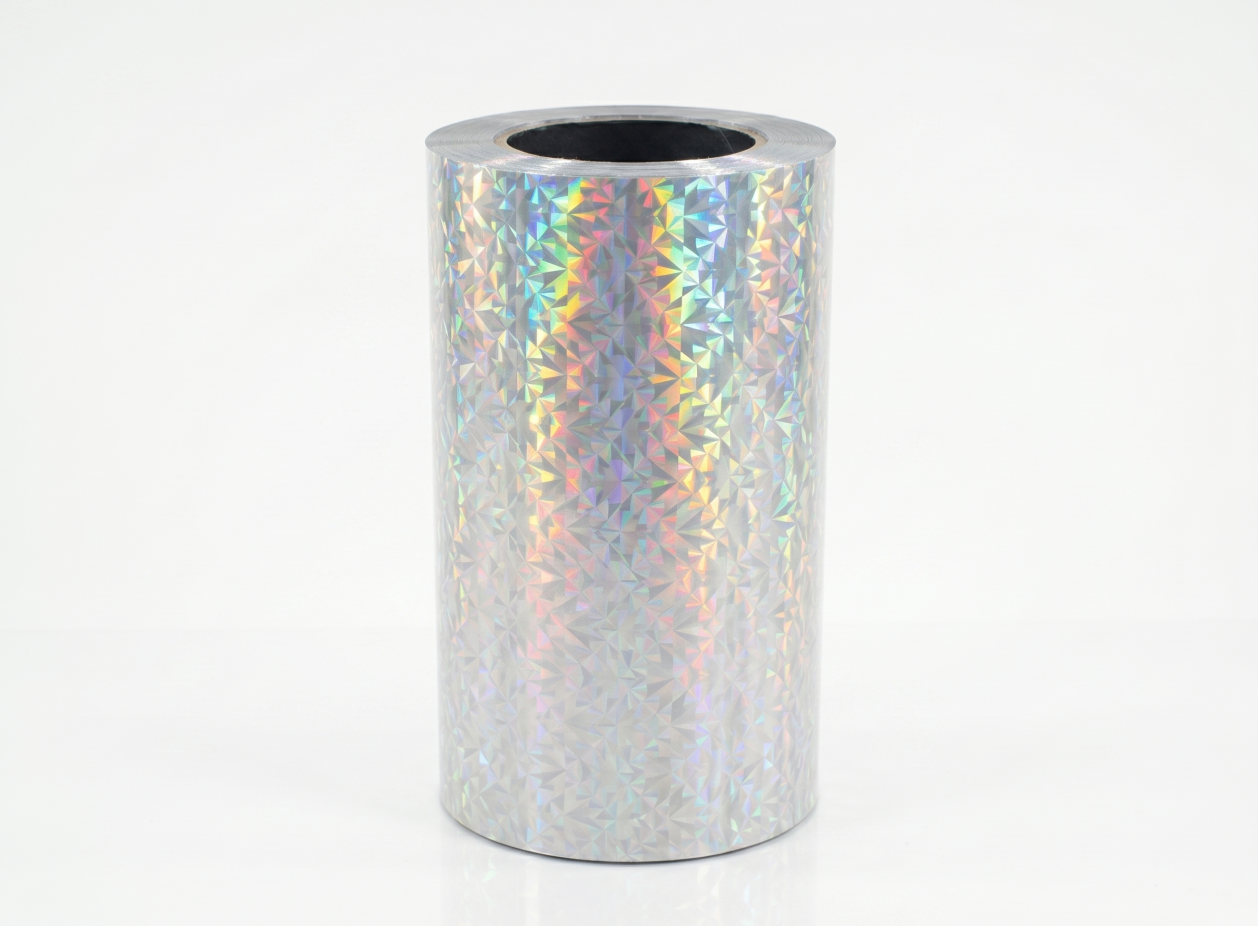
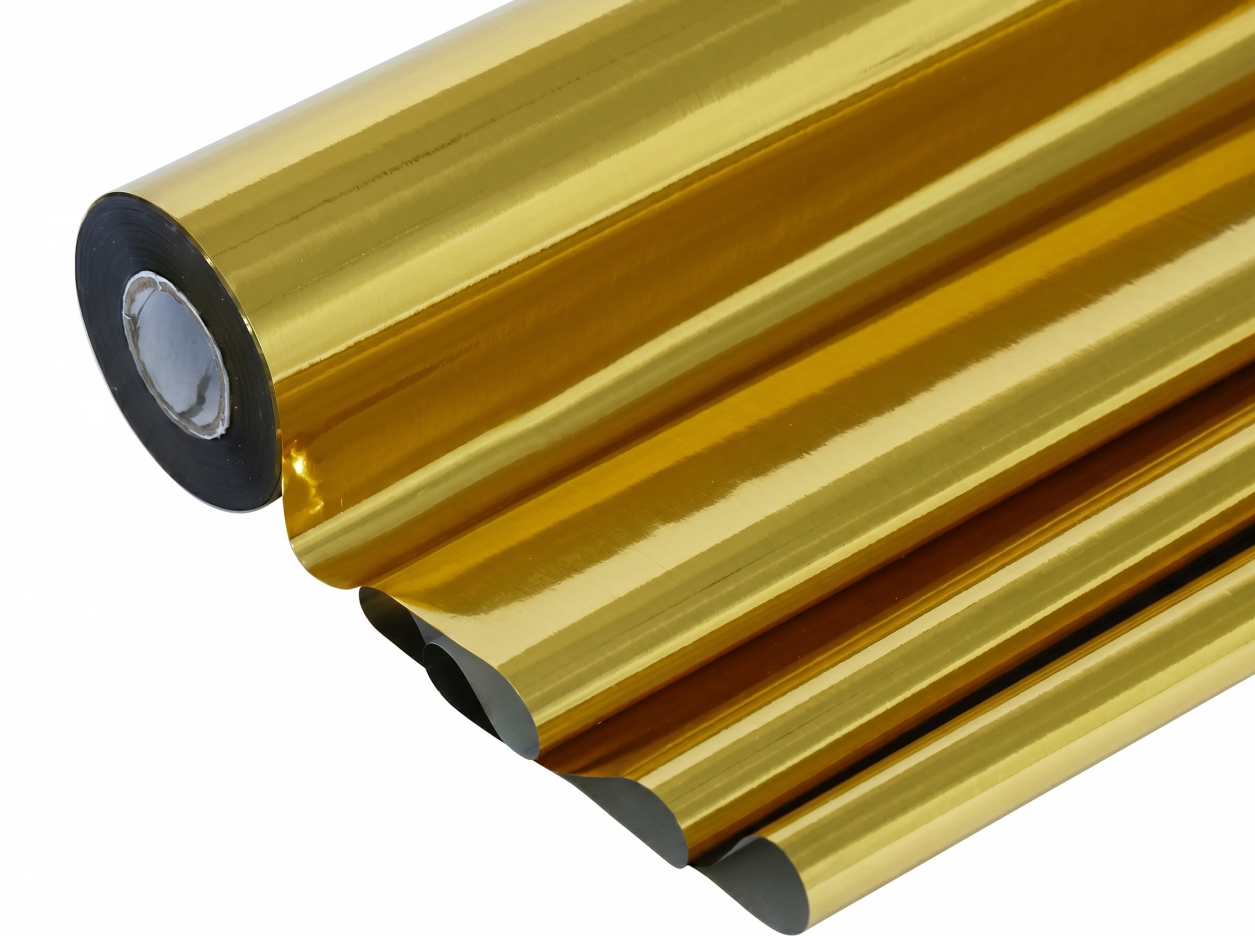
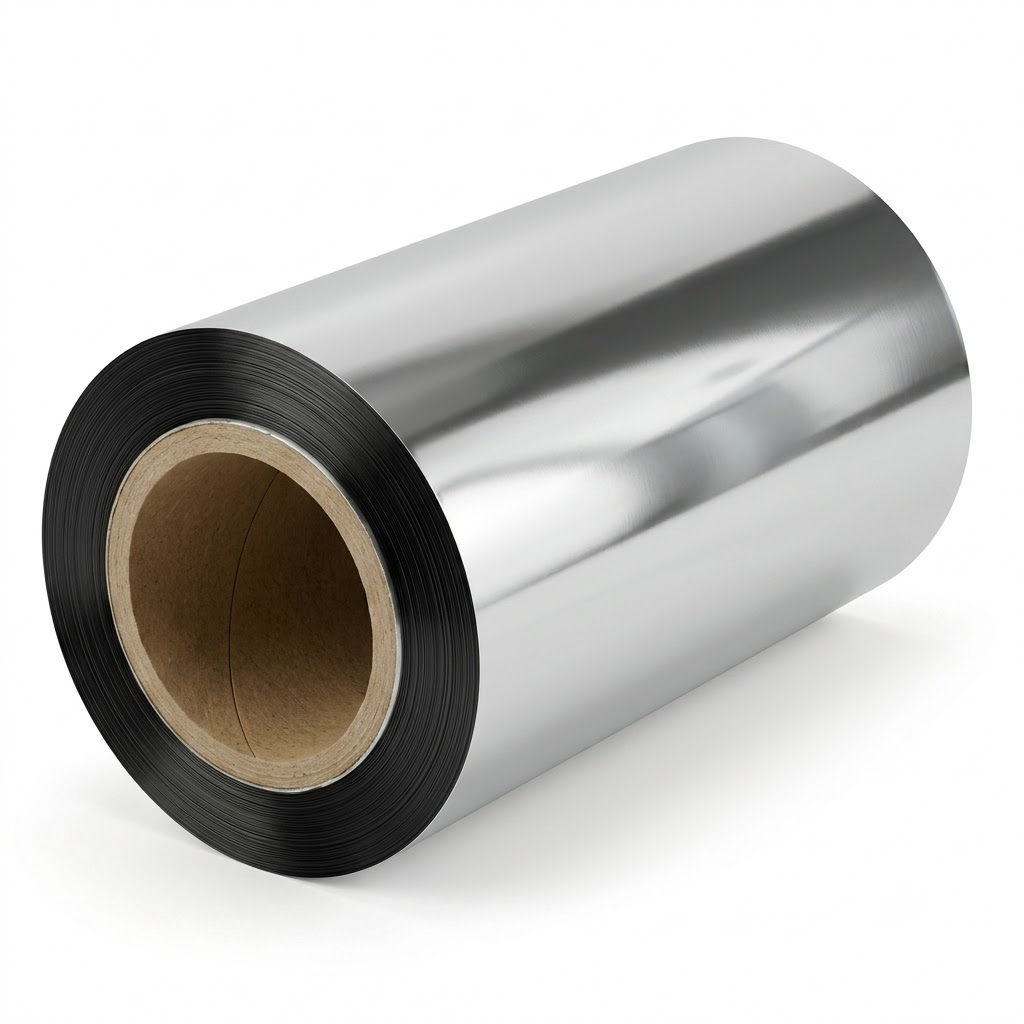
A digital transfer foil route for on-demand holographic decoration in short-run and personalized print. Designed for holographic effects in digital foil enhancement, it is matched to the actual substrate, machine, graphic area and downstream converting sequence. Available finishes include Metallic, holographic and selected effect films. Typical applications include short-run packaging, invitations, premium publishing, personalized print, prototypes and limited-edition cartons.

Request a Quote
  • Overview
  • Product Description

Overview

Advantages

A digital transfer foil route for on-demand holographic decoration in short-run and personalized print. On-demand holographic transfer; No heated stamping die; Suitable for prototypes, personalization and short production runs.

Tech Specs & Notes

Digital foil enhancement using a compatible UV adhesive or varnish-based transfer system without a heated stamping die. Machine-specific digital transfer and curing conditions. The foil must match the digital adhesive or varnish system and curing route. Effect height, texture and overprinting depend on the press workflow rather than the foil alone.

Markets

Short-run packaging, invitations, premium publishing, personalized print, prototypes and limited-edition cartons

Substrates

BOPP- or PET-laminated paper, coated board, specialty card and compatible synthetic paper

Storage

Store sealed in the original packaging, away from direct sunlight, heat and humidity. Recommended storage is 5-35°C. Use within 12 months from shipment and keep long rolls supported horizontally.

Product Description

Product Brief

Holographic Digital Foils bring rainbow, light-pillar and selected patterned effects into plate-free digital foil transfer. A digital enhancement system prints the adhesive or varnish image directly from the artwork file, and the holographic foil transfers only to those programmed areas. This supports one-off samples, short runs and frequently changing designs without a conventional stamping die. The product is used when rapid prototyping, personalization and holographic movement are more important than the economics of a fixed long-run stamping process.

Technical Specifications & Parameters

Parameter Attribute Technical Specification / Production Value
Product Category Holographic foil for plate-free digital transfer
Optical Effects Rainbow, plain holographic gold/silver, light-pillar and selected patterns
Application Method Digitally printed adhesive or varnish followed by foil transfer
Run Type One-off samples, short runs, versioned artwork and variable data
Suitable Substrates Laminated ivory board, synthetic paper and compatible coated surfaces
Artwork Requirement Digital spot layer with pattern direction defined where needed
Critical Control Sharp release, clean fine dots, complete curing and stable substrate handling
Storage Sealed, dry and protected from heat, pressure, moisture and direct sunlight

Detailed Product Description

Digital holographic transfer allows the decorative image to change as quickly as the print file. The machine creates the adhesive image, cures or conditions it according to the equipment workflow, and brings the holographic carrier into contact with the target area. Because no metal die is required, the converter can test several pattern placements or personalize names and codes within one production batch. The holographic foil must release cleanly around fine digital dots and edges; otherwise, small text may fill in or isolated pixels may be lost. Directional effects also require planning, because a light pillar aligned across the web may appear rotated on the final folded panel.

Key Product Features

  • Plate-free holographic decoration for rapid design validation and short runs.
  • Supports variable names, localized effects and frequently changing artwork.
  • Offers rainbow movement and selected directional or patterned appearances.
  • Reduces development lead time when several holographic options must be compared.
  • Fine-release construction supports digital dots and detailed spot images.

Process and Material Matching

Separate the holographic transfer layer from normal print data and set appropriate trapping for very fine shapes. Choose a substrate with stable dimensions and a surface that accepts the digital adhesive or varnish. Confirm complete curing or activation according to the equipment process before foil contact. Use a foil release characteristic suited to the machine and image resolution. For directional holographic effects, place an orientation marker in the production file and record the foil unwind direction. After transfer, inspect fine text, isolated dots, solid coverage, edge cleanliness and optical brightness. Include lamination, cutting, creasing and folding in the sample review because each operation can change how the holographic area is viewed.

Primary Industrial Applications

Applications include custom stationery, personalized photo albums, short-run labels and stickers, promotional cards, limited gift packaging, event invitations and product-development mockups. The process is useful for brand teams that need to evaluate holographic placement before committing to a dedicated die or registered holographic master. For very high-volume fixed artwork, compare digital transfer with conventional hot or cold foiling to select the most efficient production route.

Project Selection and Purchasing Information

Provide the machine model and workflow, adhesive or varnish type, substrate, laminate, artwork resolution, minimum line size, required holographic pattern, pattern direction, run length and variable-data requirement. Include representative solids and fine details in the test file. If the final product has several panels, show the folding layout so the optical direction can be approved on the assembled pack rather than on a flat sheet alone.

Quality, Handling and Storage

Keep the rolls sealed in the original packaging and store them in a cool, dry area away from direct sunlight, heat, moisture and dust. Support long rolls horizontally and avoid impact on the roll edges. Allow material to acclimate to the production area before opening when the storage and press-room conditions differ significantly. Approve release cleanliness, fine-dot reproduction, solid coverage, pattern direction, holographic brightness, adhesion and rub resistance. Keep the approved digital file, machine setting and foil reference together, because changing any one of them can alter the final transfer.

Frequently Asked Questions (FAQ)

Is a stamping die needed?
No conventional metal stamping die is needed for the digital transfer route. The adhesive or varnish image is generated directly from the digital artwork.

Can the holographic design change on every sheet?
Variable-data capability depends on the digital equipment and workflow, but the foil can support changing spot images when the machine prints them.

Why are fine holographic details missing?
The release may be too heavy, isolated pixels may be below the machine limit, curing may be incomplete, or the substrate may not provide stable adhesive anchorage.

Can light-pillar direction be controlled?
Yes, but the foil unwind direction and final package orientation must be specified and maintained during production.

When should conventional foiling be considered instead?
A fixed long-run design may be more economical with conventional hot or cold foiling. Compare volume, change frequency, detail and setup cost.

Commercial Specification Checklist

  • Confirm the exact product construction, color or optical pattern and approved sample.
  • Provide substrate, surface treatment, equipment, artwork and graphic-area information.
  • Record the validated production sequence, process settings and downstream finishing route.
  • Approve appearance, adhesion and handling performance on the final converted product.
  • Use the approved order reference for repeat production and review any material substitution.

Holographic Digital Foils

A digital transfer foil route for on-demand holographic decoration in short-run and personalized print. Designed for holographic effects in digital foil enhancement, it is matched to the actual substrate, machine, graphic area and downstream converting sequence. Available finishes include Metallic, holographic and selected effect films. Typical applications include short-run packaging, invitations, premium publishing, personalized print, prototypes and limited-edition cartons.

Request a Quote
holographic transfer effects-2

Get a Free Quote

Our representative will contact you soon.
Email
Name
Company Name
Message
0/1000