holographic-overprintable-hot-stamping-foils, holographic-overprintable-hot-stamping-foils, /holographic-overprintable-hot-stamping-foils890
Inquiry
holographic-overprintable-hot-stamping-foils, holographic-overprintable-hot-stamping-foils, /holographic-overprintable-hot-stamping-foils890
holographic-overprintable-hot-stamping-foils, holographic-overprintable-hot-stamping-foils, 
Inquiry

Holographic Overprintable Hot Stamping Foils

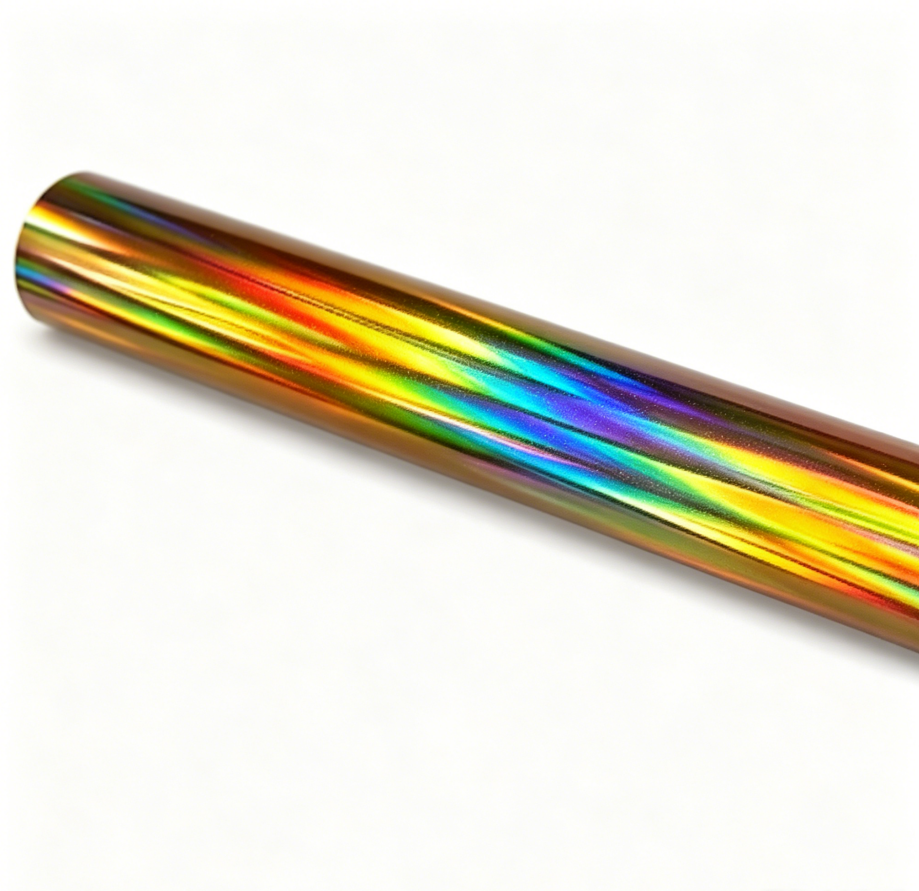
A holographic hot stamping foil with an overprintable surface for layered color and optical effects. Designed for printing over a holographic hot-stamped base, it is matched to the actual substrate, machine, graphic area and downstream converting sequence. Available finishes include Holographic gold, silver, plain rainbow and selected patterned optical effects. Typical applications include perfume cartons, cosmetics, pharmaceutical packaging, luxury labels, gift boxes and designs using metallic color gradients.

Request a Quote
  • Overview

Overview

Product Brief

Holographic Overprintable Hot Stamping Foils combine a reflective diffractive pattern with a top surface designed for subsequent printing. The product is used when packaging designers want the movement and rainbow response of a holographic hot stamp but also need printed colors, gradients or fine brand graphics over the transferred area. It can support plain rainbow, light-pillar, lens-like or selected patterned effects, subject to project confirmation. The holographic structure remains beneath the printed layer, so ink transparency, ink density and pattern orientation must be controlled together to preserve the intended optical response.

Technical Specifications & Parameters

Parameter Attribute Technical Specification / Production Value
Product Category Overprintable holographic hot stamping foil
Optical Effect Plain rainbow, light-pillar, lens-like and selected custom holographic effects
Application Method Hot stamp the holographic layer, then overprint with compatible inks
Suitable Substrates Smooth coated paper, premium board and compatible laminated paper
Ink Requirement Transparent or controlled-density offset/UV ink after compatibility testing
Artwork Requirement Pattern direction, foil area, print trapping and registration planned together
Process Control Clean transfer, smooth die, controlled curing and stable optical orientation
Storage Sealed and protected from heat, humidity, pressure damage and direct sunlight

Detailed Product Description

The visible result is created by two layers working together. The holographic foil supplies diffraction and changing reflected color; the printed layer supplies brand color, tonal detail and graphic definition. If the ink is too opaque, the holographic movement becomes weak. If the ink does not wet the topcoat, the print can shrink back or flake. If the holographic pattern direction is not specified, light pillars or directional gratings may appear inconsistent across panels. For that reason, this foil should be specified as an optical and printing system rather than as a generic silver stamping foil. A controlled transparent color over a bright holographic base can create colored rainbow, tinted lens or deep multi-layer effects without requiring a separate holographic foil for each hue.

Key Product Features

  • Combines hot-stamped holographic movement with printable color and graphic detail.
  • High-surface-energy topcoat supports compatible post-stamping ink systems.
  • Allows one holographic base to produce multiple tinted or gradient appearances.
  • Patterned and directional effects can be coordinated with carton or label artwork.
  • Useful for premium differentiation and visible authentication design.

Process and Material Matching

Start by defining the holographic effect, viewing direction and stamping area. Directional patterns should be aligned with the final pack orientation, not only the press web. Use a smooth, clean die and stable pressure to produce a continuous holographic surface without pinholes. After stamping, test the actual ink for wetting and adhesion. High-transparency UV or offset inks generally retain more diffraction than opaque process colors. Control ink density with the approved sample, and ensure curing is sufficient without creating heat distortion or surface embrittlement. When several carton panels must match, mark the foil unwind direction and pattern orientation in the production specification. The final trial should include cutting, creasing and folding because optical continuity can change at folds and panel transitions.

Primary Industrial Applications

Suitable projects include premium cosmetics, perfume cartons, pharmaceutical and health-product packaging, promotional labels, gift boxes and specialty brand editions. It works particularly well for designs where holographic movement appears through a printed color, where a gradient crosses a holographic field, or where the brand needs an optical effect that changes with viewing angle. For very fine registered security elements, a dedicated registered holographic product should be evaluated instead of treating this grade as a universal alternative.

Project Selection and Purchasing Information

Provide the holographic pattern reference, pattern direction, foil color, substrate sample, stamping artwork, die type, ink system and final pack orientation. Specify which printed areas must remain highly reflective and which can become more opaque. Include the intended lighting environment where color approval is important. For custom effects, supply repeat size, registration requirement and available press tolerances. A complete sample request should also identify varnish, lamination, folding, gluing and abrasion requirements after overprinting.

Quality, Handling and Storage

Keep the rolls sealed in the original packaging and store them in a cool, dry area away from direct sunlight, heat, moisture and dust. Support long rolls horizontally and avoid impact on the roll edges. Allow material to acclimate to the production area before opening when the storage and press-room conditions differ significantly. Approve both print quality and optical behavior. Inspect pattern direction, brightness, rainbow movement, transfer continuity, ink wetting, adhesion, color density and rub resistance. Compare samples under more than one viewing angle because a holographic surface cannot be judged from a single flat scan.

Frequently Asked Questions (FAQ)

Will overprinting remove the holographic effect?
It can reduce the effect if the ink is too opaque or too heavy. Transparent and controlled-density inks allow more diffraction and reflected light to remain visible.

Can the holographic pattern be oriented to the package?
Yes, directional effects should be specified against the final panel orientation and foil unwind direction. Registration capability depends on the selected construction and equipment.

Why does ink pull away from the holographic surface?
The foil topcoat and ink may be incompatible, the surface may be contaminated, or curing and wetting may be insufficient. Test the actual ink and production sequence.

Is a standard holographic foil suitable for this process?
A standard decorative grade may not provide the surface energy needed for reliable printing. Use an overprintable construction when ink must adhere directly to the foil.

What information is needed for a custom sample?
Provide substrate, artwork, holographic effect, pattern direction, ink system, press type, curing method and downstream finishing requirements.

Commercial Specification Checklist

  • Confirm the exact product construction, color or optical pattern and approved sample.
  • Provide substrate, surface treatment, equipment, artwork and graphic-area information.
  • Record the validated production sequence, process settings and downstream finishing route.
  • Approve appearance, adhesion and handling performance on the final converted product.
  • Use the approved order reference for repeat production and review any material substitution.

Holographic Overprintable Hot Stamping Foils

A holographic hot stamping foil with an overprintable surface for layered color and optical effects. Designed for printing over a holographic hot-stamped base, it is matched to the actual substrate, machine, graphic area and downstream converting sequence. Available finishes include Holographic gold, silver, plain rainbow and selected patterned optical effects. Typical applications include perfume cartons, cosmetics, pharmaceutical packaging, luxury labels, gift boxes and designs using metallic color gradients.

Request a Quote
holographic overprintable hot stamping foils-2

Get a Free Quote

Our representative will contact you soon.
Email
Name
Company Name
Message
0/1000