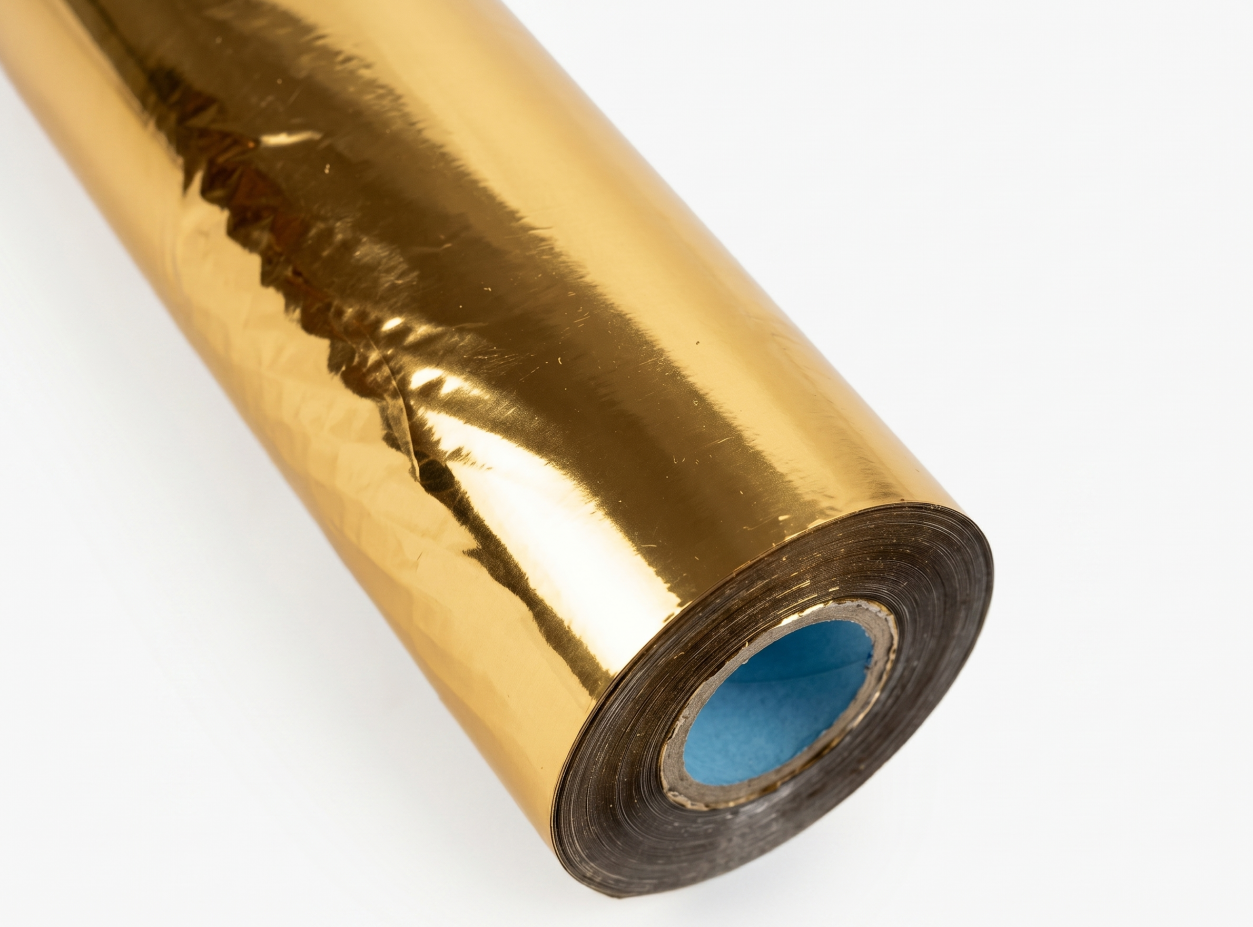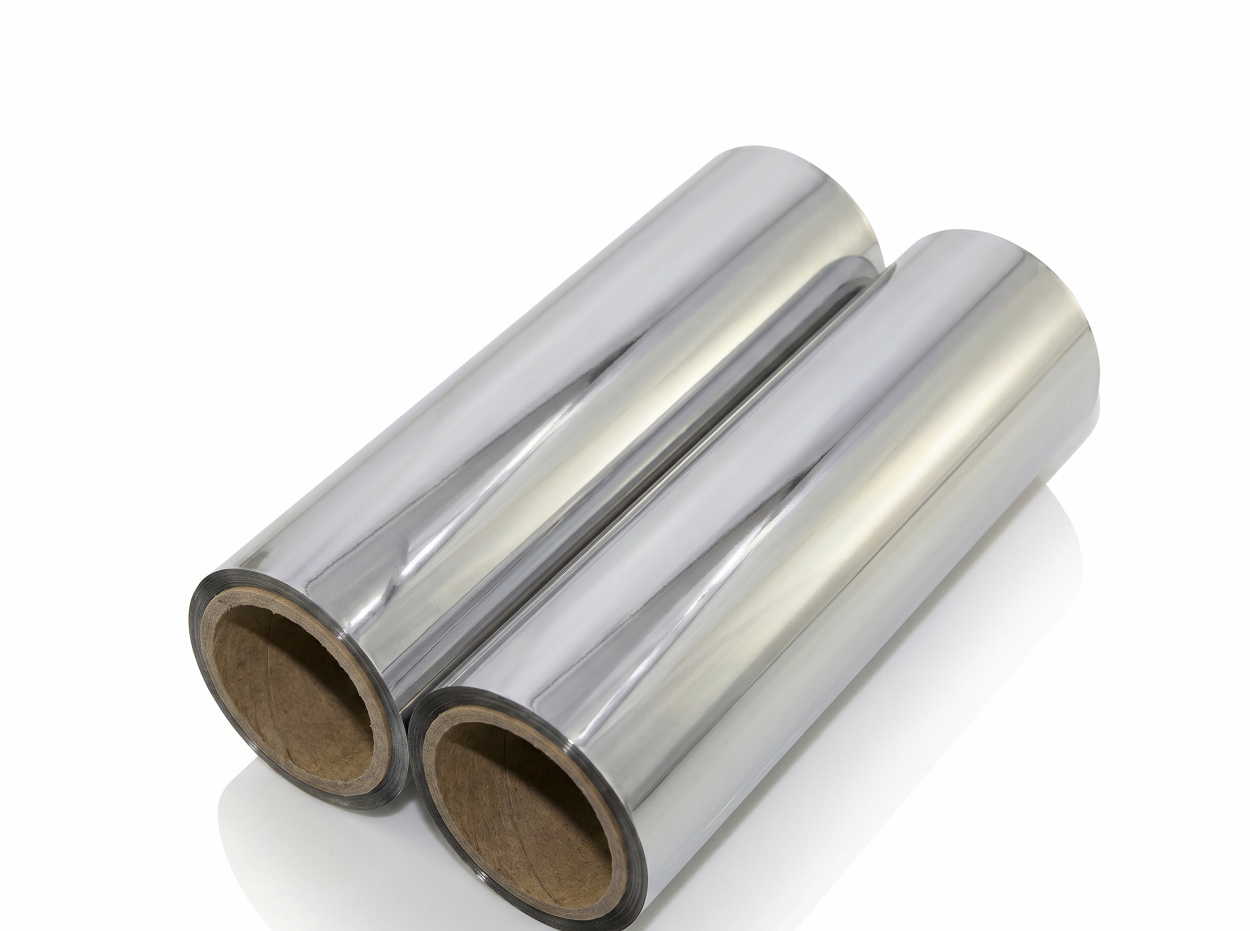
A direct cold-glue foil route for pretreated glass bottles and compatible ceramic decoration with post-foil curing. Designed for glass bottle decoration, pretreatment and cured cold-glue transfer, it is matched to the actual substrate, machine, graphic area and downstream converting sequence. Available finishes include High-gloss gold, silver and custom metallic colors. Typical applications include wine and spirits bottles, perfume bottles, cosmetics jars and premium glass decoration.
A direct cold-glue foil route for pretreated glass bottles and compatible ceramic decoration with post-foil curing. Smooth metallic decoration on compatible glass; Designed for water- and alcohol-resistant finished applications when correctly processed; Suitable for bottle and jar decoration.
Cold-glue direct foiling on pretreated glass or compatible ceramic surfaces, followed by the required curing stage. Transfer and curing conditions are set by the glass pretreatment, adhesive and curing line. Glass normally requires flame treatment or primer before adhesive application, plus post-foil thermal curing. Cleanliness is critical for a smooth metallic surface.
Wine and spirits bottles, perfume bottles, cosmetics jars and premium glass decoration
Glass bottles, cosmetic glass jars and compatible ceramic surfaces after suitable pretreatment
Store sealed in the original packaging, away from direct sunlight, heat and humidity. Recommended storage is 5-35°C. Use within 12 months from shipment and keep long rolls supported horizontally.
Cold-Glue Direct Foils for Glass & Ceramics is developed for glass bottle decoration, pretreatment and cured cold-glue transfer. A direct cold-glue foil route for pretreated glass bottles and compatible ceramic decoration with post-foil curing. The product is positioned for industrial packaging and print buyers who need a clear match between foil construction, substrate, decoration process and end-use handling. Selection is organized around the application method, surface type and required visual effect so the production construction can be matched to the real job.
For a production project, cold-glue direct foils for glass and ceramics should be selected together with the actual substrate, surface coating, machine type, graphic area and downstream converting steps. Available finishes include High-gloss gold, silver and custom metallic colors. This makes the product suitable for wine and spirits bottles, perfume bottles, cosmetics jars and premium glass decoration, while the final construction remains aligned with the requested process and material.
| Parameter | Technical Specification / Value |
|---|---|
| Product Category | Z-series glass direct foiling |
| Application Method | Cold-glue direct foiling on pretreated glass or compatible ceramic surfaces, followed by the required curing stage |
| Processing Range | Transfer and curing conditions are set by the glass pretreatment, adhesive and curing line |
| Production Speed | Line speed is matched to adhesive application, transfer contact and post-foil curing |
| Carrier / Film | PET carrier film for direct cold-glue transfer |
| Standard Width | Custom width according to bottle or component decoration area |
| Roll Length | Roll length configured for the glass decoration line |
| Available Finishes | High-gloss gold, silver and custom metallic colors |
| Suitable Substrates | Glass bottles, cosmetic glass jars and compatible ceramic surfaces after suitable pretreatment |
| Storage | Store sealed in the original packaging, away from direct sunlight, heat and humidity. Recommended storage is 5-35°C. Use within 12 months from shipment and keep long rolls supported horizontally. |
cold-glue direct foils for glass and ceramics is not selected by color alone. Transfer behavior depends on the relationship between the release layer, decorative or optical layer, adhesive system and the surface energy of the receiving material. The product construction is therefore matched to the job rather than presented as one universal grade. This approach helps converters obtain clean edges, stable coverage and a consistent appearance across the planned production run.
The decorative layer is designed around glass bottle decoration, pretreatment and cured cold-glue transfer. Its specified color, brightness, optical pattern or surface effect must remain clear after transfer and through the planned converting stages. cold-glue direct foils for glass and ceramics can be supplied in High-gloss gold, silver and custom metallic colors, with availability confirmed against the required process, quantity and approved visual reference.
Material matching is equally important. The intended substrate range is Glass bottles, cosmetic glass jars and compatible ceramic surfaces after suitable pretreatment. Surfaces that appear similar can differ in coating, texture, surface energy and response during transfer. For that reason, the relevant release behavior and adhesive route are selected from the actual material description. Glass normally requires flame treatment or primer before adhesive application, plus post-foil thermal curing. Cleanliness is critical for a smooth metallic surface.
The recommended application route is Cold-glue direct foiling on pretreated glass or compatible ceramic surfaces, followed by the required curing stage. Transfer and curing conditions are set by the glass pretreatment, adhesive and curing line. These values describe the practical operating range rather than a fixed universal setting. Press design, contact time, production speed, image coverage, surface treatment and part geometry all influence the working window. The production team should use the supplied range to identify the correct product family and then apply the settings established for its own equipment and material.
For cold-glue direct foils for glass and ceramics, the receiving surface should be clean and stable within the stated substrate range: Glass bottles, cosmetic glass jars and compatible ceramic surfaces after suitable pretreatment. Surface preparation, coating cure and adhesive compatibility should follow the selected application route. Dust, oil, moisture, release agent or an incompletely cured coating can interrupt contact and create pinholes, incomplete transfer or weak edges.
Graphic structure also affects selection. Fine text and narrow lines normally require a cleaner, more responsive release than broad solid areas. Large solids need balanced contact and an adhesive layer that covers evenly without trapping defects. Mixed artwork may require a balanced version that handles both graphic types. cold-glue direct foils for glass and ceramics is available through the relevant application route so buyers can specify the dominant graphic requirement instead of treating every artwork as one general application.
When requesting cold-glue direct foils for glass and ceramics, provide the substrate name, surface coating or treatment, machine type, transfer method, graphic size, planned speed, downstream printing or lamination steps, preferred color and roll dimensions. This information allows the product version to be matched before the quotation is finalized. A sample image of the substrate and artwork is useful when the surface, curvature or graphic structure cannot be described clearly in words.
Color approval should use the intended substrate because the base color, gloss, texture and printed background influence the apparent finish. The same foil color or optical effect can look different across approved white, dark, smooth, textured, printed or laminated surfaces. For repeat orders, the approved product code, color reference, substrate and process route should remain attached to the purchasing record.
Provide the substrate, surface treatment, machine and transfer method, artwork type, production format, required finish and any later printing, lamination or converting steps. These details determine the appropriate product version more reliably than color alone.
The stated range is Glass bottles, cosmetic glass jars and compatible ceramic surfaces after suitable pretreatment. Suitability depends on the exact coating, surface treatment and process. Materials outside this range should not be assumed compatible from appearance alone.
Standard and project options include High-gloss gold, silver and custom metallic colors. Availability is confirmed against the required process, quantity and approved visual reference.
Transfer and curing conditions are set by the glass pretreatment, adhesive and curing line. Line speed is matched to adhesive application, transfer contact and post-foil curing. The working point is selected within this range according to the press, substrate, graphic area and converting sequence.
Store sealed in the original packaging, away from direct sunlight, heat and humidity. Recommended storage is 5-35°C. Use within 12 months from shipment and keep long rolls supported horizontally. Keep the roll protected from pressure, edge damage, dust and condensation, and retain the product identification for repeat-order control.
A direct cold-glue foil route for pretreated glass bottles and compatible ceramic decoration with post-foil curing. Designed for glass bottle decoration, pretreatment and cured cold-glue transfer, it is matched to the actual substrate, machine, graphic area and downstream converting sequence. Available finishes include High-gloss gold, silver and custom metallic colors. Typical applications include wine and spirits bottles, perfume bottles, cosmetics jars and premium glass decoration.