cat-eye-registered-holographic-cold-foils, cat-eye-registered-holographic-cold-foils, /cat-eye-registered-holographic-cold-foils170cat-eye-registered-holographic-cold-foils-series
Inquiry
cat-eye-registered-holographic-cold-foils, cat-eye-registered-holographic-cold-foils, /cat-eye-registered-holographic-cold-foils170cat-eye-registered-holographic-cold-foils-series
cat-eye-registered-holographic-cold-foils, cat-eye-registered-holographic-cold-foils, 
Inquiry

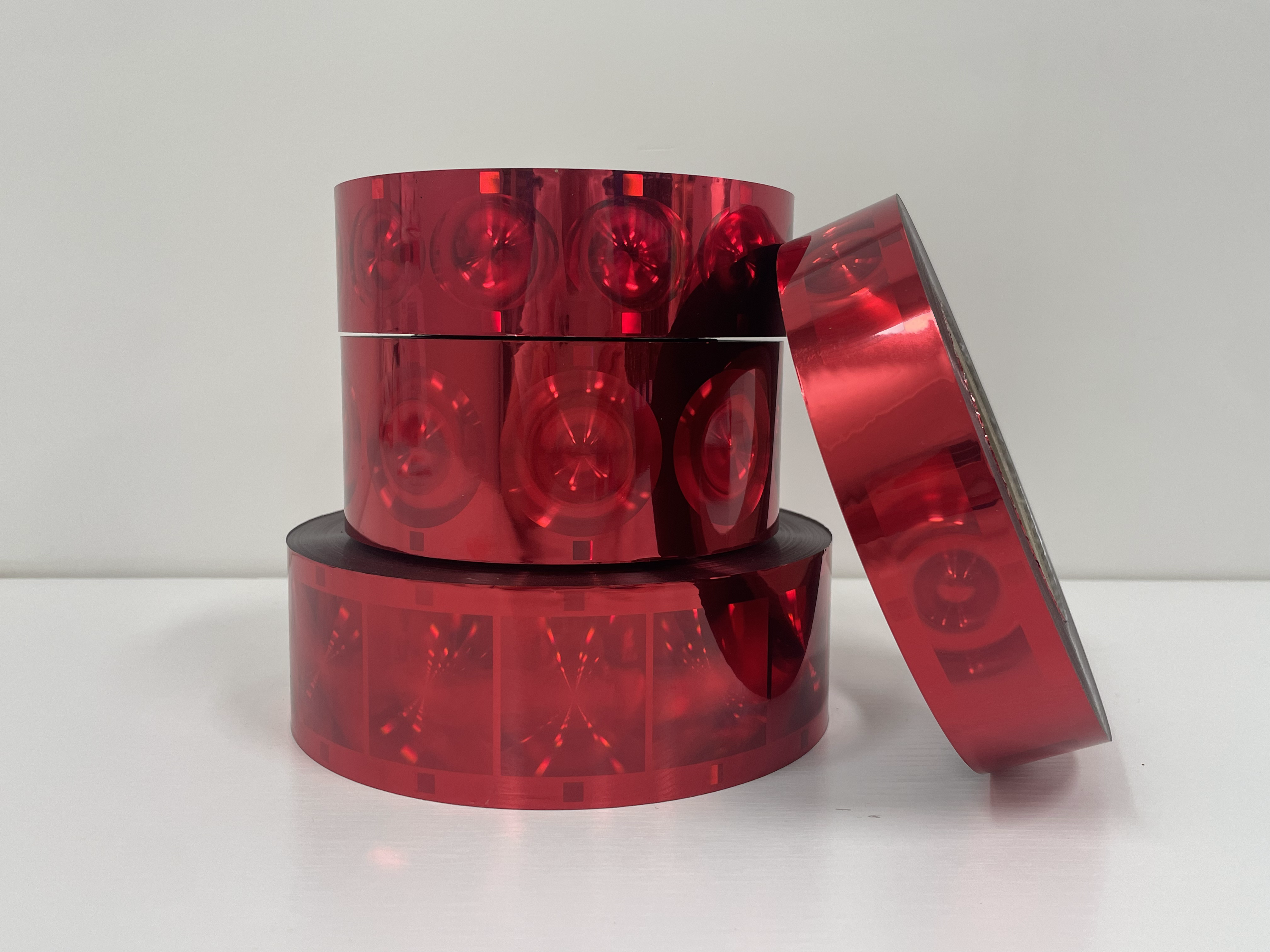
Cat-Eye Registered Holographic Cold Foils

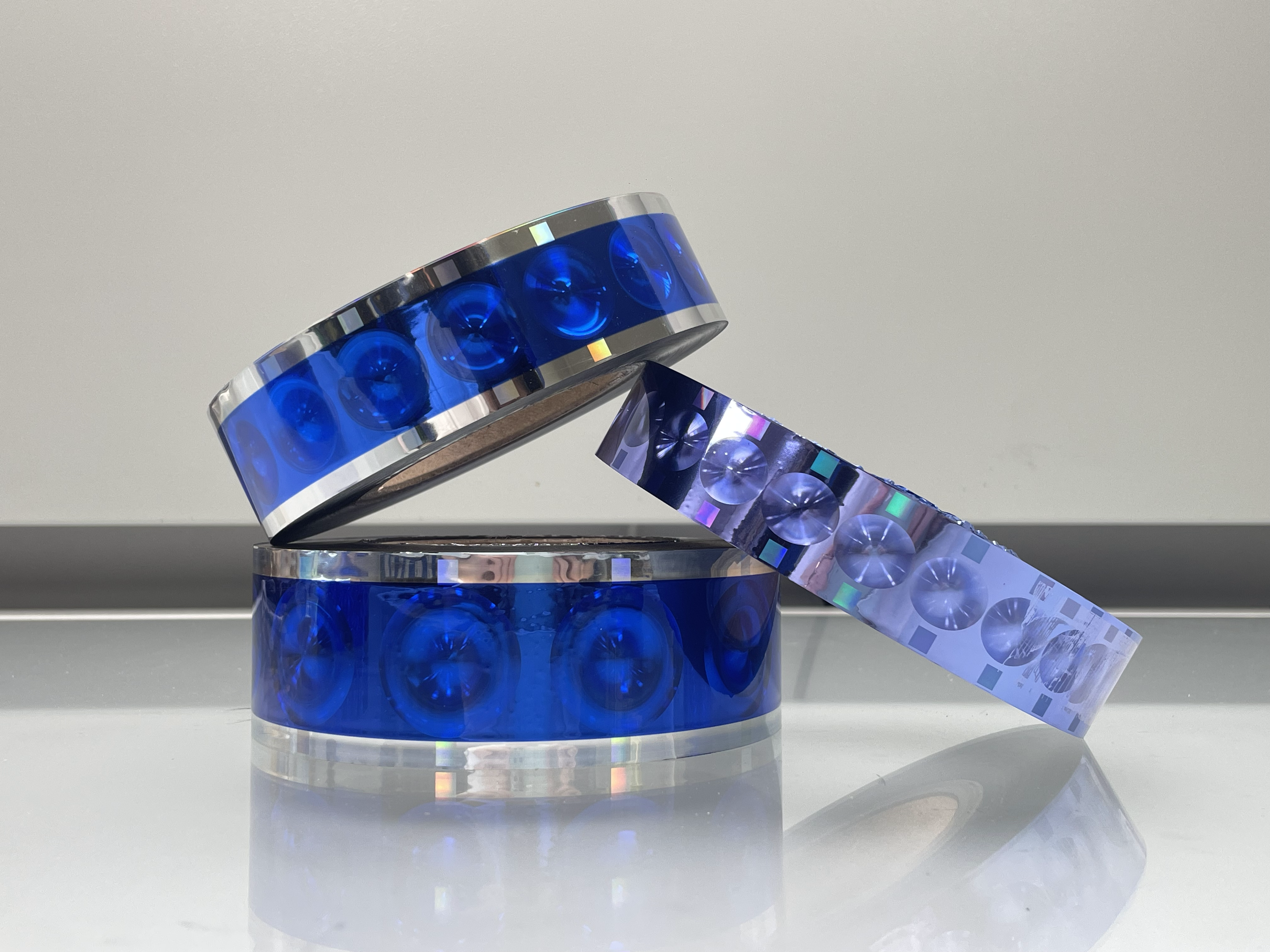
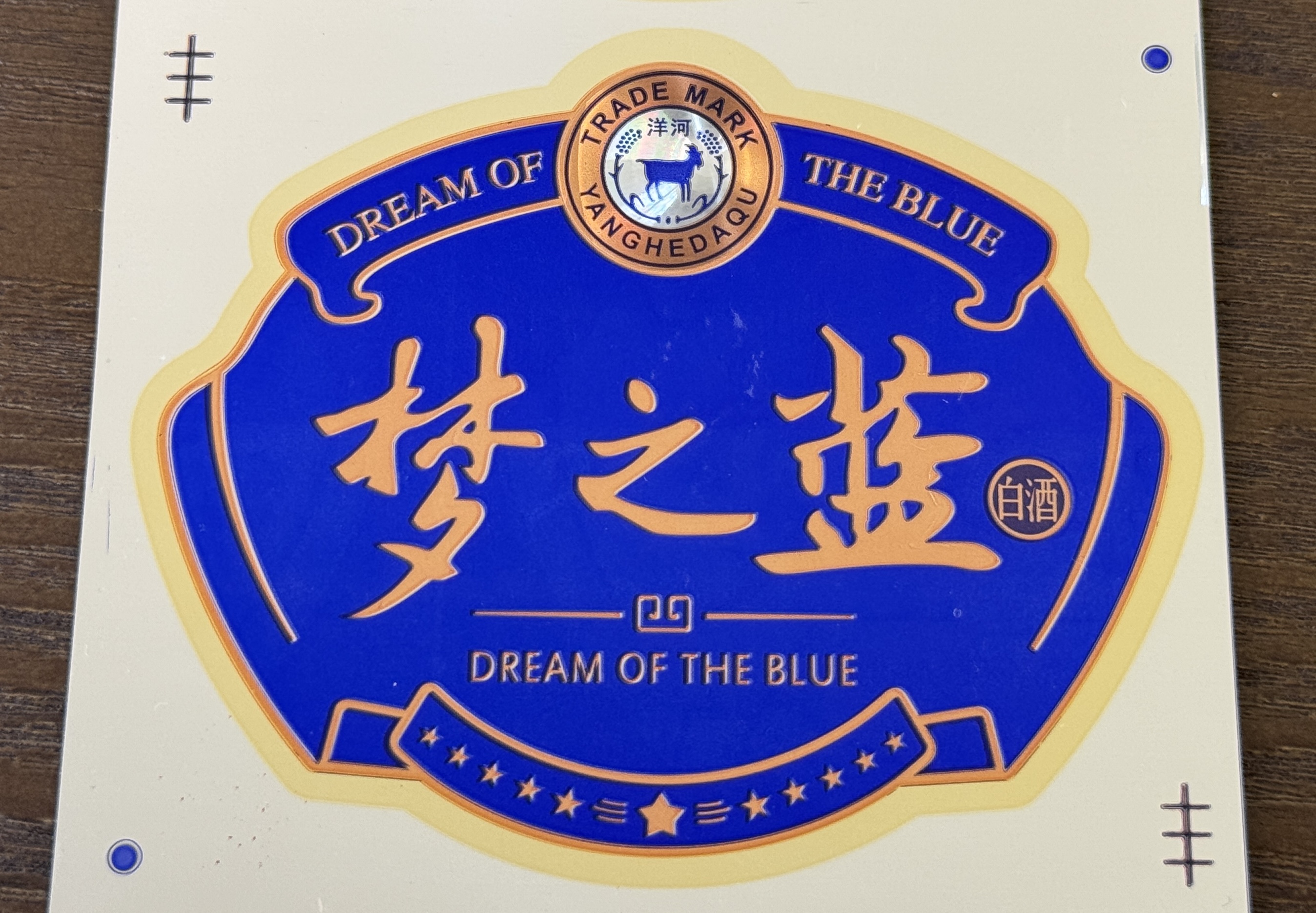
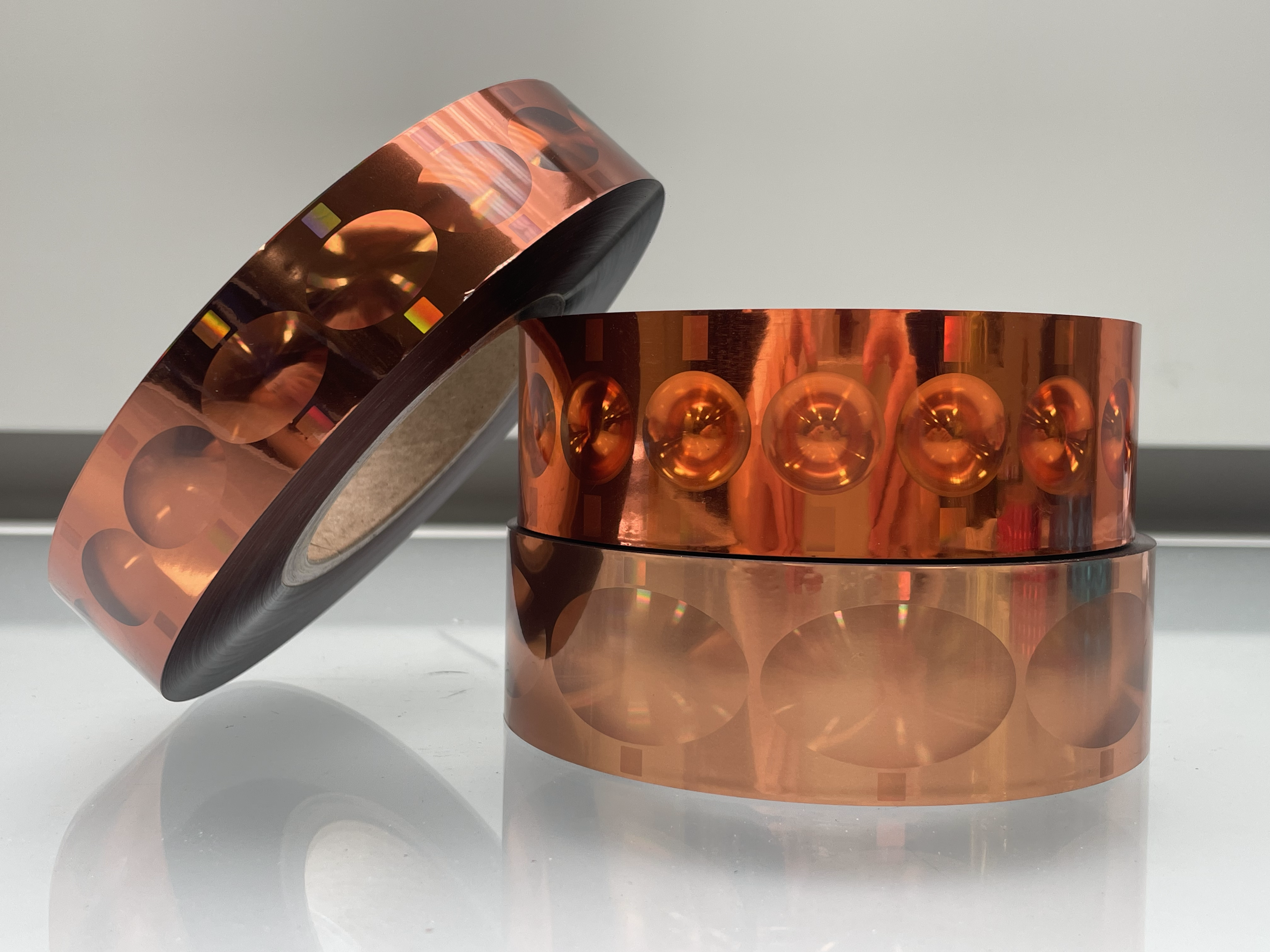
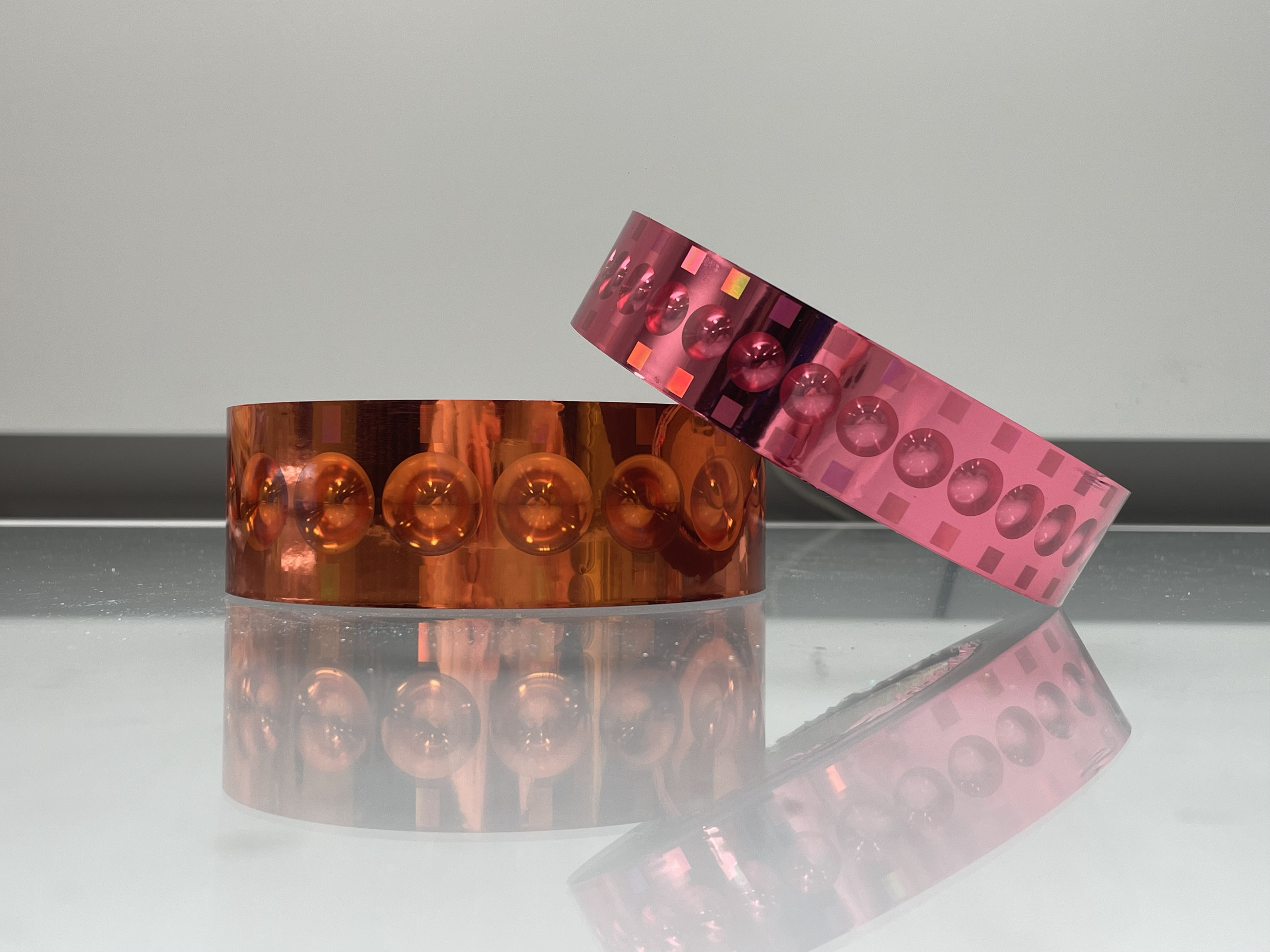
A registered flexo cold foil route for cat-eye lens effects on narrow-web labels and premium packaging. Designed for cat-eye lens effects in registered flexo cold foiling, it is matched to the actual substrate, machine, graphic area and downstream converting sequence. Available finishes include Holographic gold, silver, colored optical effects and custom registered patterns. Typical applications include premium labels, cosmetics, spirits, personal-care packaging, brand-protection labels and security-oriented narrow-web print.

Request a Quote
  • Overview
  • Product Description

Overview

Advantages

A registered flexo cold foil route for cat-eye lens effects on narrow-web labels and premium packaging. Cat-eye optical depth in a cold foil workflow; Registered repeat control; Suitable for labels requiring both visual impact and controlled placement.

Tech Specs & Notes

Registered flexo cold foiling with UV adhesive, optical-sensor tracking and repeat control. No heated die is required; curing, web tension and registration control determine transfer. Web tension, sensor mark and foil repeat must remain synchronized. Adhesive and curing settings are matched to the selected substrate.

Markets

Premium labels, cosmetics, spirits, personal-care packaging, brand-protection labels and security-oriented narrow-web print

Substrates

Coated label paper, compatible films and non-absorbent label structures used in flexo cold foiling

Storage

Store sealed in the original packaging, away from direct sunlight, heat and humidity. Recommended storage is 5-35°C. Use within 12 months from shipment and keep long rolls supported horizontally.

Product Description

Product Brief

Cat-Eye Registered Holographic Cold Foils create a concentrated lens-like optical focal point at a controlled position on each label. The DC1 route combines a registered holographic foil repeat with inline UV cold-foil transfer. It is intended for premium labels and security-oriented packaging where the cat-eye effect must align with artwork and die cutting.

Unlike a seamless or random pattern, cat-eye holographic foil depends on synchronization. The foil repeat, sensor mark, adhesive image, printed artwork, web tension and final label position must remain coordinated. The registered holographic cold foil is therefore specified as a repeat system, not only as a color or pattern roll.

Registration approval should be checked at normal production speed and after reel changes, not only from one correctly positioned startup impression.

Technical Specifications & Parameters

Parameter Attribute Technical Specification / Production Value
Product Category DC1 cat-eye registered holographic cold foil
Application Method Registered flexographic cold foiling with UV adhesive and optical-sensor tracking
Pattern Control Cat-eye lens repeat aligned to the approved label artwork
Processing Range No heated die; curing, web tension, sensor response and repeat control determine transfer
Production Speed Selected around registration stability, adhesive cure and label material
Carrier / Film Low-stretch PET carrier for registered cold foil transfer
Width / Repeat Custom width, repeat length and sensor-mark specification by project
Available Finishes Selected holographic colors and cat-eye optical structures
Suitable Substrates Coated label paper, compatible films and non-absorbent narrow-web label structures
Storage Store sealed away from sunlight, heat and humidity at 5-35°C; use within 12 months and support long rolls horizontally

Treat the lens, repeat and artwork as one file set

The cat-eye center, foil repeat and printed graphic must be developed from a common positional reference. Supply the final dieline, foil separation, repeat length, web direction, sensor-mark area and registration tolerance. A registered holographic foil cannot be approved from an isolated image that omits press direction and repeat data.

Allow practical tolerance around the optical focal point. If the artwork frames the cat-eye with a very tight border, small variation becomes visually obvious. A slightly more forgiving design can preserve the intended effect while improving production stability. The approved physical sample should show both the ideal position and the acceptable registration window.

Web tension and sensor quality govern repeat stability

The registered holographic cold foil carrier should run with stable tension and minimal stretch. Sensor marks must remain clean, readable and correctly positioned. Roll winding, splice handling and press acceleration can affect repeat control, so registration should be checked at startup, after speed changes and across the production roll.

Do not increase line speed until the sensor, adhesive image and foil repeat remain synchronized. A cat-eye holographic foil may transfer completely yet still fail visually if the lens drifts away from the artwork. Registration trend should therefore be recorded separately from adhesion and optical brightness.

Balance adhesive transfer with optical definition

A uniform UV-curable adhesive layer is required for clean edges and consistent diffraction. Too much adhesive can spread beyond the intended graphic; insufficient adhesive or cure can produce weak, dull or incomplete transfer. Nip pressure and lamp output should be set for the actual coated paper or film, not carried over automatically from a standard metallic job.

The receiving surface must be clean and properly treated. PE and PP label films normally require confirmed surface treatment, while coated paper and synthetic materials need a stable ink or coating layer. Test any varnish, lamination or later printing because it can change the cat-eye depth, gloss and final bond.

Approve optical position and end-use durability together

Inspect the registered holographic cold foil at normal viewing distance and through the full movement angle. The focal point should appear where the design expects it, and the surrounding pattern should remain consistent from label to label. Retain a signed master sample with the repeat drawing and production code.

Run the required rub, tape, moisture, alcohol, chilling, squeeze and die-cut tests for the final package. A registered holographic foil is commercially complete only when the visual registration, transfer quality and end-use resistance all pass the same approval cycle.

Key Product Features

  • Distinct cat-eye optical focal point with controlled repeat position
  • Registered UV cold-foil route for narrow-web labels
  • Custom repeat length, web direction and sensor-mark specification
  • Low-stretch carrier and project slitting for stable tracking
  • Suitable for premium decoration and security-oriented label design

Frequently Asked Questions (FAQ)

Q1: Why is this foil called registered?

A1: The cat-eye lens repeats at a defined interval and must align with the printed artwork and final label position.

Q2: What files are required?

A2: Provide the final dieline, foil separation, web direction, repeat length, sensor-mark area and registration tolerance.

Q3: Can it run like a seamless holographic foil?

A3: No. The press must track the registered repeat. Speed and tension are selected around stable alignment.

Q4: What must be approved on the sample?

A4: Approve optical position, pattern and color, transfer edges, adhesion, finishing compatibility and the acceptable registration window.

Cat-Eye Registered Holographic Cold Foils

A registered flexo cold foil route for cat-eye lens effects on narrow-web labels and premium packaging. Designed for cat-eye lens effects in registered flexo cold foiling, it is matched to the actual substrate, machine, graphic area and downstream converting sequence. Available finishes include Holographic gold, silver, colored optical effects and custom registered patterns. Typical applications include premium labels, cosmetics, spirits, personal-care packaging, brand-protection labels and security-oriented narrow-web print.

Request a Quote
cat eye registered holographic cold foils-2

Get a Free Quote

Our representative will contact you soon.
Email
Name
Company Name
Message
0/1000